





Antique Embroidery Pair
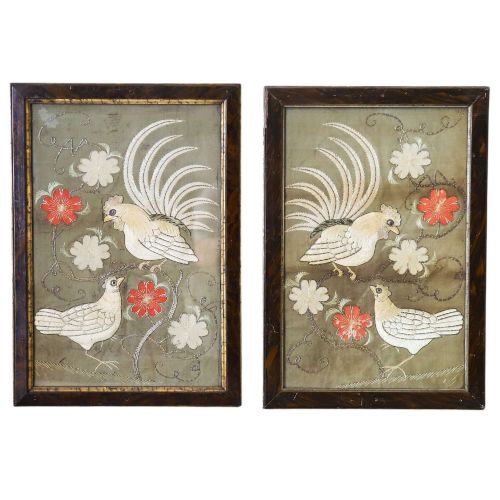
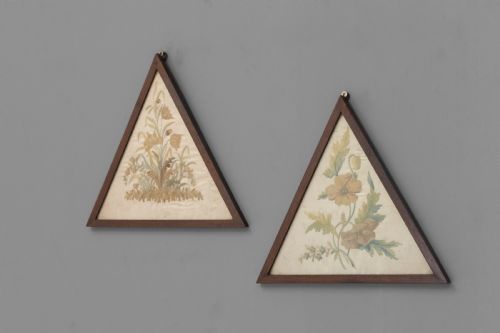
An antique embroidery pair brings balanced symmetry to a wall, offering matched textile artistry from the eighteenth and nineteenth centuries.
Antique Embroidery Pair
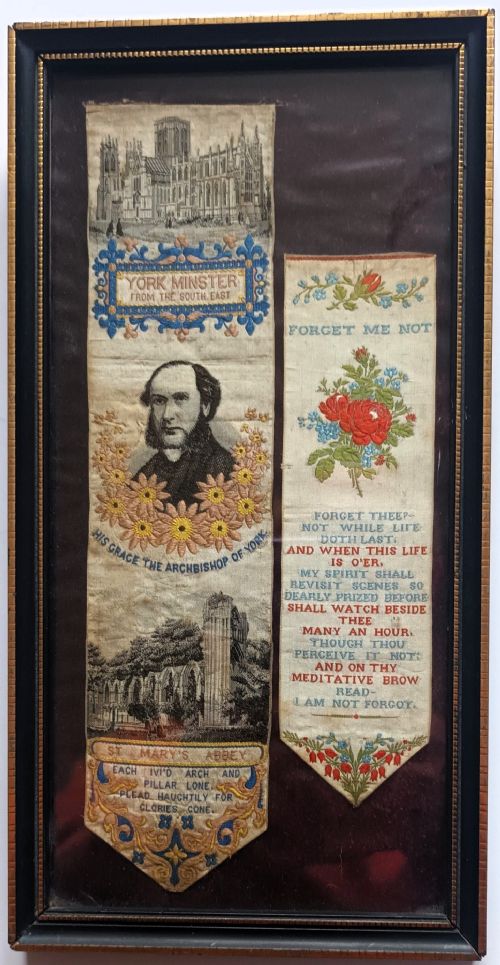
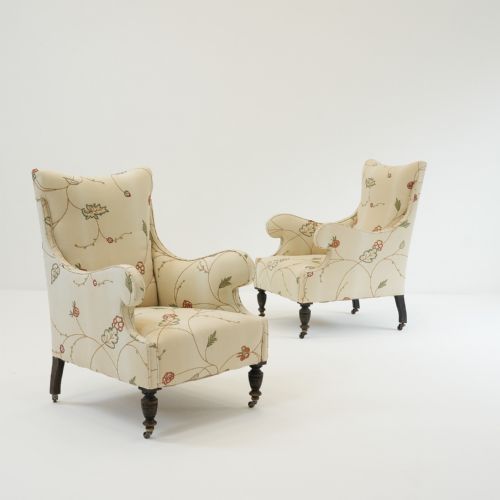
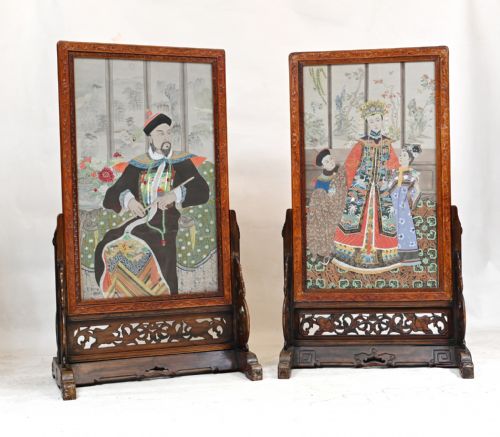
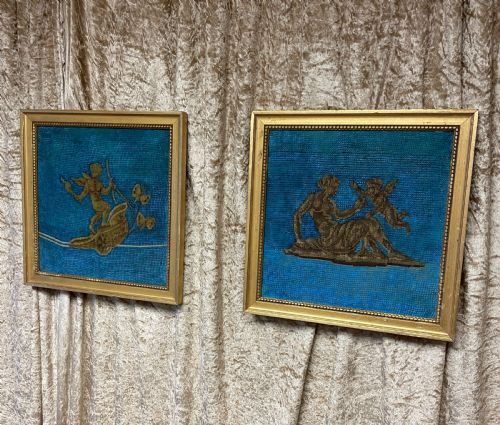
These pieces encompass matched sets of needlework pictures, silk embroideries, tapestry fire screens, crewelwork armchairs, and woven silk panels. The selection spans 18th Century, Georgian, Regency, and Victorian periods, alongside Chinese Qing Dynasty examples.
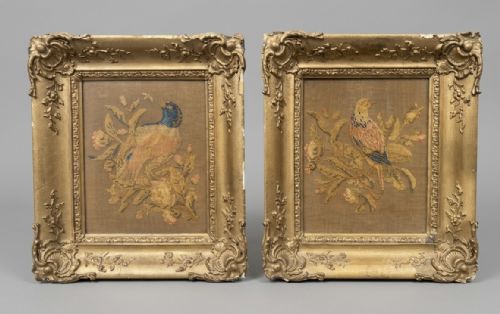
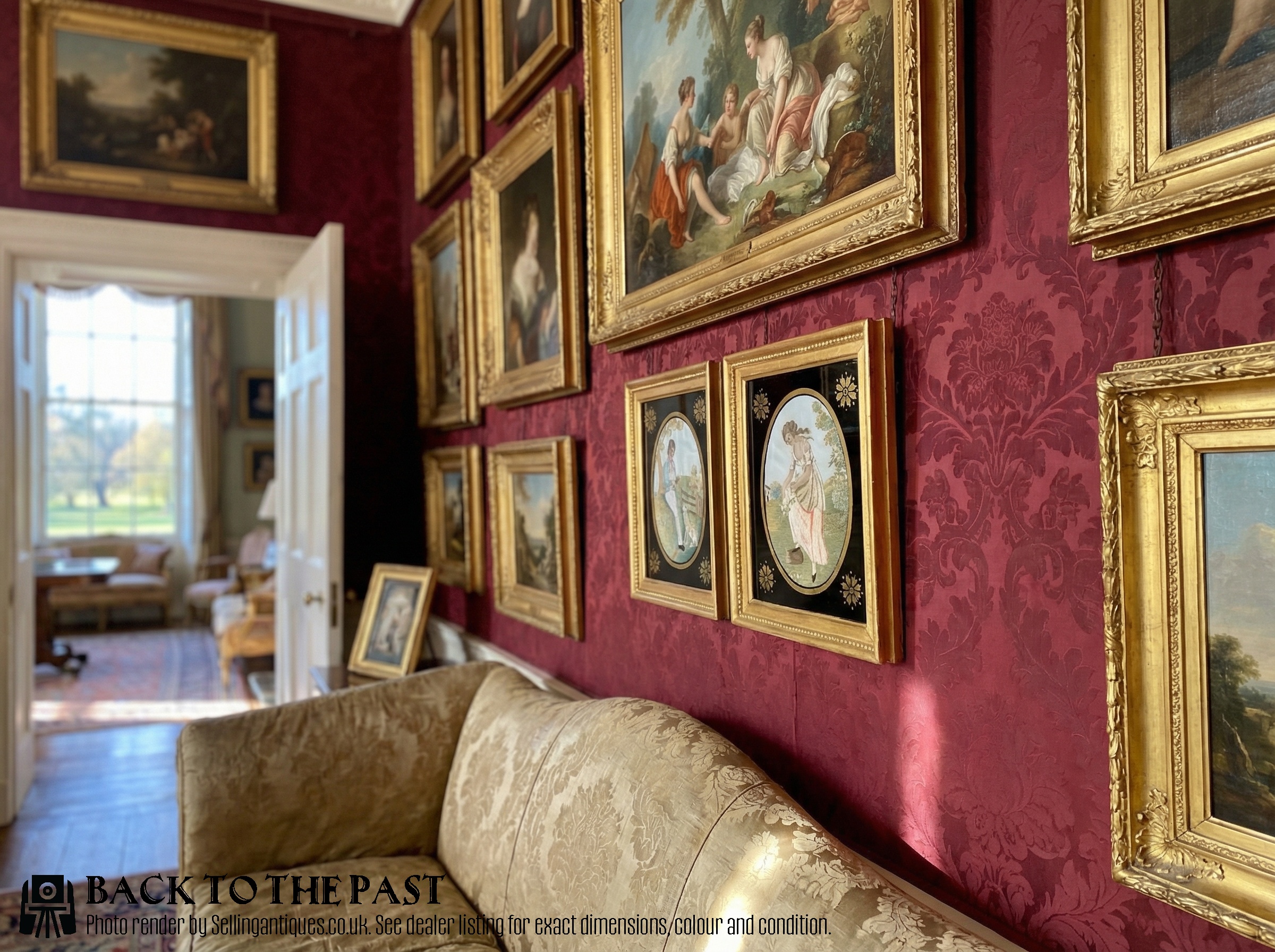
Framed wall art dominates the items found on this page, frequently presented within period gilt wood, faux tortoiseshell, or water gilded oval frames. Buyers encounter everything from silkwork pictures of birds and cockerels to samplers and theatrical scenes.
Materials and construction methods
Silk, wool, and cotton threads form the needlework designs, stitched onto fine silk, canvas, or linen grounds. Artisans worked long stitch, crewelwork, and needlepoint techniques to build layered pictorial compositions.
Frames utilise wood, mahogany, palisander, and giltwood, occasionally incorporating mezzotint black glass. Chinese pieces employ hardwood screens, while English and French examples rely on traditional joinery and water gilding.
Listings feature materials including silk, wool, glass, mahogany, and giltwood across 18th and 19th Century items.
What separates the best examples
Condition of the delicate textile threads and stability of the silk ground distinguish finer examples from worn pieces. Fading, thread loss, and fabric degradation directly impact the visual integrity of older needlework.
The survival of original frames, such as water gilded wood or specific faux tortoiseshell surrounds, elevates the piece. Matching symmetry and crisp execution in the stitching indicate superior workshop output.
Stevens of Coventry
The Antique Embroidery Pair Glossary
- Crewelwork
- Embroidery executed in wool onto a sturdy fabric ground, commonly seen on period armchairs and wall panels.
- Long stitch
- A needlework technique using straight stitches of varying lengths to create pictorial scenes with smooth colour blending.
- Palisander
- A dense, dark exotic timber utilised for furniture frames and fire screens during the Regency period.
- Mezzotint glass
- Dark glass borders used in picture framing during the Georgian and Regency eras to enhance framed prints and embroideries.
- Water gilding
- A traditional framing technique applying gold leaf over prepared gesso using water as the adhesive, creating a rich matte or burnished finish.
Antique Embroidery Pair: Frequently Asked Questions
How do I hang a pair?
Hang the two pieces at eye level with consistent spacing between them to maintain balanced symmetry on the wall.
Ensure they avoid direct sunlight to protect the fragile silk and wool threads from fading over time.
Were these made for display?
Most framed needlework pictures and fire screens were created strictly for interior ornamentation in formal rooms.
Crewelwork armchairs combined decorative textile art with practical seating for wealthy households.
How are Regency pieces identified?
Regency examples often feature refined classical motifs, palisander frames, or specific silkwork picture subjects.
They sit chronologically between Georgian and Victorian items, showing distinct framing styles like black glass borders.
Can framed textiles be cleaned?
Professional textile conservators handle cleaning if dust or grime accumulates beneath the glass.
Opening the original frames risks damaging the fragile historic fabric and letting in destructive environmental particles.