


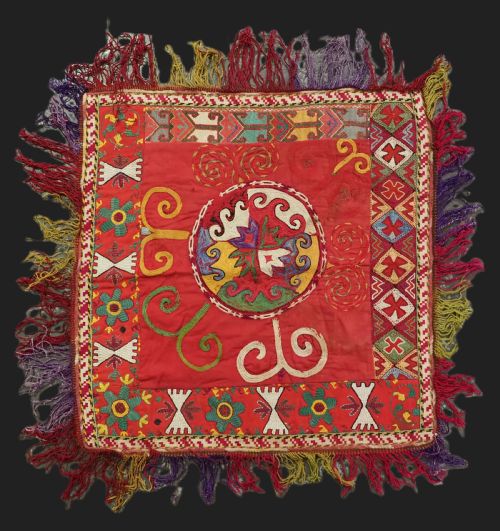

Framed Tapestry Panel
Framed tapestry panel brings together centuries of textile art, offering needlework pictures and woven wall hangings ready to display.
Framed Tapestry Panel
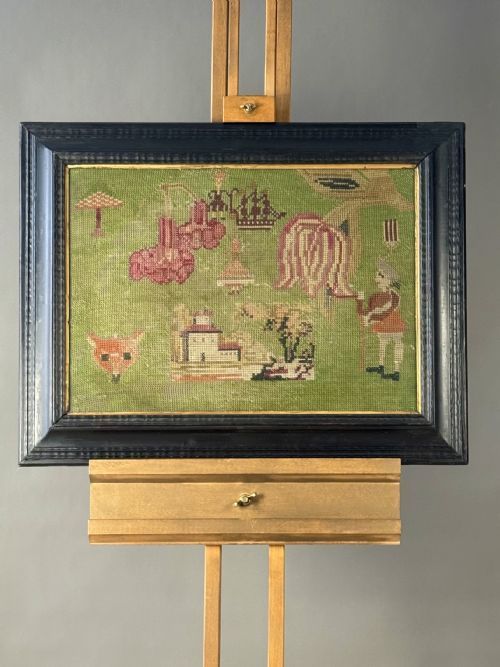
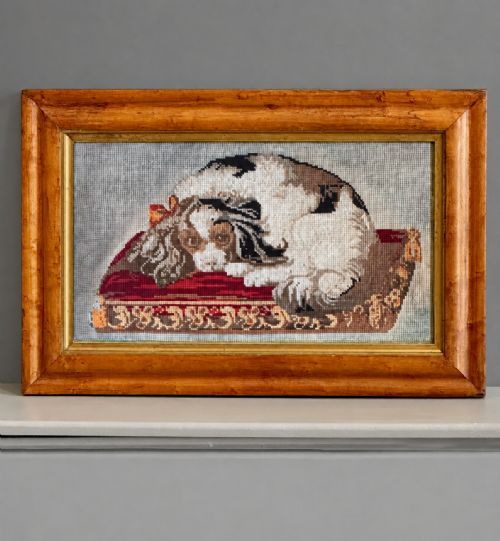
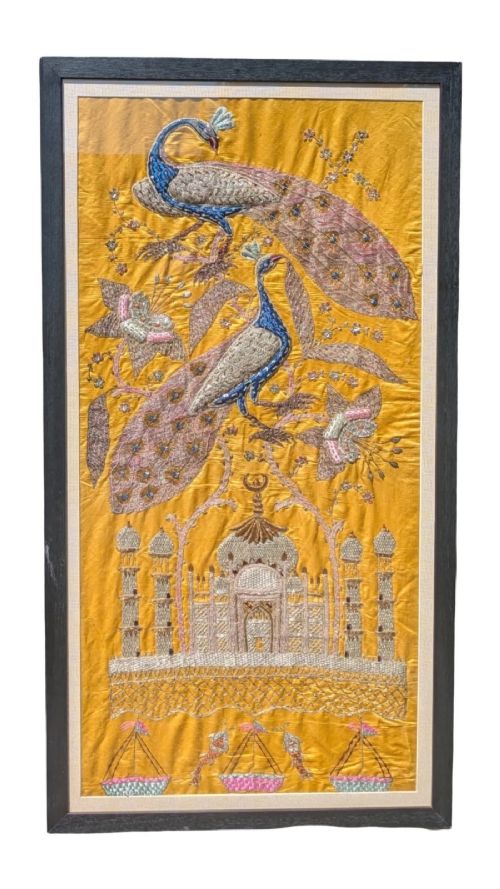
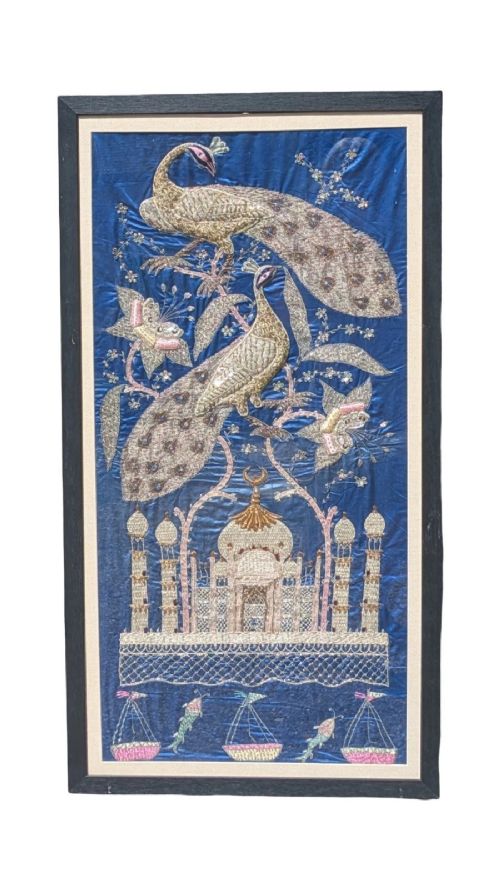
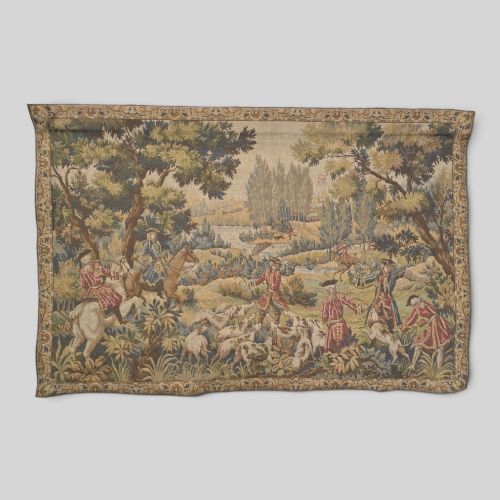
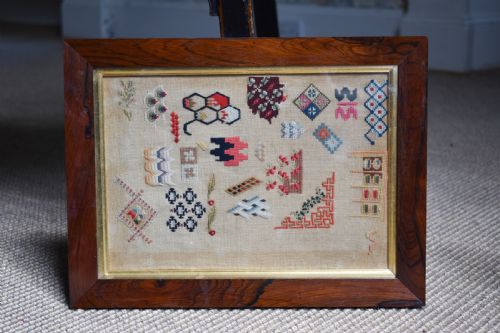
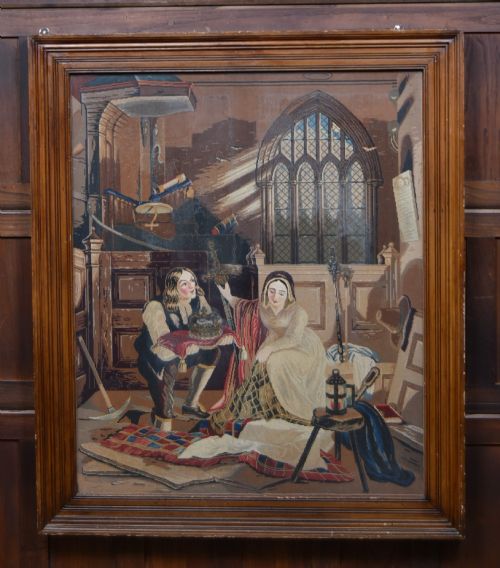
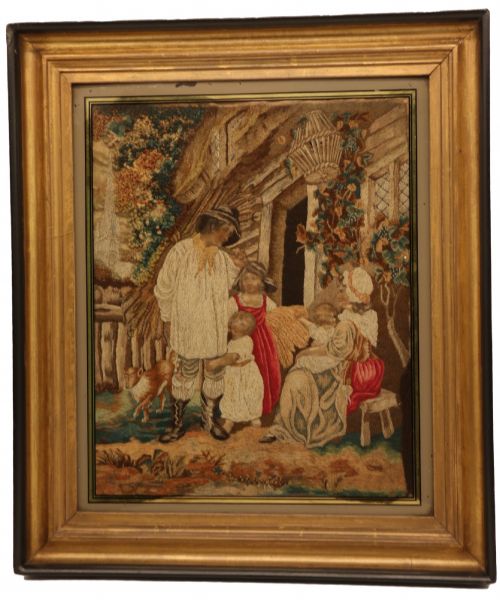
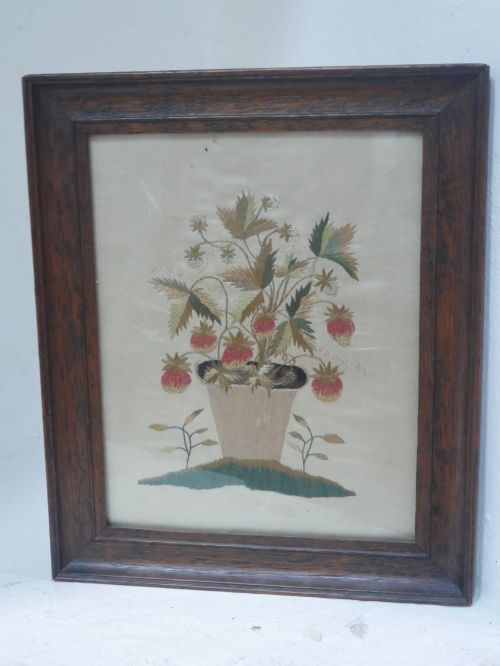
A framed tapestry panel is a textile work mounted behind glass or set into a timber frame for interior display, spanning centuries of domestic and professional needlework. You encounter needlework pictures, samplers, crewelwork, and woven fragments preserved from the seventeenth, eighteenth, and nineteenth centuries. These pieces function as wall art, capturing pastoral scenes, floral motifs, portraits, and mythological subjects created across Europe, Asia, and Britain.
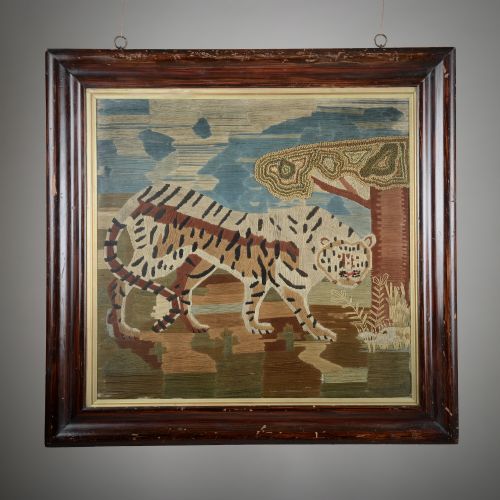
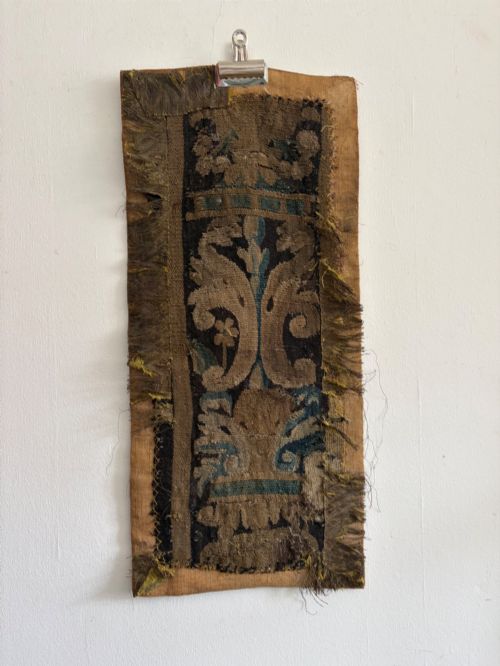
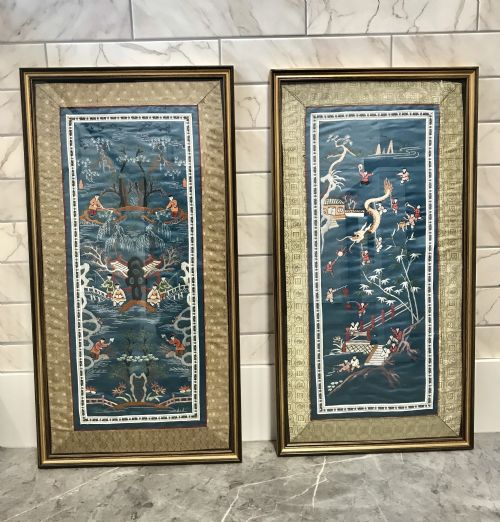
The nineteenth century provides the majority of surviving examples on this page, including Berlin work depicting animals or figures and detailed silk embroideries. Earlier seventeenth and eighteenth-century pieces appear as verdure fragments, stumpwork, or classical panels mounted to linen or canvas. Chinese silk embroideries and Uzbek dowry pieces also feature among the global textile works adapted for Western framing.
Materials and technique
Makers utilised a ground of linen, cotton, canvas, or silk to stitch designs using wool, silk, and metallic threads. Needlepoint, gros-point, crewelwork, and hand-sewn embroidery form the primary techniques, relying on coloured threads to build pictorial depth.
Framing preserves these delicate textiles, often enclosing them in period wood enclosures such as burr maple or gilt moulding, sometimes behind protective glass.
Framed Tapestry Panel Retail Price Guide 2026
Typical asking prices for framed tapestry panel among the pieces listed under this phrase on Sellingantiques today, from the lower quarter to the upper quarter. They describe what is for sale here now, not the wider market.
Jane Wettmore stitched her name into the historical record in 1847, leaving a sampler that outlived her.
What varies in quality
Quality rests on the fineness of the stitching and the complexity of the design, distinguishing hurried domestic samplers from professional atelier work. The condition of the textile, the vibrancy of the surviving silk or wool threads, and the integrity of the ground fabric dictate the visual strength of the panel.
The housing matters equally, with original period frames such as burr maple or carved gilt moulding elevating the historical context of the textile inside.
The Framed Tapestry Panel Glossary
- Berlin work
- A type of coloured needlepoint embroidery popular in the nineteenth century, worked from printed squared paper charts using wool on canvas.
- Crewelwork
- Embroidery executed in wool onto a linen or cotton twill ground, traditionally associated with English domestic interiors from the seventeenth century onward.
- Verdure tapestry
- A woven wall hanging depicting a landscape dominated by foliage, trees, and often animals, frequently seen in fragmented form.
- Sampler
- A piece of needlework produced to demonstrate a maker's skill with various stitches and alphabets, often dated and signed.
- Gros-point
- A coarse needlepoint stitch executed on canvas, used to create durable backgrounds and bold foreground details in tapestries.
Framed Tapestry Panel: Frequently Asked Questions
How do I hang a framed tapestry panel?
These pieces require secure wall fixings suited to their weight and the sturdiness of their timber frame. Position them away from direct sunlight to protect silk and wool threads from fading over time.
Ensure the room maintains stable humidity levels to prevent damage to the historic textiles and wooden surrounds.
Are these panels authentic antiques?
The inventory spans the seventeenth, eighteenth, and nineteenth centuries, alongside early twentieth-century examples and revival styles. Materials, stitching techniques, and framing styles help establish the period of each textile.
Archival pieces and listed works indicate construction methods consistent with their stated eras.
What is the difference between needlework and weaving?
Weaving creates fabric on a loom by interlacing warp and weft threads together as one structural process. Needlework applies thread to an already existing woven ground fabric using a needle.
Both methods produce wall hangings, but their structural creation requires entirely different tools and artisan techniques.
How do I clean an antique textile panel?
Professional textile conservators should handle any deep cleaning or restoration to prevent structural damage to fragile fibres. Dust the glass and frame gently with a dry cloth without touching the exposed textile.
Avoid using water, chemical cleaners, or vacuums directly on the embroidered or woven surface.