


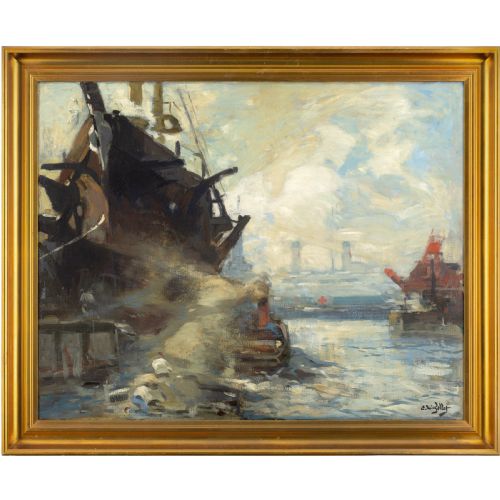
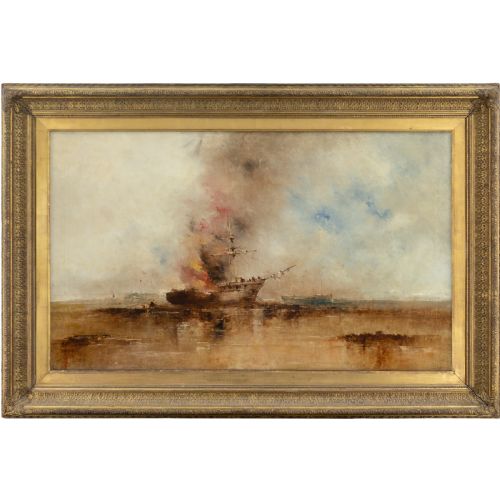
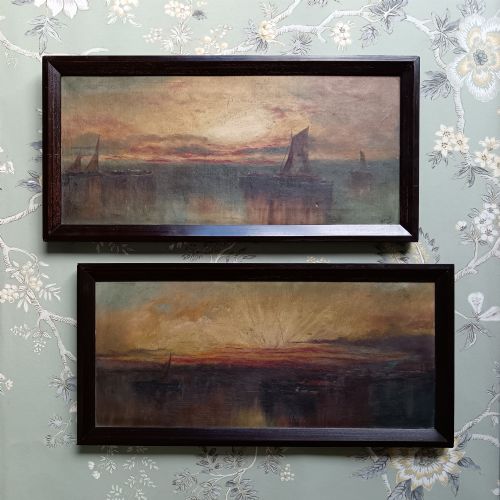
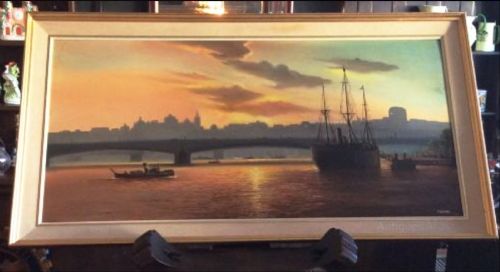
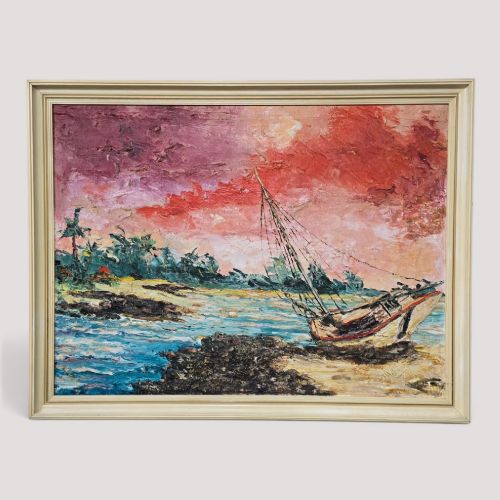
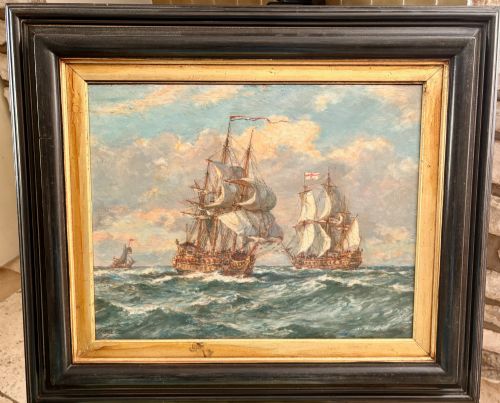
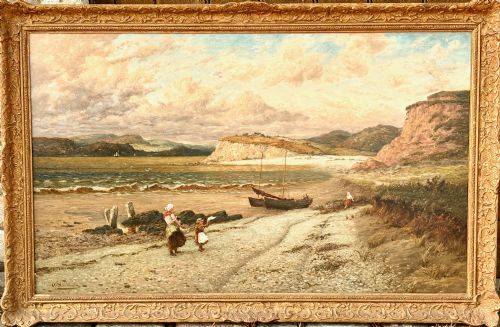
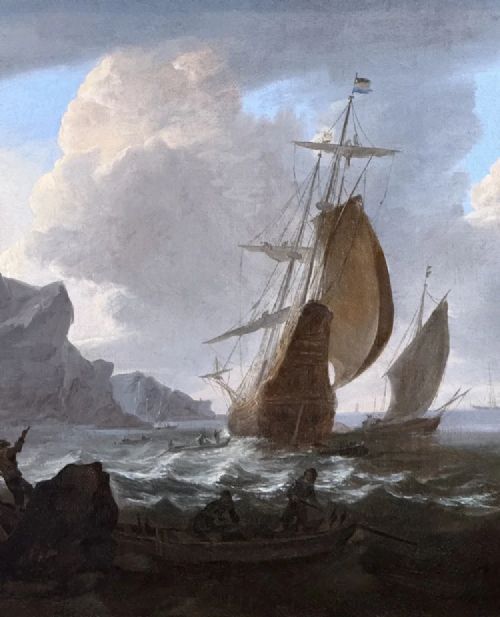
Framed Seascape Canvas Painting
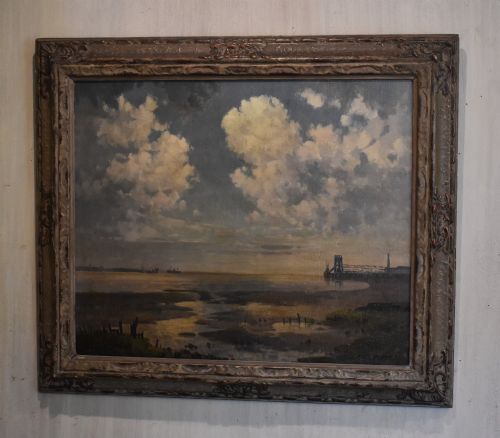
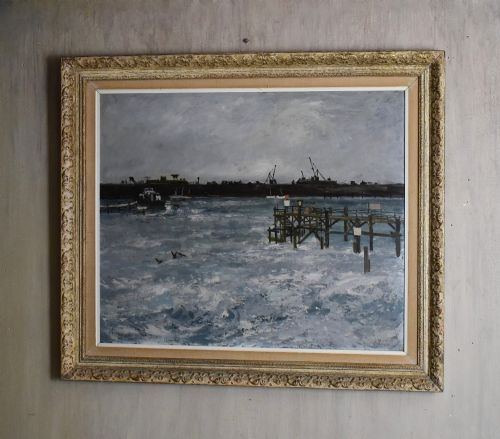
When you want a framed seascape canvas painting, you are looking at coastal views and maritime scenes brought to life in oil.
Framed Seascape Canvas Painting
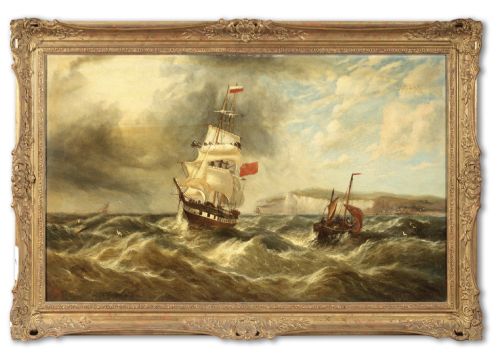
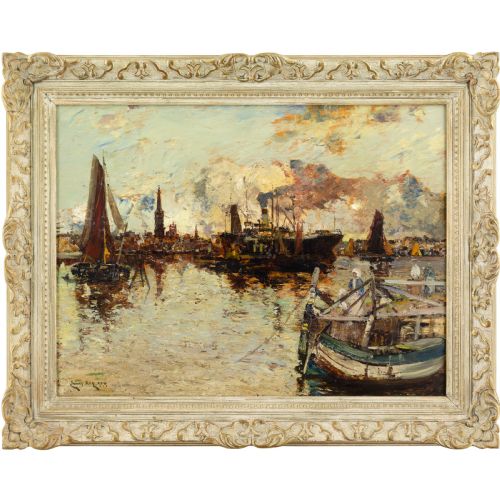
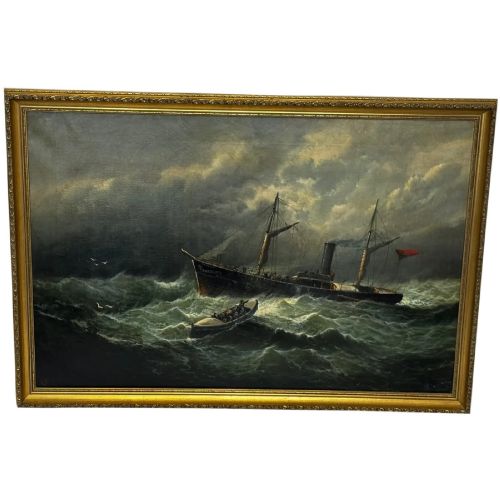
A framed seascape canvas painting captures water, ships and shorelines through oil paint applied to woven fabric. You will find works spanning from the nineteenth century into the mid-twentieth century, showing calm harbours, merchant vessels and stormy seas.
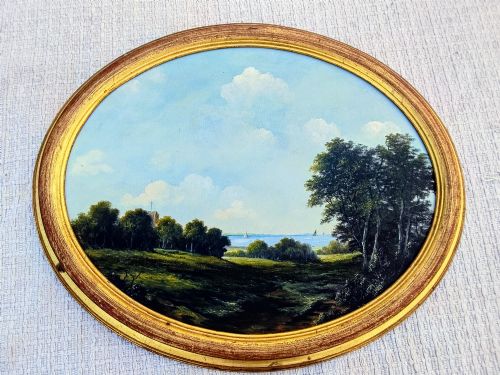
The format ranges from intimate oval views to large panoramic compositions of places such as Venice, the Thames and various coastal bays. Many retain their original or period frames, which complete the presentation of the artwork.
Victorian and Edwardian examples sit alongside later mid-century interpretations, offering varying approaches to light, atmosphere and maritime subjects. These paintings record changing historical interactions with the sea, from commercial shipping to recreational coastal scenes.
Materials and Techniques
These works rely on oil paint spread across stretched canvas, utilising the texture of the fabric to hold pigment and build up surface depth. Artists layered oil colours to render translucent water, shifting skies and the heavy surfaces of wooden sailing vessels.
Surrounding the canvas, the frames are typically constructed from wood and finished with gilt or giltwood to enhance the visual impact of the painting. Moulded decorative elements on these frames reflect the design preferences of their respective periods.
Listings feature oil paintings on canvas spanning the nineteenth century, Edwardian era, and mid-twentieth century.
Assessing Quality
Quality rests in the handling of light and atmospheric movement across the water, where skilled brushwork distinguishes a convincing maritime expanse from a rigid composition. The articulation of shipping anatomy and coastal topography reveals the painter's direct observation.
The harmony between the canvas and its housing matters greatly, as period frames designed specifically for the artwork maintain the integrity of the piece. Superior examples demonstrate confidence in colour mixing and spatial depth, whether depicting a calm evening or a gale.
Clifford Hanney·Eugène-Louis Gillot·William McAlpine·James Kay·John Rose Miles·William Broome·Bernard Gribble·Bonaventura Peeters·Clive Browne·Peter Brannan·Francis Moltino·Bernard Benedict Hemy·Thomas Creswick·Willem Bos·Charles Euphraisie Kuasseg·John Wilson Carmichael·Lai Fong·Thomas Hodgson Liddell·William Henry Williamson·Erich Mercker·Nicholas Condy·Joseph Farquharson
The Framed Seascape Canvas Painting Glossary
- Canvas
- A heavy woven fabric stretched across a wooden frame to act as a stable surface for oil painting.
- Giltwood
- Wood that has been coated with a thin layer of gold leaf or gilt finish, commonly seen on period picture frames.
- Maritime Art
- Artistic works that depict or draw primary inspiration from the sea, ships and coastal views.
- Oil Paint
- A slow-drying paint made by mixing pigments with a drying oil, allowing for subtle blending and textured application.
- Post-Impressionism
- An art movement extending beyond Impressionism that favoured more expressive forms and symbolic use of colour.
Framed Seascape Canvas Painting: Frequently Asked Questions
What is a seascape painting?
A seascape painting is an artwork that focuses primarily on the sea, oceans, coastlines, or maritime scenes such as ships and harbours. These works use oil on canvas to capture the movement of waves and the quality of coastal light.
Historically, artists recorded commercial shipping, naval battles, and quiet fishing boats, providing a visual record of maritime life across different centuries.
How do I date an old oil painting?
Dating an oil painting involves looking at the style of the brushwork, the subject matter, the construction of the canvas stretcher, and any signatures or inscriptions on the reverse. Period frames can also offer clues, though they are sometimes replaced.
Examining the materials used for the canvas and the pigments can further help narrow down the period of creation to the nineteenth or twentieth century.
How should I care for an oil painting on canvas?
Keep canvas paintings away from direct sunlight and steady sources of extreme heat to prevent the oil paint and canvas from drying out or cracking. Maintaining a stable room temperature helps preserve both the fabric and the wooden stretcher.
Dust the surface very gently with a soft, dry brush when necessary, avoiding water or cleaning solutions which can permanently damage the paint layer.
Why are some seascapes painted in an oval format?
Oval canvases and frames became popular during specific periods, such as the Victorian era, to soften the hard corners of traditional rectangular wall art. This shape draws the eye toward the centre of the composition.
Artists often chose oval formats for intimate portraits or contained coastal views, where the curved boundary enhanced the sense of looking through a porthole or lens.