
Framed Scottish Artwork
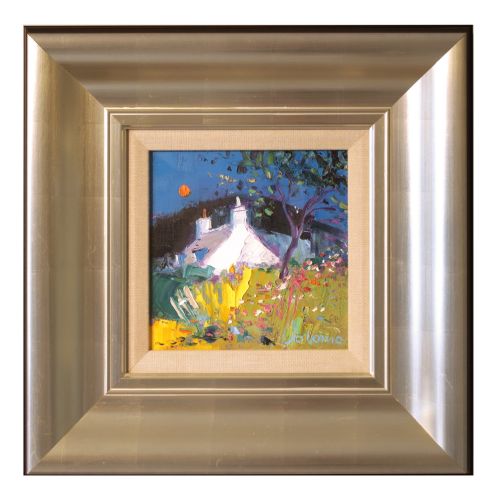
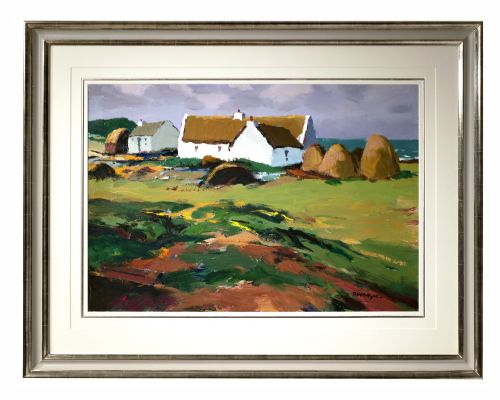
Framed scottish artwork brings the rugged light and character of northern landscapes and portraits into your home through enduring oil and watercolour mediums.
Framed Scottish Artwork
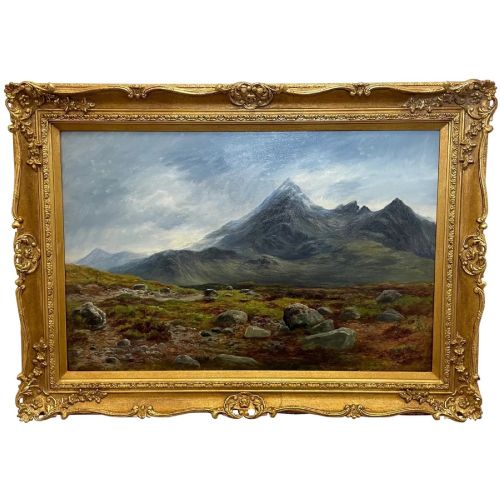
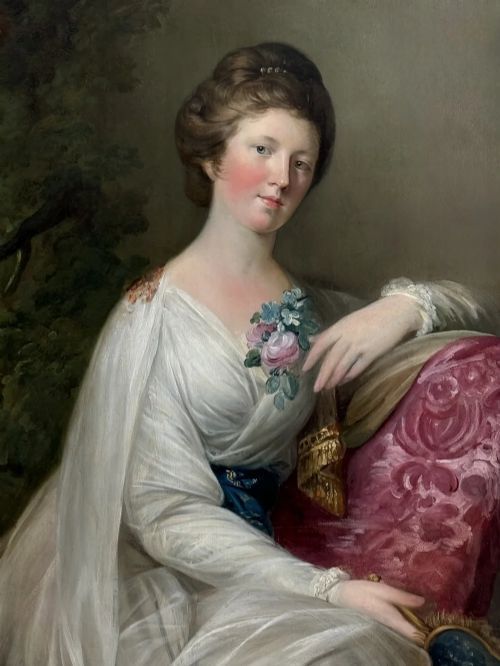
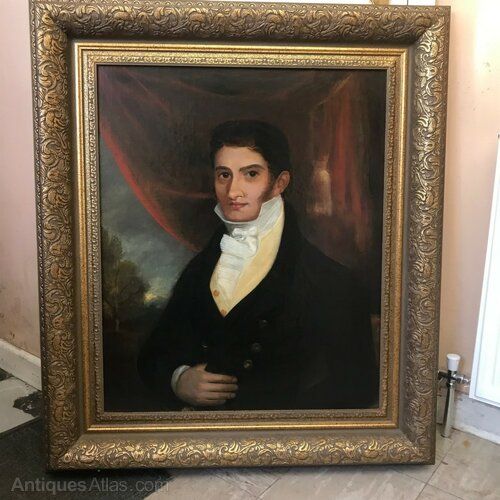
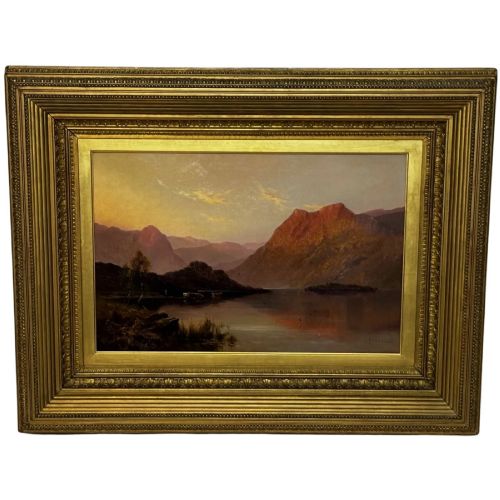
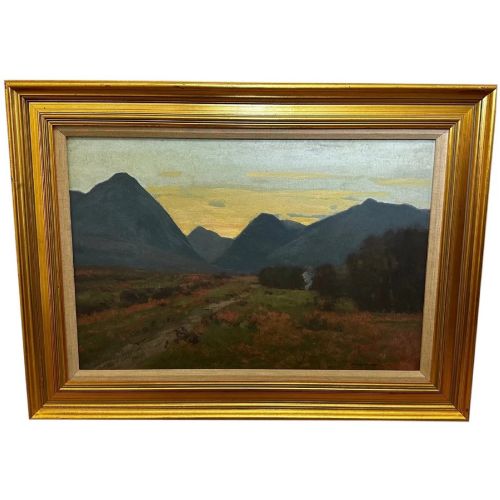
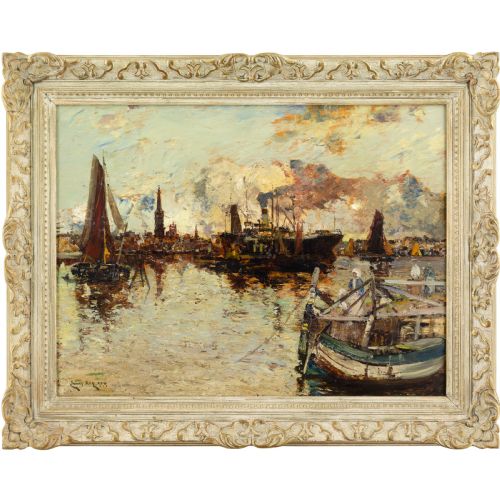
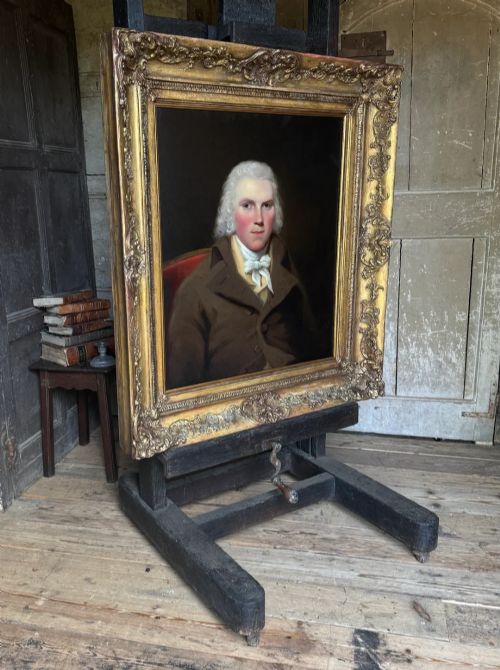
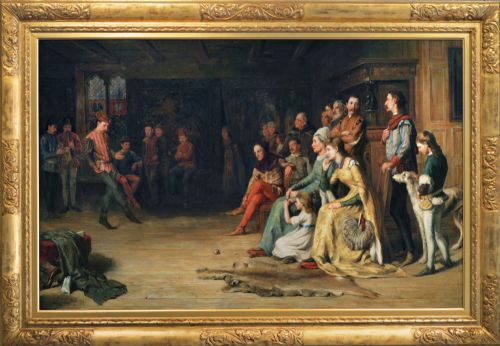
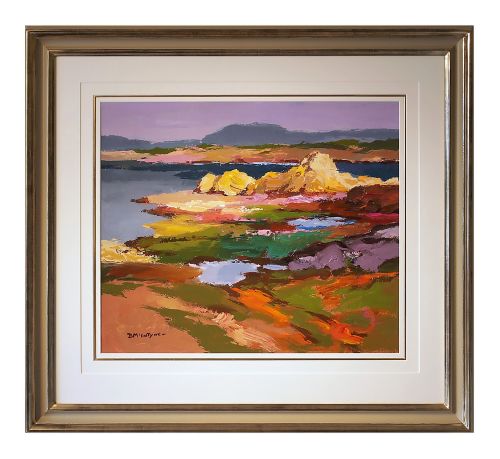
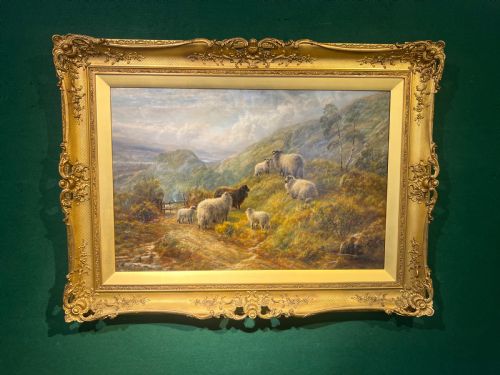
Framed scottish artwork spans expansive highland scenes, coastal vistas, and formal portraiture executed by artists working across the eighteenth, nineteenth, and twentieth centuries. Landscapes featuring lochs, cattle, and sheep dominate the selection, alongside genre scenes and historical watercolours.
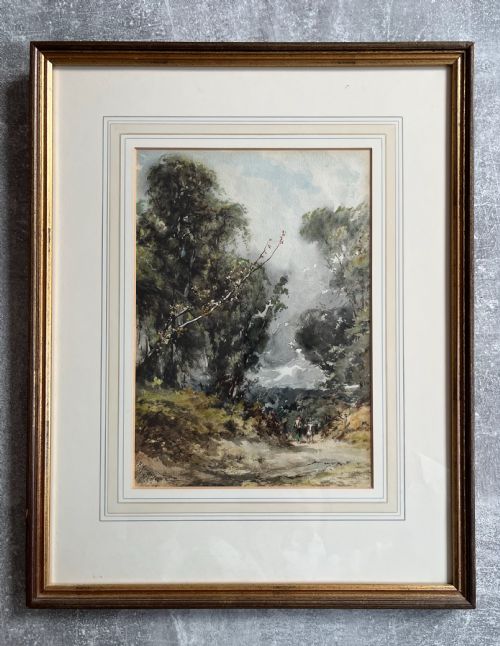
Buyers frequently encounter nineteenth-century watercolours and oil paintings encased in period frames, representing both named academic painters and regional schools. These pieces capture distinct shifts in northern artistic expression from romantic realism to early impressionism.
The collection ranges from intimate miniature portraits to large canvas compositions, preserving the social and geographical history of Scotland. Each piece relies on its original or period framing to maintain its historical integrity.
Materials and construction methods
Artists relied primarily on oil paint applied to canvas or wood boards, alongside detailed watercolours on paper. These traditional mediums were supported by heavier varnishes and pigments designed to capture the deep tones of northern light.
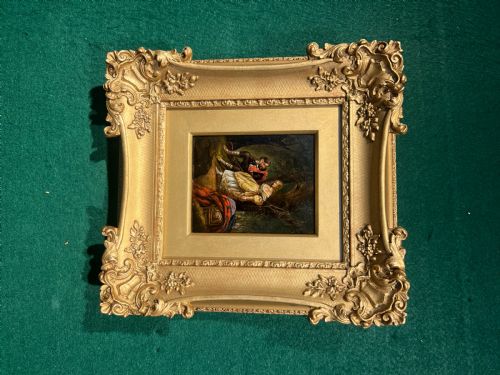
Framing utilised carved wood, gesso, and giltwood to create ornate borders that protected the delicate paint or paper surfaces. Gilt frames from the Victorian and Edwardian eras often incorporated intricate plaster ornamentation beneath gold leaf.
Framed Scottish Artwork Retail Price Guide 2026
Typical asking prices for framed scottish artwork among the pieces listed under this phrase on Sellingantiques today, from the lower quarter to the upper quarter. They describe what is for sale here now, not the wider market.
Several highland scenes meticulously record the exact breed and posture of resting sheep, proving that Victorian artists took local wool-bearing wildlife very seriously indeed.
Factors determining quality
Quality rests upon the artist's command of light, atmosphere, and brushwork, distinguishing master compositions from routine topographical records. Superior examples demonstrate confident handling of texture, particularly in the rendering of highland weather, water, and animal coats.
The relationship between the artwork and its original frame dictates overall integrity, as period-matching giltwood and gesso enhance the historical context. Greater visual depth and well-preserved pigment layers elevate pieces above standard regional output.
William Beattie Brown·George Fotherly Hargitt·Thomas Miles Richardson·William Henry Earp·George Willison·James Kay·Donald McIntyre·John Lowrie Morrison·Robert Watson·William Watson Jnr·Charles James McCall·Robert Cleminson·Charles Leslie·John Moxon·Archibald Kay·Henry Robinson Hall
The Framed Scottish Artwork Glossary
- Giltwood
- Wood carved and coated with gold leaf or gold paint. This finish frequently defines the ornate frames associated with nineteenth-century paintings.
- Gesso
- A plaster-like mixture applied to wood frames to create a smooth surface for gilding. It allows for intricate moulded details and relief decoration.
- Watercolour
- A paint consisting of water-soluble pigments used on paper. It requires protective glass framing to prevent moisture damage over time.
- Impressionism
- A style of painting emphasising spontaneous brushstrokes and the shifting qualities of light. Scottish practitioners adapted these techniques to capture northern landscapes.
- Provenance
- The documented history of ownership surrounding an artwork. It establishes authenticity and traces the lineage of portraits and landscapes.
Framed Scottish Artwork: Frequently Asked Questions
How do I care for antique oil paintings?
Keep oil paintings away from direct sunlight and fluctuating temperatures to prevent the canvas from cracking and the varnish from yellowing. Dust the surface gently with a soft, dry brush without applying pressure.
Avoid using liquid cleaners or water on the exposed paint or the giltwood frame. Professional conservation should be sought for any deep cleaning or canvas tightening.
Are these watercolours originals?
The watercolours listed are original hand-painted works on paper rather than modern mechanical reproductions. Artists applied pigment directly by hand, often signing and dating the sheets.
Framed behind glass, these works require careful placement away from damp environments to protect the paper substrate from foxing and discolouration.
How do I identify a period frame?
Period frames often display hand-carved wooden construction layered with traditional gesso and gold leaf rather than modern synthetic moulding. Close inspection reveals minor age-related wear, shrinkage cracks in the plaster, and patination.
Matching the framing style to the artist's active period helps confirm whether the pairing is original or a later replacement.
Where should I hang a large highland landscape?
Position large landscapes on substantial walls with stable environmental conditions, avoiding damp external walls or direct heat sources. Adequate hanging wire secured to structural studs is essential due to the combined weight of canvas, wood stretcher, and heavy gilt frame.
Pairing the piece with subdued lighting allows the varied tones of the oil paint and the texture of the gesso frame to read clearly.