


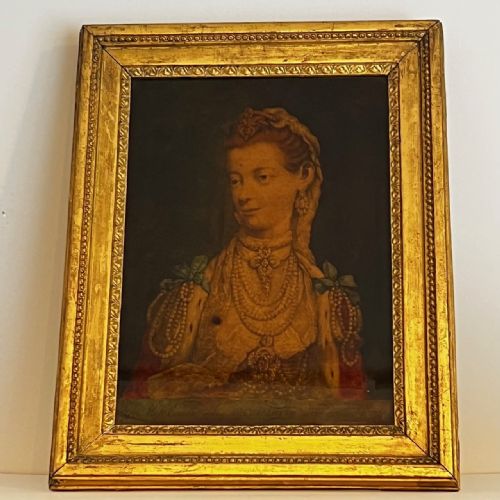


Framed Royal Portrait Print
A framed royal portrait print brings centuries of monarchy into the room through ink, glass, and timber.
Framed Royal Portrait Print
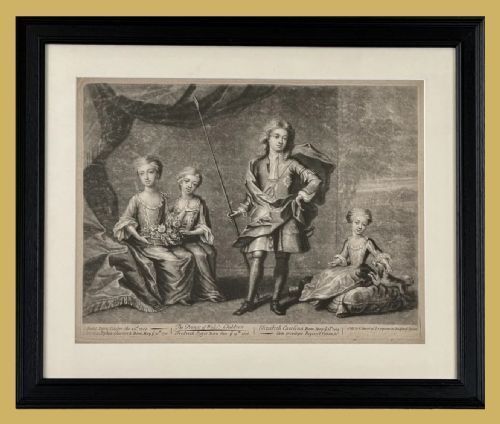
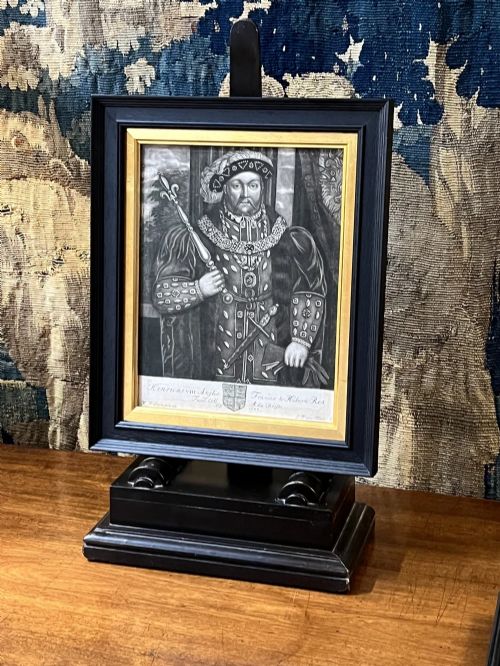
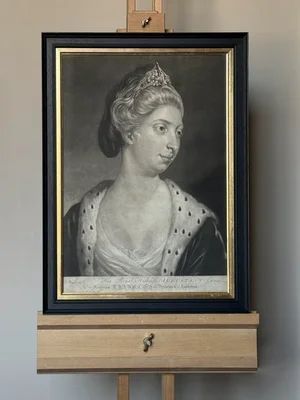
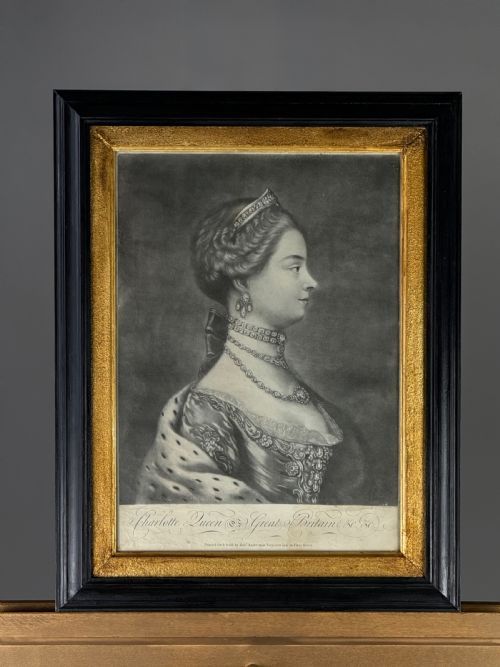
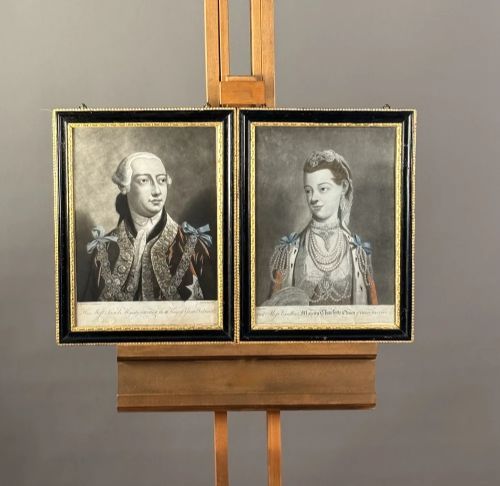
When searching for a framed royal portrait print, you encounter historical likenesses of monarchs and their families preserved behind glass. The most common examples on this page are eighteenth-century mezzotints, alongside nineteenth-century lithographs and Georgian reverse glass prints.
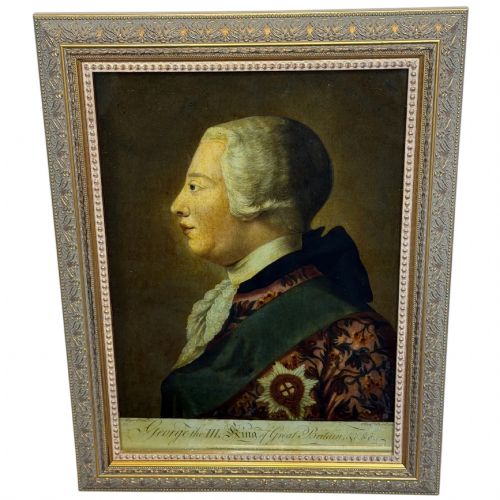
These works span the seventeenth, eighteenth, and nineteenth centuries, capturing figures such as King George III, Queen Charlotte, and earlier sovereigns. They record how royal images were disseminated through printmaking long before the era of mass photography.
Many of these pieces survive in their original enclosures, ranging from simple oak surrounds to elaborate gilded mouldings. They function simultaneously as historical documents and decorative statements for period interiors.
How they were made
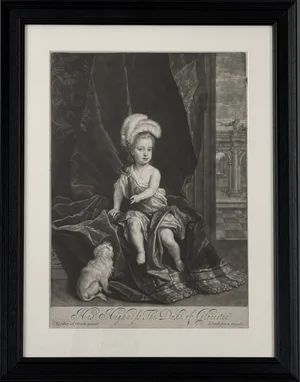
The primary technique behind these works is printmaking, predominantly mezzotint engraving on paper using dark ink. Artisans worked copper plates to achieve subtle gradations of tone, often reproducing paintings by prominent artists of the period.
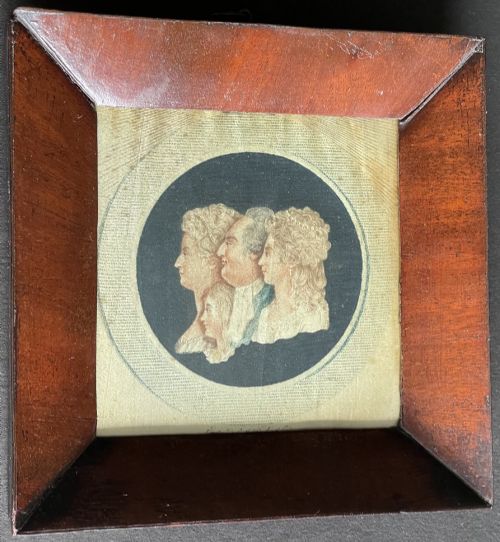
Alternative methods include reverse glass painting and printing, where images were applied directly to the underside of glass panels and finished with oils or metallic leaf. Lithographs and early photographs on card represent later developments in reproduction techniques.
Framing materials rely heavily on traditional timber construction, utilising wood, giltwood, and gold leaf. These original or period frames protect the delicate paper, silk, or glass surfaces from environmental damage.
Several royal children gaze out from eighteenth-century walls, perhaps wondering if anyone remembered to feed the corgis.
What varies in quality
Quality depends significantly on the crispness of the impression and the fidelity of the print to the original painted source. Early mezzotints pulled from freshly worked copper plates exhibit rich tonal depth, whereas worn plates yield muddier results.
The survival and originality of the surrounding frame heavily influence the integrity of the piece. Contemporary or period frames with undisturbed gilding or original wood surfaces elevate the overall standard of the object.
The condition of the underlying paper, silk, or glass determines the longevity and visual clarity of the portrait. Examples free from excessive staining, fading, or cracking preserve the intended detail of the royal likeness.
John Smith·Thomas Murray·John Faber Snr·James McArdell·Thomas Frye
The Framed Royal Portrait Print Glossary
- Mezzotint
- A printmaking process where the copper plate is roughened to produce dark tones and scraped to create highlights. This technique allows for smooth tonal gradations rather than simple lines.
- Reverse glass print
- An image applied directly to the reverse side of a glass sheet for display. Viewers look through the glass to see the protected picture beneath.
- Giltwood
- Timber carved and coated with a thin layer of gold leaf or metallic paint. It provides a bright, reflective border for important portraits.
- Lithograph
- A planographic printing method using stone or metal plates based on the repulsion of oil and water. It became widespread during the nineteenth century for mass illustration.
- Silhouette
- A solid dark profile portrait cut from paper or painted on a surface. These often record the likenesses of military figures or royal retinues.
Framed Royal Portrait Print: Frequently Asked Questions
How do I identify a mezzotint?
A mezzotint displays rich, velvety dark areas and subtle tonal shifts rather than distinct hatching lines. Under magnification, you see a fine network of dots and scraped areas rather than a grid.
Printers achieved these effects by roughening a copper plate with a rocking tool before smoothing out the lighter sections.
What is a reverse glass print?
A reverse glass print involves applying pigment or a transferred print face-down onto a glass panel. The finished image is then viewed through the transparent front of the glass.
This method protects the delicate pigments from dust and air, though the glass itself remains vulnerable to impact and cracking.
Are these frames original?
Many pieces retain their period frames of wood, giltwood, or oak, which match the estimated date of the artwork. Original framing often shows honest signs of age, such as minor gilt loss or shrinkage in the timber joints.
Replacing a period frame with a modern substitute alters the historical context and visual balance of the portrait.
How should I hang these portraits?
Hang these framed works away from direct sunlight to prevent the fading of paper, ink, and watercolours. Stable indoor humidity protects both the wooden frames and the fragile glass or paper components.
Ensure wall fixings match the weight of heavier giltwood or framed glass pieces to secure them safely.