


Framed Royal Portrait Art
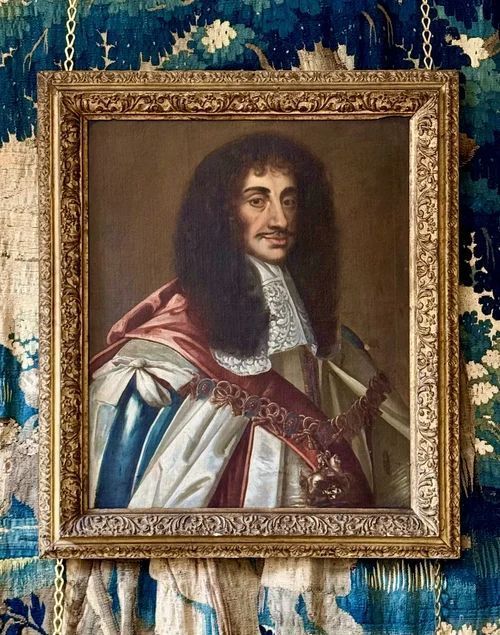
Framed royal portrait art brings centuries of sovereign likenesses and courtly figures directly to the wall.
Framed Royal Portrait Art
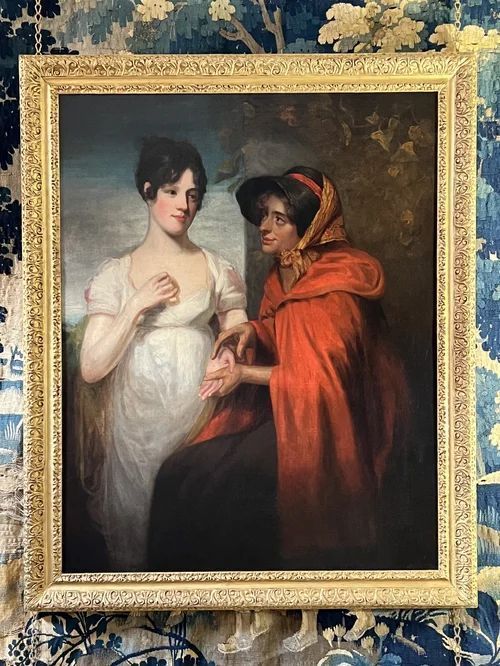
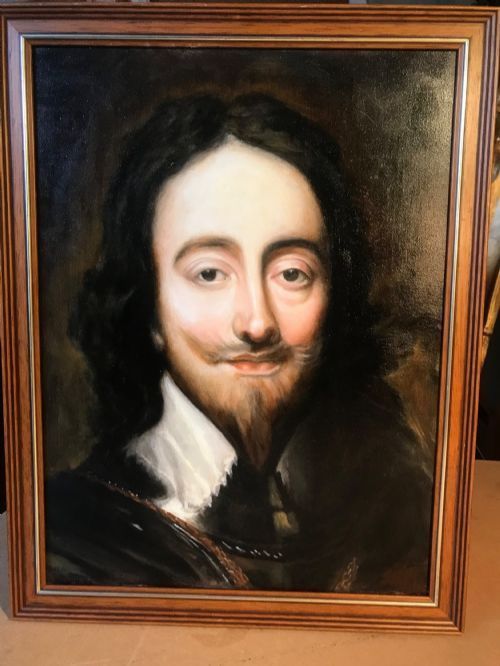
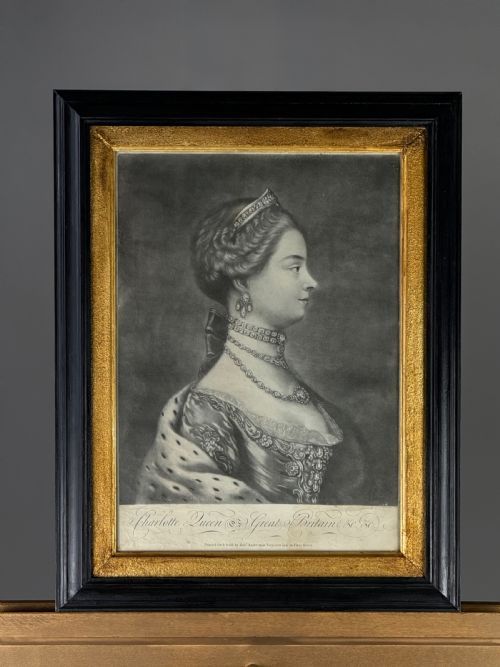
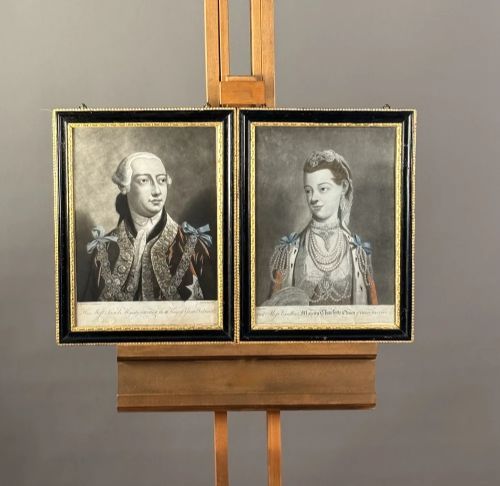
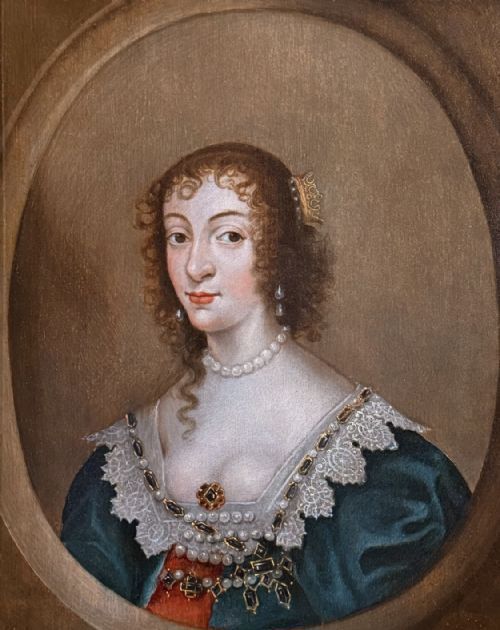
Framed royal portrait art captures monarchs, consorts, and historical figures from the seventeenth century onward. The selection spans grand oil paintings on canvas and panel, detailed enamel miniatures, and early graphic works.
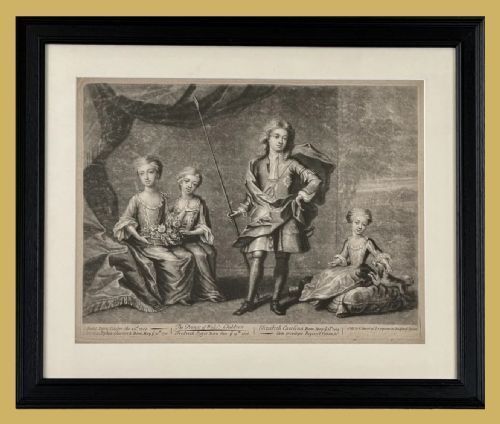
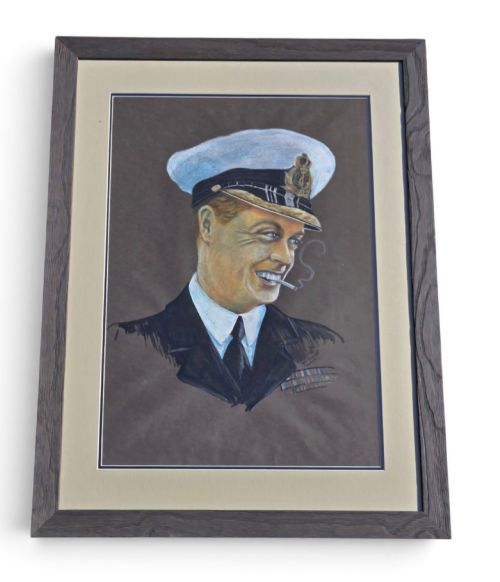
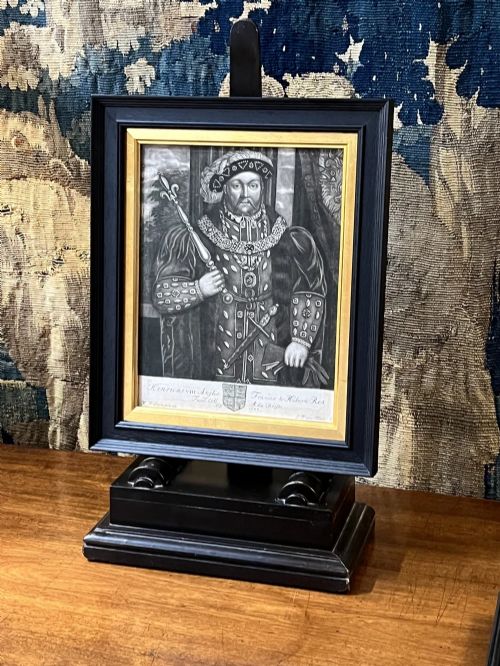
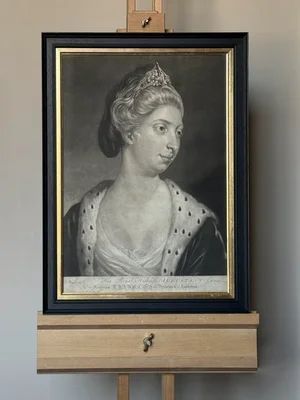
Mezzotints published after prominent painters dominate the earlier selections, alongside twentieth-century pastel sketches and reverse glass prints. Buyers encounter formal coronation imagery, equestrian scenes, and intimate studies of royal children.
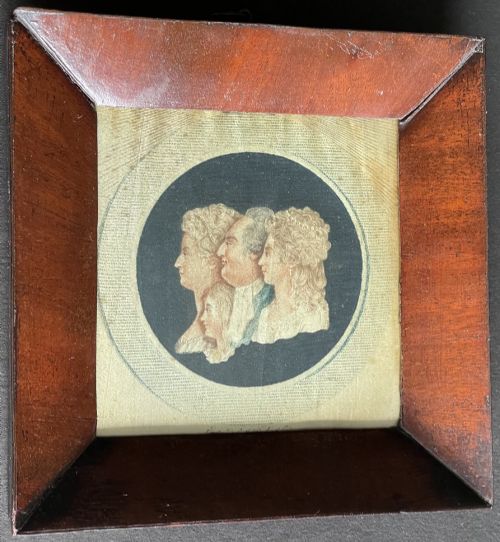
The aesthetic bridges Baroque grandeur, Georgian theatricality, and mid-century British realism. Pieces range from imposing statement works in heavy giltwood frames to smaller domestic prints on silk and paper.
Materials and Construction
Traditional oils utilise rich pigments applied to stretched canvas or wooden panels, often finished with protective varnish layers. Graphic works rely on mezzotint engraving and delicate printmaking techniques on laid paper.
Framing forms an integral part of the physical object, utilising carved wood, gesso, and gold leaf gilding. Glazing protects works on paper, pastel, and gouache from environmental damage.
Listings feature works from the seventeenth century through to the 1960s, executed in oil paint, pastel, watercolour, and print.
Markers of Quality
The distinction between a workshop production and a later copy rests on the fluidity of the brushwork and the precision of the draughtsmanship. Mezzotints vary according to the clarity of the impression and the depth of the tonal gradations.
Original frames bearing contemporary gilding and construction elevate the integrity of the piece. The depth of historical provenance and documented attribution to established engravers or painters further define the standing of a work.
Henry Bone ARA·John Smith·Sir Peter Lely·Richard Purcell·Thomas Frye
The Framed Royal Portrait Art Glossary
- Mezzotint
- A printmaking process of the intaglio family where the plate is roughened to achieve rich dark tones and subtle gradations of light. This technique was widely utilised for reproducing grand oil paintings in the eighteenth century.
- Reverse glass painting
- An art form where the image is painted directly onto the back of a glass panel and viewed from the front. This technique produces vibrant colours and a polished surface finish.
- Enamel portrait
- A miniature painting created by fusing vitreous glass pastes onto a metal base under high heat. Henry Bone specialised in this durable medium.
- Giltwood
- Wood that has been coated with a thin layer of gold leaf or gold paint. Frames executed in this material frequently feature carved decorative motifs.
- Oil on panel
- A painting executed on a wooden board rather than canvas. This stable support was favoured by artists from the seventeenth century and earlier.
Framed Royal Portrait Art: Frequently Asked Questions
How do I care for these portraits?
Keep framed pieces away from direct sunlight to prevent fading on oil pigments and paper works. Maintain stable indoor humidity levels to protect wooden panels and giltwood frames.
Dust delicate surfaces gently with a dry, soft cloth and avoid chemical cleaning agents on the glass or gilt borders.
What periods do these pieces represent?
The selection spans from seventeenth-century Baroque works through Georgian and Victorian eras up to mid-twentieth-century pieces. Each period brings distinct clothing, framing styles, and reproduction techniques.
Earlier centuries favour oil on panel and mezzotint engravings, while later decades introduce pastels and gouache sketches.
Are these original paintings or prints?
The inventory includes both original hand-painted works in oil and pastel alongside period print mediums such as mezzotints and reverse glass prints. Each listing specifies the exact medium used to create the image.
Prints from earlier centuries hold significant historical value as contemporary reproductions of royal sitters.
How were these portraits displayed historically?
Royal portraits hung in state rooms, private galleries, and civic institutions to project authority and lineage. Smaller prints and miniatures served as intimate tokens of loyalty or political allegiance in domestic settings.
Imposing frames were chosen to command attention and complement architectural interiors of the period.