

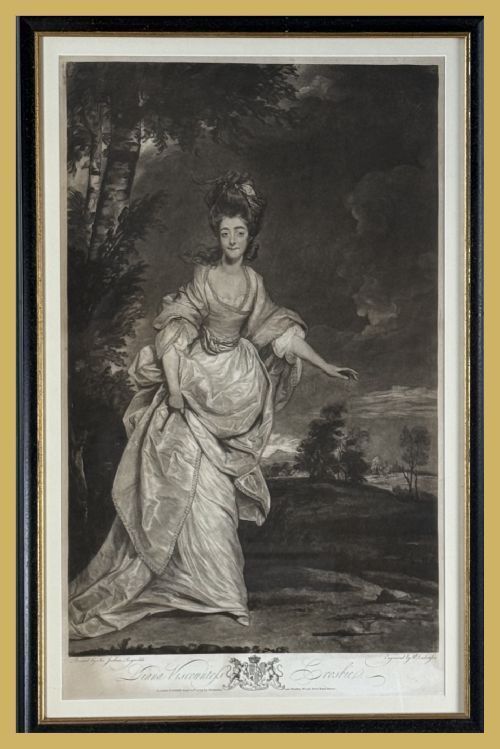
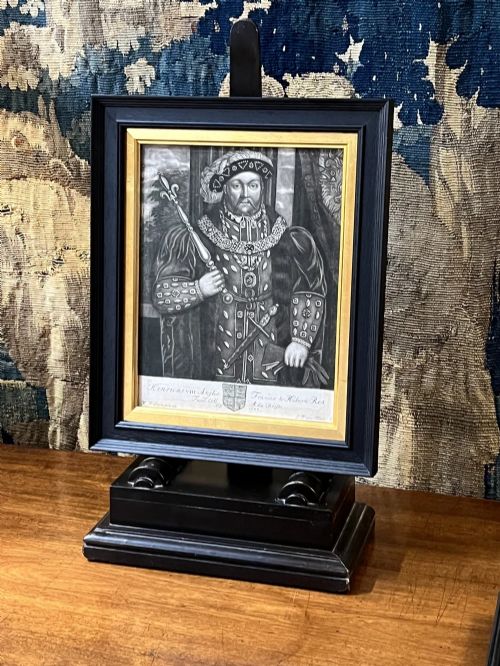
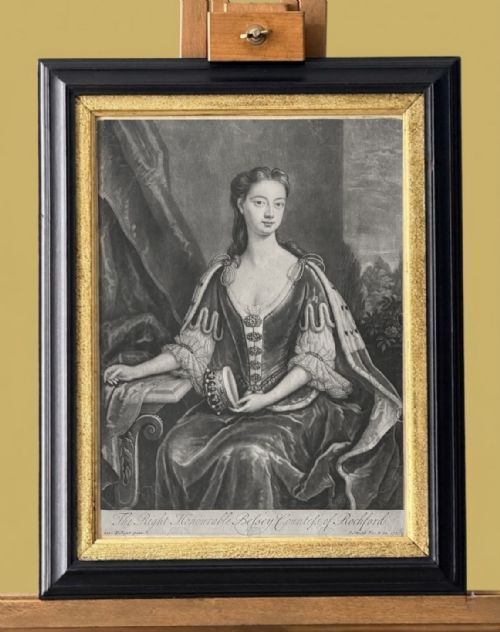
18th Century Mezzotint Portrait
An 18th century mezzotint portrait captures aristocratic elegance through rich tonal depth, offering collectors a direct link to Georgian portraiture.
18th Century Mezzotint Portrait
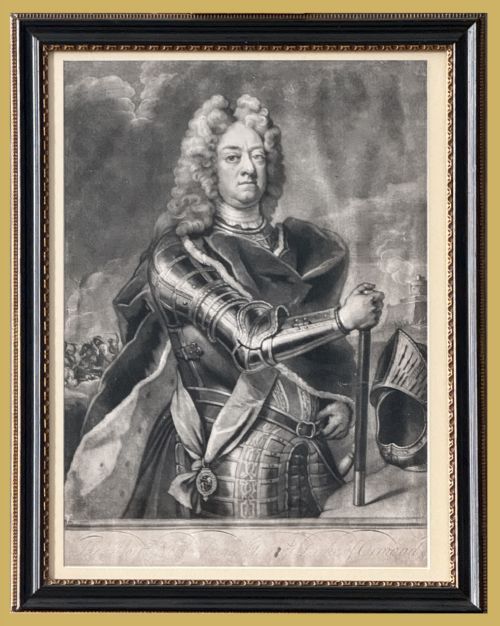
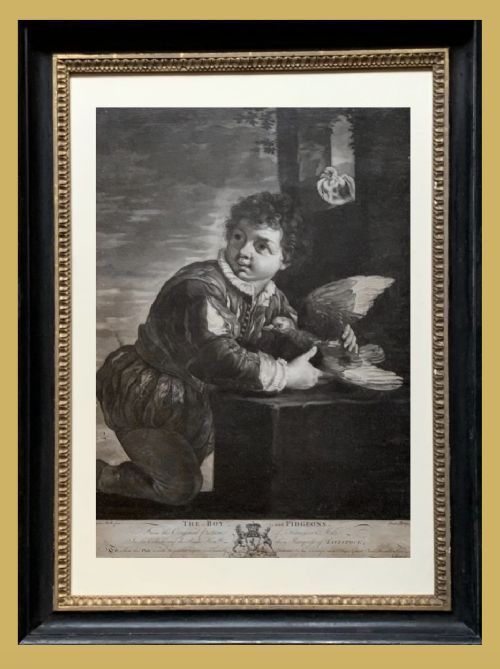
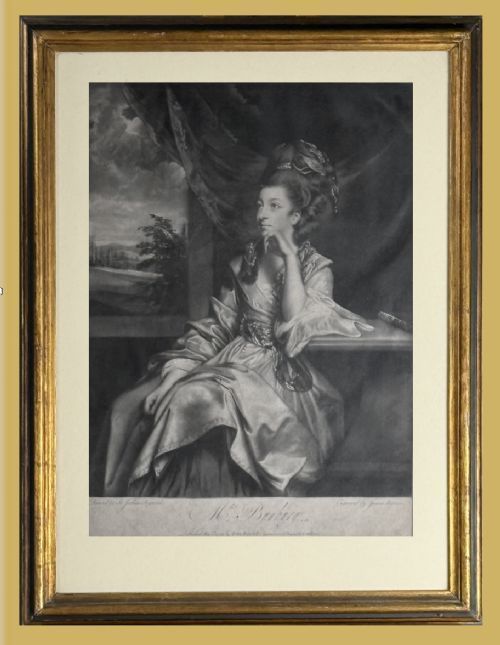
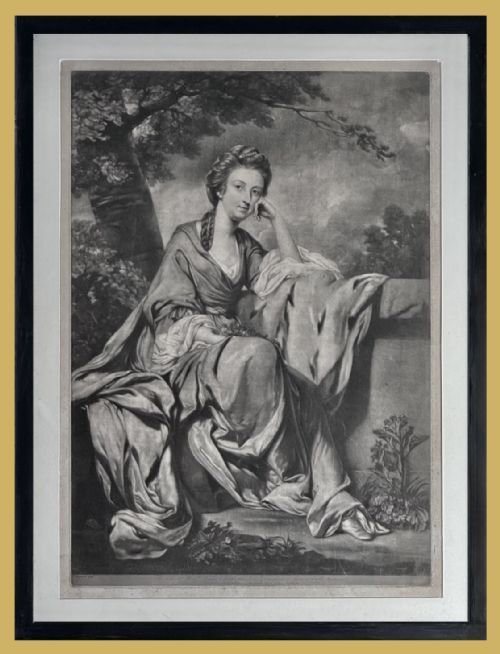
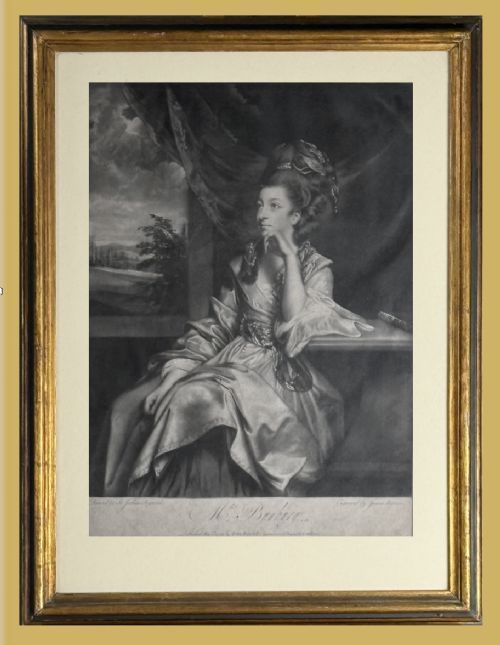
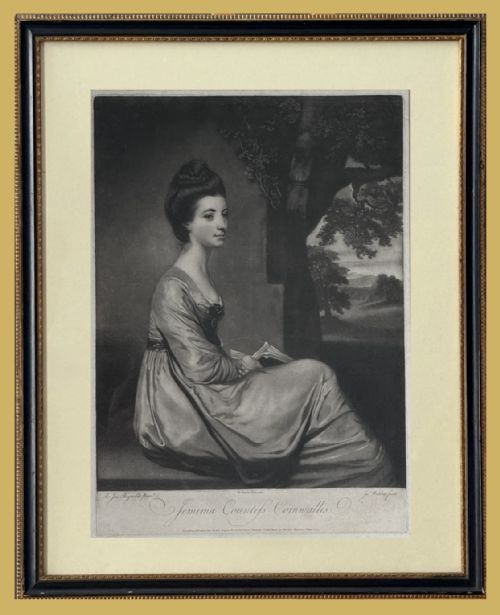
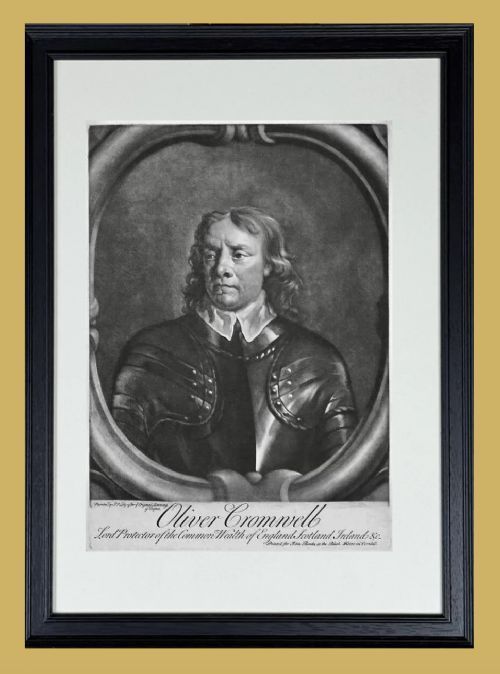
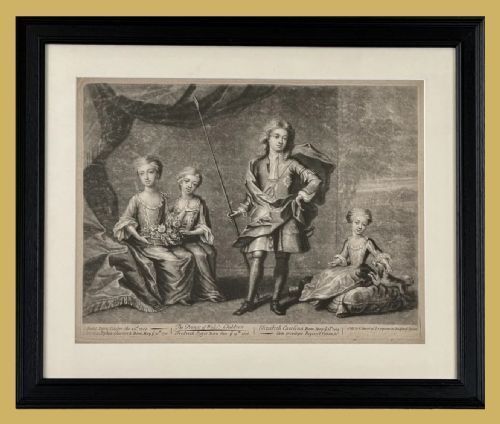
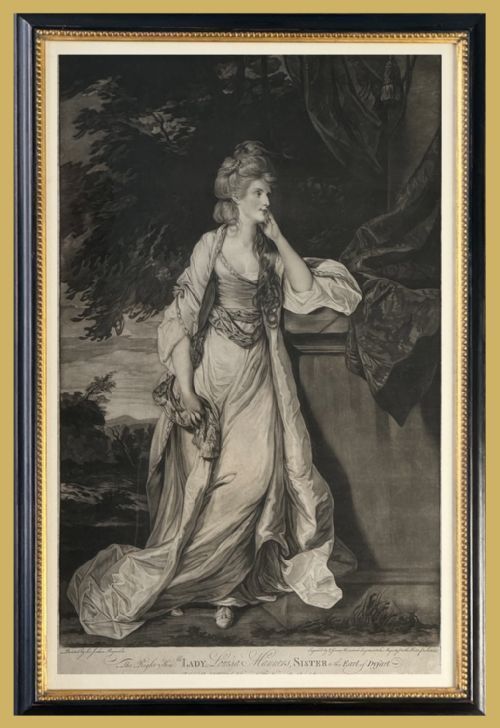
An 18th century mezzotint portrait typically depicts figures from the Georgian era, including nobility, royals, and notable cultural personalities. These works translate grand painted canvases into deeply shaded print variations through skilled plate work.
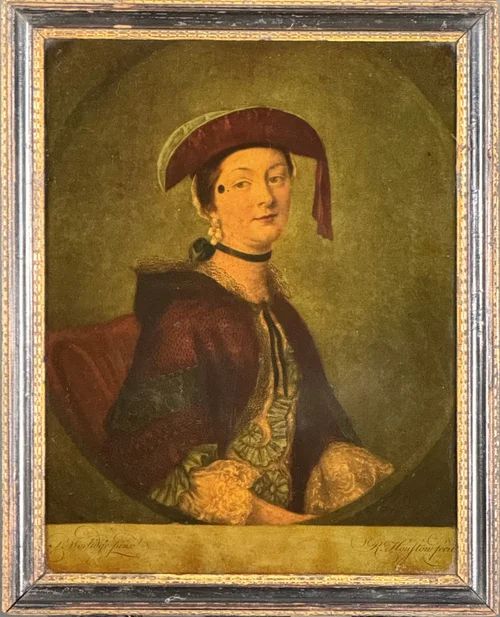
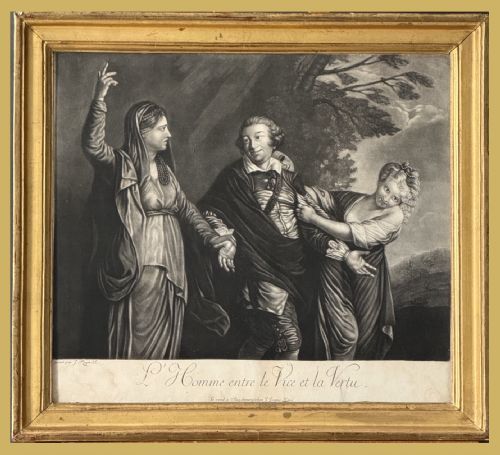
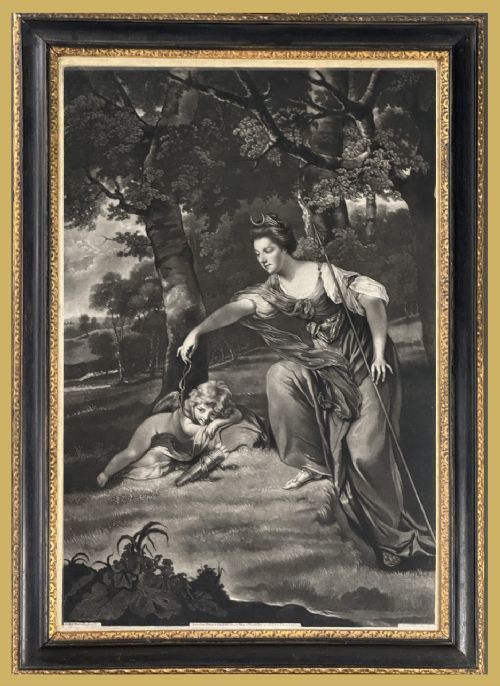
The selections available span framed wall art variants, with particular representation found in reverse glass prints and hand-coloured engraving pairings. Subjects range from singular aristocratic studies to allegorical compositions and familial groupings.
Most examples originate firmly within the 18th century and Georgian stylistic framework, though related pieces stretch from the 17th century through the Regency period and into the 19th century.
Materials and Technique
The creation of these works relies upon copper plates roughened evenly with a rocker to hold ink, producing velvety dark areas that are subsequently scraped to generate lighter tones. Printers applied ink to paper or utilised glass surfaces for reverse painted variations.
Framing utilised period wood surrounds, occasionally incorporating gold leaf detailing and protective glass layers to house the delicate paper and ink matrices safely.
Listings feature paper, glass, and wood materials spanning the 17th century through the Regency era.
Evaluating the Range
Quality differences depend on the crispness of the impression pulled from the copper plate, as worn plates yield softer, less defined tonal gradations in the printed darks. The prestige of the original painter and the skill of the printmaker directly influence the artistic merit of the piece.
The survival state of the paper, ink depth, and the integrity of the period wooden frame or reverse glass backing determine the overall preservation standard.
John Simon·John Boydell·James Watson·Edward Fisher·John Smith·John Bowles·Charles Spooner·Valentine Green·W Dickinson·John Faber Snr·Purcell·James McArdell·Thomas Frye·Richard Purcell·Thomas Watson·Richard Houston·James Ward·Robert Sayer
The 18th Century Mezzotint Portrait Glossary
- Mezzotint
- A printmaking process where the copper plate is roughened to achieve rich tonal gradations rather than relying solely on line work. This technique allows for subtle shifts between light and shadow.
- Reverse Glass Print
- An image transferred or painted onto the back of a glass panel, creating a glossy surface finish. These pieces often feature within Georgian decorative schemes.
- Plate
- The copper sheet prepared by the engraver to transfer the image onto paper. Early impressions taken from a fresh plate display the sharpest tonal contrast.
- State
- A stage in the development of a print determined by alterations made to the plate. Collectors track these changes to identify early or trial proofs.
- Publisher
- The individual or firm responsible for issuing and distributing the finished print. Names inscribed on the margin often record the commercial origin.
18th Century Mezzotint Portrait: Frequently Asked Questions
What is an 18th century mezzotint portrait?
An 18th century mezzotint portrait is a fine art print created by roughening a copper plate to produce deep shadows and smooth tonal transitions. These works frequently translated famous oil paintings by artists like Sir Joshua Reynolds into widely circulated aristocratic likenesses.
Collectors prize them for their velvety blacks and atmospheric depth, which standard line engravings could not achieve during the Georgian period.
How were reverse glass prints made?
Reverse glass prints involved adhering a printed or painted image face down onto a glass panel and carefully removing the paper backing. Artisans then applied oil paint, gold leaf, or hand-colouring directly to the back of the glass.
This technique produced a luminous, protected surface that required careful framing in wood to prevent moisture damage.
Who are the major artists associated with these works?
Many prints reproduce paintings by leading portraitists of the era, such as Sir Joshua Reynolds, Sir Peter Lely, and George Romney. Master engravers like James Watson, Valentine Green, and John Smith then translated these canvases onto copper plates.
The collaboration between the painter and the mezzotint engraver defined the visual culture of Georgian Britain.
How should I display and care for these pieces?
These works require placement away from direct sunlight to prevent the fading of ink, paper, and hand-applied watercolours. Stable indoor humidity protects both the paper fibres and the historical wooden frames.
Original glass panels and antique frames should be preserved intact, as they provide essential context for the age and authenticity of the piece.
How do I distinguish 18th century prints from later copies?
Examination of the paper stock, plate marks, and ink characteristics helps determine the printing era. Genuine Georgian impressions display subtle plate impressions and characteristic laid paper textures.
Consulting the publisher inscriptions and engraver credits printed along the lower margins offers reliable dating evidence.