





20th Century Portraiture Art
These works of 20th century portraiture art capture recognisable figures and anonymous sitters across decades of changing painting styles.
20th Century Portraiture Art
When you search for 20th century portraiture art, you encounter paintings and works on paper depicting royalty, public figures, and private subjects. The selections span Edwardian society through mid-century modernism, reflecting evolving aesthetic priorities over several decades.
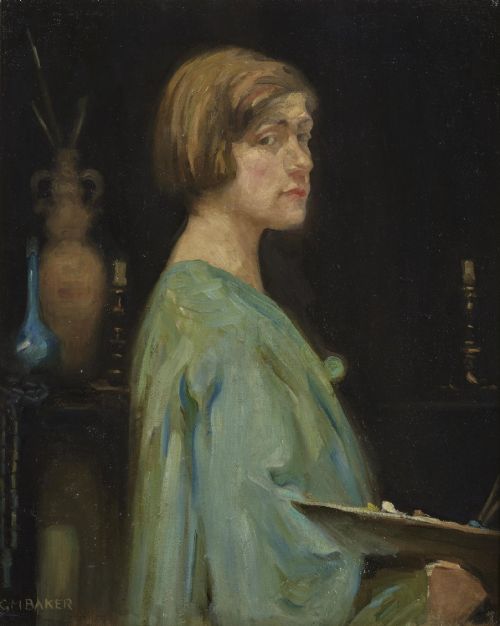
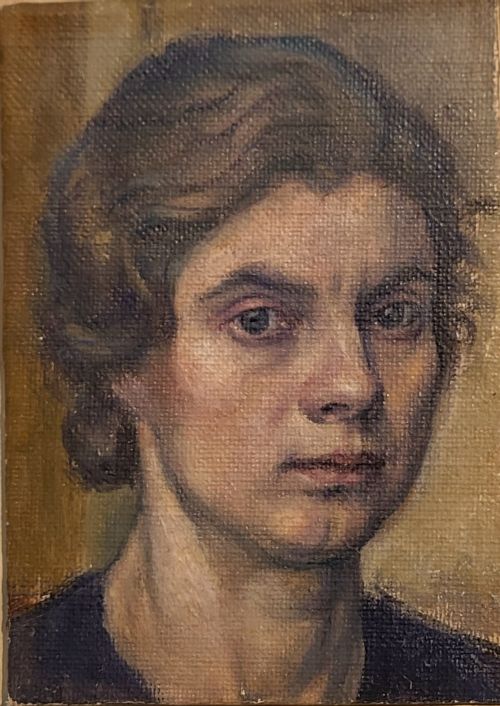
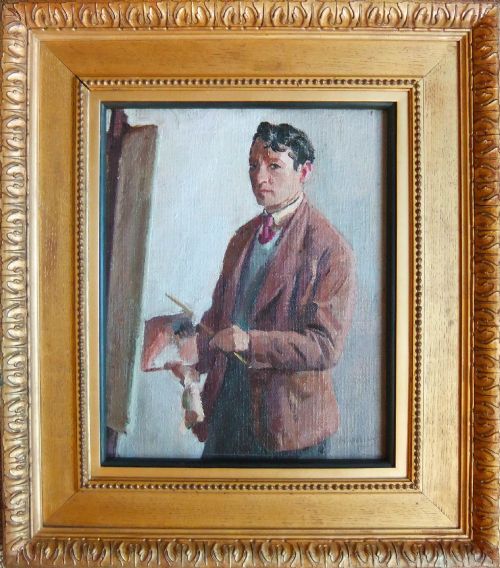
The dominant forms are oil paintings on canvas and board, alongside pastels and watercolours on paper. Subjects range from formal studies in uniform to informal character pieces and self-portraits created across British, European, and international schools.
Materials and technique
Artists deployed oil paint upon prepared canvas and wood boards, building depth through brushwork and pigment layering. Works on paper utilise pastel, pencil, or watercolour techniques to achieve immediacy and lighter tonal graduation.
Framing often involves period wood surrounds, occasionally with gilt decoration suited to formal portraiture. The physical construction relies on standard artist supports of the era, from stretched canvas to solid board.
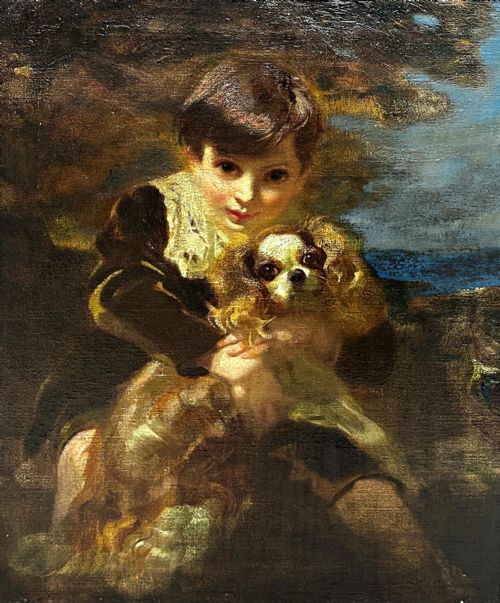
Several sitters share the page with their loyal pets, including spaniels and pipes.
Qualities of distinction
Distinction in these works rests upon the artist's command of likeness, expression, and psychological depth. Superior pieces demonstrate confident handling of paint and proportion that brings the sitter to life upon the surface.
The significance of the sitter and the documentary weight of the depiction also influence the character of a piece. Works executed by established portraitists carry greater art-historical resonance than anonymous student or provincial studies.
Emily Eyres·Gladys Marguerite Baker·Philip Naviasky·Attilio Toro·Jean Denis Maillart·Faeq Hassan·Frank Owen Salisbury·Muriel Metcalfe·Bernard Meninsky·Allan Gwynne-Jones·Eugen Rosenfeld·John Laviers Wheatley·Arthur Royce Bradbury·Erwin Eichinger·Sir Oswald Hornby Joseph Birley·George R Havelka·Edward Bainbridge Copnall
The 20th Century Portraiture Art Glossary
- Oil on canvas
- Pigment suspended in drying oil applied to a woven fabric support stretched over a wooden frame. This medium allowed artists to work with rich colours and blend tones smoothly.
- Pastel
- A dry drawing medium consisting of powdered pigment and a binder rolled into sticks. Pastel portraits offer powdery textures and luminous surface effects.
- Watercolour
- A paint consisting of colour suspended in a water-soluble binder applied to paper. It permits translucent washes and delicate paper showing through the pigment.
- Gilt wood
- Timber frames finished with a thin layer of gold leaf or metallic gilt powder. Such frames provide decorative borders suited to period display.
- Board
- A rigid wooden or manufactured flat panel used as a painting support instead of canvas. Artists favoured boards for quick studies and durable stability.
20th Century Portraiture Art: Frequently Asked Questions
What periods do these portraits cover?
The works span from the Edwardian era through the nineteen-sixties, capturing shifting artistic approaches decade by decade.
You will find pieces dated from nineteen-hundred up to the mid-century modern period, showing traditional realism alongside modernist developments.
Who are the subjects depicted?
Subjects include monarchs, political leaders, military figures, and artists, alongside everyday sitters and children.
Prominent historical figures appear alongside anonymous sitters captured in formal commissions or personal self-portraits.
What mediums were used by the artists?
Artists utilised oil paint on canvas or wood board, alongside works created with pastel, pencil, and watercolour on paper.
Oil on canvas remains the most frequent medium, offering durable texture and rich colour depth.
How do I identify the painting style?
Styles range from Edwardian academic realism to mid-century British modernism, impressionism, and Bloomsbury group aesthetics.
Examining the brushwork, palette, and handling of the subject helps determine whether a piece leans toward traditional representation or modernist abstraction.