



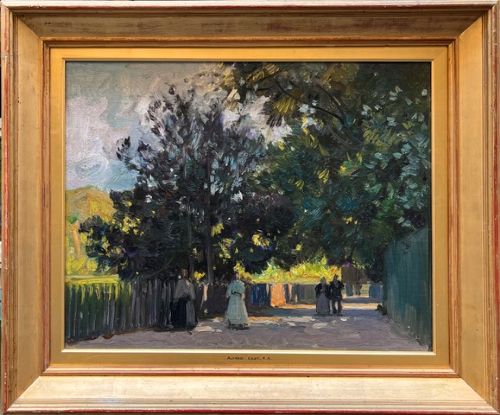
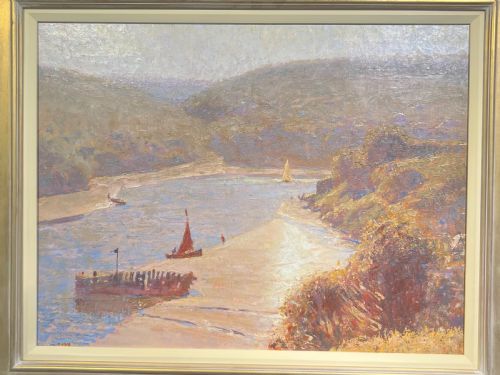
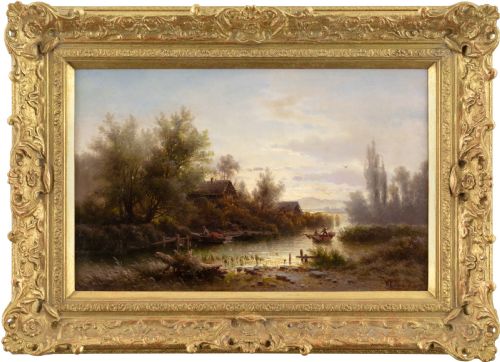
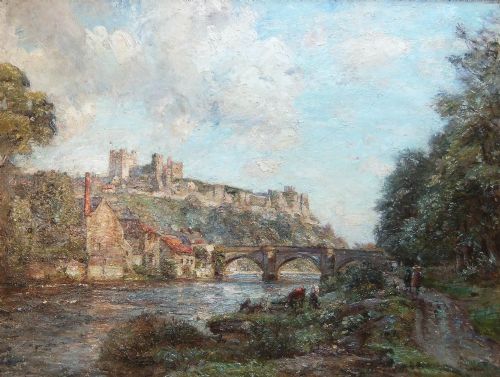
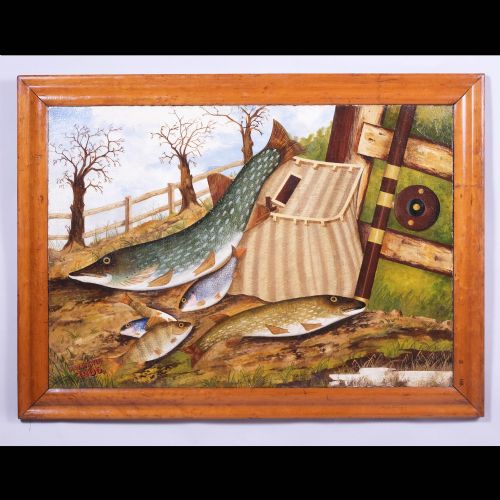
Framed River Oil Painting
A framed river oil painting captures the changing light and water of nineteenth and twentieth century waterways.
Framed River Oil Painting
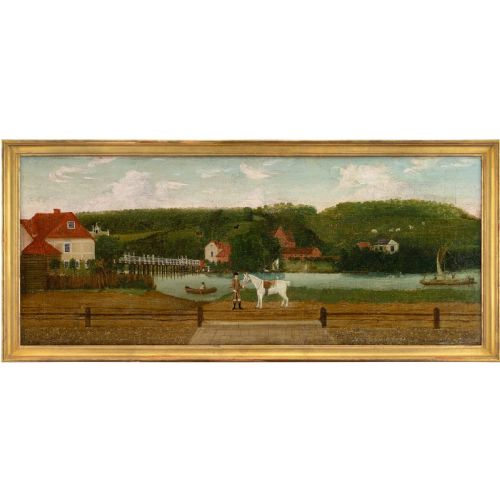
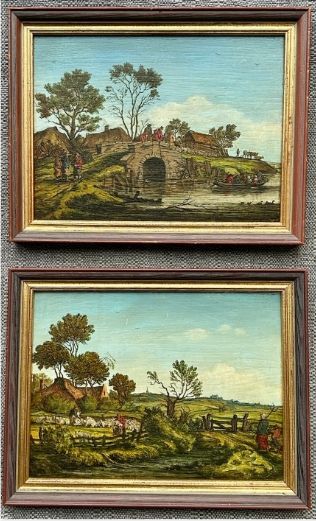
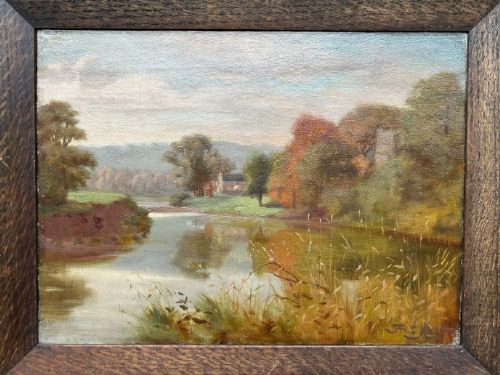
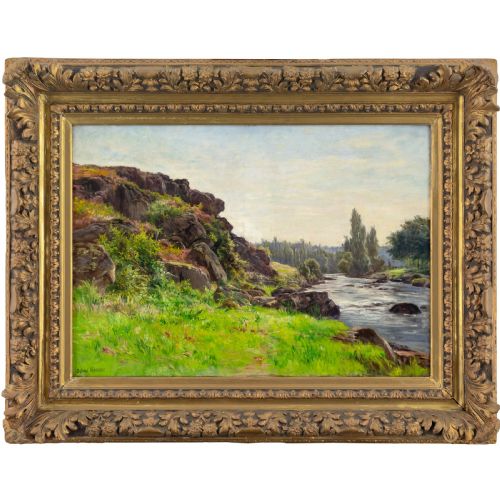
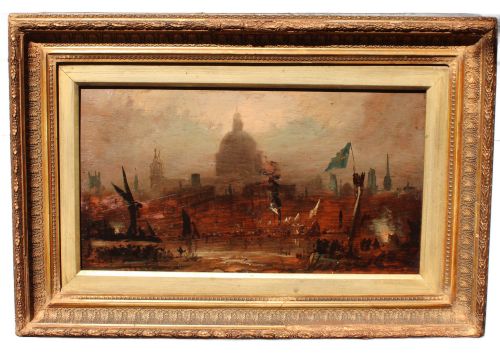
A framed river oil painting brings domestic interiors a connection to pastoral, urban, and industrial waterways from the nineteenth and twentieth centuries. These artworks depict scenes ranging from quiet rural streams and rustic footbridges to bustling city bridges and industrial harbours.
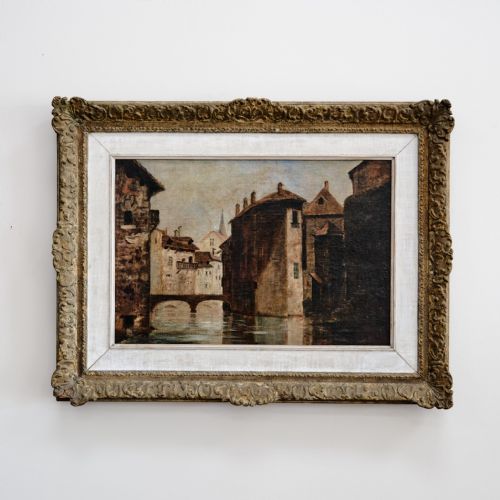
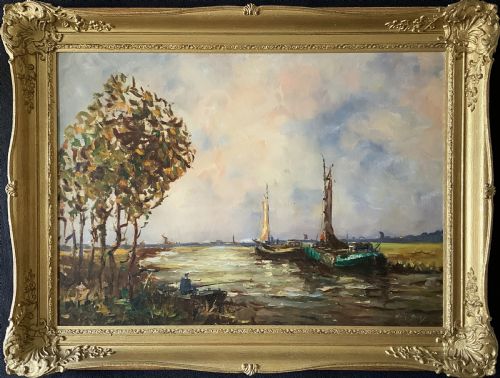
The version most commonly met on this page is a nineteenth-century or Edwardian landscape on canvas, housed within its period wooden or gilt frame. Such works capture rural banks, fishing scenes, and European canal views executed by British and continental schools.
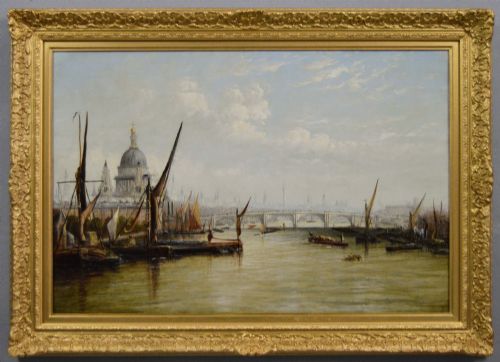
Beyond rural pastoral scenes, the selections include maritime harbour views, panoramic cityscapes along the Thames, and frozen Dutch waterways. These diverse geographical settings reflect the enduring appeal of water as a subject for landscape painters across multiple decades.
Materials and construction
Artists painted primarily with oil paint applied to stretched woven canvas or wooden panels, utilising the slow drying time to blend tones and achieve atmospheric depth. Panels made of wood or board provided a rigid surface favoured by certain nineteenth-century painters for smaller studies.
Surviving works retain their period settings, which frequently feature wooden mouldings finished with gesso and gilt leaf. These frames range from simple dark wood surrounds to ornate decorative gilt frames that complement the tonal palette of the canvas.
Several river scenes discreetly feature anglers patiently waiting by the water, proving that fish have been ignoring artists for centuries.
Judging quality
Quality rests upon the artist's handling of light, brushwork confidence, and compositional balance rather than the mere age of the canvas. Finer works demonstrate a sophisticated command of atmospheric perspective, rendering water and sky with subtle tonal variations.
The relationship between the painting and its frame contributes significantly to the overall integrity of the piece. Period frames that retain their original gilding or finish without heavy overpainting preserve the historical context of the artwork.
Francis Moltino·Willem Bos·Sir Alfred East·Henri Ottmann·John Ferneley Senior
The Framed River Oil Painting Glossary
- Oil on canvas
- A painting technique where pigmented oil paint is applied to a stretched woven fabric support. This combination allows for rich colour saturation and textured brushwork.
- Gilt wood
- Wood coated with a thin layer of gold leaf or metallic powder, often applied over a prepared gesso base. This finish provides a reflective border that isolates the painting from the wall.
- Panel painting
- An artwork executed on a rigid wooden support rather than flexible canvas. These pieces were common in nineteenth-century and earlier European traditions.
- Barbizon School
- A mid-nineteenth-century French art movement focused on naturalistic landscape painting. Artists associated with this group worked directly from nature, capturing atmospheric effects along rivers and in forests.
- Impressionism
- An artistic style characterised by relatively small, thin, yet visible brush strokes and an emphasis on accurate depiction of light. British and French practitioners applied this approach to river scenes and urban waterways.
Framed River Oil Painting: Frequently Asked Questions
How do I clean a framed oil painting?
Surface dust may be removed gently with a soft, dry brush, taking care near flaking paint. Professional conservators should handle deeper cleaning or varnish removal.
Avoid using water, chemical solvents, or household cleaning sprays on either the canvas surface or the gilt frame. Moisture can penetrate small cracks in the oil layer and damage the underlying support.
Are these frames original to the paintings?
Many nineteenth and twentieth century works retain their period frames, which show signs of age consistent with the canvas. Subtle variations in wear help indicate whether a frame has been paired with the artwork later.
Gilt wood frames often accumulate patina and minor losses over the decades. These characteristics show long association with the painting rather than recent manufacture.
What is the difference between canvas and panel?
Canvas provides a flexible woven support that responds to humidity changes by expanding or contracting slightly. Wooden panels offer a rigid surface that prevents canvas sagging but can split if exposed to dry conditions.
Painters selected panels for smaller en plein air studies due to their portability and durability. Canvas remained the preferred choice for larger exhibition landscapes.
How should I hang a heavy oil painting?
Secure fixings matched to your wall type are essential to support the combined weight of the heavy canvas, stretcher, and wooden frame. Wall anchors or direct stud attachment prevent shifting over time.
Position the artwork away from direct sunlight, radiators, and damp areas to protect both the oil pigments and the wooden frame from environmental stress.