




Antique Landscape Picture Frame
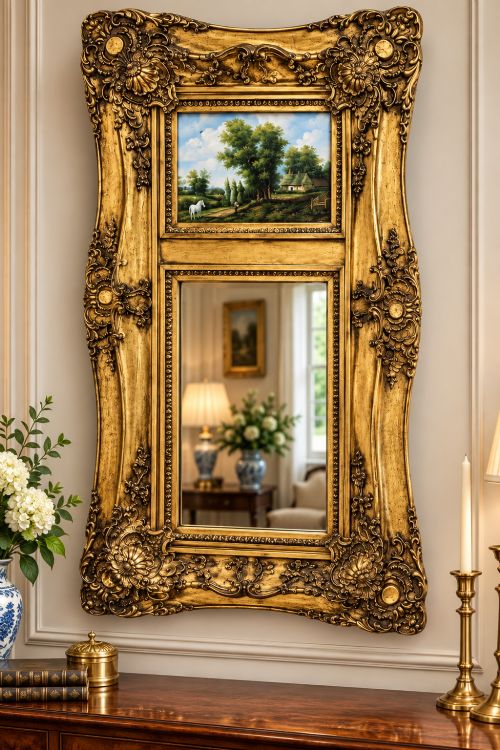
An antique landscape picture frame encloses historic views of rivers, fields and mountains, offering a glimpse into past countryside traditions that complement traditional and modern interiors alike.
Antique Landscape Picture Frame
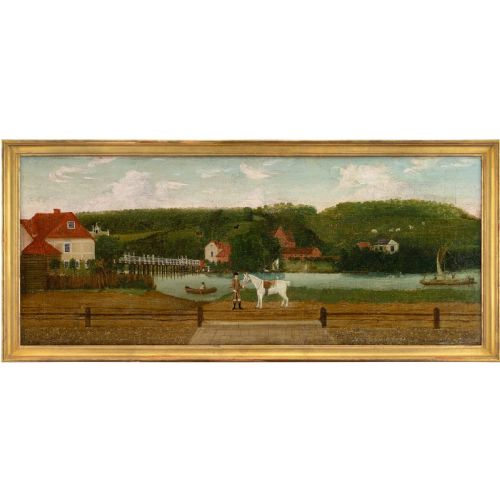
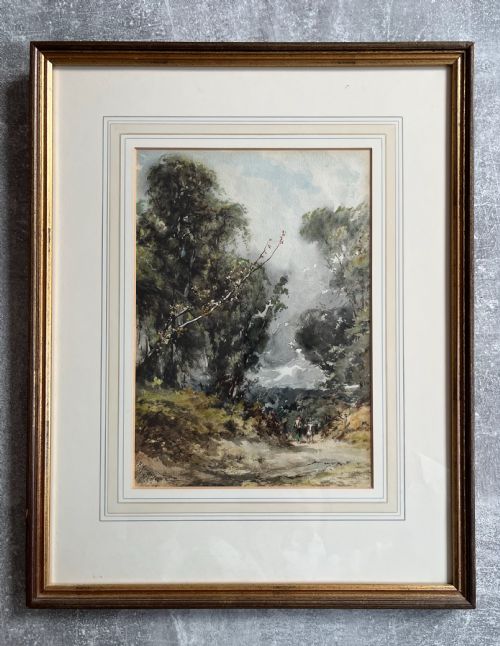
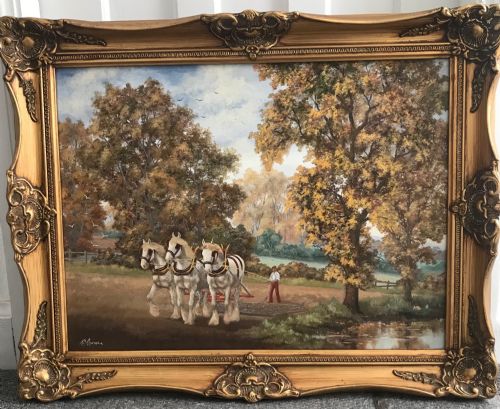
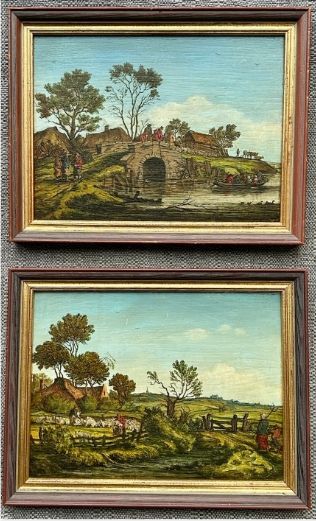
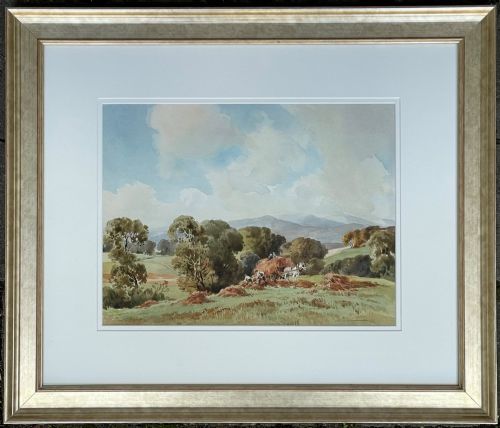
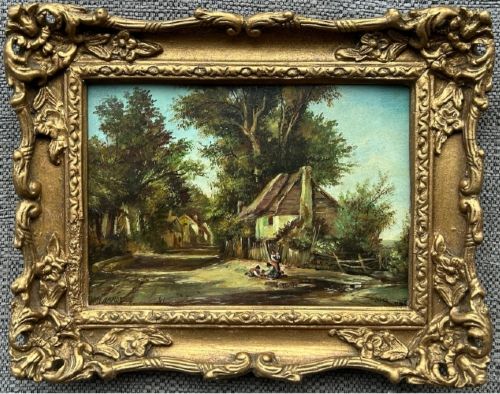
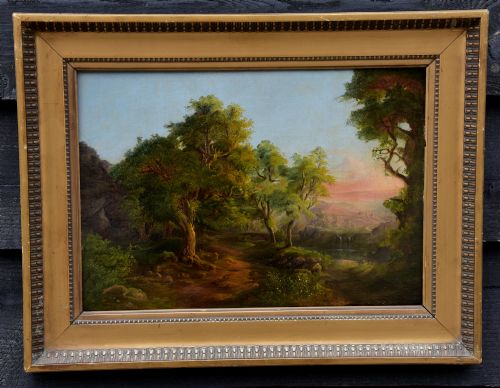
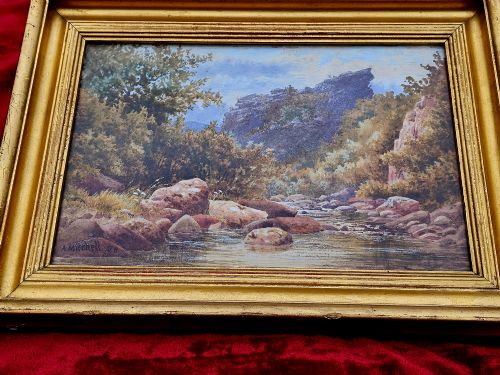
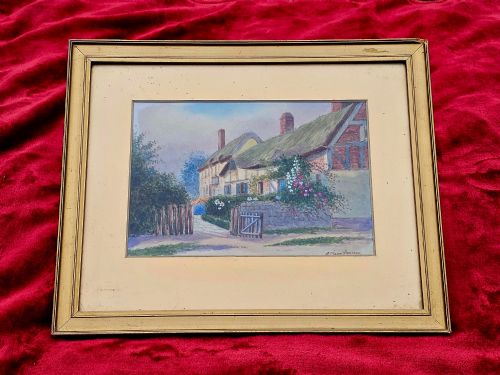
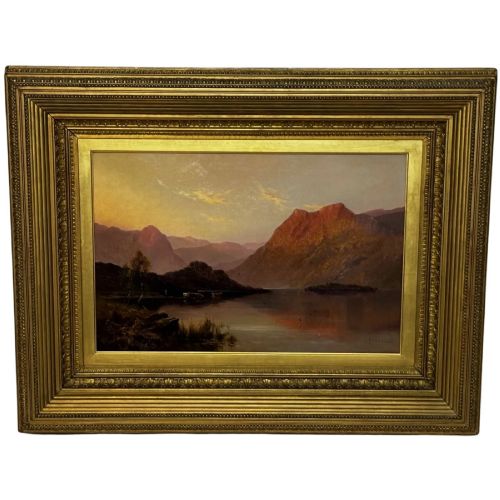
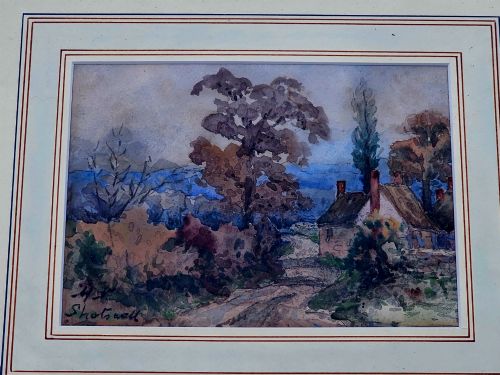
When you search for an antique landscape picture frame, you encounter a variety of original watercolours, oil paintings and dedicated wooden or silver surrounds. These pieces capture rural scenes, coastal views and pastoral life from the nineteenth and early twentieth centuries.
The selection frequently includes framed watercolours on paper and oil paintings on canvas or wood panels, alongside dedicated silver and oak display mounts. Victorian and Edwardian examples dominate the offerings, spanning pastoral landscapes and river valleys.
Many items combine the painted artwork with its original period housing, while others showcase standalone picture surrounds designed for landscape orientations. These works originate from British and European schools, reflecting regional topography and artistic traditions.
Materials and construction
The physical objects rely on traditional media including oil paint, watercolour and pastel applied to prepared canvas, paper, card or wood panels. These surfaces are housed within carved timber, gesso, gilt wood or hallmarked sterling silver surrounds.
Makers utilised organic materials such as oak and pine for structural backings and mouldings, often finishing the timber with applied gilding or polished surfaces. Glass panels protect the delicate paper works and watercolours from environmental moisture and dust.
Several Victorian paintings delightfully insert small herds of cows and wandering dogs into quiet rural valleys to keep the scenery company.
Judging the work
Distinction in these pieces rests upon the execution of the painted scene and the integrity of the surrounding frame. Superior works demonstrate confident brushwork, balanced composition and authentic period materials that complement the artwork harmoniously.
The refinement of the decorative mouldings and the retention of original gilding or silver hallmarks elevate the status of the piece. Better examples maintain a cohesive relationship between the imagery and its protective boundary.
George Fotherly Hargitt·William Henry Earp·William H Myers·David Bates·Benjamin Barker of Bath
The Antique Landscape Picture Frame Glossary
- Gilt wood
- Carved timber coated with a thin layer of gold leaf or metallic powder. This finish was widely utilised during the Victorian era to enhance decorative picture surrounds.
- Watercolour
- A painting method where fine pigment is suspended in a water-based, translucent solution. It is typically applied to heavy paper stock within protected glazed mounts.
- Rebate
- The recessed internal channel within a picture frame designed to hold the artwork and glass securely in place.
- Provenance
- The documented history or known origin of a piece, establishing its authenticity and previous ownership through signatures or labels.
Antique Landscape Picture Frame: Frequently Asked Questions
How do I date an antique landscape frame?
Dating relies upon examining construction methods, timber types, backing materials and any associated hallmarks or signatures on the frame or artwork.
Victorian and Edwardian examples often feature specific moulding profiles and joinery techniques that help distinguish their period of manufacture.
Can I replace the glass safely?
Original glass should be preserved wherever possible, as it frequently exhibits historical characteristics such as slight imperfections and wave patterns.
If replacement becomes necessary for conservation reasons, standard clear glass can be fitted carefully into the existing rebate.
Where should I hang these pieces?
These works suit dining rooms, studies or hallways where traditional interiors benefit from historical landscape imagery.
Keep them away from direct sunlight and damp environments to protect both the painted surface and the wooden structure.
Are silver frames marked?
British silver picture frames typically bear clear hallmarks indicating the assay office, date letter and sterling standard.
These stamps allow collectors to verify the exact year of production and the city where the silver was tested.