

Framed Portrait on Canvas
When you search for a framed portrait on canvas, you enter centuries of likenesses captured in oil paint, spanning quiet domestic studies to grand aristocratic commissions.
Framed Portrait on Canvas
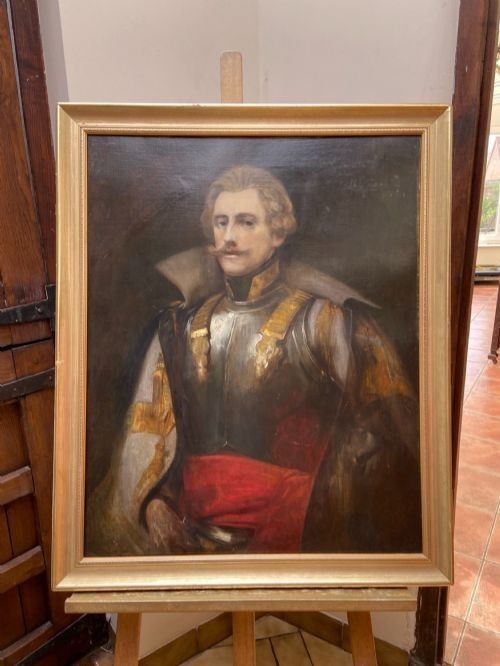
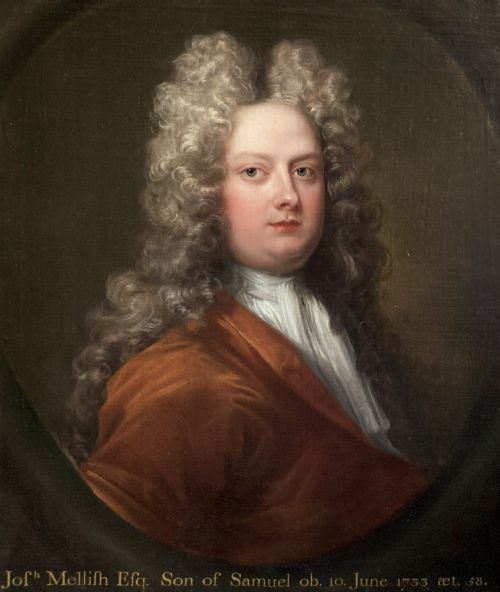
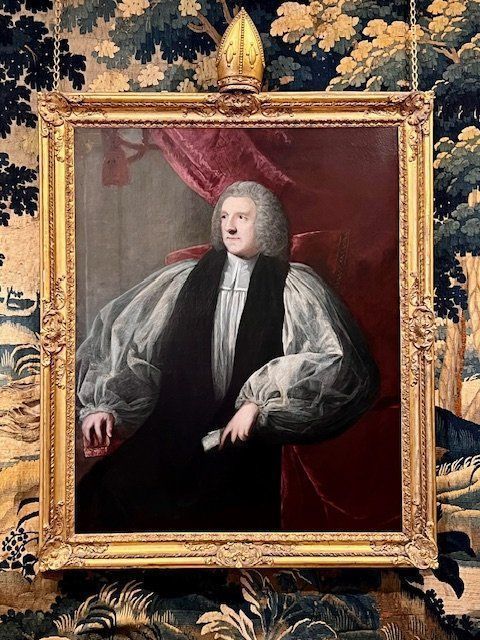
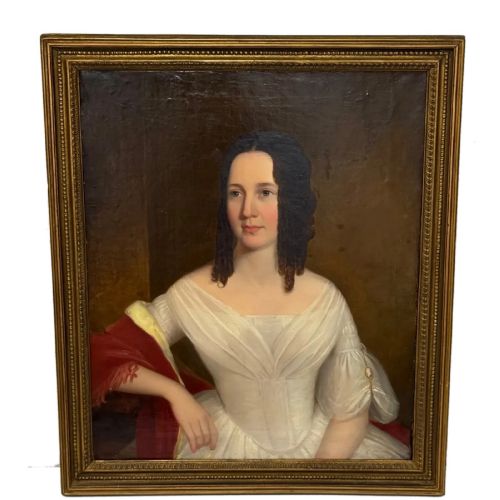
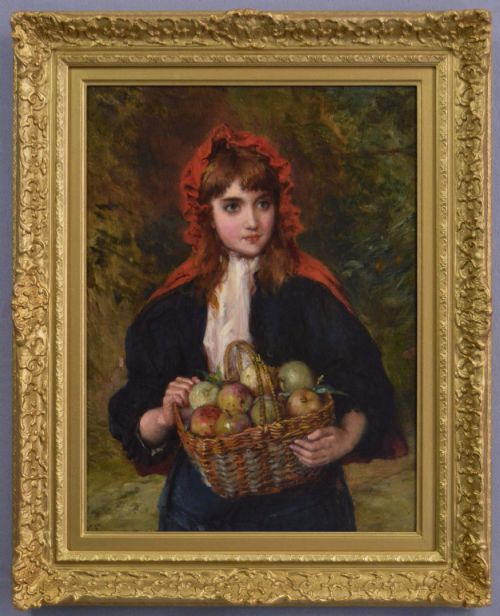
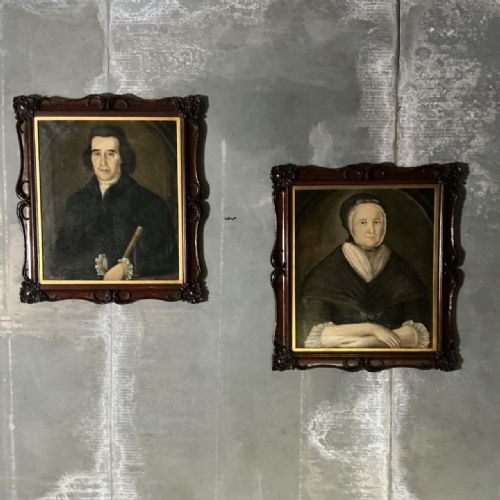
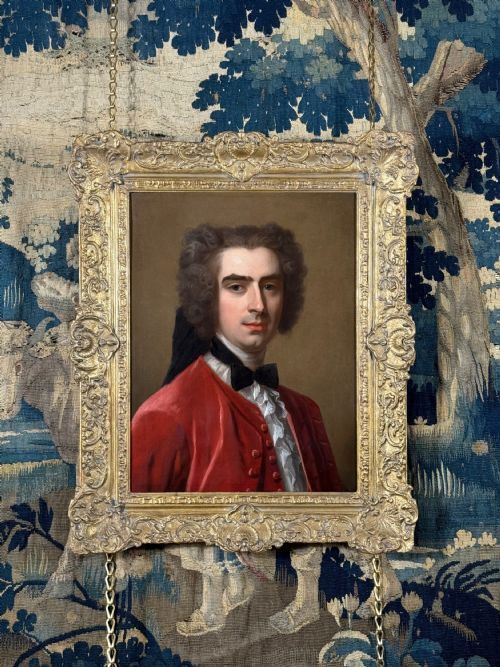
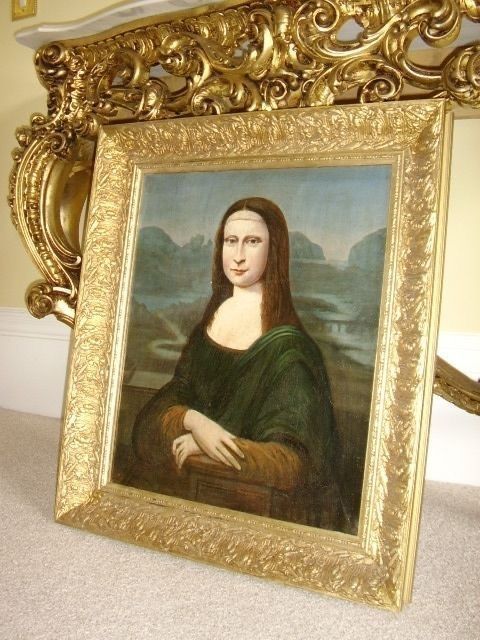
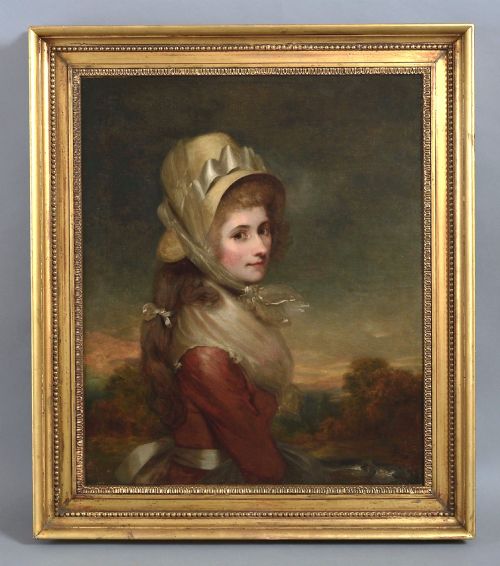
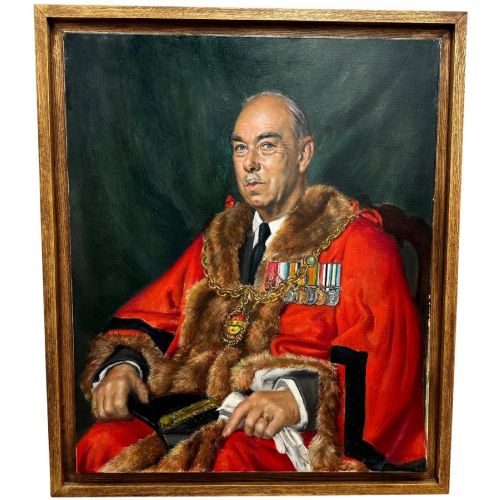
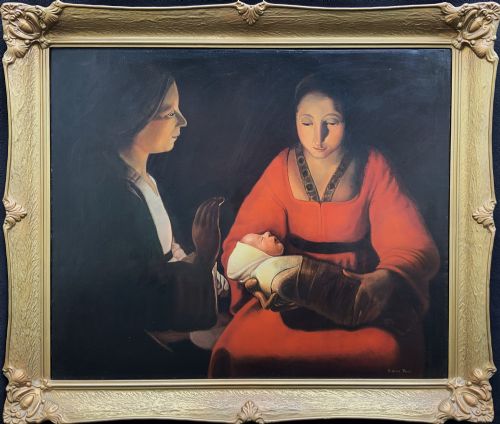
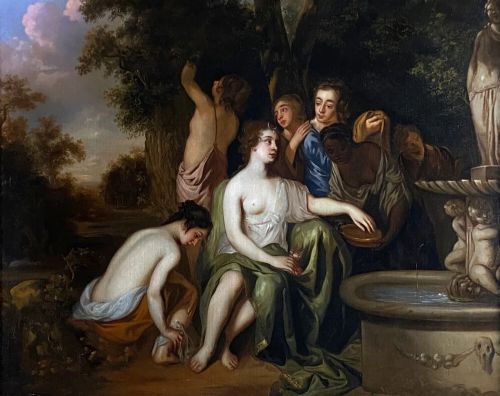
A framed portrait on canvas brings historical presence into a room, presenting sitters from the seventeenth, eighteenth, and nineteenth centuries. These works range from seventeenth-century nobility and clergy to nineteenth-century gentlemen and ladies, often set within period frames.
The selection includes grand Georgian depictions, Baroque canvases, and Regency and Victorian studies. Many pieces capture named historical figures, military officers, and architects, while others preserve the likenesses of anonymous sitters painted by regional schools.
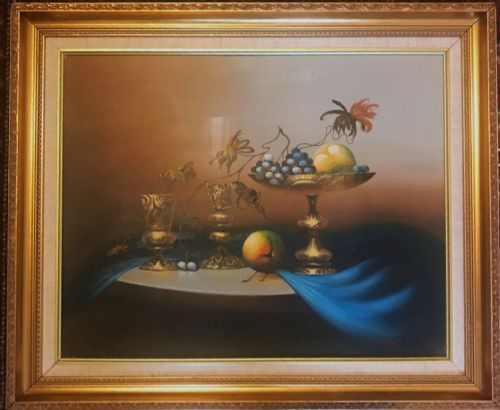
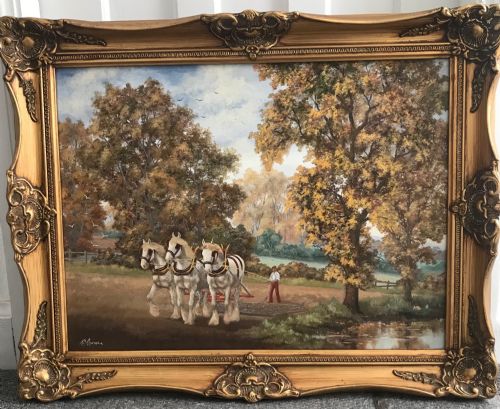
Beyond formal portraiture, the category embraces genre paintings and companion pieces depicting family groups, children, and labourers. Whether created by documented masters or provincial hands, each canvas documents historical attire, social standing, and portrait traditions.
Materials and construction
These works rely on oil paint applied to woven canvas supports, sometimes laid onto secondary boards during later preservation. The pigments capture depth, luminosity, and fabric textures such as lace, velvet, and silk.
Surrounding the canvases are substantial frames formed from wood, gilded wood, and gold leaf. Many of these surrounds employ heavy moulding and decorative gesso to complement the status of the portrait within.
Listings feature eighteenth-century oil portraits on canvas alongside seventeenth-century noble studies and nineteenth-century domestic scenes.
Distinguishing quality in canvas portraits
Quality rests in the anatomical accuracy of the hands and face, alongside the artist's ability to render light across fabric and skin. Superior works reveal confident brushwork and psychological depth, whereas lesser examples rely on formulaic repetition by provincial workshops.
The integrity of the canvas and the preservation of the original paint layer dictate the grade of a piece. Retaining an original giltwood frame rather than a later replacement enhances the historical continuity and desirability of the artwork.
Charles Jervas·Sir Joshua Reynolds·William Oliver·Jean-Baptiste Van Loo·Sir Peter Lely·John Hayls·Sir Martin Archer Shee·Georges de La Tour·Michael Dahl·Thomas Murray·Sir Godfrey Kneller·Constantyn Netscher·Pieter Borsseler·Lemuel Francis Abbott·Stickland Lowry
The Framed Portrait on Canvas Glossary
- Oil on Canvas
- A painting technique utilising pigments suspended in a drying oil, applied to a stretched woven fabric support. This medium allows for rich blending and slow drying times.
- Giltwood
- Timber carved and coated with a thin layer of gold leaf or metallic powder. It provides reflective brilliance to traditional picture frames.
- Baroque
- An artistic style prevalent in the seventeenth century characterised by dramatic movement, deep shadow, and rich detail. Portraits from this era emphasise theatrical lighting and grand attire.
- Georgian
- The period spanning the reigns of the four King Georges, marked by refined classical proportions and elegant portraiture. Works from this era often display subdued naturalism and sophisticated staging.
- School
- A grouping of artists working in a particular region and time, sharing a distinct style without necessarily being direct pupils of a named master. Unsigned works are frequently attributed to these regional designations.
Framed Portrait on Canvas: Frequently Asked Questions
How do I date a canvas portrait?
Dating relies primarily on the sitter's costume, hairstyle, and framing conventions of the period. Documentation on the stretcher or historical attribution can further narrow the decade of creation.
Paint crackling, known as craquelure, also offers clues, as older oil layers develop distinct shrinkage patterns over centuries.
Are these paintings supplied with their original frames?
Many portraits retain their original period wooden and giltwood frames, though some have been rehoused in complementary antique surrounds over the centuries.
Check the listing details to confirm whether the frame is period-matching or a later addition.
How should I hang an oil portrait?
Mount the canvas securely using appropriate wall fixings that match the weight of the timber frame. Position the piece away from direct sunlight and sudden temperature shifts to protect the oil pigments.
Maintain stable humidity levels in the room to prevent the canvas from slackening on its stretcher.
What is an attributed painting?
An attribution indicates that experts believe a work is by a named artist or their immediate workshop based on stylistic evidence. It denotes a strong stylistic match without definitive signature proof.
Such pieces offer an accessible route to owning work associated with major historical portraitists.