


Victorian Lady Artwork
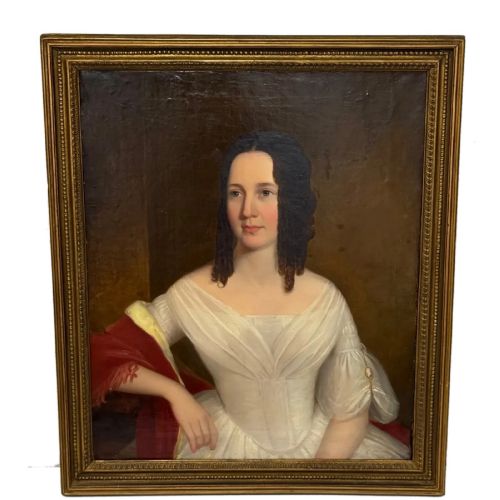
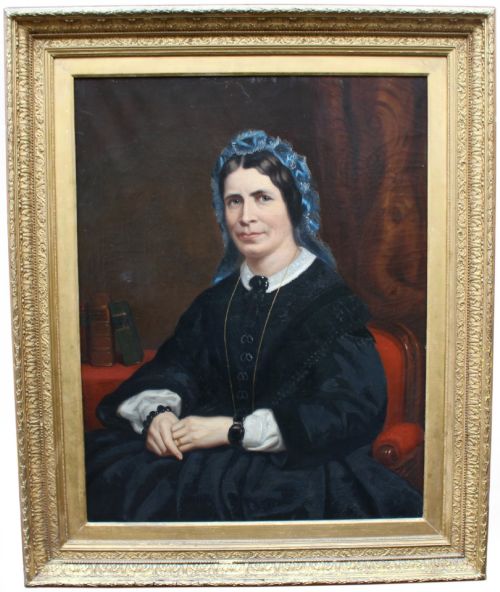
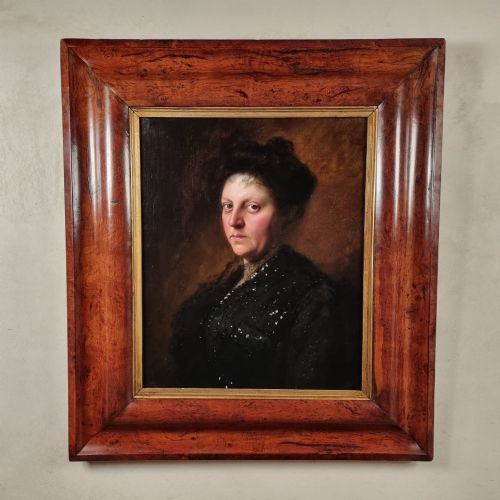
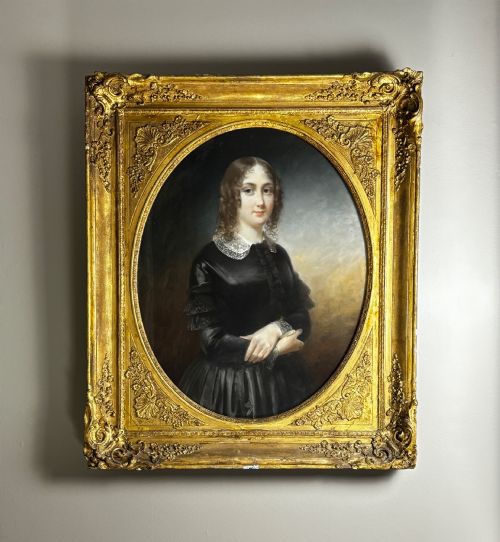
Victorian lady artwork captures the character and costume of nineteenth-century women through oil portraits, delicate watercolours, and period prints.
Victorian Lady Artwork
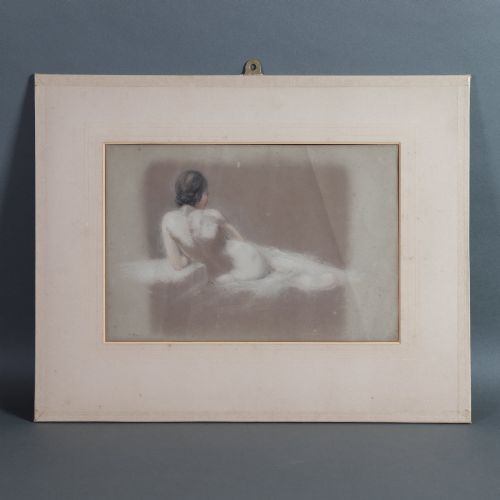
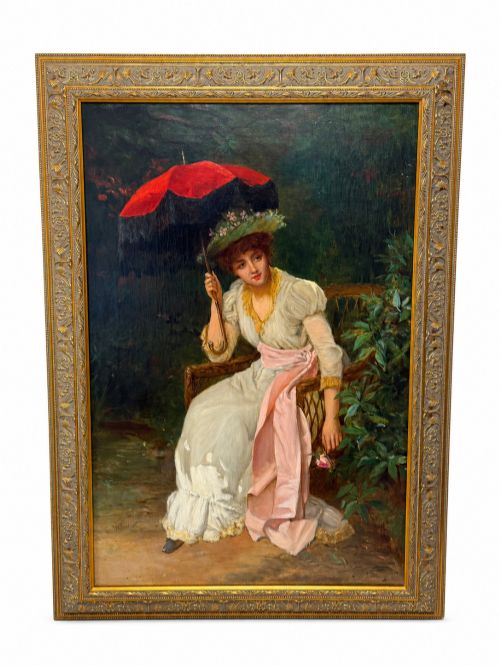
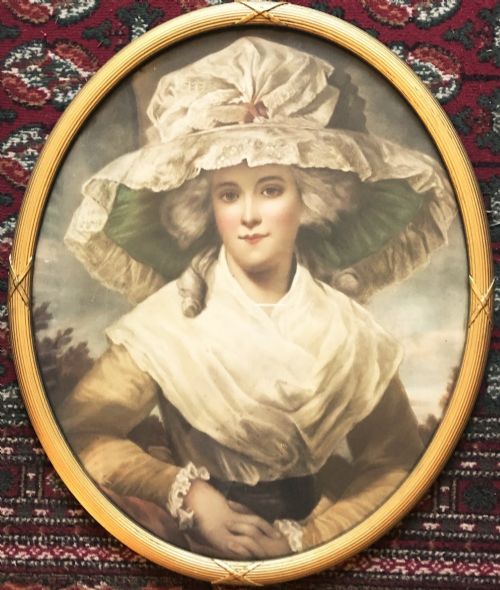
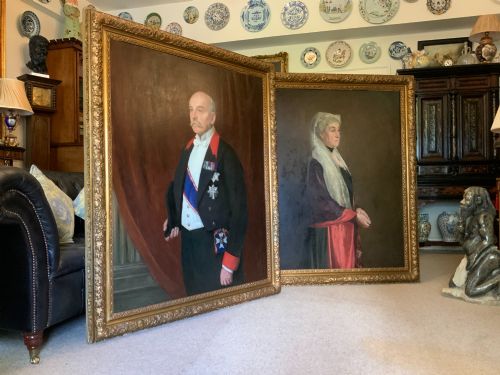
Victorian lady artwork comprises portrait paintings, watercolours, drawings, and framed prints depicting women from the nineteenth century and related adjacent periods like the Georgian and Edwardian eras. The subjects range from formal society figures and named individuals to romanticised studies and fashion portraits.
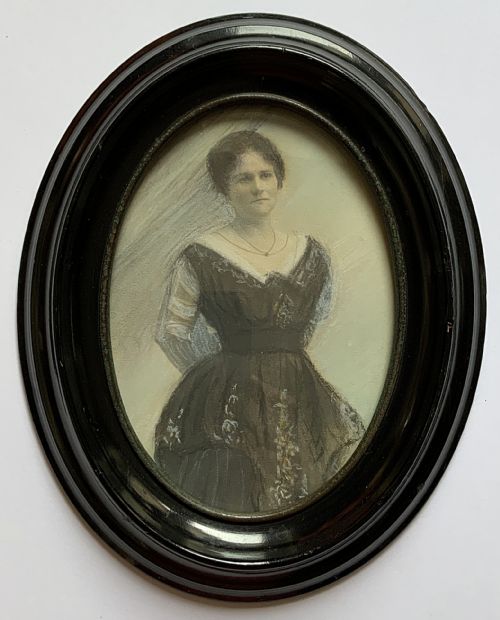
Oil paintings on canvas, board, and zinc panels dominate the offerings alongside detailed watercolours and gouache works. Buyers frequently encounter oval formats, miniature paintings, and ornate period frames that define the traditional aesthetic of these historic pieces.
How They Were Made
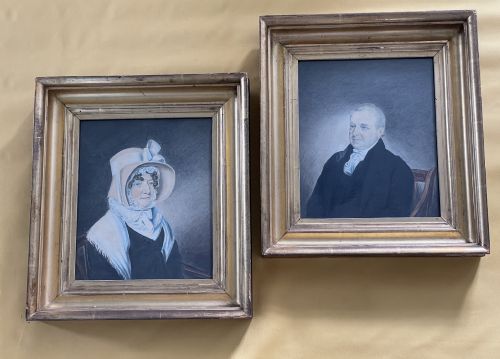
The physical presentation relies heavily on period framing techniques, utilising carved wood, gold leaf gilding, and ebony surrounds. Glazing with protective glass is common for fragile watercolours and miniatures on paper or card.
Several Victorian ladies share the canvas with stern spaniels and spring flowers tucked into cascading curls.
What Varies in Quality
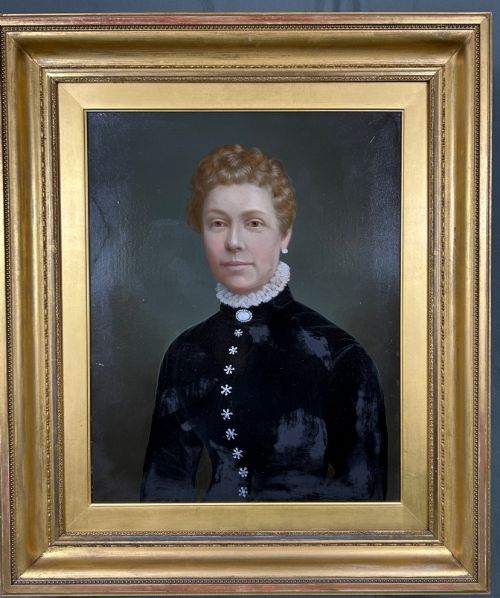
The artistic skill in handling expression, hands, and textiles distinguishes standard commercial portraits from masterworks by named painters. Finer examples display meticulous attention to lace, velvet, and background settings that reveal the social status of the sitter.
Original condition and frame integrity significantly influence the character of the piece. Works retaining their untouched nineteenth-century gilded frames and contemporary inscriptions offer a more complete historical record.
William Etty·W.R. Waters·William Oliver·Honore Cavaroc·Alice Anne Renshaw·H. Bayly·Thomas Edward Roberts·William Henry Knight·August Heinrich Riedell·Robert Faulkner·Heywood Hardy·Paul Viry·Edward Smyth·Frederick Thomas Baynes·Mary Eley·Frederick Tayler
The Victorian Lady Artwork Glossary
- Gouache
- An opaque water-based paint that provides solid, matte colour blocks. Artists often combined it with transparent watercolour to highlight fabric textures and jewellery.
- Miniature
- A small-scale portrait, typically painted with extreme precision on ivory, card, or paper. These portable artworks were often housed in protective cases or lockets.
- Provenance
- The documented history of ownership or origin for an artwork. Detailed inscriptions on the reverse of canvases frequently supply this historical context.
- Support
- The physical foundation upon which the artwork is created, such as stretched canvas, wooden panel, card, or zinc. The choice of support often dictates the conservation needs of the piece.
Victorian Lady Artwork: Frequently Asked Questions
How do I identify a genuine nineteenth-century portrait?
Authentic period works usually display appropriate canvas ageing, traditional stretcher construction, and period pigments consistent with the nineteenth century.
Contemporary inscriptions, maker marks, and historical framing styles further help verify the age and origin of the artwork.
What is the difference between an oil painting and a watercolour?
Oil paintings utilise slow-drying paint suspended in oil, applied to canvas or wood panels to create rich depth and blending. Watercolours use water-soluble pigments on paper or card, resulting in a lighter, translucent finish.
Watercolours from this era typically require protective glass framing to prevent moisture damage.
Where should I hang these portraits at home?
These works suit traditional reception rooms, studies, or hallways where period furnishings complement their historical aesthetic. Direct sunlight and damp walls should be avoided to protect the pigments and canvas supports.
Grouping smaller watercolours or miniatures together creates a striking gallery wall effect.
Why do some portraits feature named sitters?
Many nineteenth-century commissions recorded family lineage, notable society figures, or professional achievements, with identities often noted on the reverse of the canvas.
Unnamed sitters were frequently created as idealised fashion studies or romantic character pieces for the general art market.