


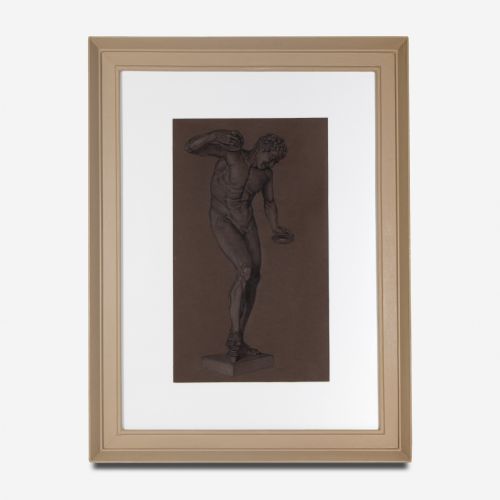
Framed Pencil Study
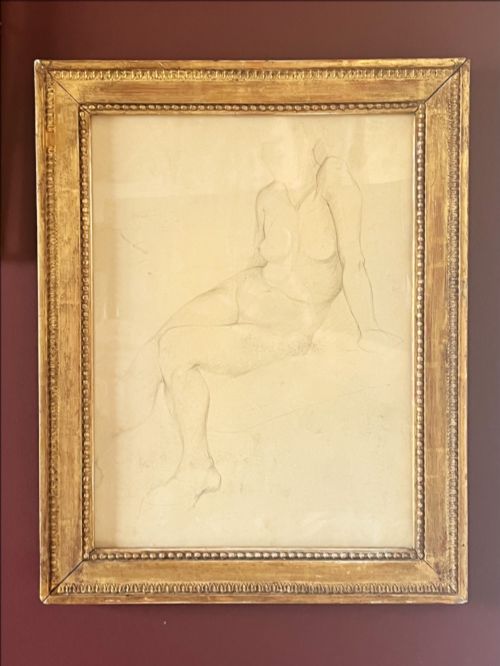
A framed pencil study captures the direct touch of an artist's hand, offering intimacy and immediacy on paper.
Framed Pencil Study
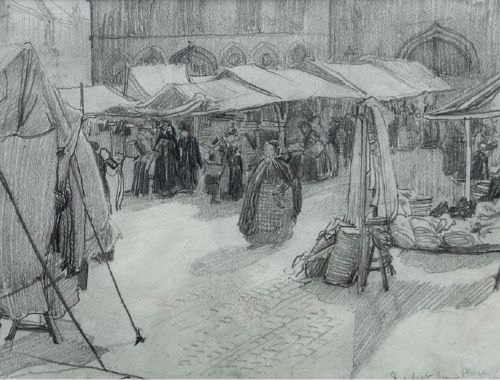
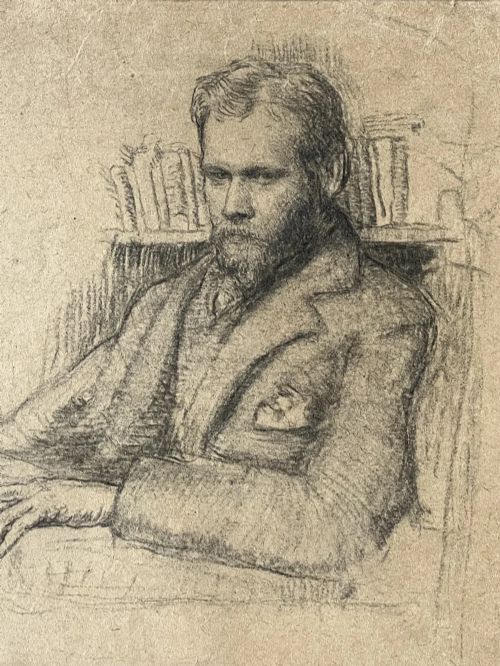
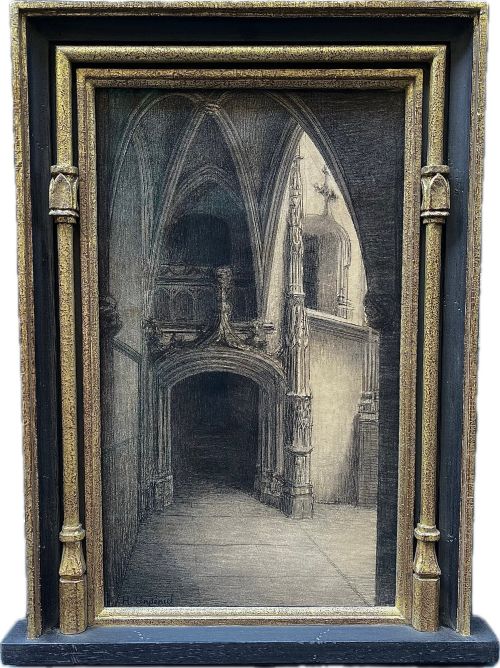
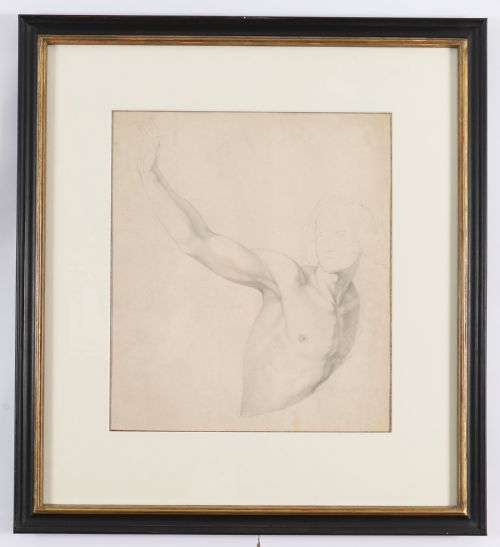
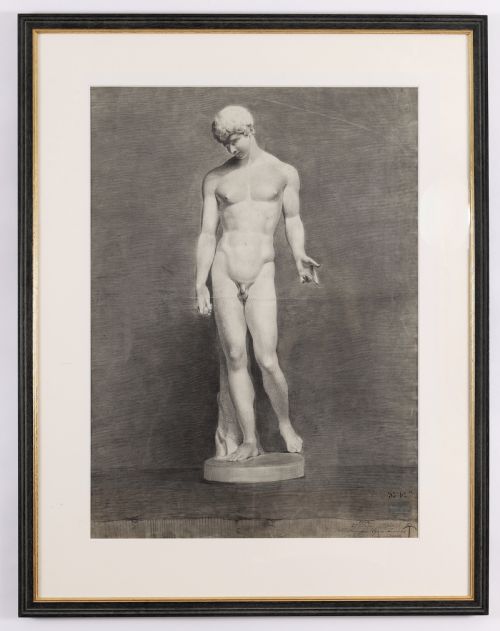
When you search for a framed pencil study, you examine works on paper that range from rapid studio sketches to highly finished portrait drawings. These pieces preserve the foundational mark-making of artists across the eighteenth, nineteenth, and twentieth centuries.
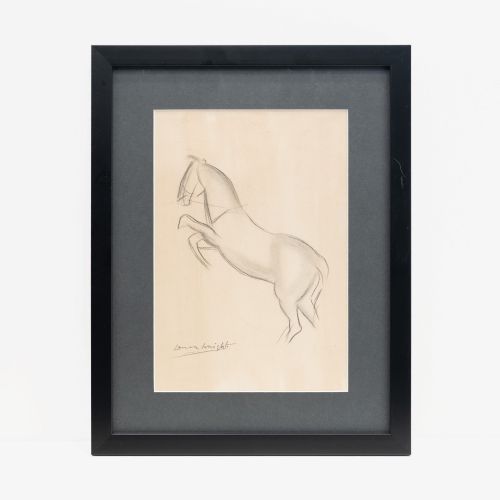
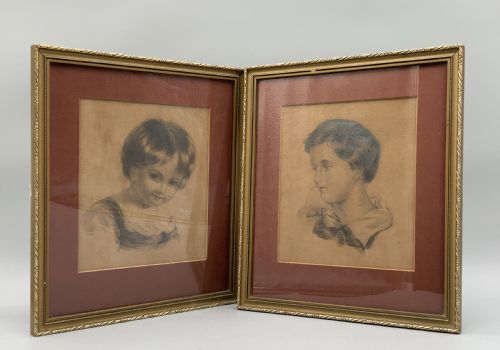
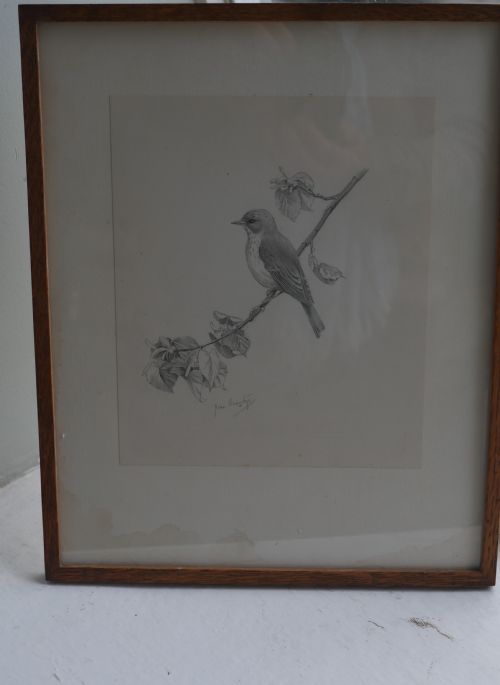
The selections available include academic figure drawings, botanical studies, architectural sketches, and animal portraits. Many arrive in period frames of wood and gold leaf, protected beneath glass.
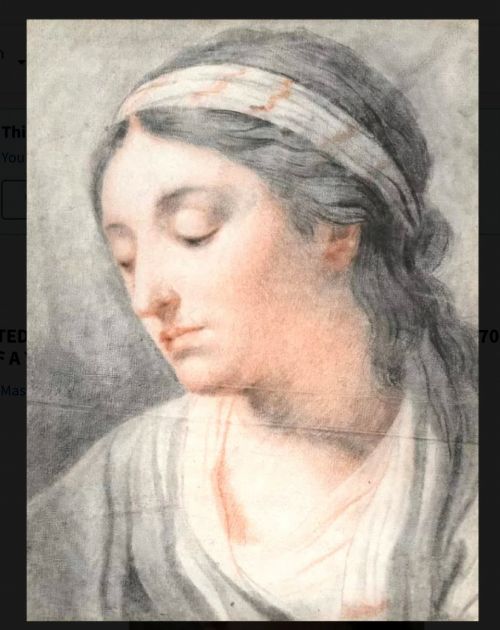
Portraits of named sitters and anonymous figures alike appear frequently, alongside copies after earlier masters and avant-garde compositions. Each piece records a distinct moment of observation or academic training.
Materials and technique
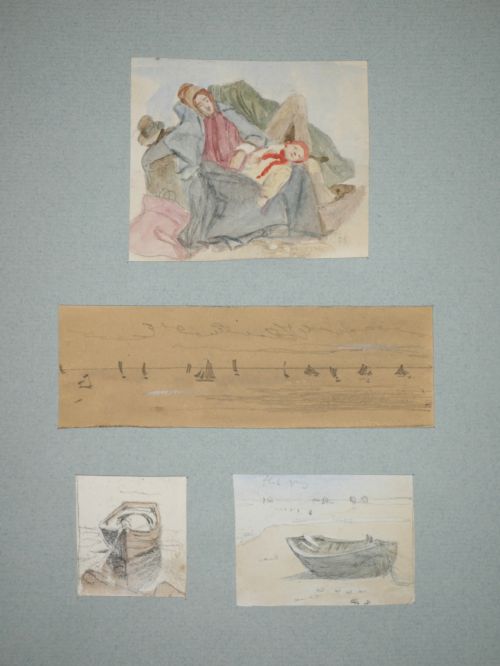
These works rely primarily on graphite, charcoal, and pencil applied to various surfaces including buff paper and standard drawing paper. Artists frequently integrated watercolour, gouache, or gold leaf to tint or highlight specific areas of the composition.
Draftsmen utilised sharpening tools and erasers to achieve tonal gradation, hatching, and cross-hatching. The physical support often shows age through toning and foxing, reflecting the natural degradation of historical paper stocks.
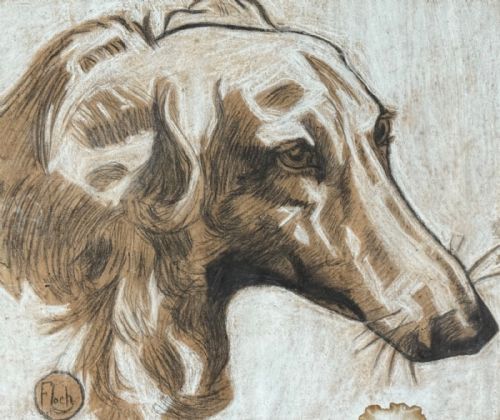
Among the historical subjects preserved in graphite, a watchful borzoi dog and a cheeky kitchen pet share space with notable historical figures.
Quality and execution
The strength of a drawing depends upon the confidence of the line and the precision of the underlying anatomy or perspective. A rapid studio sketch by a skilled hand often carries greater visual energy than a heavily worked academic exercise.
Condition plays a central role in valuation, specifically the stability of the paper and the absence of heavy damp staining. Original framing matching the period of the drawing enhances the historical integrity of the piece.
Henry Percy Huggill·James Smetham·Dame Laura Knight·Demetrios Galanis·Augustus Edwin John
The Framed Pencil Study Glossary
- Graphite
- A form of crystalline carbon used as a drawing medium in pencils. It produces grey or black marks that can be smudged for shading.
- Grisaille
- A painting or drawing executed entirely in shades of grey or neutral monochromatic tones. This technique often mimics the appearance of sculpture.
- Gouache
- An opaque watercolour paint composed of pigment, water, and a binding agent such as gum arabic. It provides solid, flat areas of colour.
- Foxing
- Brown spots and patches that develop on old paper due to chemical reactions involving iron impurities. It occurs commonly in nineteenth-century works.
- Cross-hatching
- An artistic technique of shading using closely spaced parallel lines intersected by another set of lines. It builds depth and tone in a drawing.
Framed Pencil Study: Frequently Asked Questions
How should I hang a framed pencil study?
Keep drawings away from direct sunlight to prevent the graphite and paper from fading over time. Indirect ambient light preserves the subtle tonal gradations.
Ensure the room maintains stable humidity levels to protect the historic paper and wooden frame from warping or developing further foxing.
Are these drawings original works?
The selection consists of original hand-drawn works on paper rather than mechanical reproductions or prints. Artists created these pieces directly as studies, portraits, or finished compositions.
Some examples include academic copies after earlier masters, which served as a standard method of artistic training in past centuries.
What is the difference between a study and a finished drawing?
A study is typically a preparatory exercise exploring a specific pose, lighting effect, or botanical detail for a larger project. These works often show visible corrections and looser linework.
Finished drawings are executed with the intention of standing alone as complete artworks, displaying greater attention to overall detail and composition.
How do I identify the period of a drawing?
The style of the costume, the watermark or texture of the paper, and any accompanying signatures or inscriptions provide primary clues to the date. Academic realism differs noticeably from later twentieth-century modernist approaches.
Framing materials and construction techniques also offer reliable indicators of age, though frames are sometimes replaced later in a piece's history.