


Framed Pastoral Scene Art
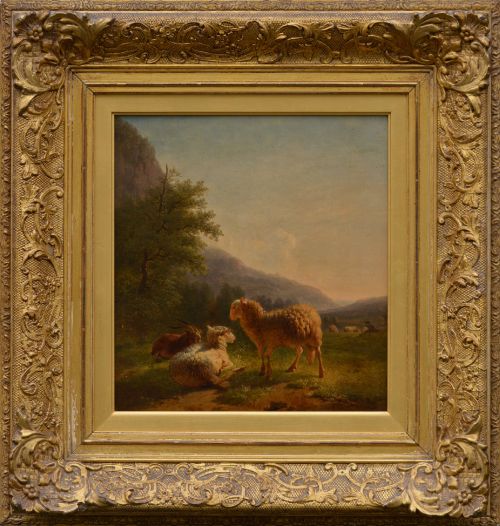
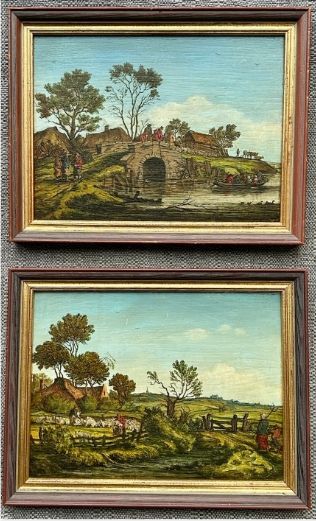
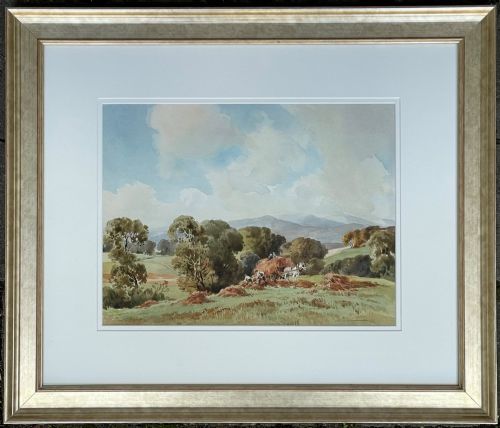
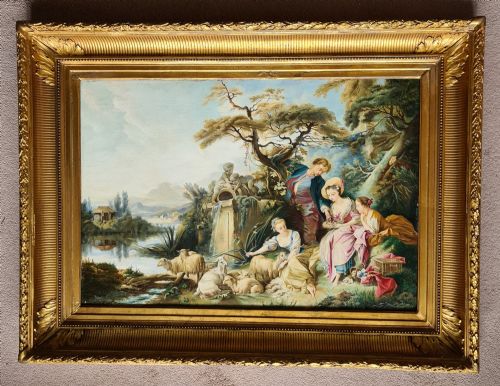
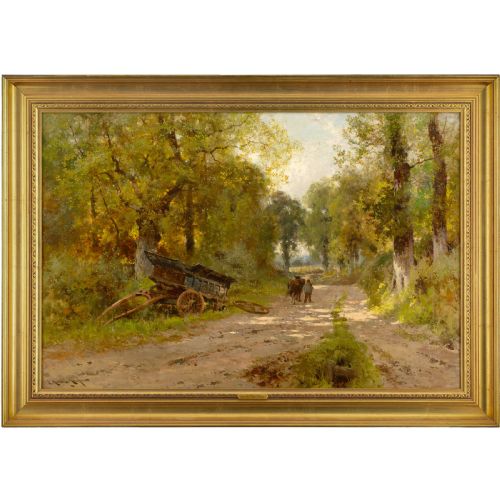
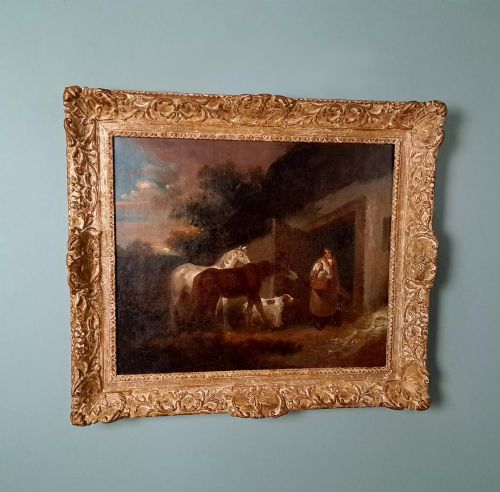
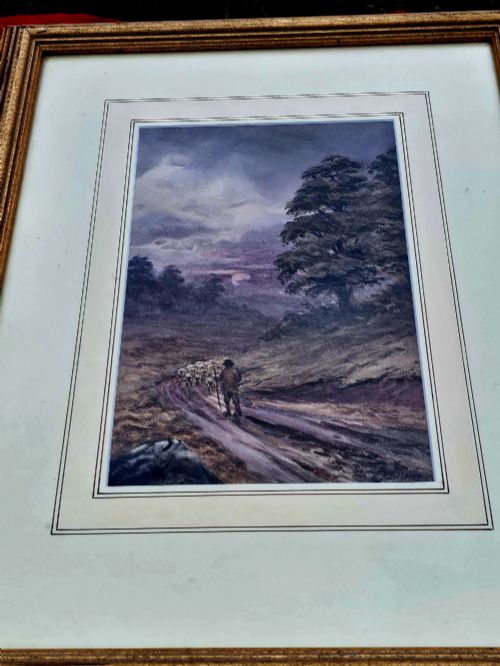
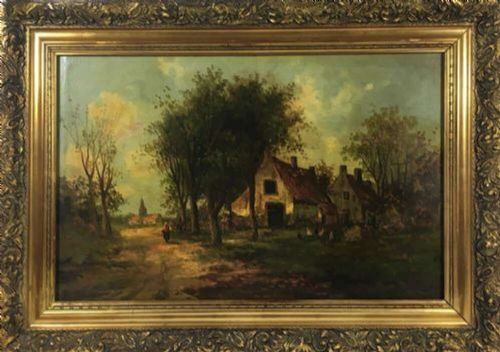
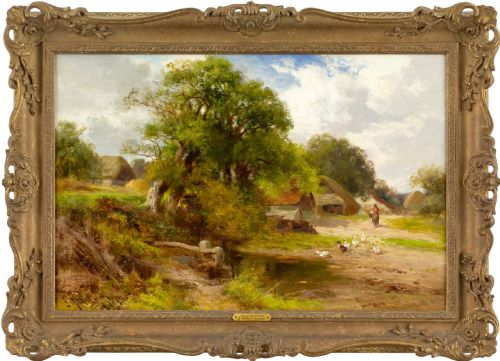
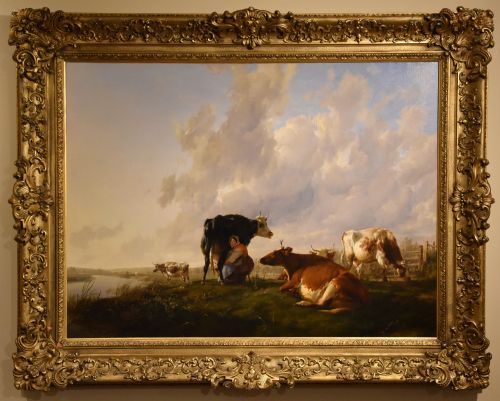
Framed pastoral scene art captures rural idylls through oil paintings and watercolours depicting shepherds, cattle and river landscapes.
Framed Pastoral Scene Art
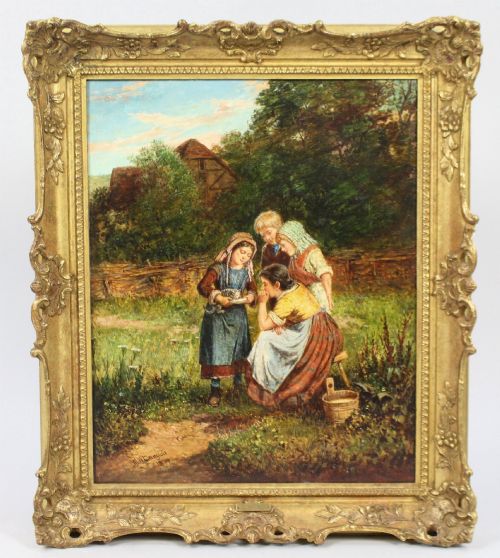
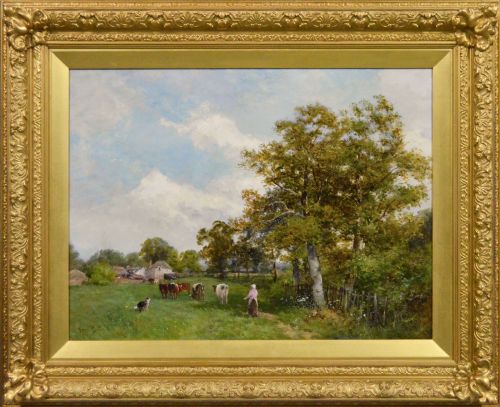
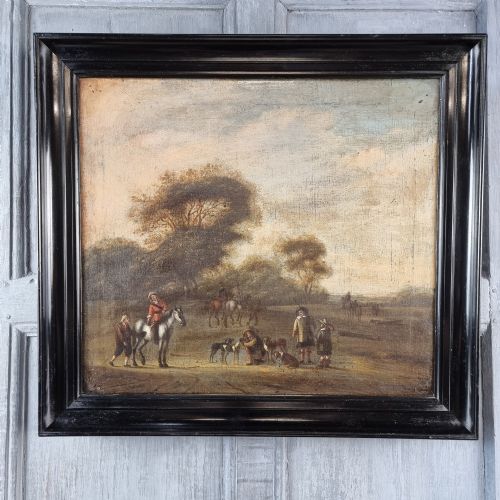
Framed pastoral scene art comprises paintings, watercolours, etchings and tapestries depicting rural life, agricultural work and natural landscapes. These works typically feature shepherds with flocks, cattle by rivers, farmyards and figures in woodland settings across various periods.
The versions met most frequently on this page date from the nineteenth century and the Edwardian era, rendered in oil on canvas or board, and on paper as watercolours. They reflect Victorian and Edwardian approaches to the countryside, alongside earlier eighteenth-century influences and continental European traditions.
The scope includes British and continental schools, encompassing detailed realism, impressionist touches and romantic interpretations of countryside scenes. These pieces serve as windows into historical agrarian life and traditional landscape aesthetics.
Materials and Construction
These works rely primarily on oil paint applied to canvas or wood panels, and watercolours executed on paper. Canvas supports often sit within wooden frames adorned with gesso and giltwood, providing structural enclosure and visual definition to the artwork.
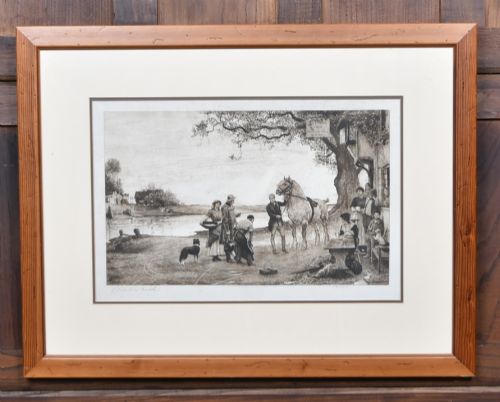
Graphic works utilise engraving and etching techniques on paper, capturing fine linear detail in rural subjects. Tapestry panels employ textile weaving methods to construct large-scale pastoral scenes on fabric.
Listings feature works in oil, watercolour, etching and tapestry from the seventeenth through to the early twentieth century.
Assessing Quality
Quality rests upon the handling of medium, compositional depth and the fidelity of anatomical and landscape rendering by the hand of the artist. Works displaying confident brushwork, nuanced light effects and balanced proportions stand apart from more mechanical productions.
The integrity of the supporting materials, including the preservation of the canvas or paper surface and the condition of the original or period frame, influences the standing of the piece. Attribution to a recorded artist or distinct school adds weight to the evaluation.
Eugène Verboeckhoven·William H Myers·GEORGE GRAHAM·W Klombeck·Percy Lancaster·Francois Boucher·John Horace Hooper·William Joseph Shayer Senior·EJ Letheren·Mark William Langlois·David Bates·Robert W Macbeth·Thomas Sidney Cooper·Frederick Walker·Richard Redgrave·George Oyston·Frederick James Kerr·Poussin·William Watson Jnr·Douglas Cameron·Johann Friedrich Voltz·T C Hofland·Henry H Parker·Miles Birkett Foster·Henry Schouten
The Framed Pastoral Scene Art Glossary
- Oil on Canvas
- Pigment suspended in a drying oil applied to a woven fabric stretched across a wooden frame. This medium allowed artists to build rich textures and deep colour gradations in rural landscapes.
- Watercolour
- Paint consisting of colour pigments suspended in a water-soluble vehicle, typically applied to paper. It produces transparent washes of light suited to atmospheric sky and water effects.
- Giltwood
- Wood carved and coated with gold leaf or a gold-coloured finish. This material formed ornate decorative frames for significant paintings.
- Etching
- A printmaking process where lines are incised into a metal plate through acid, holding ink for transfer to paper. It enabled the reproduction of detailed rural vignettes.
- Gesso
- A paint mixture consisting of a neutral binder mixed with chalk, gypsum, or pigment. It prepared wooden frames and panels to receive gilding or paint.
Framed Pastoral Scene Art: Frequently Asked Questions
What subjects appear in pastoral art?
These works depict agricultural scenes, including shepherds with sheep, cattle near rivers, farmyards and figures working in fields. They focus on traditional rural life and natural topography.
Artists drew inspiration from British and European countryside settings, recording rural labourers and livestock within wooded or river landscapes.
How do watercolours differ from oils here?
Watercolours use pigment on paper to create lighter, transparent effects ideal for atmospheric weather and open skies. Oils utilise thicker paint on canvas or wood, allowing for rich textures and deep tones.
Both mediums captured the rural environment during the nineteenth and early twentieth centuries through distinct technical approaches.
Which periods are represented?
The selection spans from the seventeenth century through the eighteenth and nineteenth centuries into the Edwardian period and the early twentieth century. This includes nineteenth-century realism and British impressionism.
Pieces reflect changing artistic interpretations of the rural idyll across successive generations of painters and printmakers.