



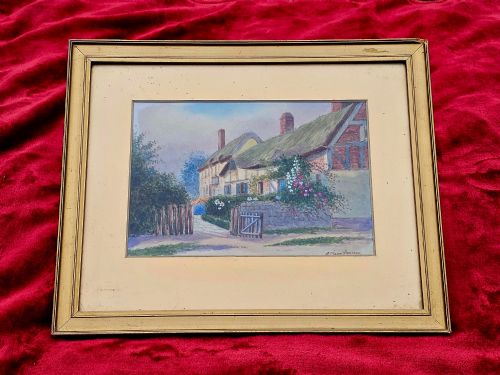
Framed Paper Watercolour Artwork
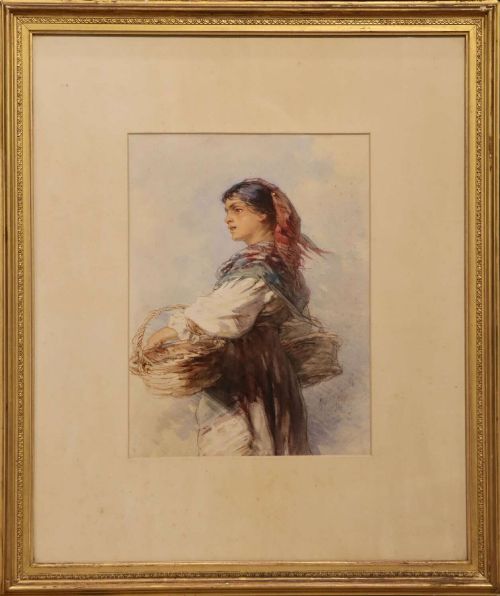
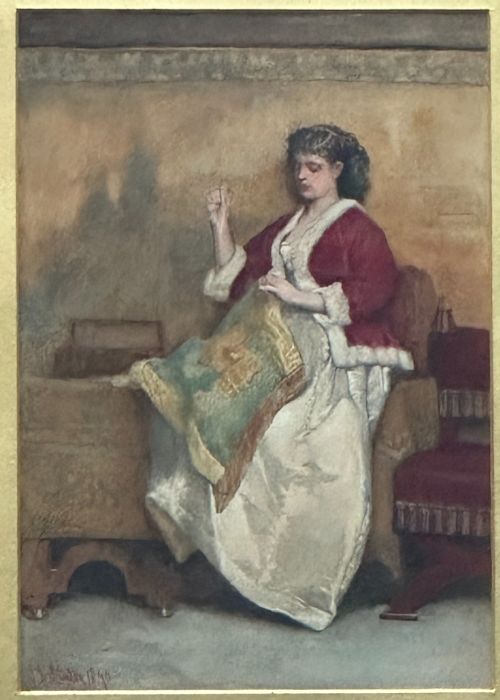
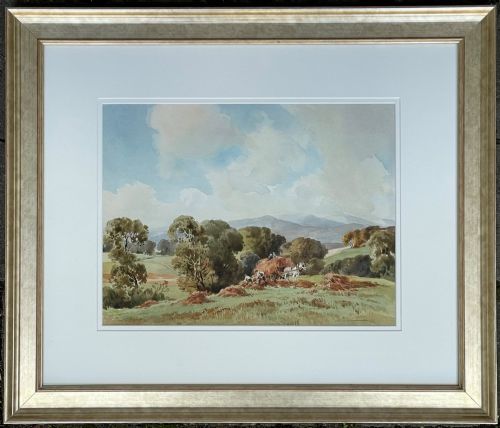
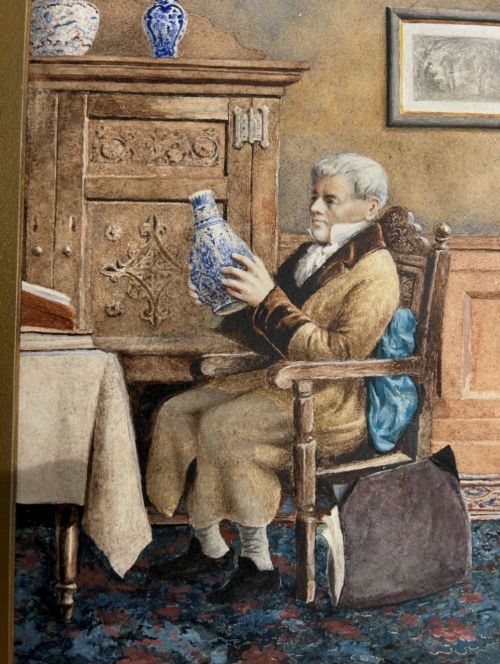
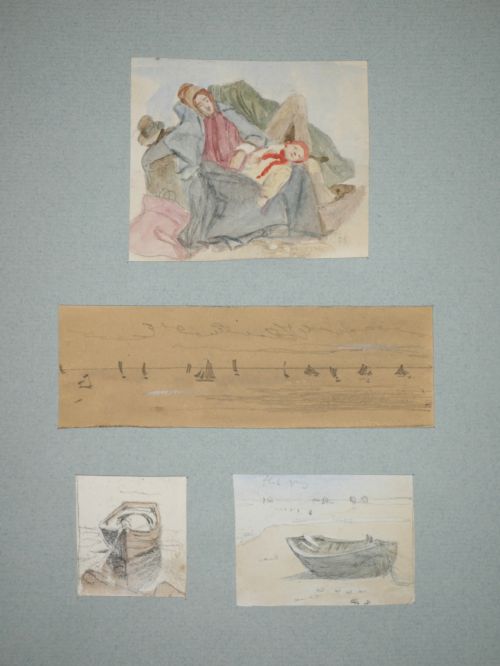
Framed paper watercolour artwork brings together nineteenth-century seascapes, coastal views, and portraiture behind glass in wooden frames.
Framed Paper Watercolour Artwork
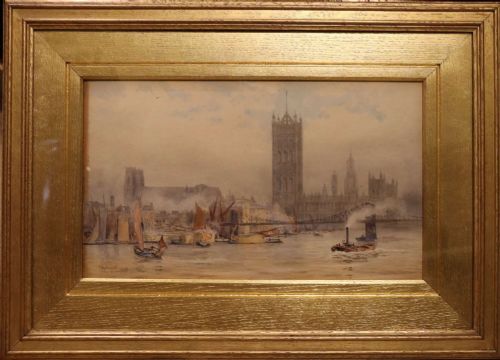
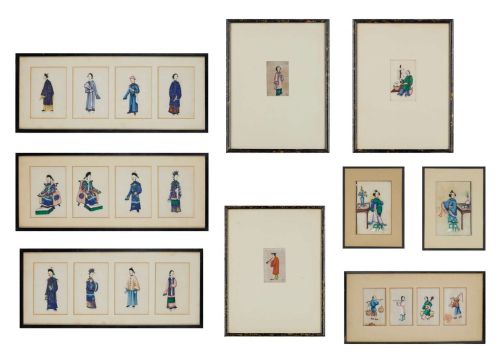
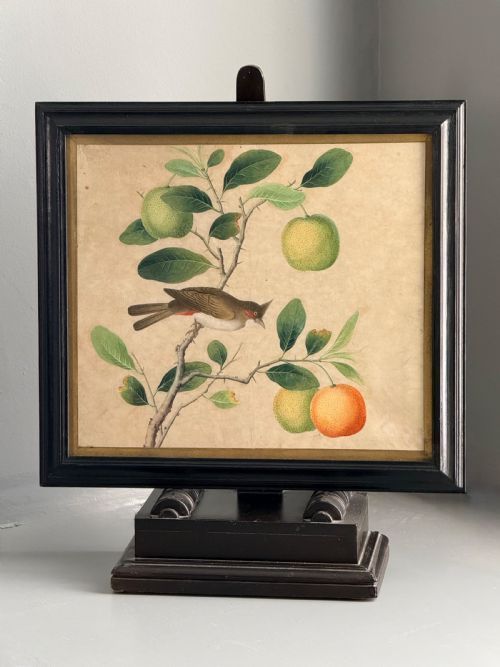
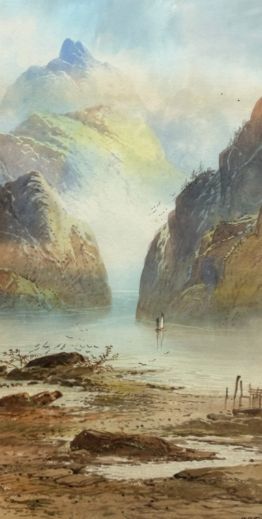
When searching for framed paper watercolour artwork, collectors encounter nineteenth-century British landscapes, coastal scenes, and maritime depictions. These works span Victorian and Edwardian periods, alongside Chinese export pith paper paintings and mid-century drawings.
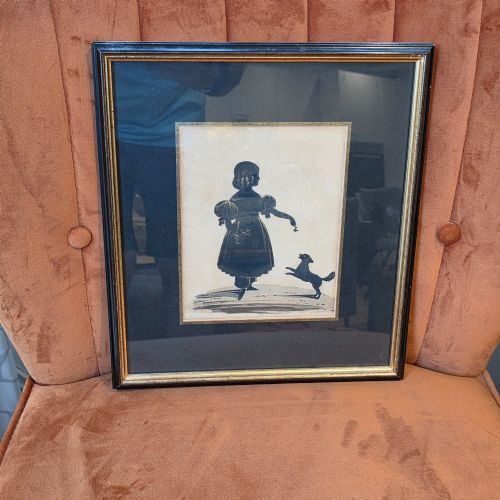
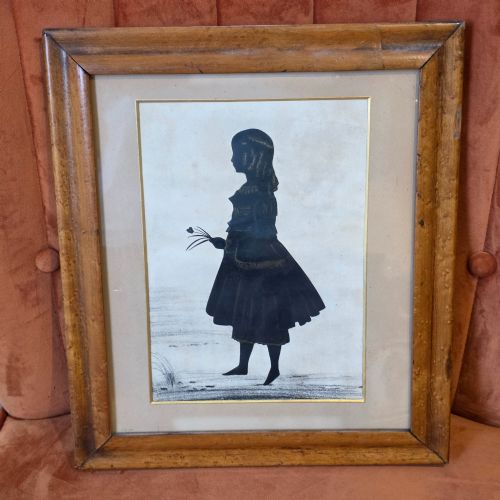
The pieces typically depict rural scenes, fishing boats, and town views rendered by regional artists. Works from the Georgian and Regency periods also appear, featuring cut paper silhouettes and portraits.
Most examples arrive ready to hang in period wooden frames behind protective glass. The selection ranges from detailed topographical studies to looser impressionistic sketches.
Materials and technique
Watercolour pigment is applied to paper or pith paper, sometimes combined with ink, wash, or gouache to build contrast and texture. Cut paper silhouettes incorporate precision scissor work mounted onto backing sheets.
Glazing with glass protects the delicate water-soluble pigments from moisture and atmospheric dust. Wood mouldings frame the sheets, frequently complemented by gold leaf accents or simple mounts.
Listings feature paper, watercolour pigment, gouache, and gold leaf, framed behind glass in wood.
Judgement of quality
Quality rests upon the artist's brushwork control and the preservation of the pigment's original tone. Strong composition and clear luminosity separate accomplished works from routine topographical exercises.
The integrity of the paper support and the retention of crisp detail in figures or architecture distinguish superior examples. Original framing and undisturbed backing papers add contextual value to the piece.
William James Hubard·James Orrock·William Henry Earp·Sir James Dromgole Linton·Thomas Ellison·Percy Lancaster·Henry Stacy Marks·James Smetham·A. Marie Parsons·John McDougal·Thomas John Horsley·Robert Leslie Howey·William Joseph Boyes·Frank Watson Wood·Henry Silkstone Hopwood·Muriel Metcalfe·Fred Lawson·Frank William Scarbrough·John Smith Atherton·Thomas Maidment·Henry de Waroquier·Bonomi Edward Warren·William Matthison·Joseph H Barnes
The Framed Paper Watercolour Artwork Glossary
- Gouache
- An opaque watercolour medium containing pigment mixed with a binding agent and white filler. It creates heavier, solid colour areas compared to transparent washes.
- Pith paper
- A delicate material sliced from the pith of the Tetrapanax papyrifer plant. It possesses a velvety texture that absorbs watercolour and gouache with high vibrancy.
- Wash
- A thin, translucent layer of diluted watercolour pigment flooded across the paper. It establishes expansive background tones such as skies or water.
Framed Paper Watercolour Artwork: Frequently Asked Questions
What is framed paper watercolour artwork?
These pieces comprise paintings executed in watercolour pigments upon paper supports, enclosed behind glass within protective wooden frames. The category encompasses maritime scenes, topographical views, and portraits.
Originating primarily from the nineteenth and early twentieth centuries, the works reflect diverse British and European artistic movements. Each piece relies on paper as the primary canvas for water-based pigments.
How were these watercolours displayed?
Historic watercolours required framing behind glass to shield the sensitive pigments from light degradation and airborne pollutants. Wood mouldings, often gilt or stained, secured the paper within the window mount.
Many retain their original period frames, which provide context regarding how nineteenth-century households exhibited works on paper. The glass also prevents physical contact with the delicate painted surface.
How do I care for watercolour art?
Keep watercolours away from direct sunlight to prevent the fading of fugitive pigments. Stable indoor humidity levels protect the paper support from warping or foxing over time.
Display the framed works on interior walls away from moisture sources such as kitchens or bathrooms. Leave the sealed backing intact to maintain the internal microclimate.
How do I identify Victorian watercolours?
Victorian watercolours frequently employ descriptive signatures, detailed brushwork, and specific paper watermarks. Subject matter often centres on narrative genre scenes, idealized landscapes, or maritime activity.
The style leans toward descriptive realism, utilising transparent washes built up in successive layers. Original framing materials and period inscriptions on the reverse offer additional dating evidence.