




Framed Paper Wall Map
A framed paper wall map brings centuries of cartography into a room, preserving engraved geography behind glass in traditional wood and gilt frames.
Framed Paper Wall Map
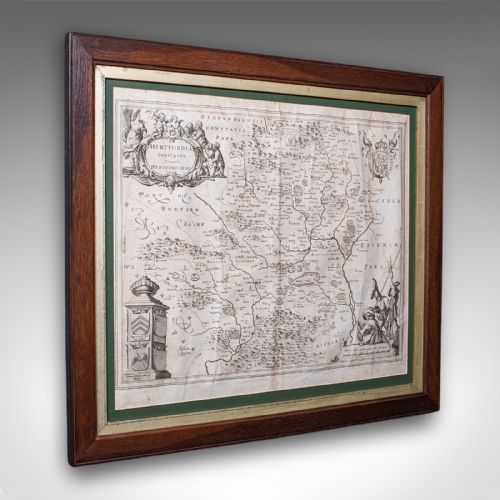
A framed paper wall map represents historical cartography produced across the seventeenth, eighteenth, and nineteenth centuries. These pieces encompass county surveys, town plans, regional atlases, and world maps issued by notable European cartographers and publishers.
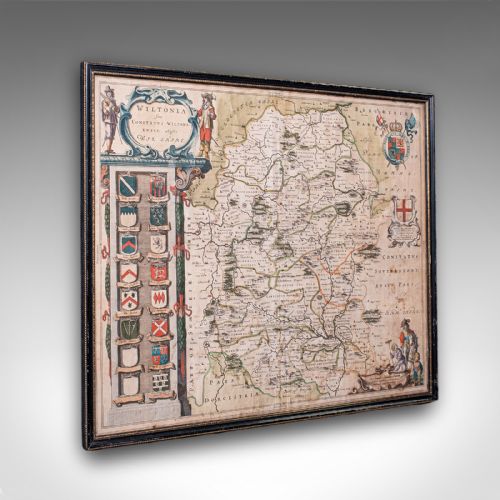
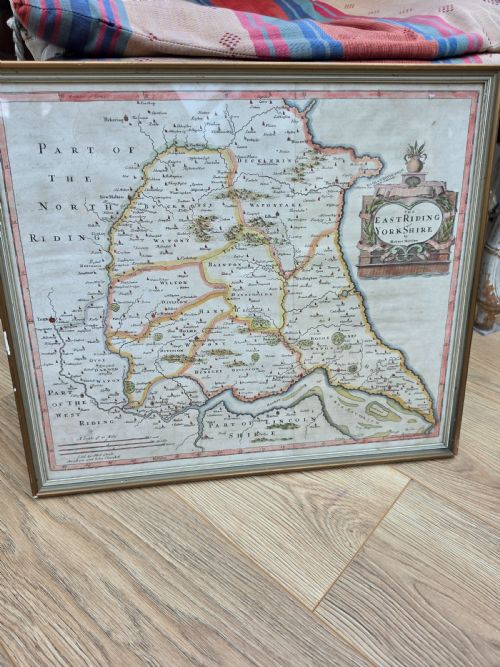
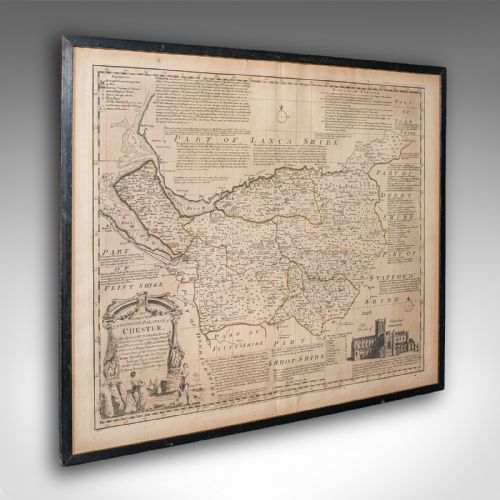
The most common examples encountered in this selection are English and Dutch county maps from the seventeenth and eighteenth centuries. Works by cartographers such as Robert Morden, John Speed, and Joan Blaeu frequently appear, often featuring hand-coloured details and Latin or English text.
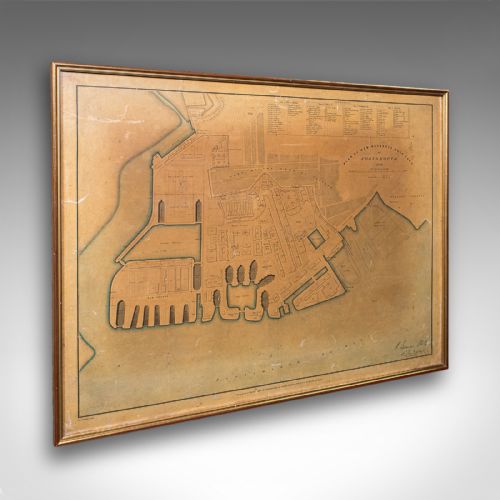
Beyond domestic county maps, the selection includes continental cartography, town plans like Portsmouth Dockyard, and distant territories such as Asia, Jamaica, and New Netherlands. These wall charts and framed prints reflect changing geographical knowledge and administrative developments over several hundred years.
Assessing the examples
Quality rests primarily on the clarity of the plate impression and the precision of the original engraving. Crisp lines, legible typography, and well-preserved ink distinguish superior printings from worn impressions pulled late from the printing plate.
The survival of original hand colouring and the condition of the paper sheet heavily influence the character of each piece. Intact margins, stable paper without excessive toning, and sympathetic period framing elevate the overall presentation.
Listings feature paper maps produced across the seventeenth, eighteenth, and nineteenth centuries, utilising ink, watercolour, oak, and gilt wood.
John Speed·Joan Blaeu·Robert Morden·Johannes Janssonius·Emanuel Bowen·Thomas Jefferys·Jas Wyld
The Framed Paper Wall Map Glossary
- Cartography
- The science or practice of drawing maps. Early examples often combined geographical survey with decorative artistic embellishments.
- Cartouche
- A decorative frame or tablet on a map enclosing the title, scale, or dedication. These are frequently ornate and stylised according to the period.
- Atlas
- A bound collection of maps, though many plates listed here were successfully removed from historical volumes for framing. Joan Blaeu's Atlas Novus is a prominent example.
- Engraving
- A printmaking technique where an image is incised into a metal plate, holding ink that transfers to paper under pressure. This method provided the fine lines characteristic of antique maps.
- Pedigree
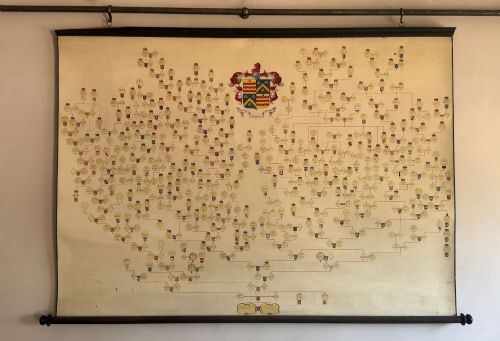
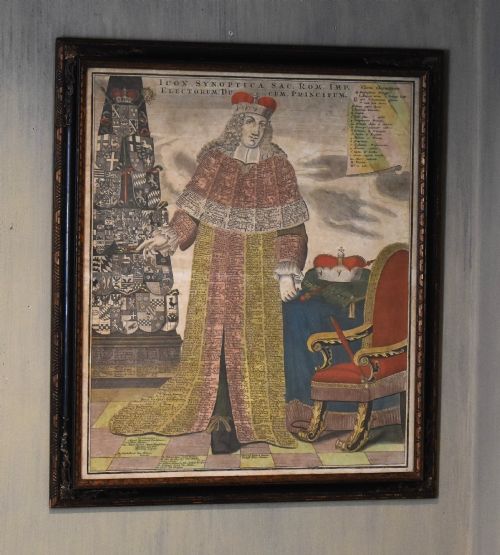
- A genealogical table or chart tracing a family lineage. Items such as the Drummond family pedigree appear alongside geographical maps within historical paper records.
Framed Paper Wall Map: Frequently Asked Questions
How do I date an antique map?
Dating relies on internal evidence such as cartographer signatures, dedication texts, publishing dates, and historical place names. Stylistic clues in the surrounding typography and decorative cartouches also help narrow the timeframe.
Comparison with known editions published in works like Camden's Britannia or Blaeu's atlases provides further chronological certainty.
Were these maps originally made to be framed?
Many early maps were originally bound into reference books or folding pocket atlases rather than intended for wall display. Over time, collectors and owners chose to frame individual plates to protect and exhibit them.
Consequently, surviving sheets often display central fold lines or stitch marks from their previous existence inside bound volumes.
Is hand colouring on these maps original?
Colouring was frequently applied by hand in the workshop at the time of publication to distinguish boundaries and territories. Examining the pigment under magnification helps determine whether the tinting dates from the period of printing.
Contemporary wash colours integrate smoothly with the ink lines, whereas later modern additions can sometimes appear heavy or flat against aged paper.
How should I care for a framed paper map?
Display the piece away from direct sunlight and fluctuating humidity to prevent the paper from fading and the framing timber from warping. Ultraviolet-filtering glass offers an extra layer of preservation against light damage.
Avoid hanging paper items on damp exterior walls, and keep them in stable indoor environments to maintain the integrity of both the paper and the ink.