




Framed Painting Decor
Framed painting decor brings historical depth to a room through centuries of oils, watercolours, and moulded reliefs.
Framed Painting Decor
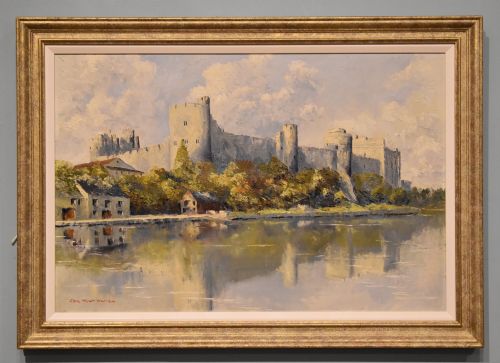
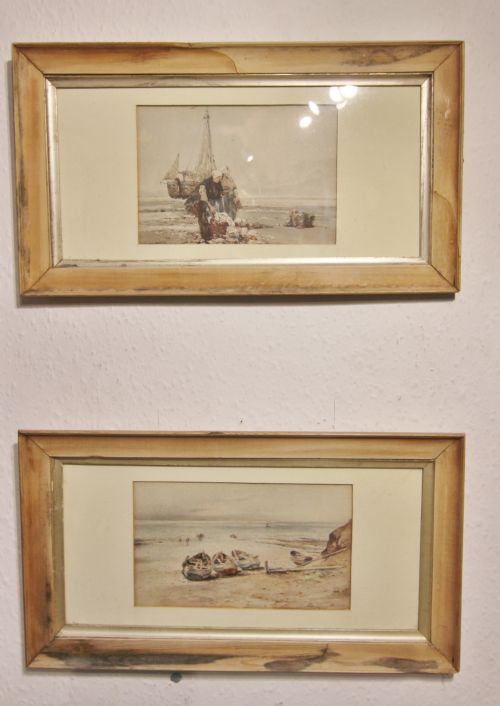
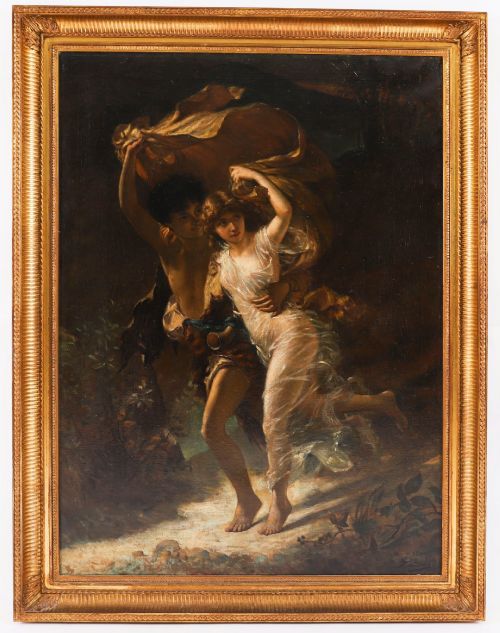
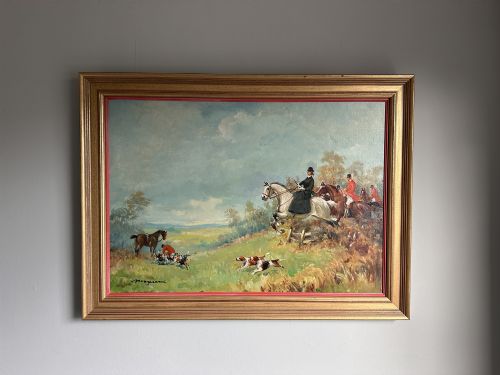
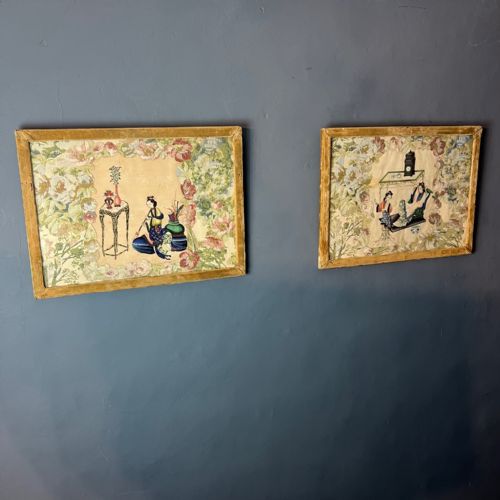
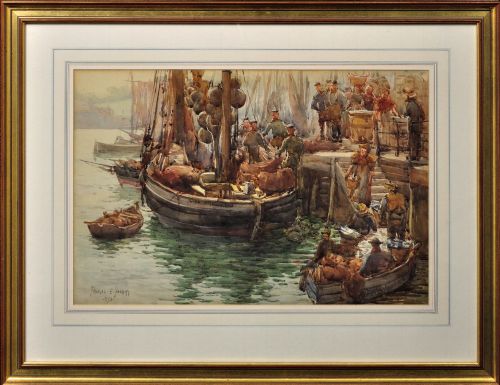
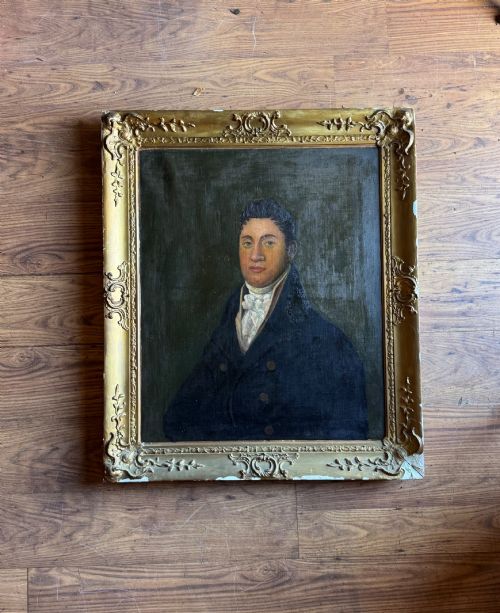
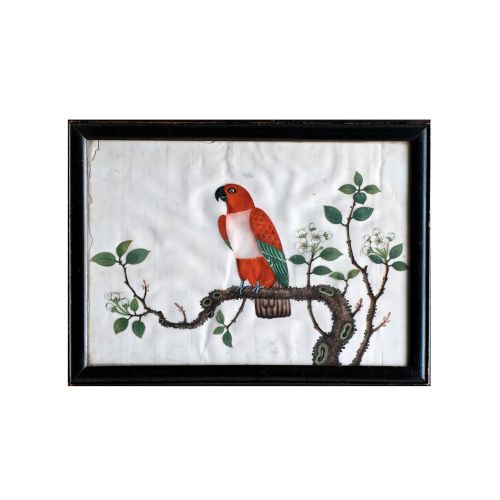
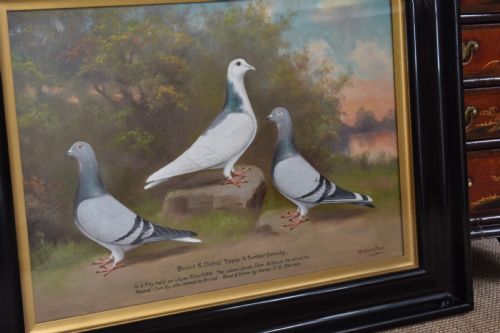
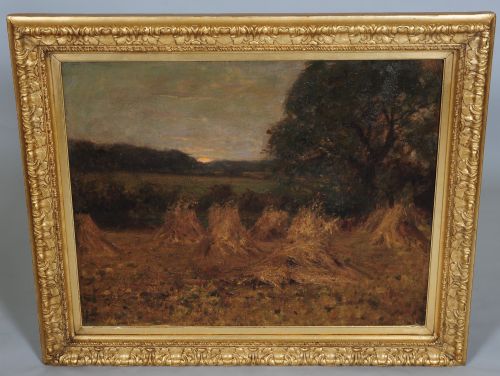
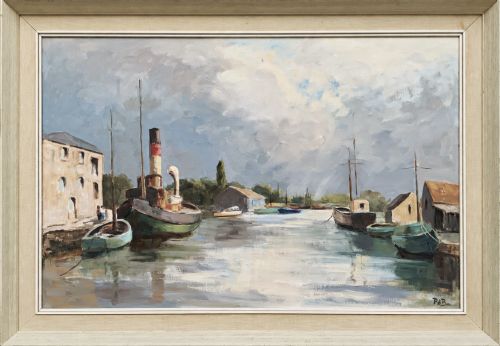
When searching for framed painting decor, a buyer encounters a diverse assembly of wall art spanning multiple centuries, from Georgian portraits to mid-century British equestrian scenes. The selection encompasses oil paintings on canvas and panel, delicate watercolours, reverse glass prints, and polychrome plaster reliefs.
The most common representations on this page lean heavily towards oil paintings on canvas, winter landscapes, maritime seascapes, and still lifes depicting flowers or fruit. These works arrive enclosed in wood and giltwood frames, ready for display as central decorative elements in domestic interiors.
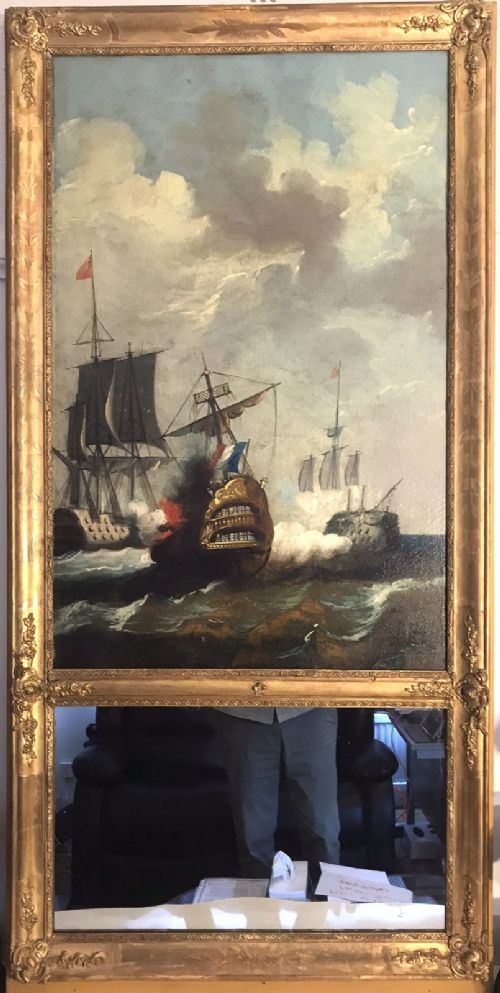
Originating from British and Dutch traditions, the pieces range from intimate floral watercolours to large-scale maritime battles and sporting portraits. Each item carries the material characteristics of its period, whether that involves nineteenth-century canvas or mid-century board.
Methods and Materials
The physical construction of these pieces relies on traditional painterly mediums applied to supportive substrates such as canvas, wood panel, paper, and glass. Artists utilised oil paint, watercolours, gouache, and ink alongside hand-painted polychrome pigments on plaster reliefs.
Surrounding the artwork, the frames utilise wood and giltwood construction, sometimes incorporating carved or moulded details that reflect the aesthetic tastes of Georgian, Victorian, and Edwardian periods.
Framed Painting Decor Retail Price Guide 2026
Typical asking prices for framed painting decor among the pieces listed under this phrase on Sellingantiques today, from the lower quarter to the upper quarter. They describe what is for sale here now, not the wider market.
The listings feature works spanning the Georgian, Victorian, Edwardian, and mid-century periods, utilising oil paint, watercolour, and giltwood.
Judging Quality
Quality in these works rests upon the precision of the brushwork, the depth of composition, and the fidelity with which the subject is rendered. A skilled hand captures light, texture, and anatomical or botanical accuracy with confidence, whereas lesser pieces display stiff lines and flat tonal transitions.
The integrity of the supporting substrate and the harmony between the artwork and its frame also dictate overall standard. Original frames that complement the age and style of the painting elevate the piece far above those housed in mismatched or modern replacements.
Gaastra·Lionel Ellis·James Hardy·Fletcher·Sebastiaan Vrancx·William McAlpine·Lemuel Francis Abbott·Jean-Baptiste Greuze·Thomas Beach·John Sargent Noble·George Rankin·Albert Clark·Frye·John A. Monteith
The Framed Painting Decor Glossary
- Oil on Canvas
- Pigment mixed with drying oil applied to a woven fabric surface stretched over a wooden frame. This technique allows for rich colour blending and textured impasto application.
- Giltwood
- Wood carved and coated with a thin layer of gold leaf or gilt powder. It is frequently seen on decorative frames from the Georgian and Victorian eras.
- Watercolour
- A painting method where paint is made of pigments suspended in a water-soluble vehicle. It is typically executed on paper to create translucent, luminous effects.
- Reverse Glass Mezzotint
- An image transferred or painted onto the underside of a glass pane and viewed through the front. This method imparts a glossy finish and protects the pigment from atmospheric dirt.
- Plaster Relief
- A sculptural wall piece cast or carved in three dimensions from plaster and finished with polychrome paint. It projects outward from a flat background to create shadow and form.
Framed Painting Decor: Frequently Asked Questions
How do I hang a heavy oil painting?
Heavy oil paintings require secure wall anchors and appropriate picture wire fixed firmly to the wooden stretcher or frame. Ensuring the weight is distributed across two hanging points prevents the frame from tilting over time.
Position the centre of the painting at eye level, typically around eye height from the floor, to achieve a balanced visual weight within the room.
Can I place these paintings in direct sunlight?
Direct sunlight causes significant fading in organic pigments, watercolours, and oil paints over extended periods. Placing works away from intense windows preserves the integrity of the colours.
Rotating pieces within your home or utilising UV-filtering glass provides additional protection against environmental light damage.
How do I clean an antique giltwood frame?
Dust giltwood frames gently with a soft, dry brush or a feather duster to remove surface particles without disturbing the delicate gold leaf. Avoid moisture and chemical cleaning agents, which strip the metallic finish.
If stubborn grime persists, consult a professional conservator rather than attempting solvent cleaning at home.
What is the difference between a watercolour and an oil painting?
Watercolours utilise water-soluble pigments on paper under glass, resulting in a matte, luminous finish that requires protection from moisture. Oil paintings use oil-based pigments on canvas or panel, offering a heavier texture and greater durability.
Oils do not require glass framing, allowing the actual brushwork and canvas grain to remain exposed to the air.