



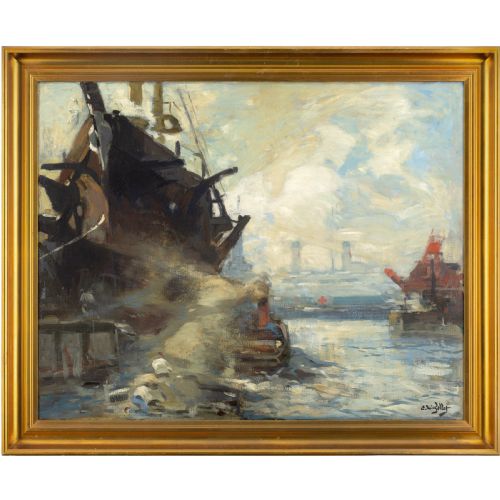
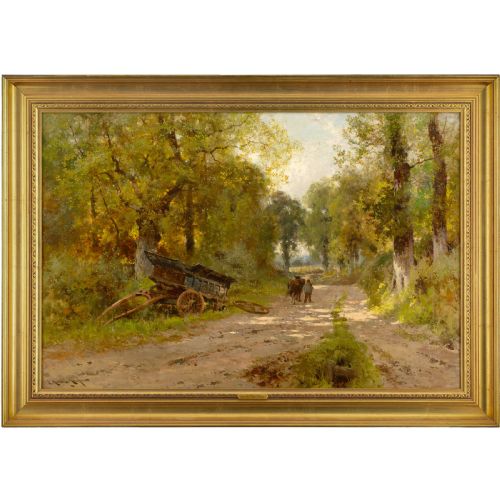
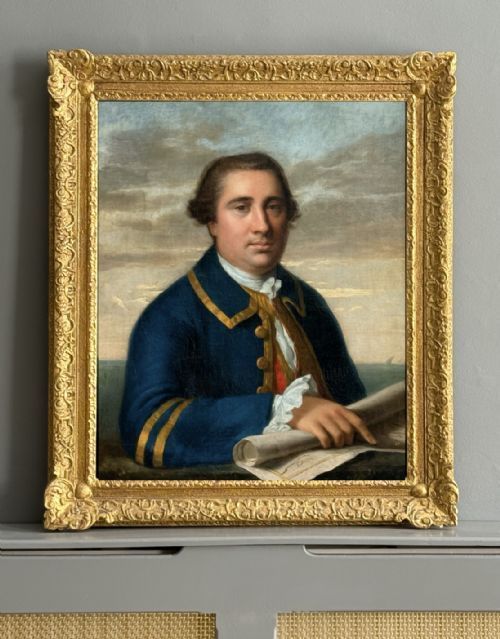
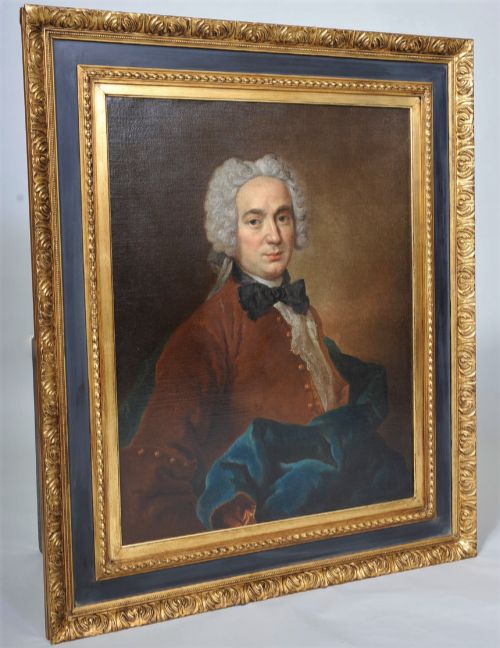
Framed Original Canvas Painting
A framed original canvas painting brings direct hand-painted texture and period atmosphere into a room.
Framed original canvas painting
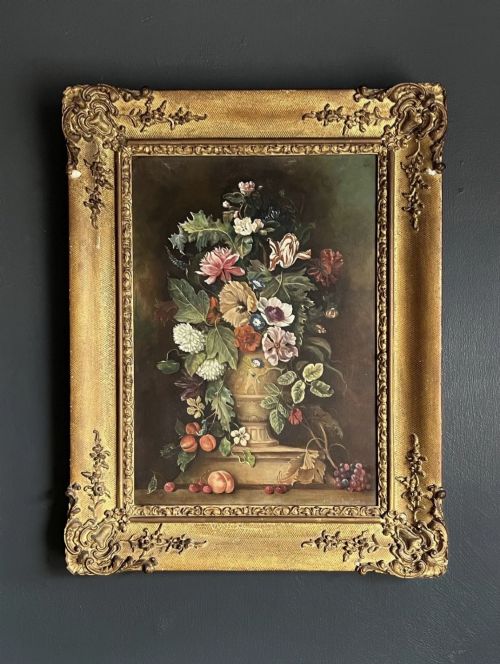
A framed original canvas painting is a singular artwork executed by hand on woven fabric, housed within its period border. The selections span from seventeenth-century Dutch school portraits to mid-century modern landscapes and surrealist compositions.
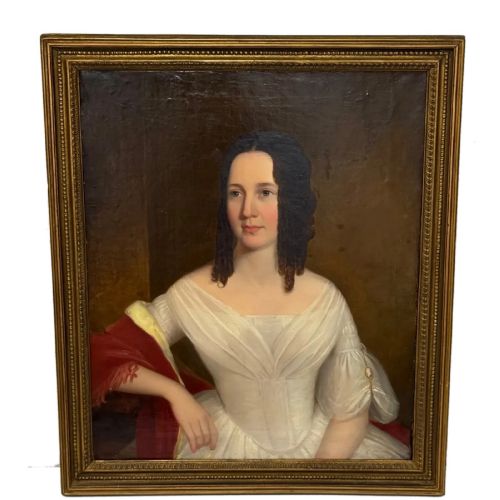
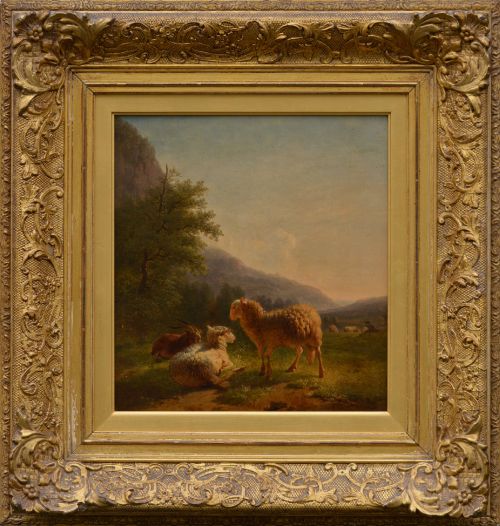
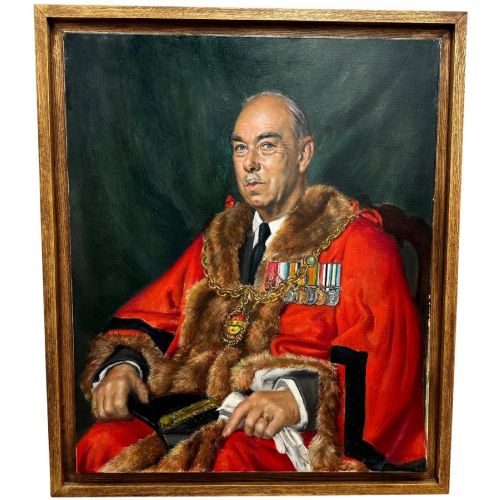
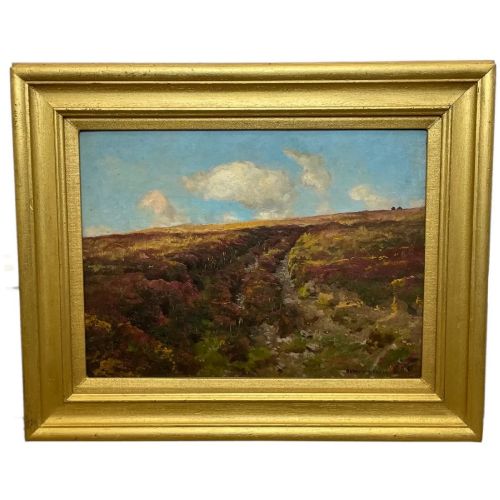
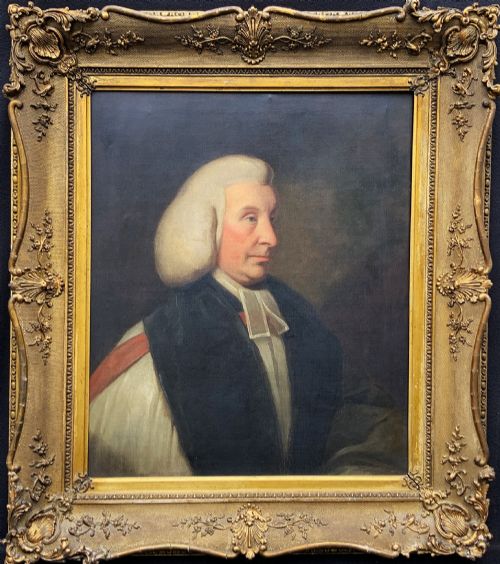
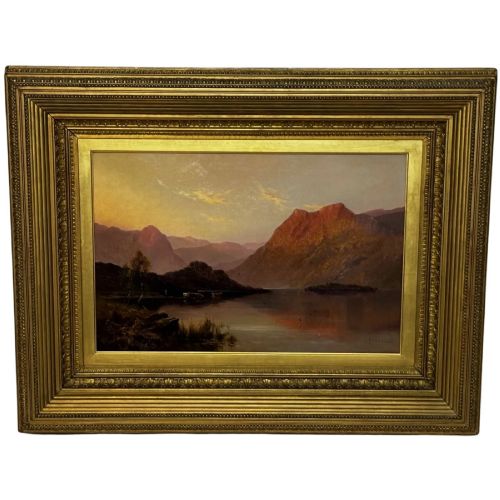
The primary forms met on this page include rural landscapes, maritime scenes, farmyard studies and figurative portraits. These works capture subjects ranging from winter skating scenes to intimate depictions of Victorian gentlemen and ladies.
Originating across British, European, Dutch and Spanish schools, these pieces demonstrate diverse regional approaches to paint application and subject matter. Each canvas retains the distinct touch of the artist who worked upon it.
Materials and technique
Artists utilised oil paint applied directly onto stretched canvas, sometimes supported by linen or laid onto board. The drying properties of oil allowed creators to blend tones gradually and build rich, layered surfaces over weeks or months.
Surrounds take the form of gilt wood and giltwood frames, which provide structural support and aesthetic containment for the artwork. These surrounds frequently employ moulding and ornamentation characteristic of their respective periods.
Retail Price Guide 2026
Typical UK retail prices for framed original canvas painting, calculated from the Sellingantiques database of over a million retail prices indexed since 2003. This retail price guide relies exclusively on Sellingantiques data; no external sources or auction records are used, so the figures do not describe the wider market.
Several canvases capture domestic animals at leisure, including curious pigs feeding and cattle pausing by country rivers.
Standards of execution
Quality rests upon the confidence of the brushwork and the anatomical or spatial accuracy achieved by the painter. Stronger examples display deliberate handling of light and shadow, creating convincing depth within landscapes or expressive vitality in portraits.
The integrity of the canvas and the preservation of the original paint layer distinguish superior examples. Finer pieces maintain their structural tension and display minimal intervention across the pictorial surface.
David Teniers The Younger·Louis Smets·Thomas Thomas·Alfred Seifert·Vincent Galloway·Kevin Platt
The Framed Original Canvas Painting Glossary
- Canvas
- A heavy woven fabric stretched across a wooden stretcher frame to serve as a support for oil paint. It provides a flexible yet durable ground for brushwork.
- Dutch School
- A stylistic grouping representing seventeenth-century painters from the Netherlands renowned for realism and mastery of light. Works in this manner often depict domestic interiors or detailed landscapes.
- Mid-Century Modern
- A design and art movement spanning the middle decades of the twentieth century. Paintings from this period favour simplified forms and modernist palettes.
Frequently Asked Questions
How do I date an oil painting?
Dating relies upon stylistic markers, costume details in portraits, and the construction methods of the stretcher and frame. Pigment analysis and canvas preparation techniques also provide chronological indicators.
Signatures, inscriptions on the reverse, and artist biographies help narrow the window of creation. Comparing the handling of paint with documented works from specific schools clarifies the period further.
How should I hang canvas art?
Canvas paintings require stable wall fixtures capable of supporting the combined weight of the artwork and its heavy wood frame. Hardware should be secured directly to wall studs or use appropriate masonry anchors.
Placement must avoid direct sunlight and sources of excessive heat or moisture, which cause canvas to slacken and oil paint to crack. Maintaining consistent indoor climate conditions protects the fabric and pigment.
What is the Dutch School?
The Dutch School encompasses artists working within the traditions established by seventeenth-century painters in the Netherlands. These works emphasise naturalistic rendering, atmospheric lighting, and everyday subject matter.
Later artists working in the manner of this tradition adopted similar tonal harmonies and compositional structures. Such pieces carry historical resonance tied to the golden age of European painting.