

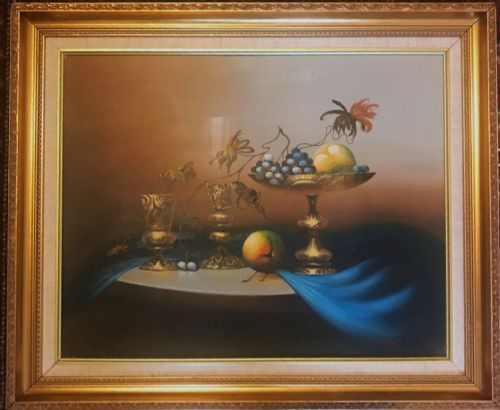
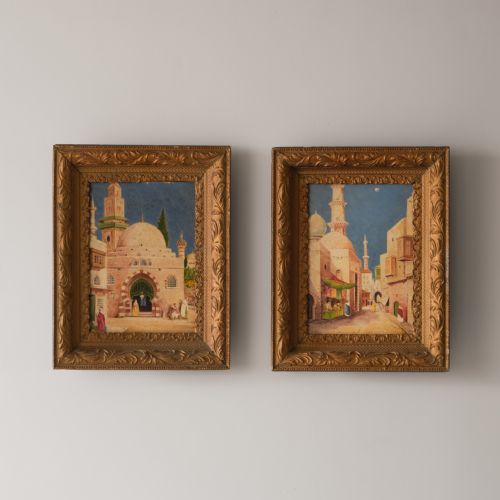
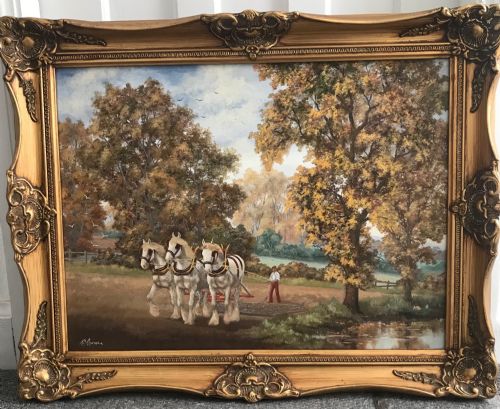
Framed Oil Artwork
Framed oil artwork brings centuries of pigment, canvas and carved wood together on the wall, offering rich textures and deep historical presence.
Framed Oil Artwork
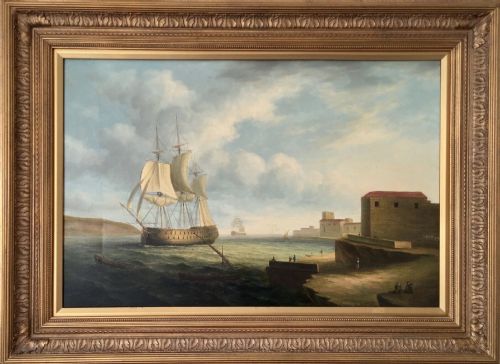
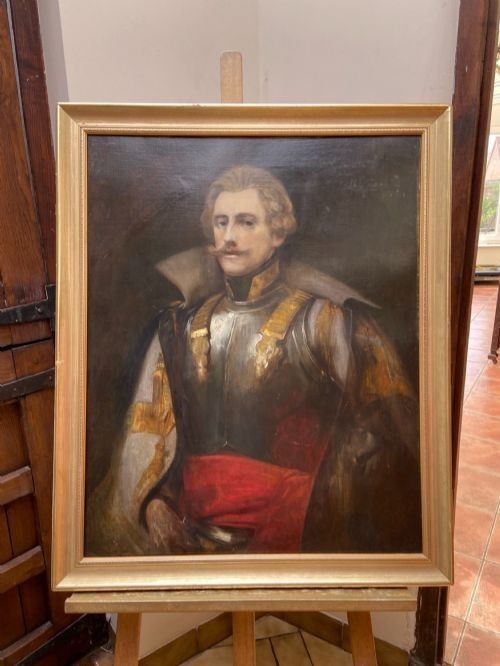
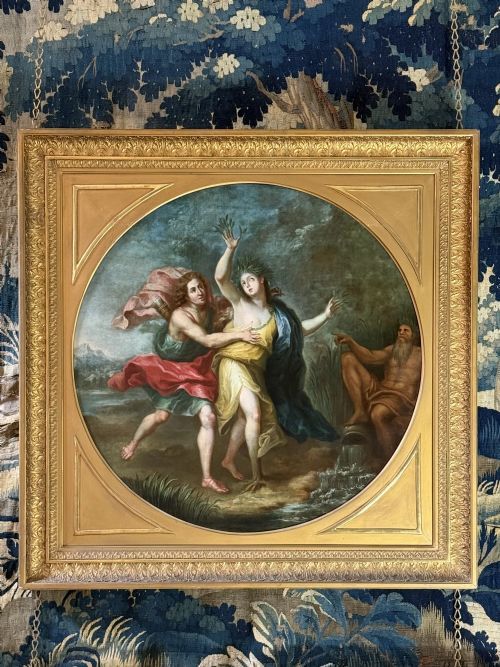
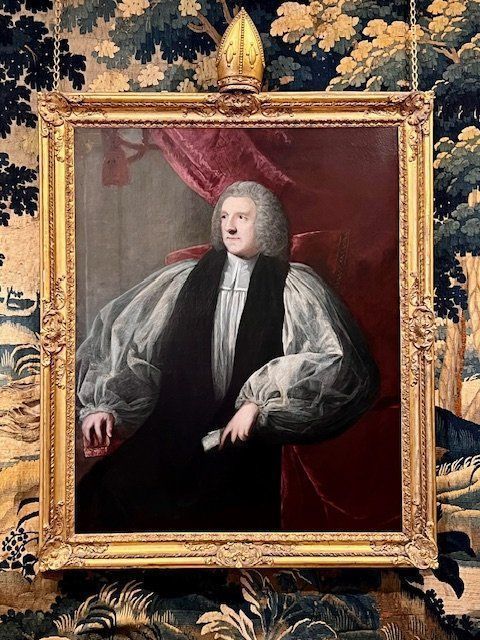
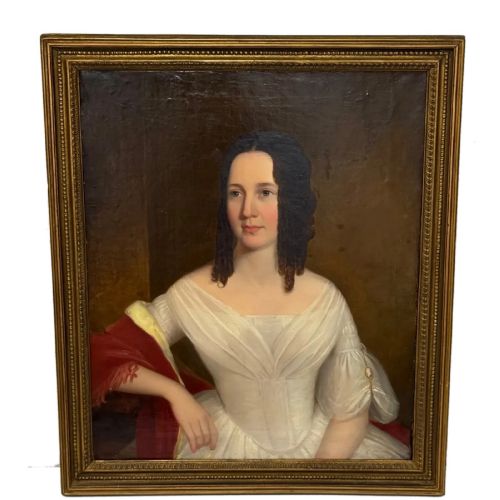
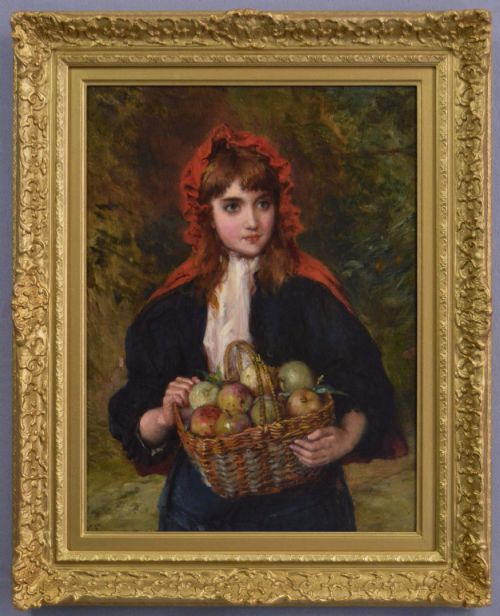
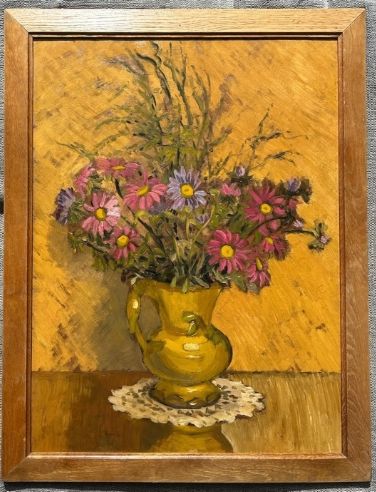
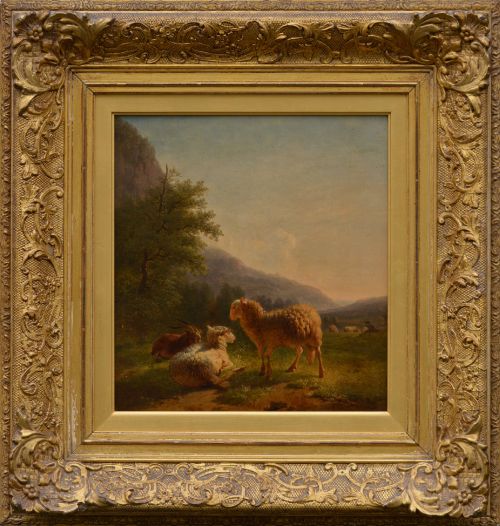
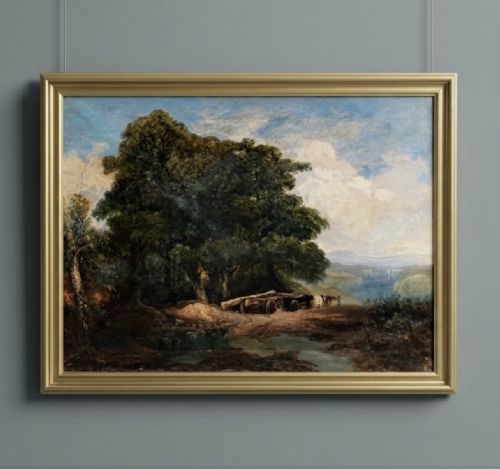
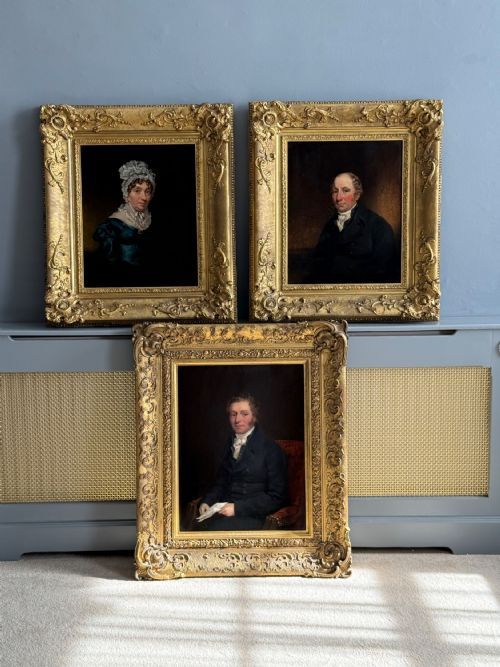
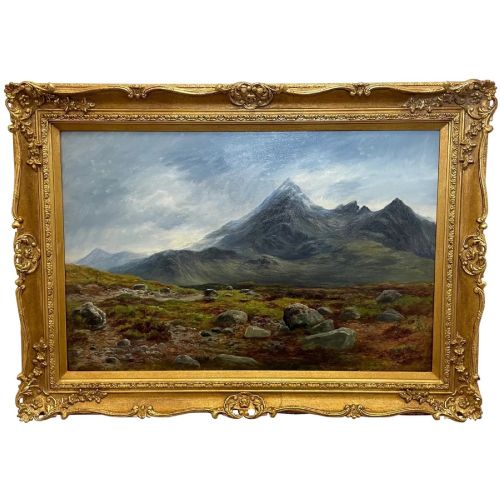
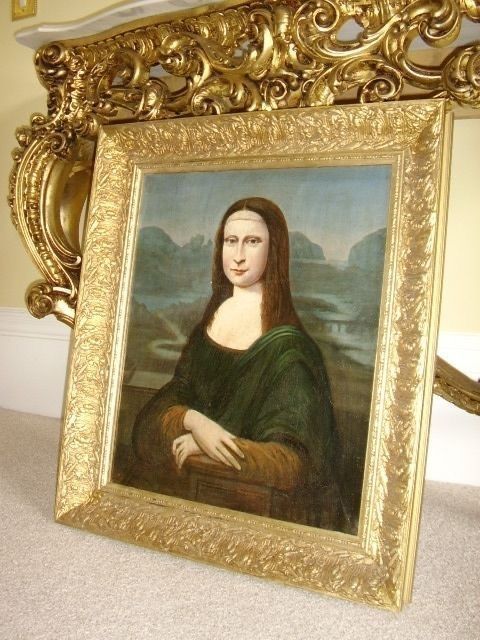
A search for framed oil artwork reveals historical paintings spanning from the seventeenth century through to the mid-twentieth century, encompassing portraits, landscapes, and still lifes. Buyers most frequently encounter nineteenth-century canvases and panel paintings housed in period surrounds, representing both formal portraiture and pastoral scenes.
The enclosing frames form an integral component of these objects, utilising carved wood, gilt, and giltwood to complement the painted surface. These mountings often reflect the aesthetic of their period, from heavy Baroque moulding to simpler Edwardian profiles.
Materials and construction
Painters applied oil paint using various binders and pigments onto stretched canvas, wooden panels, or rigid boards. This medium allowed artists to build up translucent glazes and thick impasto strokes that retain their texture over centuries.
Makers constructed structural supports from timber stretchers or solid wood panels, frequently pairing the completed painting with custom-built giltwood or carved wooden frames.
Framed Oil Artwork Retail Price Guide 2026
Typical asking prices for framed oil artwork among the pieces listed under this phrase on Sellingantiques today, from the lower quarter to the upper quarter. They describe what is for sale here now, not the wider market.
Listings feature works spanning the seventeenth through the mid-twentieth centuries, utilising oil on canvas, wood panels, and giltwood frames.
Quality and execution
Mastery of proportion, lighting, and brushwork separates ambitious academic compositions from simpler naïve or decorative works. Superior handling of facial anatomy in portraiture or atmospheric depth in landscape painting indicates a practiced hand.
The integrity of the original support and the condition of the pigment layer dictate overall excellence. Well-preserved surfaces retain their original colour relationships without excessive overpainting or structural distortion to the canvas and panel.
Sir Joshua Reynolds·Eugène Verboeckhoven·Sir Peter Lely·William Oliver·John Opie
The Framed Oil Artwork Glossary
- Canvas
- A heavy woven fabric stretched across a wooden frame to serve as a stable support for oil paint. It provides a textured surface that interacts with applied layers of pigment.
- Giltwood
- Timber carved and coated with a thin layer of gold leaf or metallic powder. This material is standard for ornate period picture frames.
- Impasto
- Paint applied in thick strokes that stand proud of the canvas surface. This technique preserves the physical gesture of the brush.
- Panel painting
- An artwork executed on a flat piece of wood rather than flexible fabric. Panels offer a rigid ground favoured in earlier centuries.
- Provenance
- The documented history of ownership associated with a painting. Clear records help establish authenticity and past exhibitions.
Framed Oil Artwork: Frequently Asked Questions
How do I hang a heavy framed oil painting safely?
Secure the hanging wire or D-rings to the structural wooden members of the frame rather than relying on decorative trim. Fasten directly into wall studs using rated hardware appropriate for the weight of the piece.
Position the artwork away from direct sunlight and heat sources to protect both the canvas and the wooden support from warping or fading over time.
What is the difference between canvas and panel supports?
Canvas consists of woven fabric stretched over a wooden frame, offering flexibility and a distinctive surface texture. Panels utilise rigid wood or board, providing a completely firm foundation for detailed brushwork.
Artists frequently chose panels for smaller works and earlier periods, while canvas became the preferred medium for larger compositions due to its lighter weight and durability.
How should I clean a vintage oil painting?
Dust the surface gently using a soft, dry artist's brush to remove loose particles without disturbing the pigment layer. Avoid using water, household cleaners, or chemical solvents on the paint.
Professional conservators should handle deeper cleaning, such as the removal of aged varnish or accumulated grime, to prevent permanent damage to the original artwork.