




Framed Nude Artwork
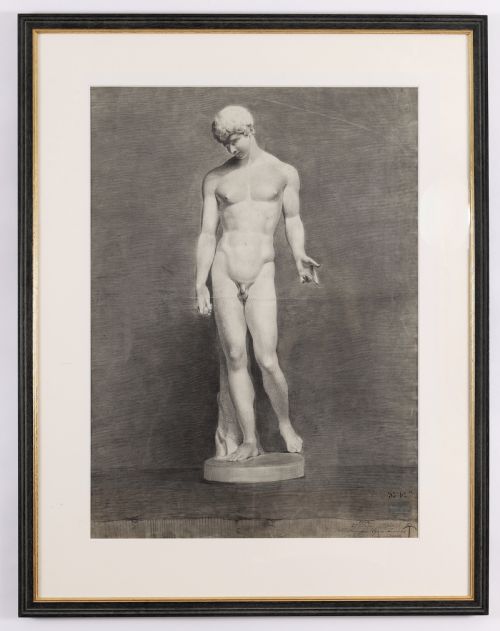
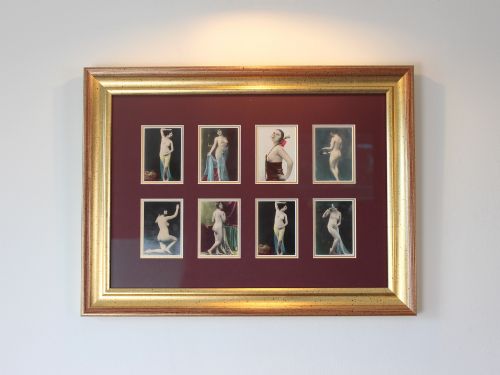
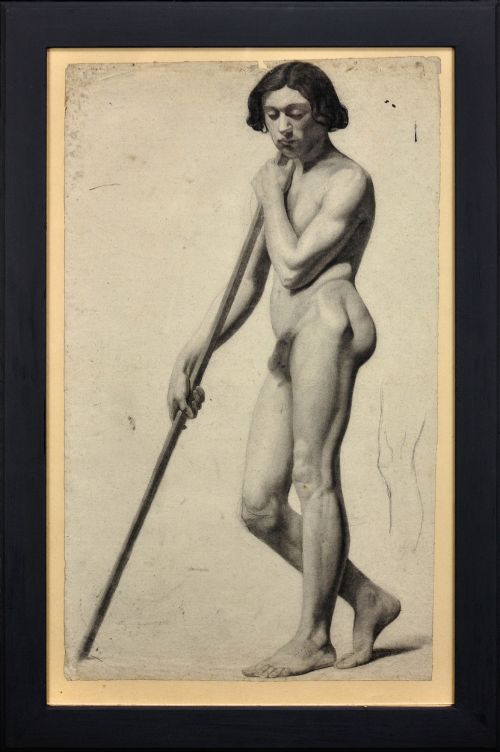
Framed nude artwork captures the human form through oil, charcoal, and photography spanning periods from the nineteenth century to the mid-twentieth century.
Framed Nude Artwork
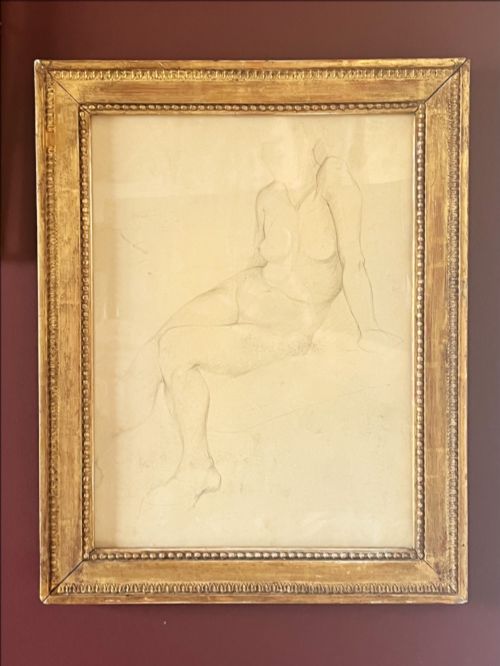
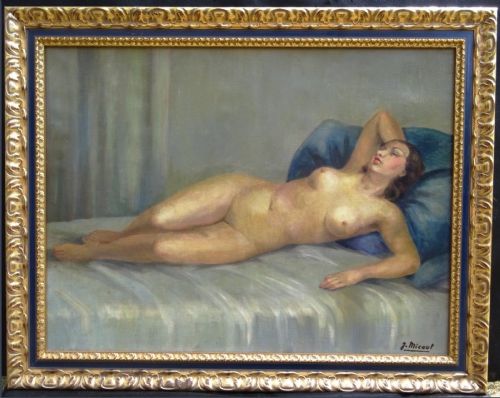
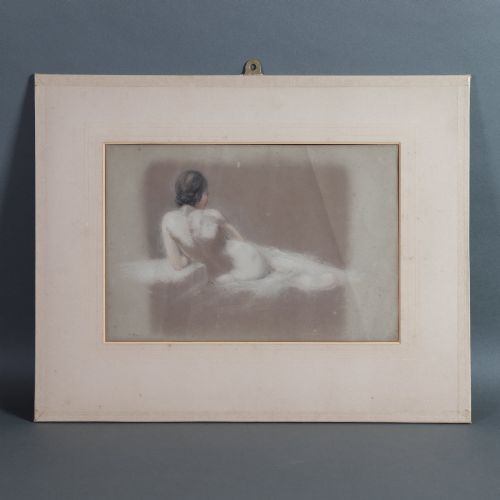
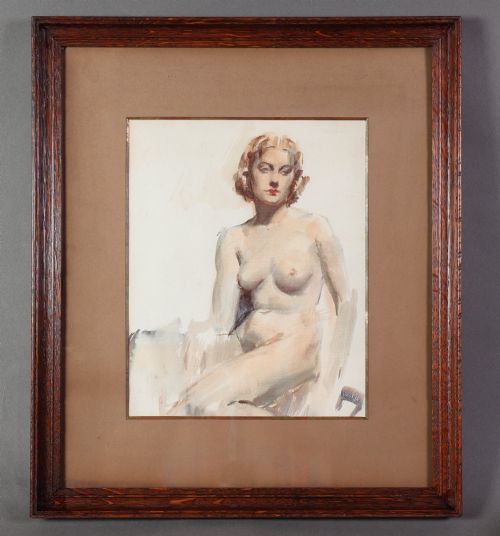
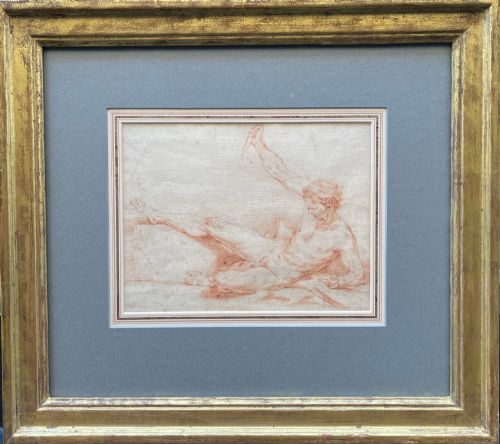
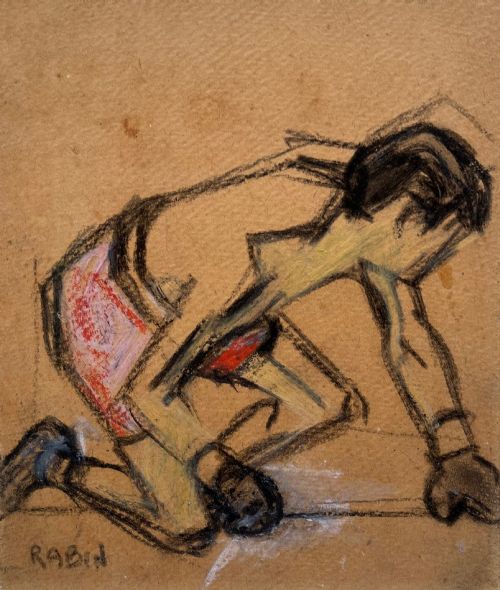
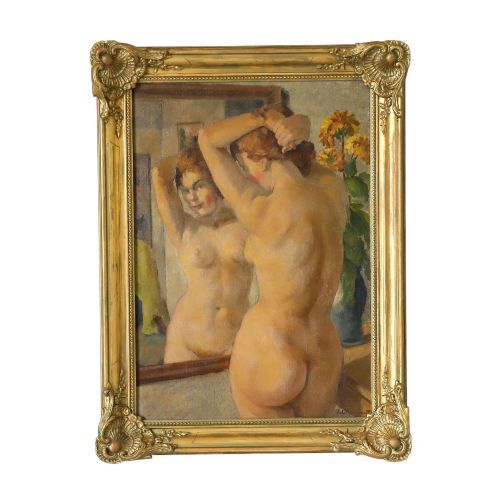
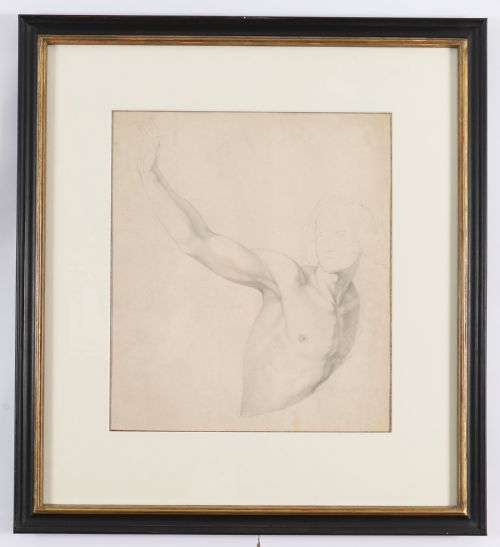
Buyers seeking framed nude artwork examine a diverse selection of paintings, drawings, and photographs originating from British, French, and European schools. These pieces range from academic life studies and mythological scenes to Art Deco portraits and Post-Impressionist compositions.
The selection frequently includes works executed on paper, canvas, and wood panel, housed within period frames that complement the medium. Examples span the nineteenth century through to the 1950s and 1960s, reflecting shifts in artistic interpretation of the human figure.
Materials and Technique
Artists utilise traditional supports such as canvas, heavy paper, wood, and board, applying oil paint, charcoal, graphite, pen and ink, or mixed media. Photographic works from the early twentieth century employ hand-tinted or black and white printing techniques.
Framing typically involves wood and glass to protect delicate works on paper or exposed canvases, with many pieces retaining period gilt or wooden surrounds suited to academic and modernist aesthetics.
Several ladies gaze out from cliffs, mirrors, and studio corners, occasionally accompanied by inquisitive pets and mythological panpipes.
Evaluating Quality
Quality rests upon the execution of anatomy, line confidence, and the handling of light and shadow within the composition. Academic rigour in life drawing or the expressive brushwork in Post-Impressionist oils distinguishes masterworks from standard studies.
Condition of the medium and the integrity of the original frame influence the piece. Intact surfaces on oil paintings and well-preserved paper drawings without excessive degradation represent the upper tier of the range.
William Etty·Samuel Rabin·Philippe de Rougemont·Julian Mandel·Augustus John·Henry Arthur Roberts·Margaret Maitland Howard·Raymond Moritz·Tony Giles·André Charles Voillemot·Henri Vincent-Anglade·Lucien Gibert·Gaetan Dumas·Allan Douglas Davidson·Cornelis Van Poelenburgh·Demetrios Galanis·James Clark·William Edward Frost·Sir William Russell Flint·Arthur Hacker·Fernand Jean Barbier
The Framed Nude Artwork Glossary
- Academic Realism
- A style of painting and drawing produced under the influence of European academies of art, emphasising precise anatomical proportion and traditional composition. This approach underpins many nineteenth-century life studies.
- Life Study
- A drawing or painting executed directly from a live model to practice anatomical rendering. These works often capture the preparatory stages of larger academic compositions.
- Mixed Media
- An artwork combining two or more distinct artistic materials or mediums, such as charcoal and wash on paper. This technique allows for varied textural depth within a single study.
- Intimist
- An artistic style focusing on domestic interior scenes and quiet, personal moments. Works in this vein often depict figures in private spaces with soft lighting.
- Post-Impressionism
- An art movement extending Impressionism while rejecting its limitations, favouring more symbolic content and heavier expression. Artists in this tradition explored bolder colour palettes and structural forms.
Framed Nude Artwork: Frequently Asked Questions
What periods do these artworks cover?
The pieces span from the seventeenth century through the nineteenth century and into the mid-twentieth century, including works from the 1920s, 1930s, and 1950s.
Styles range from traditional academic realism and neoclassical themes to Art Deco, Impressionism, and modernist movements.
How should I display a framed nude drawing?
Works on paper require protection from direct sunlight to prevent fading of charcoal, pencil, or hand-tinted photographic elements. Maintaining stable room humidity preserves both the artwork and the antique frame.
Hang pieces at eye level on neutral walls where the lighting enhances the tones of the medium without causing glare on the glass.
What is an academic life study?
An academic life study is a detailed drawing or painting created by an artist studying human anatomy from a live model. These exercises formed a core part of training in European art academies during the nineteenth and early twentieth centuries.
They emphasise precise proportions, musculature, and shading over finished narrative context.
How do I identify Art Deco nude works?
Art Deco pieces from the 1920s and 1930s often feature stylised geometry, sleek lines, and influences from modernist design alongside the human figure. The framing and posture of the subjects reflect the fashionable aesthetics of the interwar period.
Signatures or stylistic cues from this era typically point to French or British schools of the time.