


Original Chalk Drawing
An original chalk drawing brings direct hand and pigment together, offering immediate intimacy through the stroke of an artist.
Original Chalk Drawing
When you search for an original chalk drawing, you find works executed on paper, toned paper and glass from the 17th century through the mid 20th century. Portrait drawings, fine art and framed artwork make up the core of what you see here.
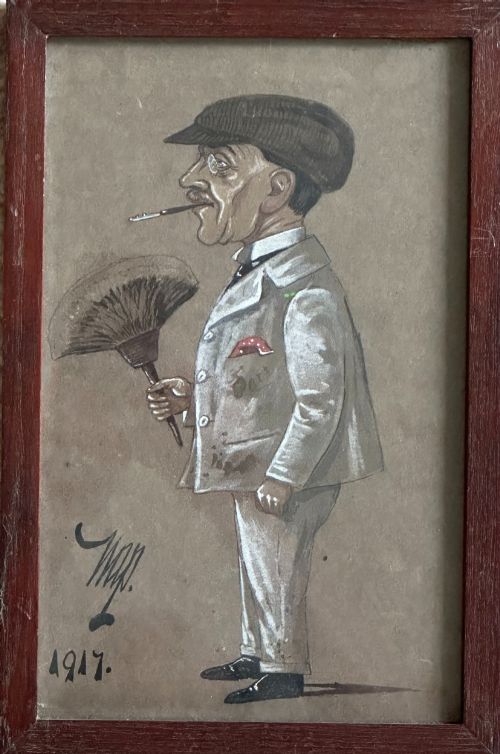
The periods represented span the Victorian and Edwardian eras, Art Deco, Early 20th Century and Modern British styles. You will encounter studies, caricatures and finished portraits among the selection.
Realism, cubism and mid-century sporting art appear across the inventory alongside figure studies and landscapes. Works range from intimate domestic scenes to larger scale exhibition pieces.
How they were made
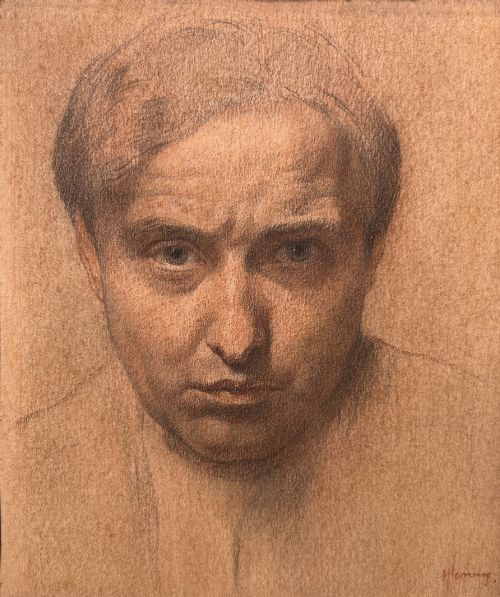
Artists utilise chalk and charcoal on paper, frequently combining media with graphite, pastel, watercolour and pencil. Toned paper provides a mid-tone ground that allows highlights to be added with white chalk.
Framing preserves these fragile works behind glass in wood frames, protecting the dry pigment from disturbance.
Listings feature works created across three centuries, spanning the 18th, 19th and 20th centuries.
What varies in quality
The strength and confidence of the draughtsmanship determine the distinction of a piece, separating rapid preliminary notes from fully resolved master drawings. Anatomy, expression and line weight carry the visual energy of the subject.
The significance of the artist and the quality of provenance elevate certain sheets, particularly when works connect to documented exhibitions, named sitters or established collections.
Condition and sheet preservation play a part, including the stability of the paper support and the retention of crisp, unfaded pigment.
Herbert Johnson Harvey·Cecil Charles Windsor Aldin·Lucien Gibert·Demetrios Galanis·Michael Lyne·Arthur Todd·John Hoppner·John Macallan Swan·Frank Dobson·Henry Bird·George Richmond·Leo Klin·Henry Bright·Harry Epworth Allen·Jacques Bellange·Ethel Walker
The Original Chalk Drawing Glossary
- Chalk drawing
- A work executed primarily with dry chalk pigment on a paper support. This medium permits rapid gestural marks and subtle tonal shading.
- Toned paper
- Paper manufactured or stained with a neutral tint such as grey or brown. It serves as a middle value so the artist can work up darks and apply white highlights efficiently.
- Sanguine
- A reddish-brown chalk used extensively from the Renaissance onwards for life studies and portraits. The term derives from the blood-red tone of the mineral.
- Deux crayon
- A drawing technique employing two colours of chalk, typically black and white or red and white, on tinted paper. This method creates volume and light rapidly.
- Watermark
- A recognizable image or pattern in paper that appears translucent when held to light. It helps identify the maker and date of the paper sheet itself.
Original Chalk Drawing: Frequently Asked Questions
How do I hang a chalk drawing?
Keep works behind glass in frames to protect the delicate surface from moisture and physical touch. Position them away from direct sunlight to prevent the paper and chalk pigments from fading over time.
Ensure the hanging wall remains stable and experiences minimal humidity fluctuation. Professional framing with acid-free mounts prevents chemical degradation of the paper sheet.
Can I tell periods apart by paper?
Earlier sheets from the 17th and 18th centuries often display watermarks, heavier handmade textures and toned hues associated with period papermaking methods. Nineteenth-century and Edwardian examples show different pulp compositions and standard drawing paper weights.
Mid-century and Art Deco works frequently utilise smoother commercial papers or specific tinted stocks popularised during those decades. Examining the edges and reverse of the sheet reveals clues to its age.
What is a life study?
A life study is a drawing made directly from a live human model to practice anatomy, form and shadow. Artists use chalk and charcoal to capture posture and gesture quickly during these sessions.
These drawings range from informal working sketches kept in an artist's portfolio to finished academic pieces intended for exhibition. They highlight the direct observational skill of the draughtsman.
How are chalk and charcoal different?
Chalk is typically denser, less dusty and offers crisp line definition alongside smooth blending qualities. Charcoal comes from burnt wood, yielding deeper blacks and a softer, more easily smudged mark.
Artists frequently combine both mediums on the same sheet to balance sharp detail with deep, velvety shadow areas.