
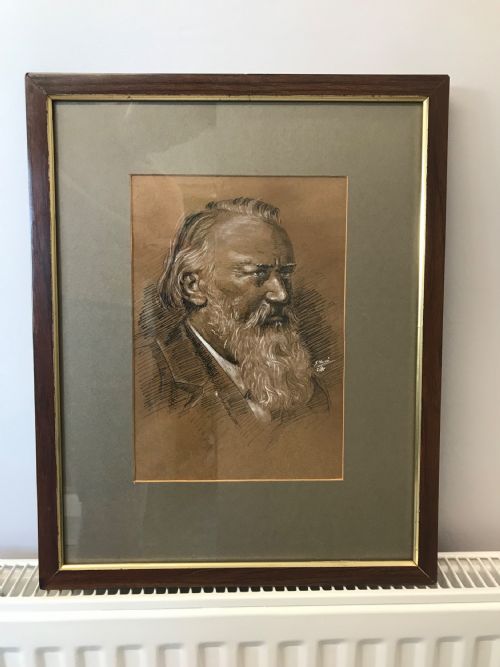
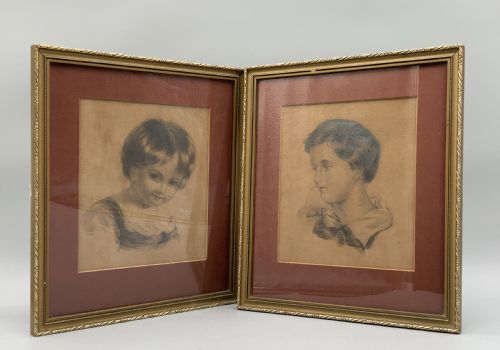


Brown Paper Drawing
Brown paper drawing captures tone and warmth through intimate sketches on tinted grounds, offering an immediate glimpse into an artist's working process.
Brown Paper Drawing
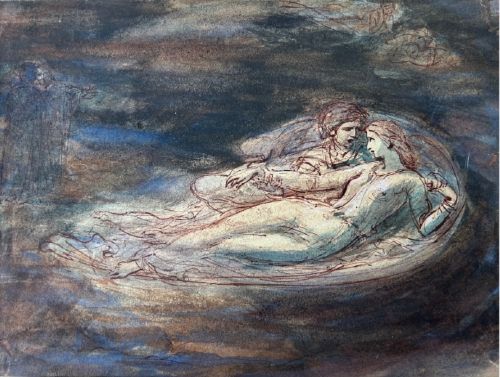
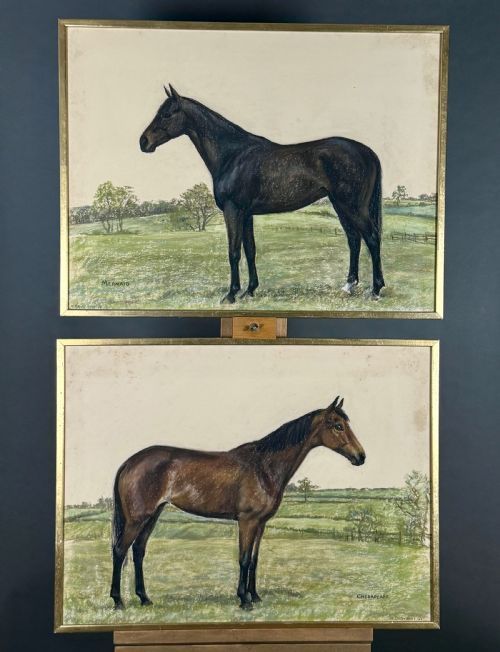
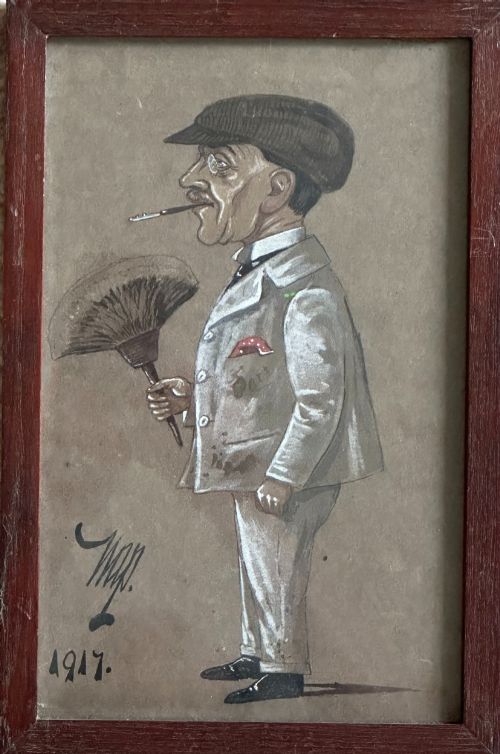
A brown paper drawing brings together works executed on toned supports, spanning centuries from early academic studies to mid-century compositions. These pieces primarily manifest as portraits, landscapes, and figure studies rendered on tinted or naturally aged paper.
Buyers encounter diverse regional expressions, ranging from English school watercolours to French nineteenth-century sketches. The selection encompasses framed original artworks that highlight the textured interplay between dark supports and light highlights.
Materials and technique
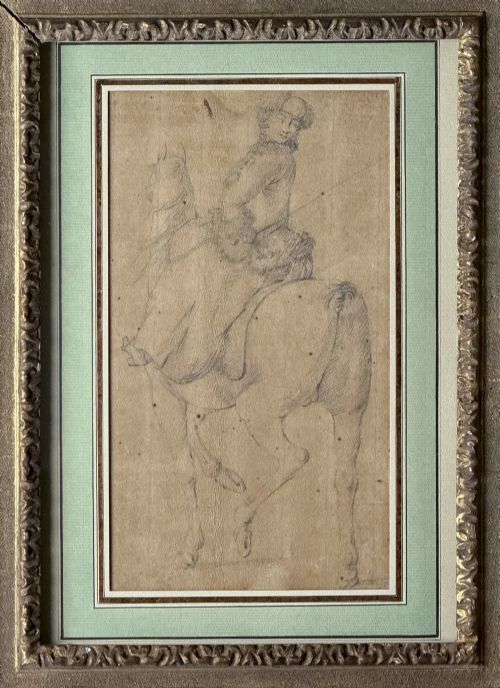
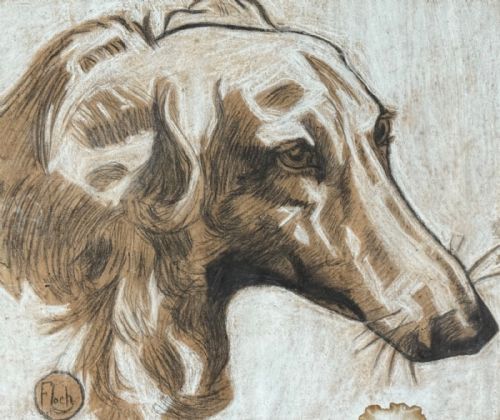
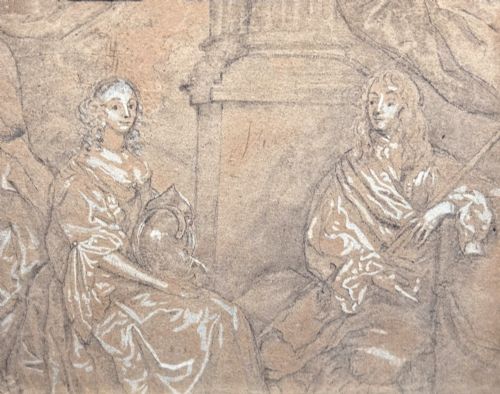
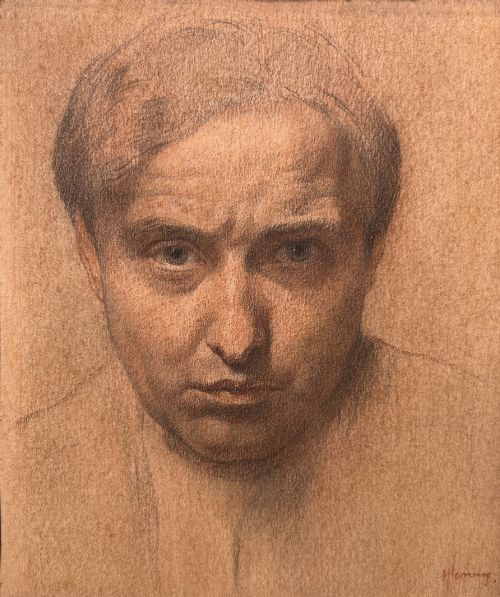
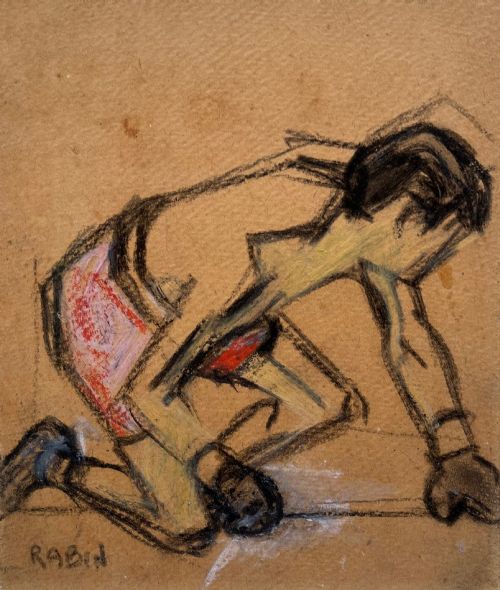
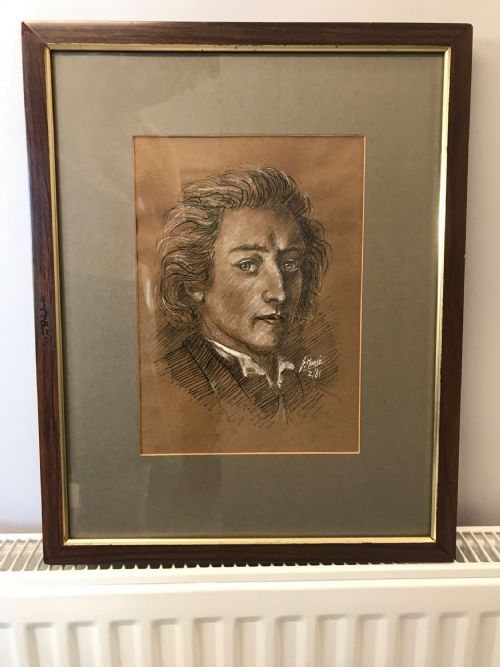
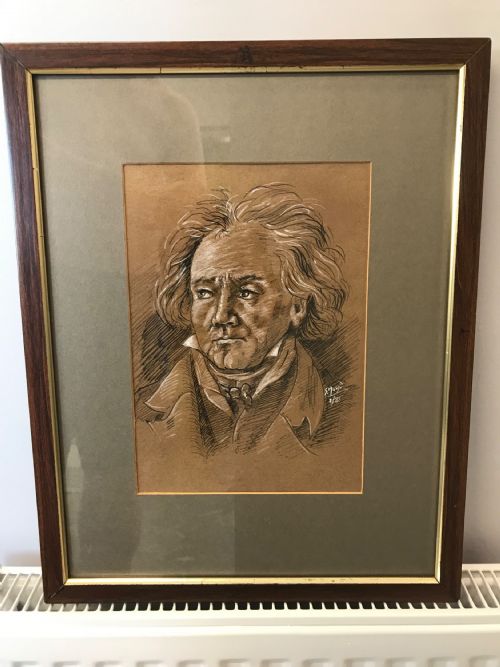
Artists utilise charcoal, chalk, and gouache on tinted paper to build depth, allowing the tone of the sheet to act as a mid-value. White highlights are applied deftly to lift forms from the dark ground, creating rapid visual contrast.
Pen, ink, and wash combine with pencil to map out proportions before artists settle tonal passages. This layering method relies heavily on the absorbent quality of paper to fix fluid pigments and dry media securely.
Listings feature works spanning from the eighteenth century through to nineteen-sixty, executed in charcoal, ink, gouache, and watercolour.
Judging the work
Quality rests upon the sureness of the line and how effectively the artist integrates the paper's colour into the composition. A master hand uses the tinted ground economically, letting bare paper speak for shadow or mid-tone without excessive reworking.
Execution speed and confidence separate routine academic exercises from inspired original sketches. The best examples display anatomical precision or atmospheric depth achieved through minimal, well-placed strokes rather than heavy correction.
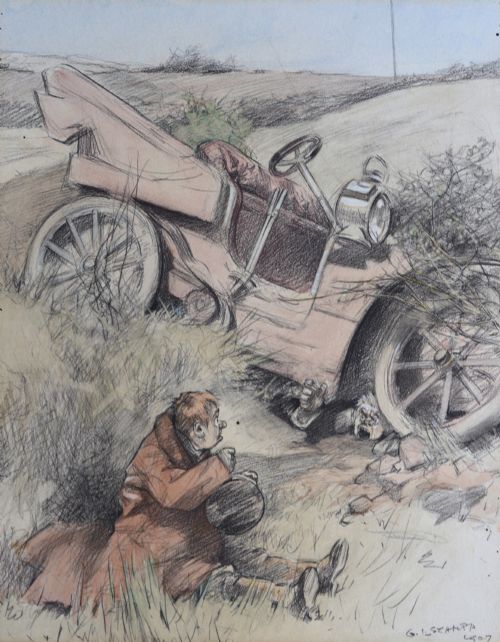
George Lorain Stampa·John Rattenbury Skeaping·James Tower·Louis Wain·Lawrence Stephen Lowry
The Brown Paper Drawing Glossary
- Buff paper
- A warm, pale yellowish-brown paper stock frequently used by artists to provide a neutral middle tone for pastel and gouache work.
- Gouache
- An opaque water-based pigment containing white pigment to increase opacity, allowing bright highlights to sit effectively on dark paper.
- Wash
- A diluted layer of ink or watercolour applied evenly across paper to establish shadow areas and broad atmospheric tone quickly.
- Pastel
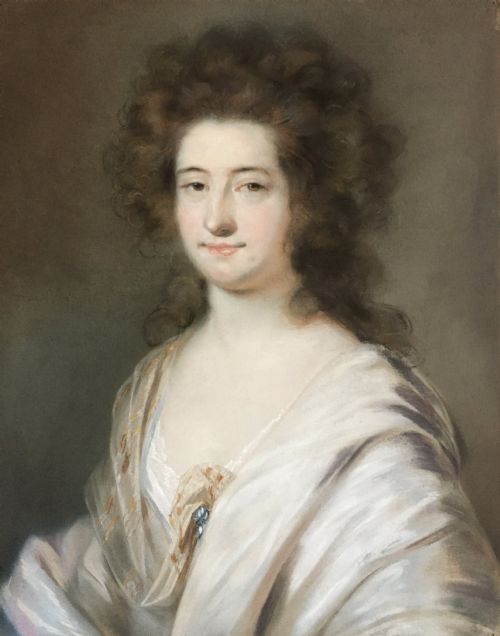
- A dry drawing medium consisting of powdered pigment and a binder, which adheres well to textured or tinted paper surfaces.
- School
- A group of artists working in a similar style or region during a specific period, often sharing technical approaches.
Brown Paper Drawing: Frequently Asked Questions
What is a brown paper drawing?
A brown paper drawing is an artwork executed on tinted paper rather than stark white stock, utilising the natural tone to unify shadows and mid-tones.
Artists across the eighteenth, nineteenth, and twentieth centuries favoured this support to speed up tonal studies and enhance highlights.
How should I frame works on paper?
Works on paper require conservation-grade mounting behind glass to protect delicate charcoal, pastel, and watercolour pigments from light damage and humidity.
Keeping the sheet away from direct sunlight preserves the original tone of the paper and prevents media from fading.
How do I date an antique drawing?
Dating relies on stylistic clues, watermarks within the paper stock, artist signatures, and framing materials that accompany the piece.
Comparative study of period techniques helps narrow down whether a sheet originates from the Georgian era or the mid-twentieth century.
Why did artists use toned paper?
Toned paper relieved artists from building up background tones from scratch, allowing them to focus immediately on highlights and deep shadows.
This method saved valuable time during life-drawing sessions and outdoor landscape studies alike.