



Academic Chalk Sketch
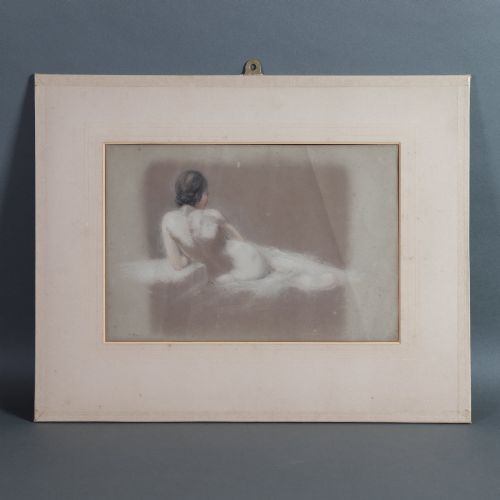
An academic chalk sketch captures the rigour of formal life drawing, offering intimate studies of the human form on toned paper.
Academic Chalk Sketch
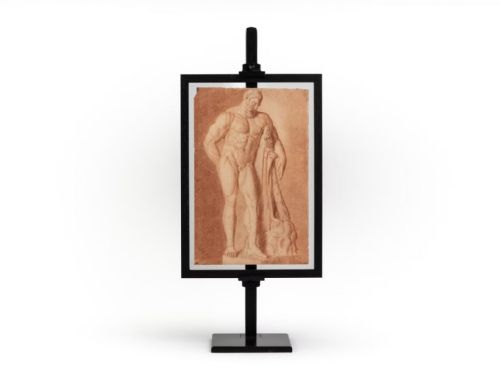
An academic chalk sketch represents rigorous study of the human form, often executed in red chalk, sanguine, or charcoal on paper. These drawings originate from various periods including the eighteenth and nineteenth centuries, reflecting traditional art training through portraiture and figure studies.
Buyers frequently encounter works attributed to specific continental schools or rendered in the manner of established masters. The subjects range from classical sculpture studies like the Hercules Farnese to intimate portraits of women and gentlemen.
The selection includes mid-century examples alongside Victorian pieces, demonstrating the enduring practice of life drawing. Media often combine chalk with graphite or pastel to build tone and depth on the sheet.
Materials and technique
Artists utilise compressed chalk, charcoal, and sanguine on prepared papers to execute these works. Toned paper provides a mid-tone ground that allows the artist to apply dark charcoal for shadows and white chalk for highlights.
Academic Chalk Sketch Retail Price Guide 2026
Typical asking prices for academic chalk sketch among the pieces listed under this phrase on Sellingantiques today, from the lower quarter to the upper quarter. They describe what is for sale here now, not the wider market.
The listings span from the eighteenth century to the mid-twentieth century, featuring charcoal, chalk, and toned paper.
Quality and execution
Execution of line and handling of shadow determine the distinction between a routine academy exercise and a masterly study. The confidence in capturing anatomical structure and expression separates accomplished draughtsmanship from stiffer efforts.
Condition of the paper and preservation of the friable chalk medium influence desirability. Works retaining their original tonal contrast without excessive rubbing or fading command greater appreciation.
William Etty·Pierre-Paul Prud'hon·John Macallan Swan·George Richmond
The Academic Chalk Sketch Glossary
- Sanguine
- A type of red chalk used extensively for portraiture and figure drawing. Its warm earthy tone mimics flesh well.
- Recto and verso
- Terms describing the front and the back of a sheet of paper respectively. Drawings sometimes appear on both sides of a single leaf.
- Life study
- A drawing made directly from a live model, forming the core of traditional art academy training. These studies focus on accurate anatomy and proportion.
- Toned paper
- Paper possessing a neutral colour such as grey, buff, or blue rather than stark white. It establishes an immediate mid-tone for the drawing.
Academic Chalk Sketch: Frequently Asked Questions
Why are some sketches drawn on toned paper?
Toned paper provides a middle value that saves the artist from having to shade the entire background from white.
This coloured ground allows highlights to be added with white chalk and shadows with dark charcoal for rapid tonal depth.
What is the difference between chalk and graphite?
Chalk yields a softer, denser, and often warmer mark that blends smoothly on textured paper surfaces.
Graphite produces a shinier, metallic grey line that allows for sharper detail and precise linear hatching.
How do I hang a work on paper safely?
Select an interior wall where temperature and humidity levels remain relatively stable throughout the changing seasons.
Use professional framing materials that are acid-free to protect the delicate paper from chemical degradation.