


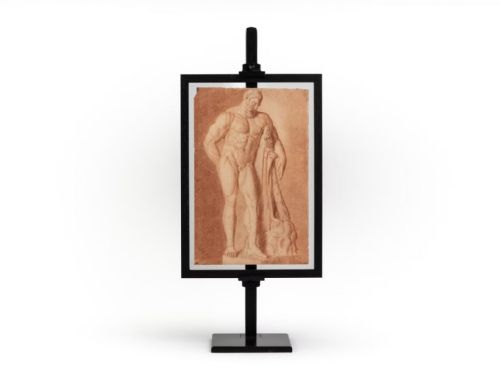


Antique Chalk Artwork
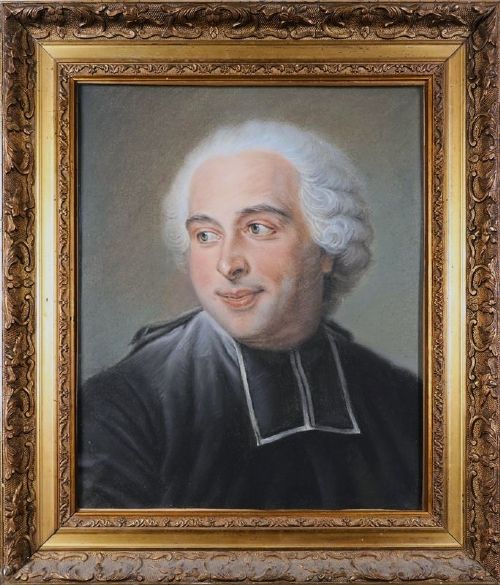
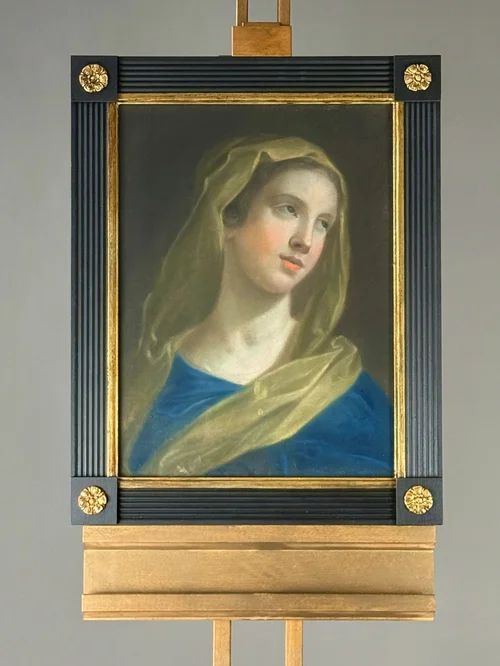
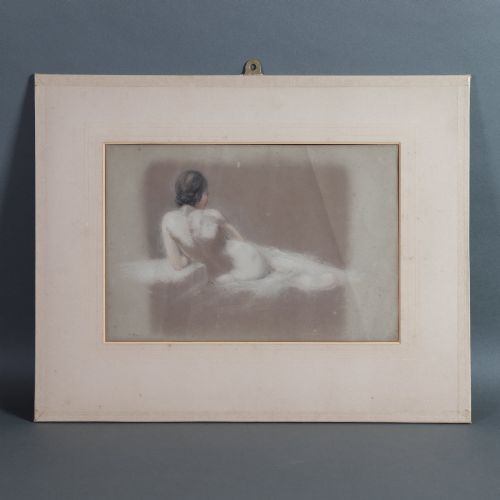
These antique chalk artwork selections bring direct, tactile historical portraiture and studies into contemporary spaces through delicate mediums on paper and canvas.
Antique Chalk Artwork
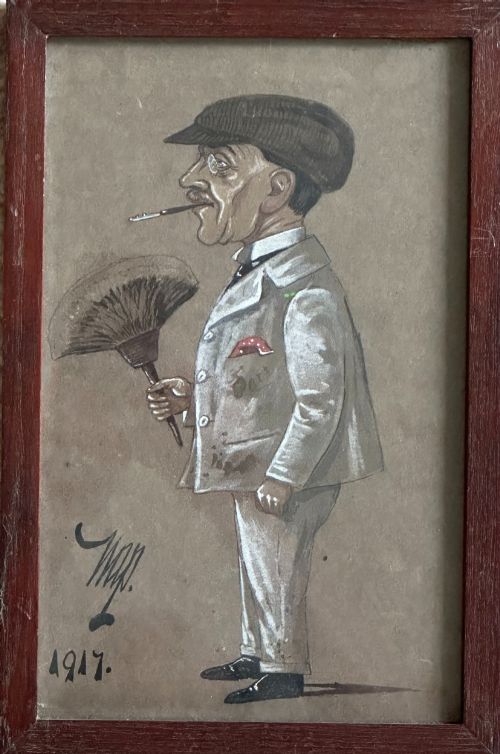
When you search for antique chalk artwork, you encounter works spanning the eighteenth century through the early twentieth century, including Georgian and Victorian pieces. The primary forms include portrait drawings, figure studies, caricatures, and architectural or landscape scenes executed on paper, toned paper, and canvas.
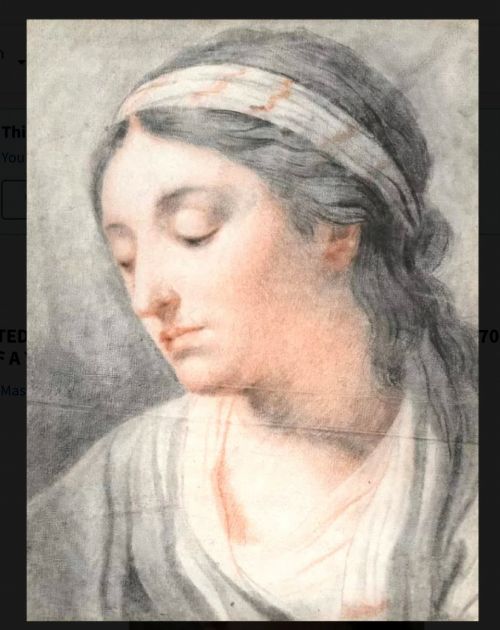
You are most likely to meet portrait drawings of notable or anonymous sitters, alongside mythological and genre scenes. These pieces frequently incorporate related media such as charcoal, pastel, graphite, and plumbago alongside the primary chalk marks.
The origins of these works bridge British and European traditions, with French school drawings and Italian Baroque influences appearing frequently alongside domestic Victorian output. They range from intimate thumbnail sketches to large-scale gallery studies.
Materials and technique
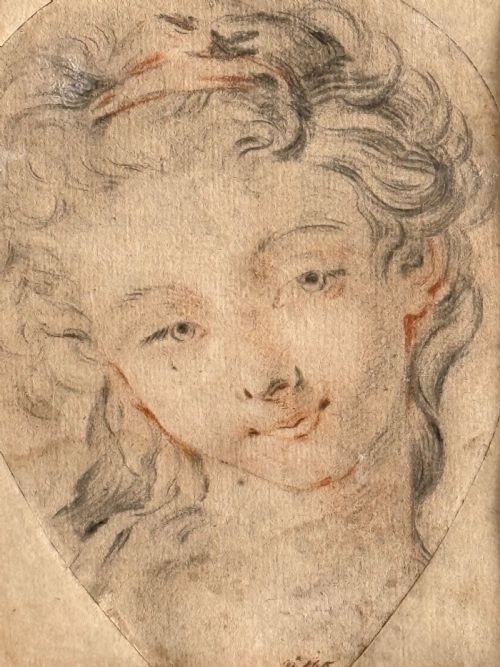
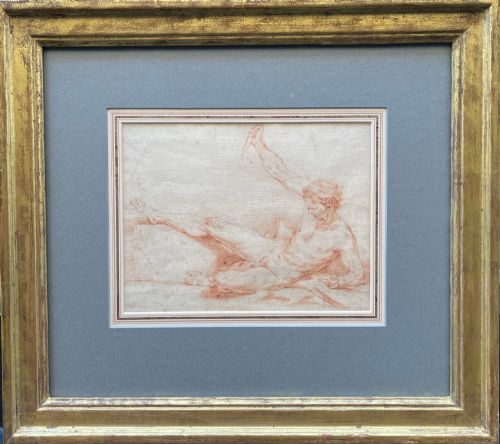
Artists executed these works using dry drawing media such as chalk, charcoal, pastel, and graphite applied to paper, toned paper, or canvas supports. Red chalk, also known as sanguine, and plumbago appear in specialised portraiture and preparatory studies.
Many surviving examples are mounted behind glass within period frames made of wood, often with gilded finishes. Mixed media compositions combine watercolor or wash with charcoal and chalk to build depth and contrast on the sheet.
Media combinations recorded in the selections include chalk paired with charcoal, graphite, pastel, watercolour, and plumbago.
Variations in quality
The capability of the draughtsman dictates the distinction between standard illustrative output and masterworks. Confident, economical line work and accurate anatomical proportion set superior portrait drawings apart from stiffer, less accomplished academic exercises.
The survival condition of the paper support and the vibrancy of fugitive media like pastel and chalk influence the desirability of a piece. Original framing and documented attribution to established artists or schools elevate the standing of individual works.
Benedetto Luti·Francois Boucher·John Taylor·Cecil Charles Windsor Aldin·John Hoppner·George Richmond·Leo Klin·Henry Bright
The Antique Chalk Artwork Glossary
- Sanguine
- Red chalk used historically for sketching and portraiture. This ferrous oxide material produces warm, earthy reddish-brown tones.
- Plumbago
- An early form of pencil drawing utilising native graphite. It yields fine, precise monochromatic details often seen in eighteenth-century miniatures and portraits.
- Recto and Verso
- The front and back sides of a sheet of paper respectively. Drawings occasionally appear on both sides of early sheets.
- Pastel
- A dry painting medium consisting of powdered pigment and a binder. It requires protection under glass to prevent smudging and loss of material.
- Toned Paper
- Paper manufactured with an inherent tint rather than a stark white finish. Artists utilised it to build highlights with white chalk and shadows with dark media.
Antique Chalk Artwork: Frequently Asked Questions
How should I display antique chalk drawings?
Keep works framed behind glass with conservation-grade mounting to protect the fragile, unbound pigment from airborne dust and physical disruption.
Position pieces away from direct sunlight to prevent the fading of sensitive papers, chalks, and pastels over time.
What is sanguine chalk?
Sanguine is a reddish-brown chalk derived from hematite that gained widespread popularity for figurative and portrait studies during the seventeenth and eighteenth centuries.
Artists favoured it for its ability to render warm flesh tones and rapid tonal gradations with expressive immediacy.
Are these works original or reproductions?
The listings consist of original, hand-drawn works of art created directly by artists using dry media rather than mass-produced mechanical prints.
Examination under magnification typically reveals individual pigment particles, hand-applied strokes, and the physical indentation of chalk on paper.
How do I identify the period of a drawing?
Dating relies on stylistic markers, costume details of sitters, framing materials, and the watermark or texture of the underlying paper support.
Signatures, inscriptions, and historical attribution notes left on the reverse or front of the sheet also provide chronological anchors.