
Original Portrait on Paper
When an original portrait on paper crosses the table, you hold a direct encounter with a sitter captured through ink, wash, or pastel.
Original Portrait on Paper
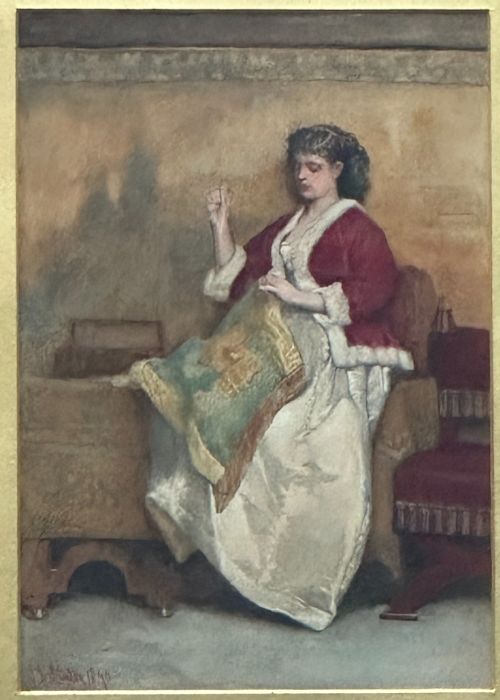
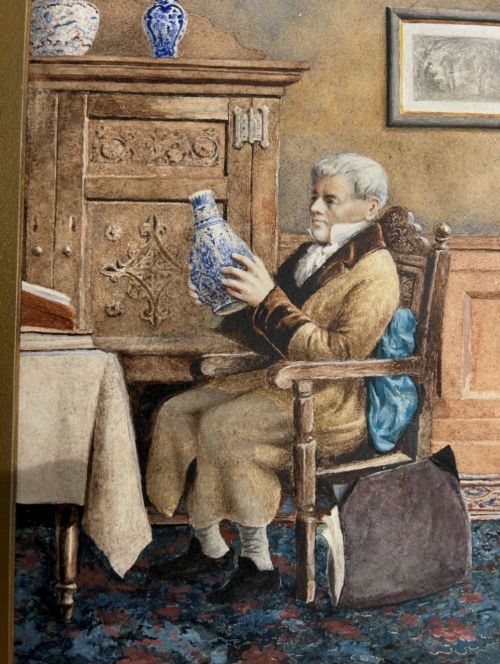
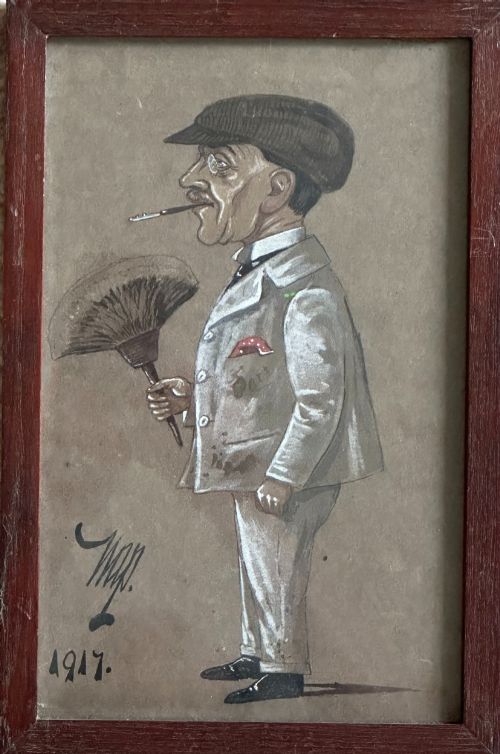
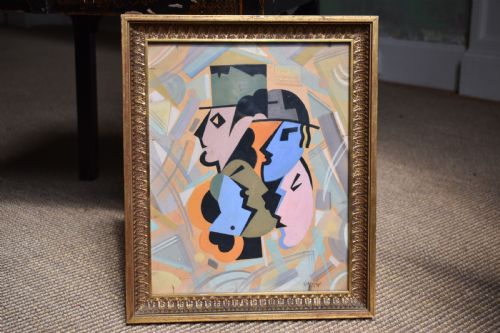
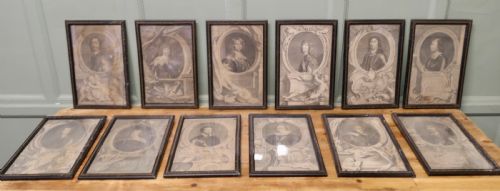
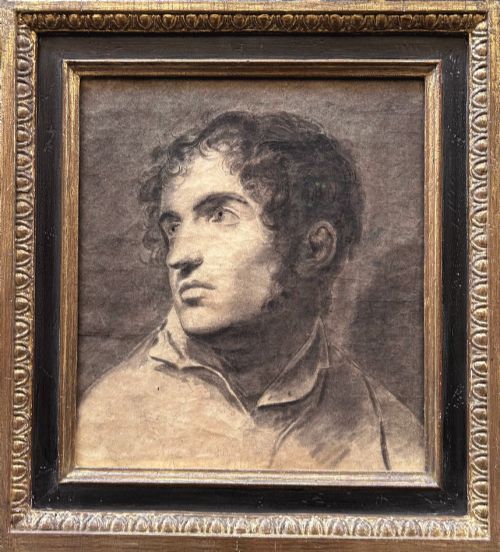
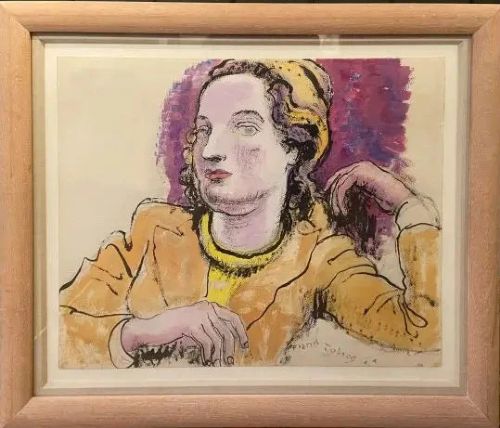
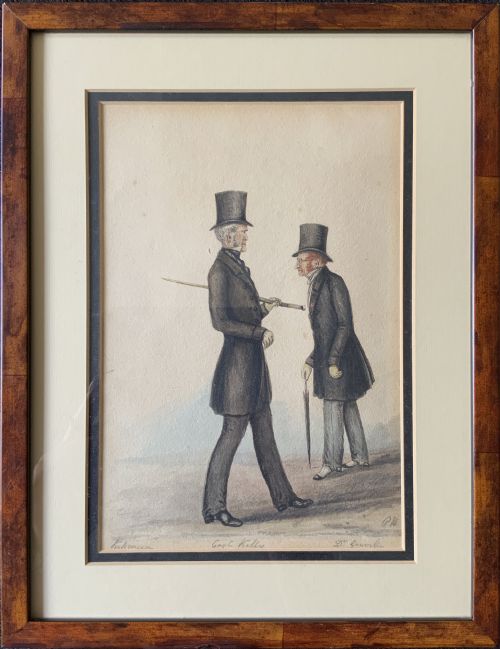
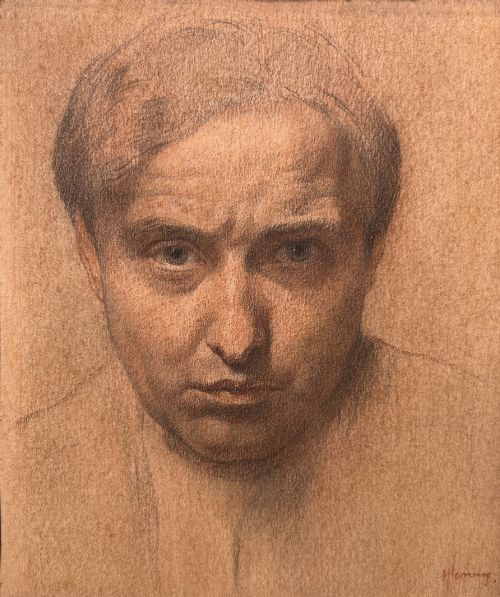
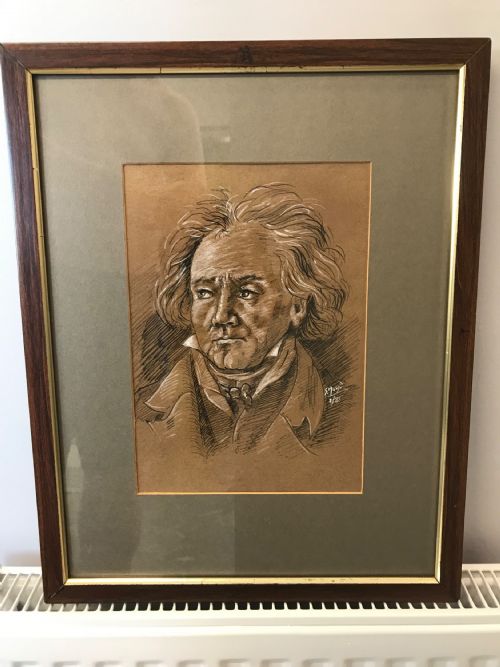
An original portrait on paper encompasses works executed by hand across the nineteenth and twentieth centuries, spanning Victorian character studies, Edwardian likenesses, and mid-century modern compositions. The form ranges from intimate pencil sketches and caricatures to large pastel studies and finished watercolours framed behind glass.
Buyers meet works originating from British and continental European schools, including named academic artists and anonymous studio hands alike. The selection leans heavily toward nineteenth-century watercolours and early twentieth-century works on paper housed in original wood frames.
Materials and technique
Artists drew upon a versatile range of mediums applied directly to paper supports, utilising graphite, charcoal, and ink for line, alongside watercolour, gouache, and pastel for colour and tone. Papers vary from heavy textured sheets and buff paper to watermarked paper stocks bearing nineteenth-century mill dates.
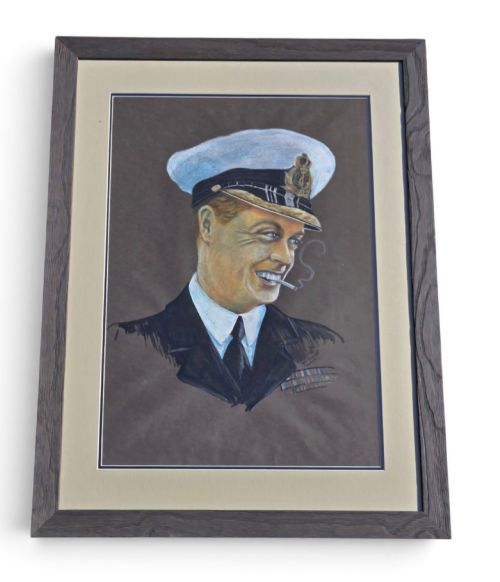
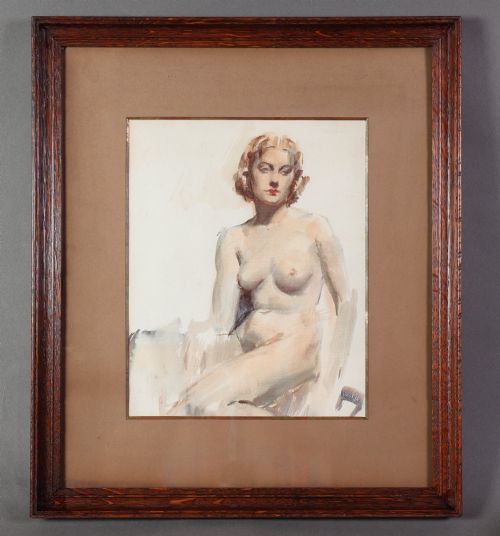
Works are frequently mounted under protective glass within timber frames, preserving the delicate dry pigments of pastels and the fluid washes of watercolours from atmospheric degradation.
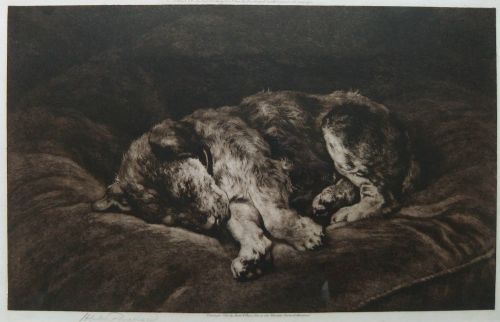
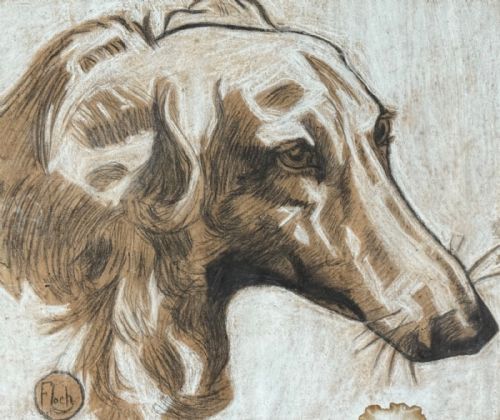
Sitters include royalty, composers, aristocrats, an attentive spaniel, and a very dignified Borzoi dog.
Quality and execution
Quality rests upon the sureness of the draughtsmanship and the psychological depth the artist achieves within the sitter's expression. A master hand conveys bone structure, light, and personality with sparse graphite strokes or confident washes, whereas lesser examples remain stiff and formulaic.
The preservation of the paper support and the vibrancy of the pigments dictate distinction. Works retaining their original untouched framing and free from heavy foxing or fading command greater presence.
Sir James Dromgole Linton·Herbert Dicksee·Frank Dobson·Louis Icart·Augustus John
The Original Portrait on Paper Glossary
- Watercolour
- A paint consisting of soluble pigments suspended in a water-based solution, yielding transparent washes on paper.
- Gouache
- An opaque water-based paint containing pigment mixed with a binding agent and white filler, creating solid areas of colour.
- Pastel
- A dry art medium in the form of a stick, consisting of powdered pigment and a binder, heavily utilised for textured portraits.
- Foxing
- The brown age spots commonly found on old paper caused by chemical reactions in the pulp over decades.
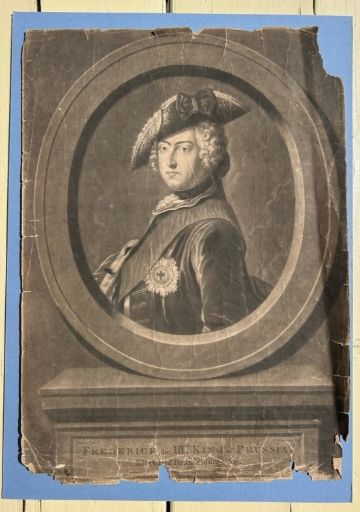
- Mezzotint
- A printmaking process of the drypoint family, allowing half-tints and subtle tonal gradations to be achieved on paper.
Original Portrait on Paper: Frequently Asked Questions
How should I frame and display works on paper?
Keep these pieces away from direct sunlight to prevent the watercolour pigments and pastels from fading across the surface. Use conservation-grade mounting materials that keep the paper from touching the glass directly.
Ensure the room maintains stable humidity levels to protect both the paper support and the historic wood frames from warping or developing damp damage.
How do I identify the period of a portrait?
Examine the clothing, hairstyle, and facial hair of the sitter, which often follow the strict fashions of the Victorian, Edwardian, or Art Deco eras. Framing styles and paper watermarks also offer reliable clues to the decade of creation.
Signatures, dates inscribed in pencil or ink, and artist stamps on the reverse provide definitive chronological markers for the piece.
Are pastels more fragile than watercolours?
Pastels consist of un-fixed or lightly fixed dry pigment particles resting on the paper surface, making them uniquely susceptible to disruption from physical vibration. Any sharp knock can dislodge the delicate powdery colour granules.
Watercolours rely on water-soluble binders soaked into the fibres, meaning moisture poses the primary threat rather than physical displacement.
What distinguishes a study from a finished portrait?
A study generally focuses on capturing a specific feature, pose, or lighting effect, often displaying visible grid lines, rapid hatching, or unfinished background areas. These works reveal the working method of the artist in real time.
Finished portraits present a resolved composition intended for public exhibition or formal presentation, showing complete tonal harmony across the entire sheet.