

Early Century Portrait Art
Early century portrait art spans centuries of painted faces, silhouettes, and studies that capture the character of past sitters.
Early Century Portrait Art
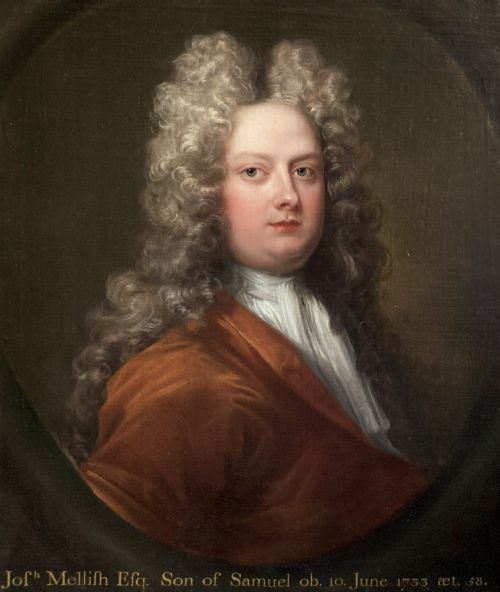
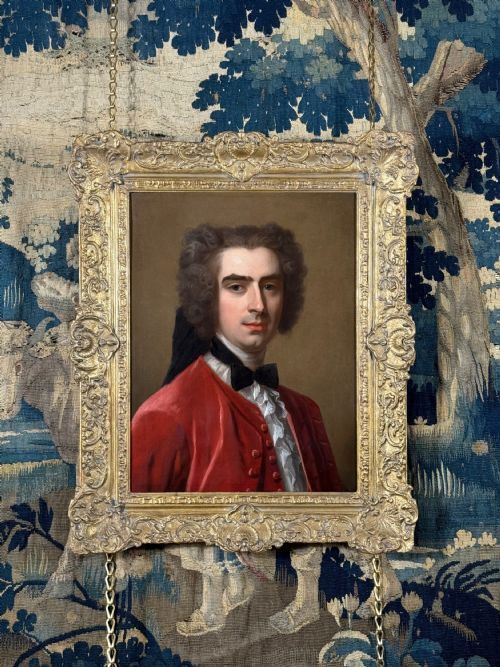
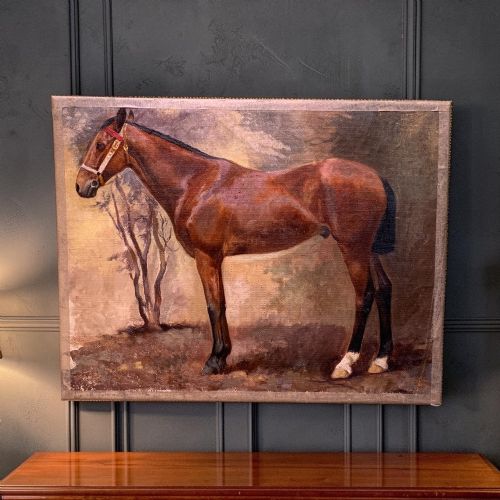
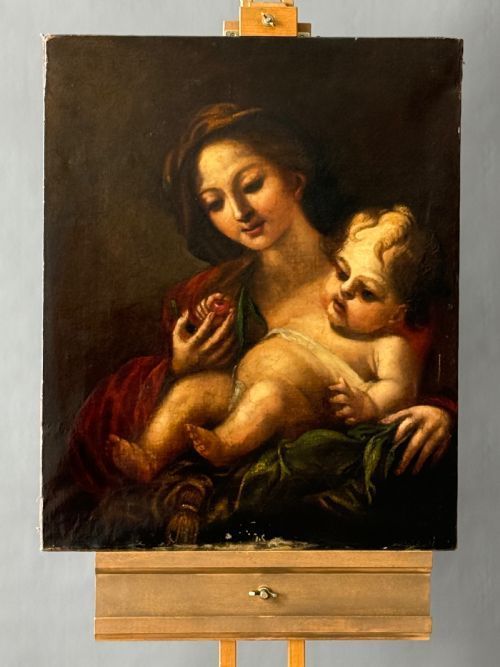
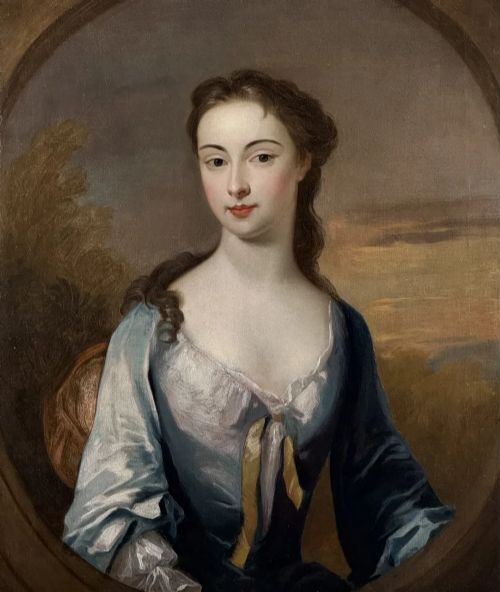
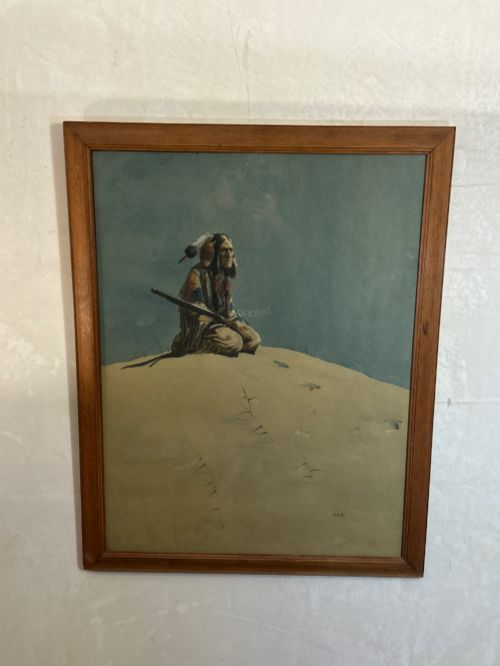
When you search for early century portrait art, you encounter oil paintings, watercolours, pastels, and detailed paper silhouettes from the seventeenth century through to the early twentieth century.
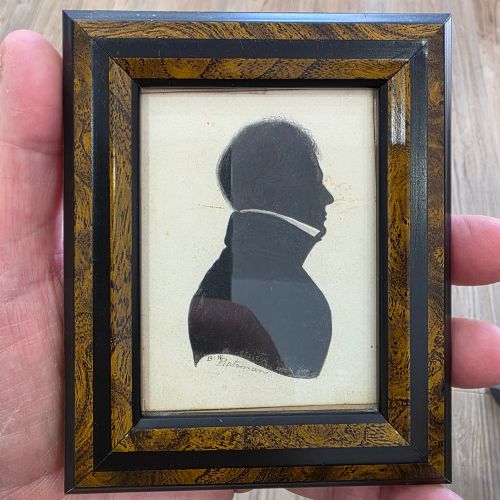
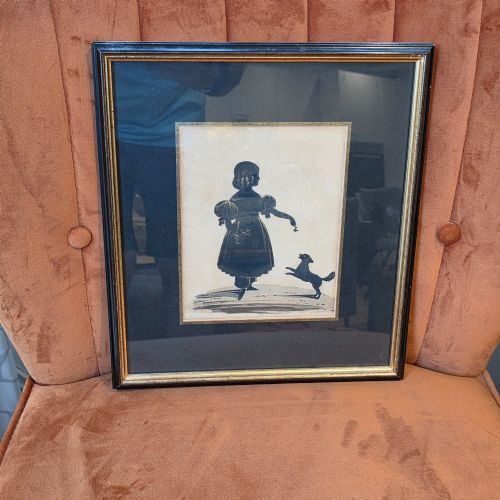
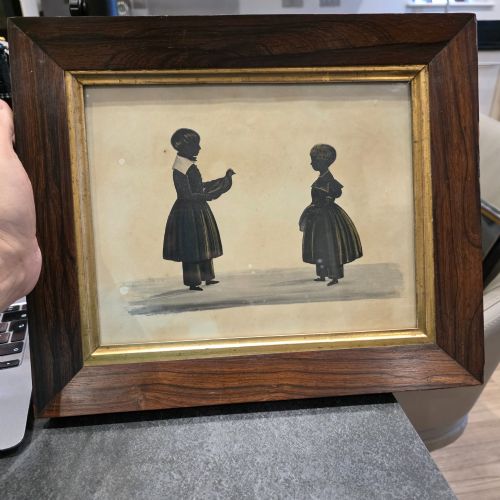
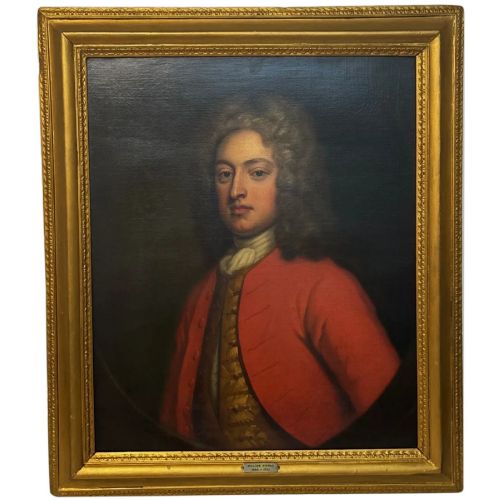
The most common examples on this page are eighteenth-century oil portraits on canvas and nineteenth-century silhouettes, alongside early twentieth-century pastels and drawings.
These works range from grand depictions of nobility and military officers to intimate character studies, folk art, and self-portraits.
How they were made
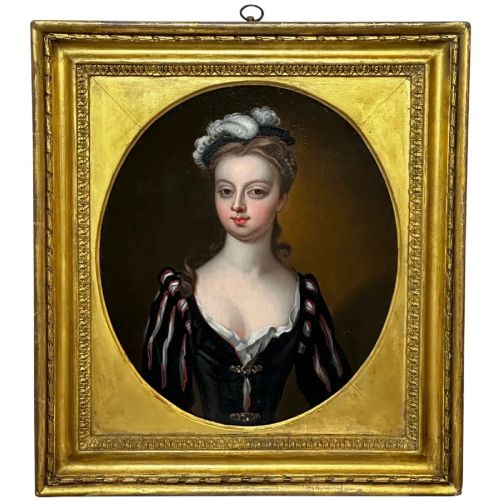
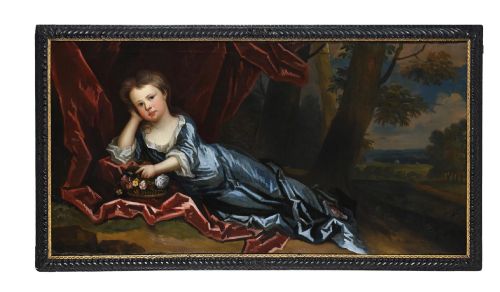
Artists worked primarily in oil paint on canvas or wooden panel, applying pigments with traditional brushes to build up rich skin tones and garments.
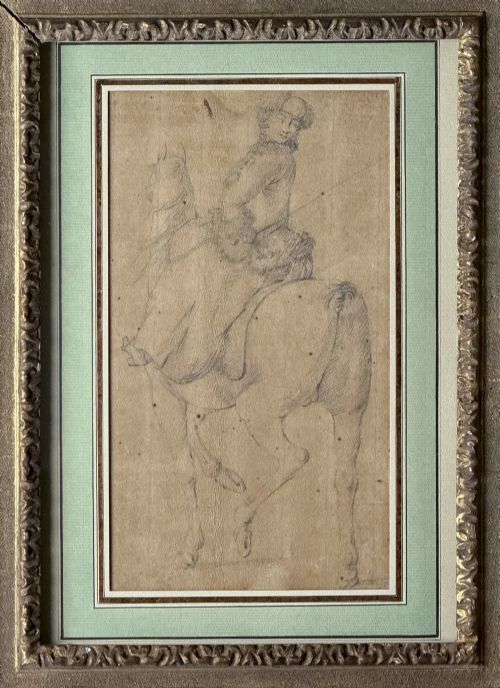
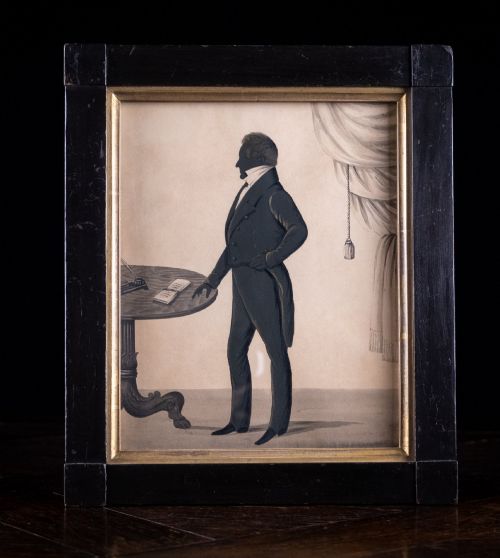
Works on paper utilised watercolour, ink, chalk, or pencil, while silhouettes involved precision cut paper often highlighted with watercolor or set against gilded backgrounds.
Framing typically involved period wooden frames, occasionally with giltwood detailing that complemented the artwork within.
Listings feature works spanning the seventeenth to the early twentieth centuries, executed in oil, watercolour, pastel, and cut paper.
What varies in quality
The skill of the draughtsman or painter dictates the vitality of the expression, particularly in the rendering of hands, eyes, and facial contours.
Material preservation influences overall appeal, distinguishing works with original untouched surfaces and stable pigment from those with extensive overpainting or paper degradation.
The distinction between a signed piece by a recorded artist and an anonymous school production changes the historical weight of the object.
Charles Jervas·William James Hubard·John Smith·Augustus John·Harry Epworth Allen
The Early Century Portrait Art Glossary
- Silhouette
- A profile portrait cut from dark paper or painted in solid black, often enhanced with white highlights or gold leaf. These became exceptionally popular during the eighteenth and nineteenth centuries.
- Oil on Canvas
- A painting technique where pigmented oil is suspended in a drying oil and applied to a stretched canvas support. This medium allowed artists to achieve deep, luminous colour and subtle tonal gradations.
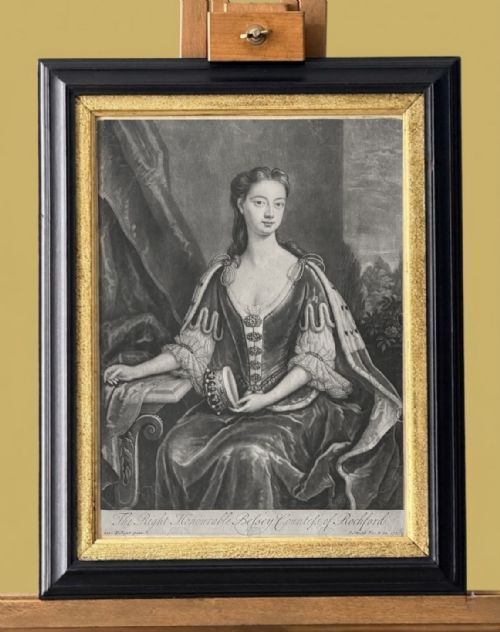
- Mezzotint
- A printmaking process of the intaglio family where the plate is roughened to achieve rich dark tones. It was frequently used for reproducing oil paintings of prominent figures.
- Pastel
- A dry medium consisting of powdered pigment and a binder, rubbed directly onto paper or board. It produces velvety surfaces with soft colour transitions.
- Jacobean
- A stylistic period spanning the early seventeenth century, characterised by formal, linear portraiture with detailed rendering of costume and lace.
Early Century Portrait Art: Frequently Asked Questions
How do I care for antique portraits?
Keep works out of direct sunlight to prevent fading of delicate watercolours, pastels, and oil pigments. Maintain stable indoor humidity to protect wooden panels and paper supports.
Avoid hanging pieces near heat sources which can cause canvas to slacken or frames to warp. Dust frames gently with a dry, soft cloth.
What is a silhouette portrait?
A silhouette is a profile likeness cut from dark paper or painted onto a pale background. They emerged as an accessible form of portraiture before the invention of photography.
Artists often embellished them with fine ink details, bronze highlights, or placed them in gilded frames.
How can I tell the period?
Examine the costume, hairstyle, and framing style of the sitter. Seventeenth-century subjects typically feature elaborate lace collars and stiff bodices, while eighteenth-century sitters wear softer silks and powdered wigs.
Canvas weave, panel construction, and paper types also offer clues to the approximate date of creation.
Are these works original?
The listings include original paintings, drawings, and period prints rather than modern reproductions. Many bear signatures, dates, or historical inscriptions on the reverse.
Documentation and stylistic comparison help confirm whether a work is a contemporary original or a later copy.