



Life Drawing Sketch
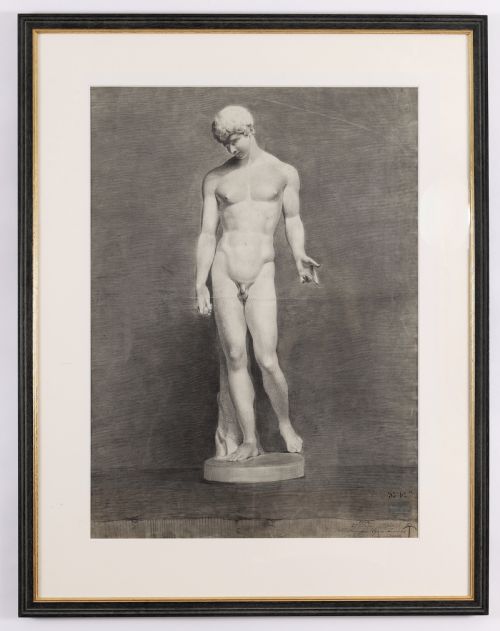
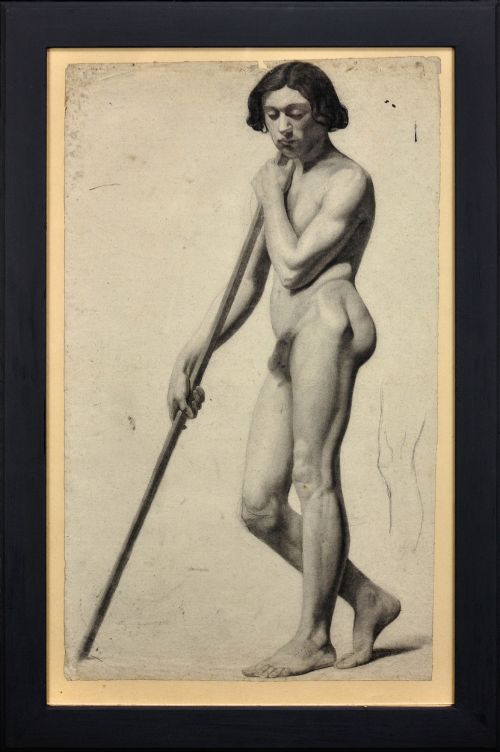
A life drawing sketch captures the human form directly from the model, offering an intimate record of academic training and artistic observation.
Life Drawing Sketch
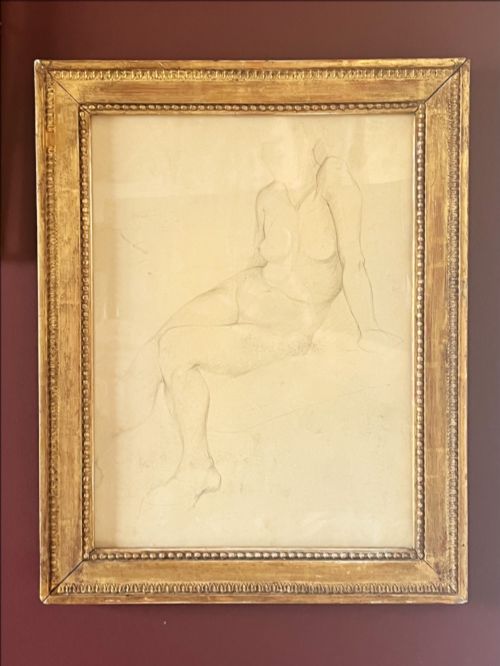
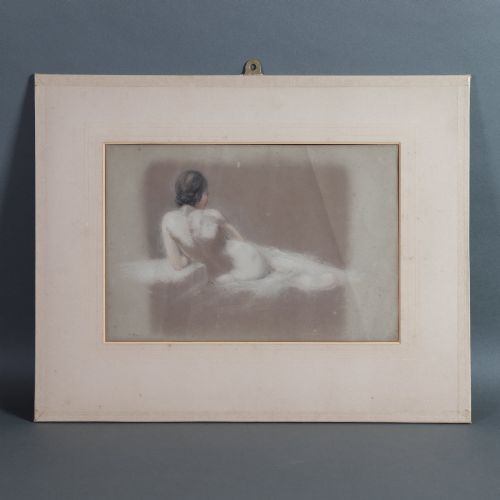
A life drawing sketch is a foundational study of the human body, rendered in media such as pencil, charcoal, and chalk. These works record the observation of live models, often within studio or academic settings.
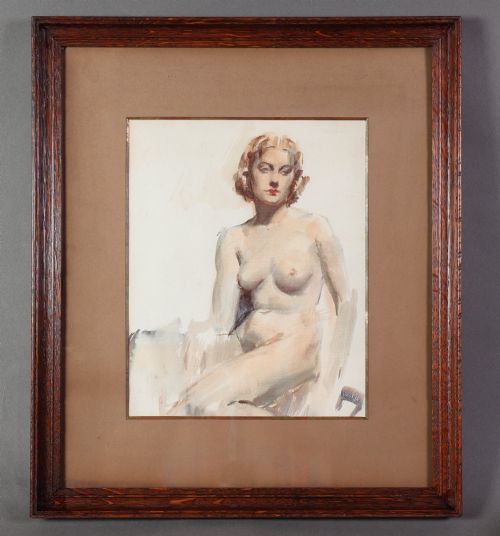
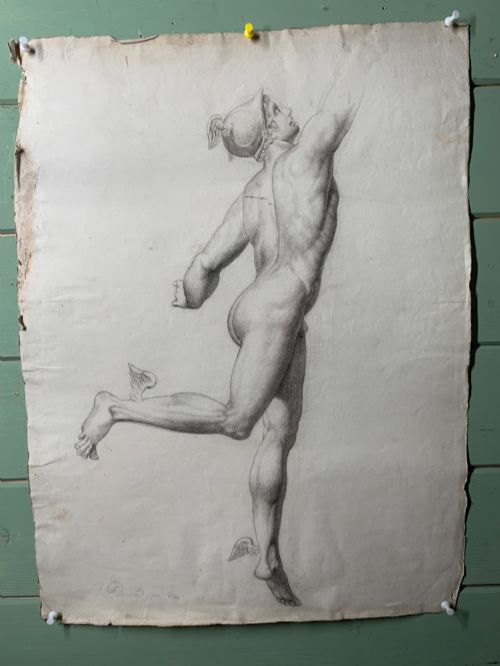
The selection ranges from Georgian academic pencil drawings of classical figures to mid-century British and French studies. Framed drawings and mixed media works represent the primary formats found on this page.
Examples span from the nineteenth century through the twentieth century, encompassing styles from Romanticism and Neoclassical academic realism to Modern British and Art Deco.
Materials and technique
Artists executed these works primarily on paper substrates, utilising dry media such as graphite, charcoal, and pastel alongside ink, chalk, and grisaille paint.
Techniques combine precise academic hatching and tonal shading to build anatomical form, often supported by wood frames and glass protection.
Listings feature paper works in charcoal, graphite, chalk, and ink, spanning from the Georgian period through the mid-twentieth century.
Assessing quality
Quality rests upon the sureness of the draughtsmanship and the artist's command of anatomy, proportion, and light across the paper. Studies that convey the physical presence of the model with economy and confidence stand apart from rigid or purely formulaic exercises.
The harmony between the drawing and its period framing further distinguishes individual pieces, alongside the documented hand of a known artist or academic studio.
William Etty·Augustus John·Henry Arthur Roberts·Lucien Gibert·Winifred Eugene Ballard·Frank Dobson·Philip Naviasky·John Stanton Ward
The Life Drawing Sketch Glossary
- Academic Realism
- A style of painting and drawing produced under the influence of European academies of art. It prioritises precise anatomical correctness and classical composition.
- Grisaille
- A painting or drawing executed entirely in shades of grey or neutral greyish-brown. It often serves as an underpainting or an independent tonal study.
- Recumbent
- Lying down or reclining in a comfortable posture. This pose frequently appears in life studies to test an artist's skill with foreshortening.
- Mixed media
- An artwork utilising more than one medium or material on the paper. Artists combine pencil, ink, chalk, and wash to achieve varied tonal effects.
Life Drawing Sketch: Frequently Asked Questions
How do I date a life drawing sketch?
Dating relies upon stylistic markers, paper types, and framing methods, alongside any signatures or inscriptions left by the artist.
Many sheets carry period dates or reflect the distinct academic standards of the nineteenth and twentieth centuries.
Where were these drawings created?
These works originated in formal art schools, private studios, and academy sessions across Britain and continental Europe.
Artists used them for training, as preparatory studies for larger paintings, or as finished works in their own right.
How should I frame and display paper sketches?
Framing behind glass protects delicate dry media such as charcoal, chalk, and graphite from smudging and environmental moisture.
Keep them away from direct sunlight to prevent fading on the antique paper.
What is the difference between an academic study and a finished drawing?
Academic studies focus intently on specific anatomical details, musculature, or poses, often showing directional lines and corrections.
Finished drawings present a more resolved tonal composition intended for exhibition or collection.