



Framed Naval Portrait
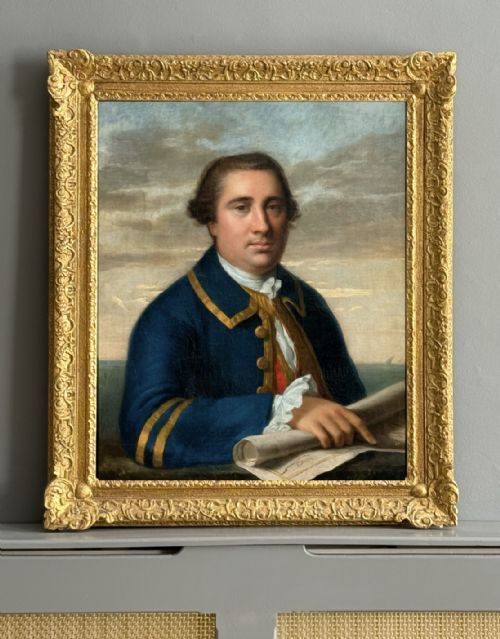
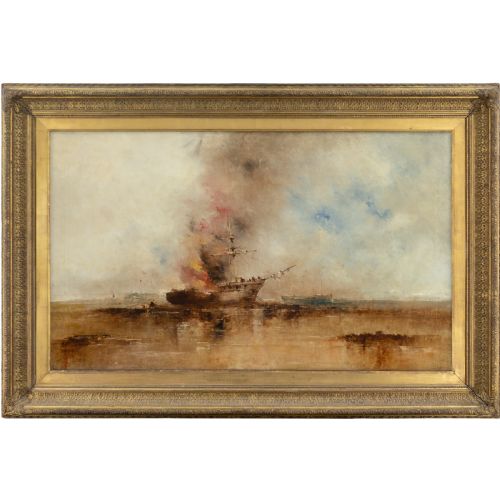
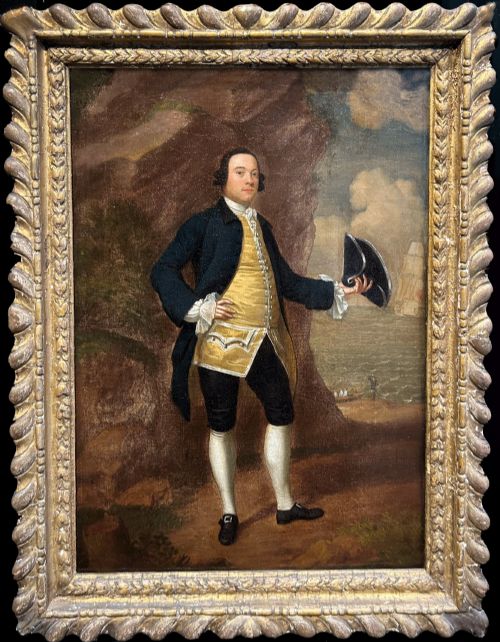
A framed naval portrait captures centuries of seafaring history through oil paintings, watercolours, and photographs housed in wood and giltwood.
Framed Naval Portrait
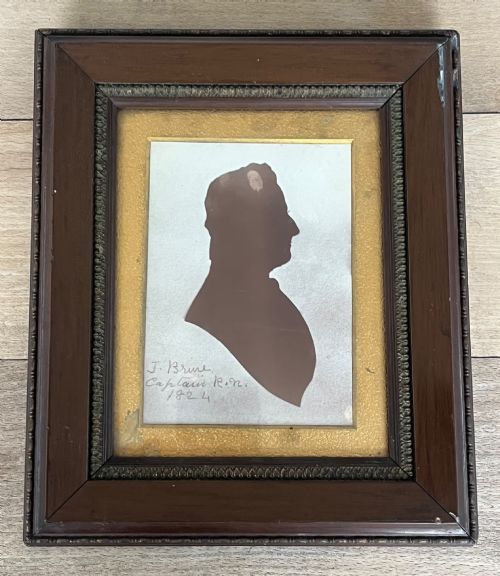
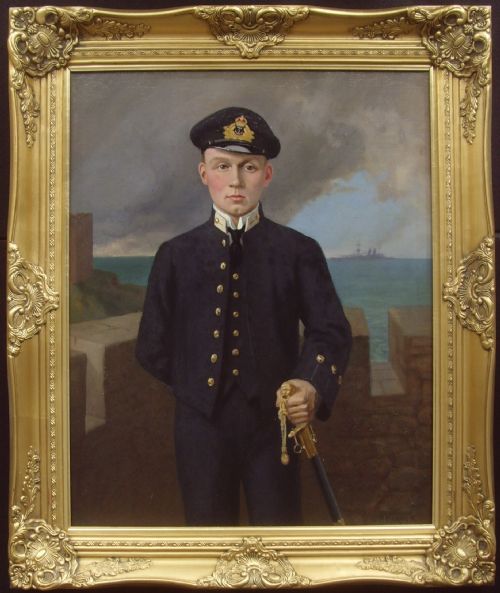
A framed naval portrait depicts officers, captains, midshipmen, and vessels from periods spanning the eighteenth century through the mid-twentieth century. Buyers searching for a framed naval portrait encounter works ranging from formal oil paintings on canvas and panel to detailed watercolour paintings and delicate portrait miniatures.
The subjects include named historical figures such as admirals and royalty, alongside anonymous sailors and merchant navy captains set against marine backgrounds or naval uniforms. These works reflect maritime traditions, military service, and shipboard life across Georgian, Victorian, Edwardian, and later eras.
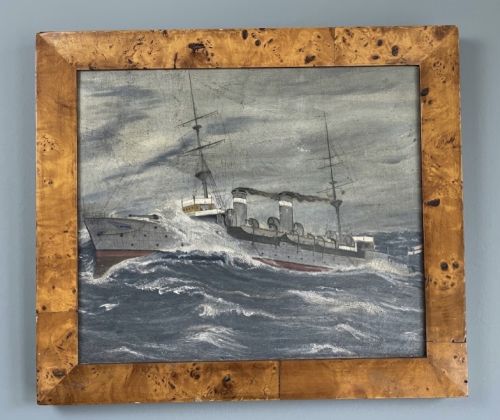
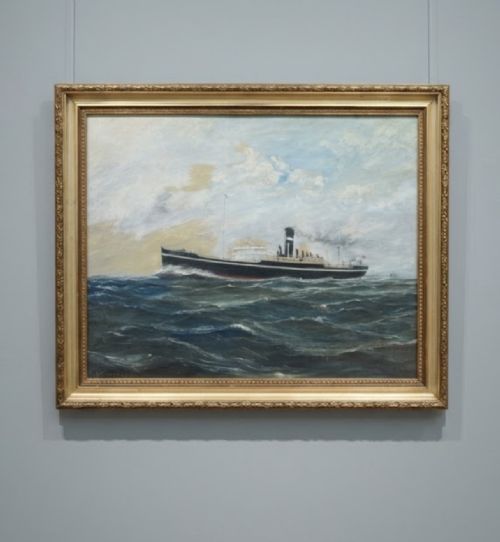
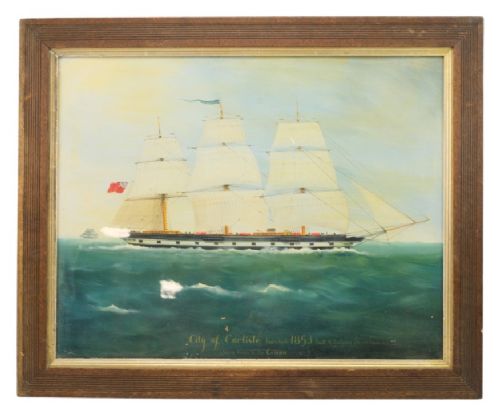
Framing varies considerably, from period oak and gold frames to substantial giltwood surrounds that complement the maritime subject matter. Many pieces combine portraiture with specific vessels, recording historical ships alongside their personnel.
Materials and construction
Artists painted these works using oil on canvas or panel, watercolour on paper, and gouache, occasionally employing pastel or working on agate panels and card. Canvas supports receive layers of oil paint, while watercolours rely on paper substrates protected by glass within the frame.
Frames utilise traditional timbers such as oak and pine, frequently finished with giltwood mouldings or carved ornamentation. Miniature portraits incorporate fine metals like eighteen-carat gold to house painted agate panels securely.
Framed Naval Portrait Retail Price Guide 2026
Typical asking prices for framed naval portrait among the pieces listed under this phrase on Sellingantiques today, from the lower quarter to the upper quarter. They describe what is for sale here now, not the wider market.
A French navy gouache serves as a sailor's sentimental tribute to his ironclad battleship and shipmates.
Assessing quality and execution
Quality rests upon the skill of the brushwork in capturing facial likenesses, uniform details, and rigging accurately within the marine setting. Master works demonstrate precise anatomical proportions and nuanced lighting, whereas simpler pieces rely on standard formulae for uniforms and seascapes.
The integration of the artwork with its period frame contributes significantly to the integrity of the piece. Original oak or giltwood frames that match the age of the portrait enhance the historical coherence of the object.
Samuel Harry Hancock·James Hardy·William McAlpine·Lemuel Francis Abbott·Francis Hayman·Vincenzo D’Esposito·John Simmons·Marie-Edouard Adam·WF Mitchell·George Frederick Clarke·Henry L Gates·John Laviers Wheatley
The Framed Naval Portrait Glossary
- Giltwood
- Wood carved and covered with a thin layer of gold leaf or gold paint. This finish frequently appears on nineteenth-century and earlier frames.
- Miniature portrait
- A small, highly detailed painting executed on ivory, vellum, card, or agate. These intimate works often feature officers and were designed to be carried or worn.
- Gouache
- An opaque watercolour paint consisting of pigment mixed with a water-soluble binder and white filler. Artists utilise this medium for matte surfaces and dense colour.
- Panel
- A flat piece of wood used as a rigid support for oil paintings. Panels predated standard canvas usage and remained common for smaller works.
Framed Naval Portrait: Frequently Asked Questions
What periods do these portraits cover?
The selections span from the eighteenth century through the Edwardian era and into the mid-twentieth century. Works originate from Georgian, Regency, and Victorian periods, capturing shifts in naval uniform and portrait styles.
Later pieces extend into the nineteen-fifties, recording twentieth-century fleet commanders and royal figures in naval dress.
How do I identify the subject of a portrait?
Many pieces include inscriptions, uniform insignia, or named vessels that indicate the rank and identity of the sitter. Naval uniforms change across centuries, allowing observers to date the attire from eighteenth-century coats to twentieth-century admiral dress.
Sitter names sometimes appear directly on the canvas or frame, while others require archival research into the military records of the period.
What media were used for these artworks?
Artists employed oil paint on canvas and wood panel, watercolour and gouache on paper, and pastel on card. Miniature portraits utilise specialised surfaces such as agate panels.
Photographic works also exist from the late nineteenth and early twentieth centuries, capturing sailors and captains on heavy card supports.
How are these pieces framed?
Frames range from original oak surrounds and narrow mouldings to ornate giltwood frames designed to highlight the artwork. Many retain their period mounts and glass protection.
The choice of frame often reflects the status of the sitter and the prevailing aesthetic of the decade in which the portrait was produced.