

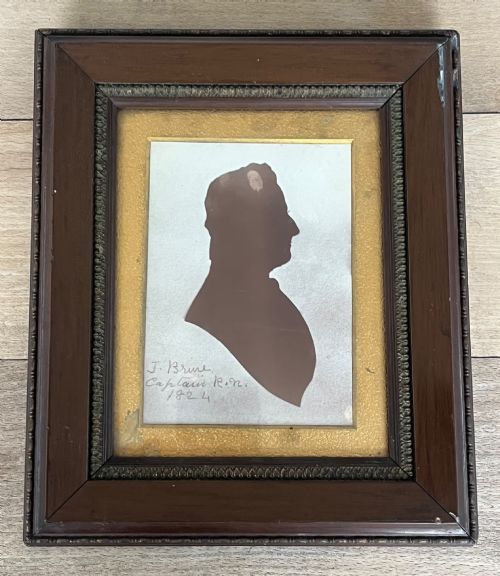
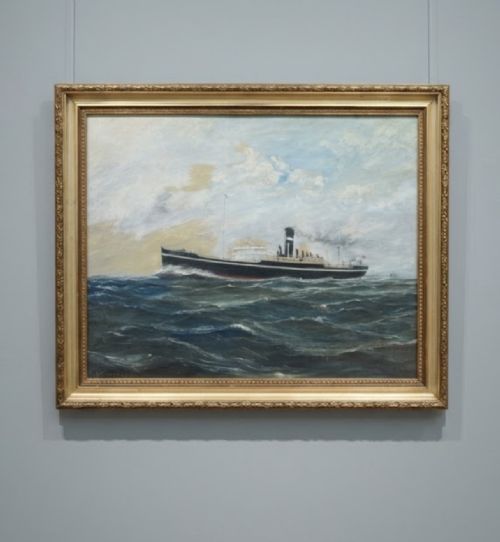
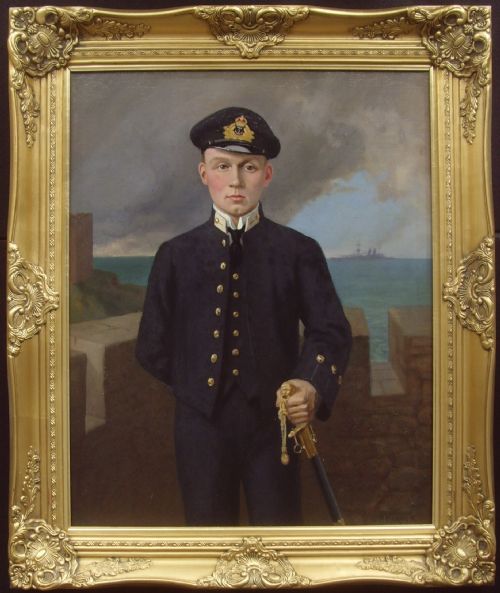
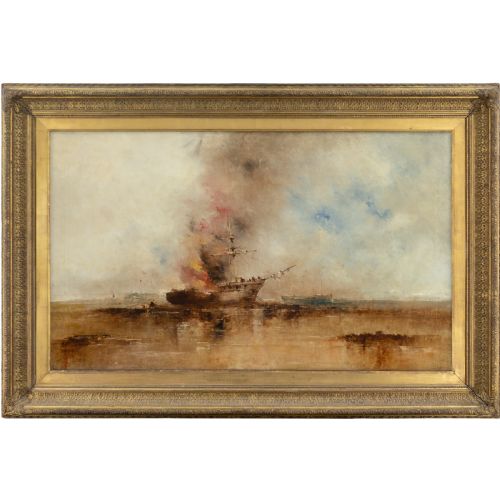
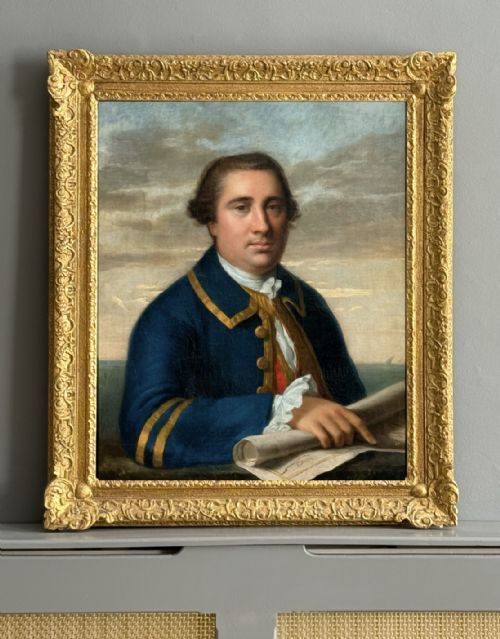


Gilt Framed Naval Portrait
These gilt framed naval portrait pieces are historic maritime likenesses set within decorative gold leaf surrounds, prized for capturing maritime heritage.
Gilt Framed Naval Portrait
A gilt framed naval portrait depicts officers, midshipmen, and captains associated with maritime service, housed within ornate gilded surrounds. Buyers searching for a gilt framed naval portrait will encounter works ranging from Georgian oil paintings to Victorian watercolours.
The subjects appear in naval uniforms, sometimes with ships or harbours visible in the background. Pieces span from small portrait miniatures to larger canvas works executed in oil or watercolour.
Materials and construction methods
Artists painted these subjects using oil on canvas, panel, or watercolour on paper, applying pigments to capture uniform details and facial likenesses. Makers housed these works within wood frames finished with gold leaf or giltwood.
Protective layers of glass frequently cover watercolours and miniatures, whilst oil paintings remain exposed to air within their heavy decorative borders.
Gilt Framed Naval Portrait Retail Price Guide 2026
Typical asking prices for gilt framed naval portrait among the pieces listed under this phrase on Sellingantiques today, from the lower quarter to the upper quarter. They describe what is for sale here now, not the wider market.
Listings incorporate works from the seventeenth, eighteenth, nineteenth, and twentieth centuries, using oil and watercolour on canvas, panel, and paper.
Distinguishing quality across examples
The condition and execution of the gilt frame also influence the overall standard, with hand-carved gilding outperforming simpler moulding finishes.
Samuel Harry Hancock·James Hardy·William McAlpine·Lemuel Francis Abbott·John Simmons·WF Mitchell
The Gilt Framed Naval Portrait Glossary
- Giltwood
- Wood carved and coated with gold leaf or metallic powder to create a reflective surface. This finish defines the characteristic borders surrounding these maritime likenesses.
- Oil on canvas
- Pigments bound in drying oil applied to a stretched woven fabric support. This medium allowed artists to achieve rich tones and durable finishes for naval subjects.
- Watercolour
- A paint consisting of colorants suspended in a water-soluble vehicle, typically applied to paper. It creates transparent washes often utilised for detailed officer studies.
- Maritime
- Pertaining to the sea, shipping, and naval operations. This theme governs the background elements and uniforms seen in these works.
Gilt Framed Naval Portrait: Frequently Asked Questions
What periods do these portraits cover?
The available selection spans from the seventeenth century through the eighteenth and nineteenth centuries into the twentieth century. Examples include Georgian, Victorian, and Edwardian eras.
Specific dates within listings range from seventeen seventy-five up to nineteen sixty, reflecting evolving styles in maritime portraiture.
How were these artworks displayed?
Owners typically hung these framed pieces in domestic interiors, ship cabins, or institutional offices to mark naval service and achievements. The heavy gilt frames were designed to project status and catch candlelight or natural illumination.
Watercolours and miniatures often received protective glass covers to shield the paper and pigments from atmospheric moisture.
How do I identify a naval uniform?
Naval uniforms feature specific button arrangements, epaulettes, collars, and braided insignia denoting rank and service branch. Works often depict officers wearing period specific attire such as Georgian coats or nineteenth century naval jackets.
Orders and medals, such as the Order of St. Louis, occasionally appear pinned to the subject's chest.
What mediums are used?
Artists employed oil on canvas, oil on panel, and watercolour on paper. Some pieces are intimate portrait miniatures executed on delicate supports.
Frames are constructed from wood and finished with gold leaf or giltwood components.