


Framed Monochrome Print
These framed monochrome print pieces offer stark, graphic presence on a wall, capturing subjects from royalty to wildlife.
What framed monochrome print pieces are
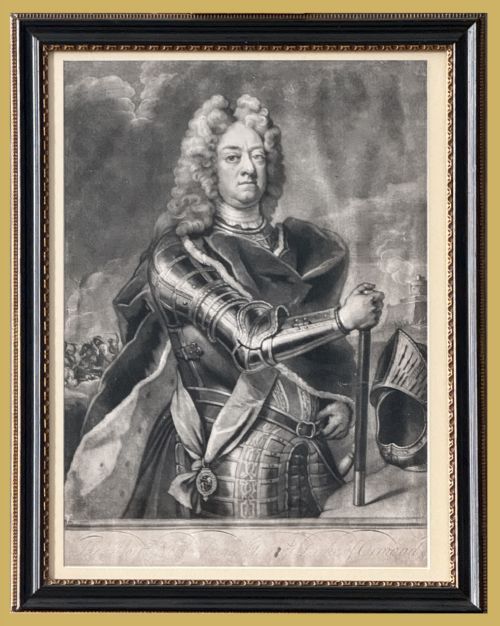
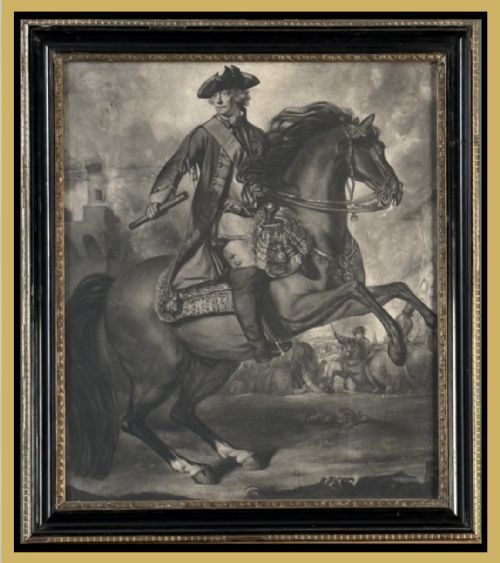
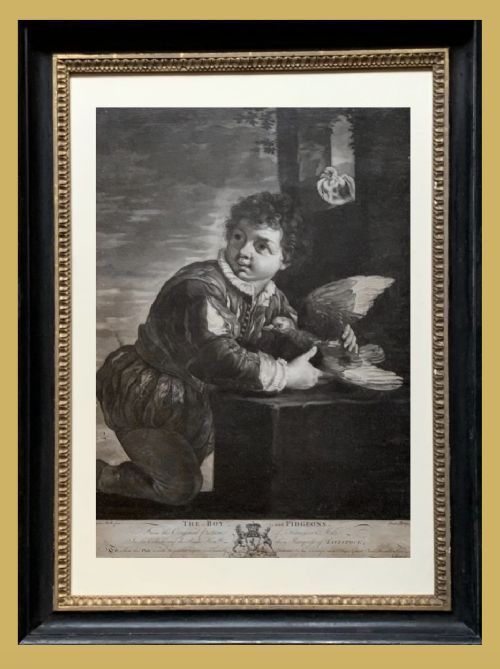
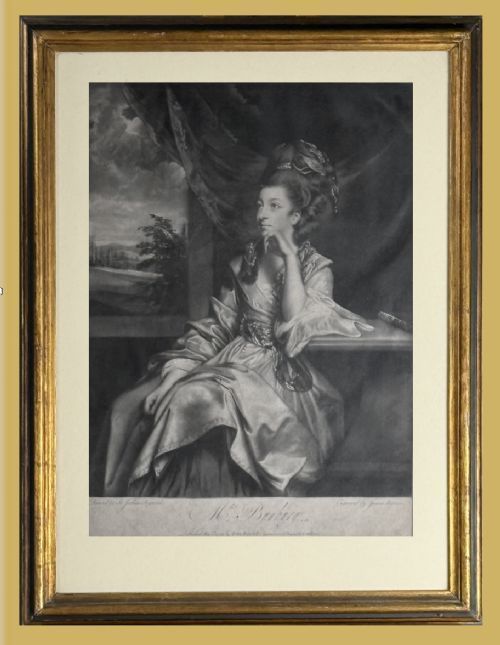
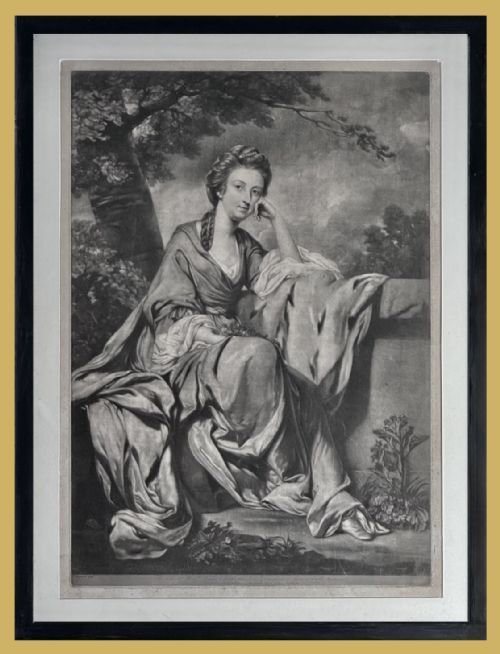
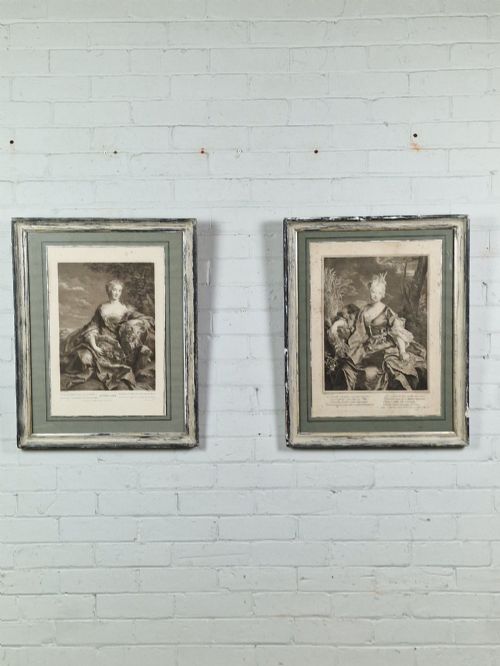
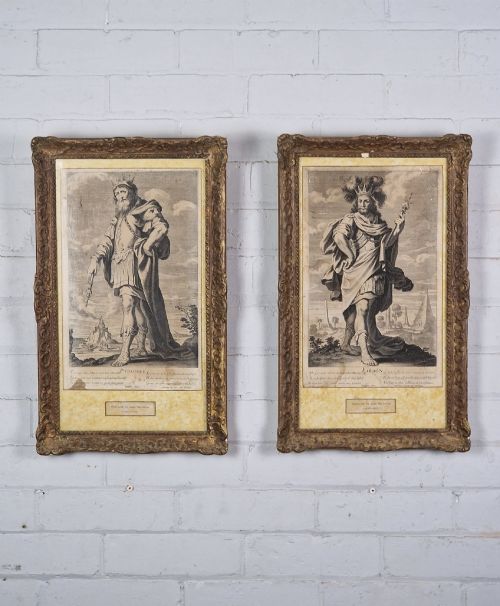
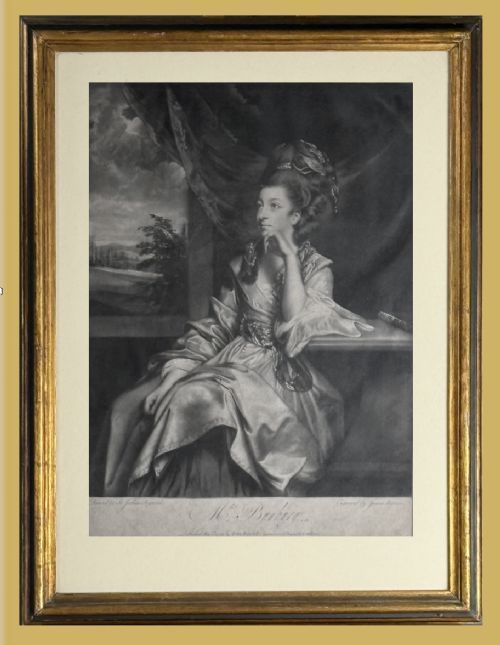
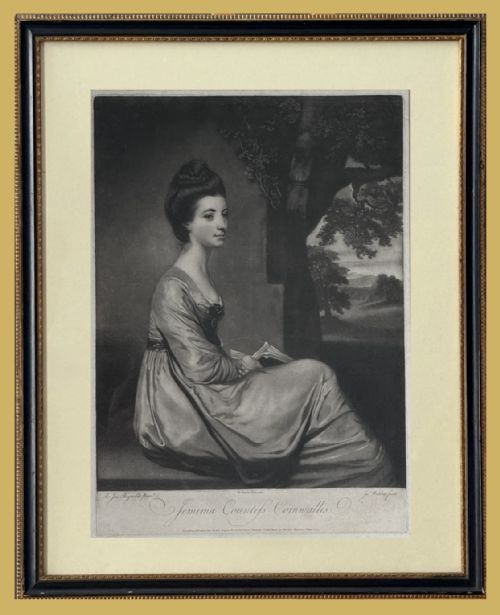
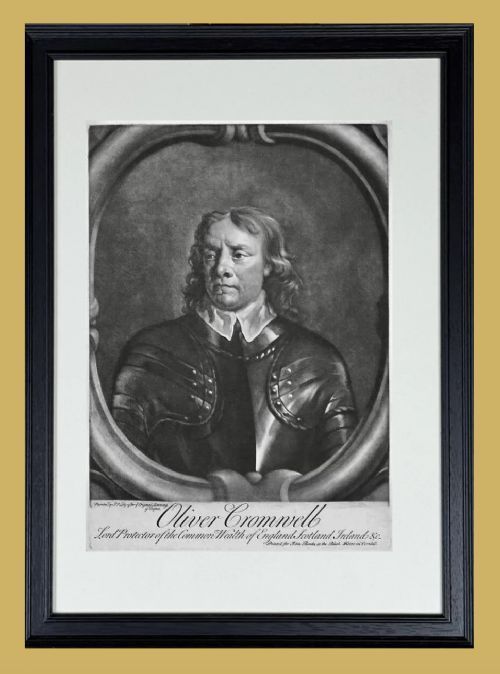
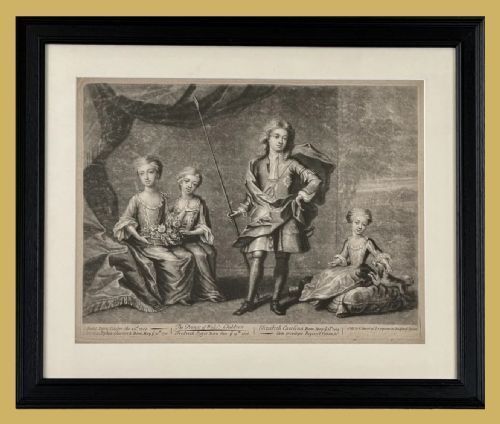
A framed monochrome print brings together historical imagery executed in single-colour inks, spanning the eighteenth century, the Victorian era, and the early twentieth century.
The objects take the form of framed prints, artworks, and original drawings mounted behind glass within wooden surrounds, such as ebonised frames or those finished with gold leaf.
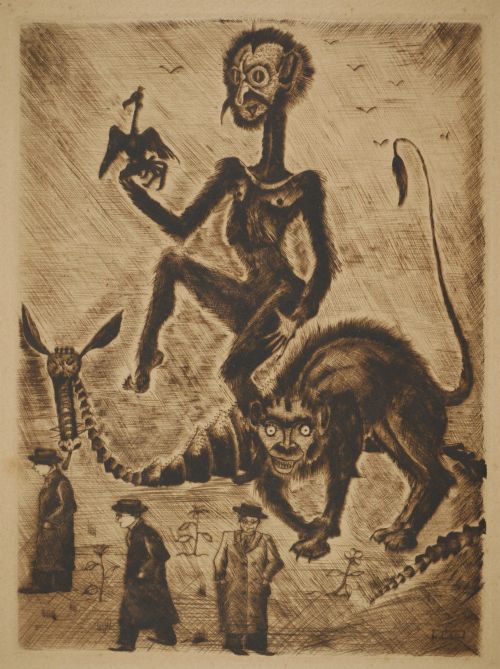
Buyers encounter portraits of figures like Queen Caroline and David Garrick, alongside etchings depicting subjects such as Guernsey seaweeding and a leopard drinking.
How they were made
The imagery relies on paper, ink, and printmaking techniques including mezzotint and etching, supplemented by hand-drawn works on paper from the nineteenth century.
Makers housed these works inside wooden frames furnished with glass for protection, occasionally incorporating ebonised wood or gold leaf details to enhance the presentation.
Retail Price Guide 2026
Typical UK retail prices for framed monochrome print, calculated from the Sellingantiques database of over a million retail prices indexed since 2003. This retail price guide relies exclusively on Sellingantiques data; no external sources or auction records are used, so the figures do not describe the wider market.
David Garrick appears caught between vice and virtue in one eighteenth-century mezzotint, offering permanent theatrical drama for your wall.
What varies in quality
Quality rests in the crispness of the impression left by the ink upon the paper and the fidelity of the tonal gradations within the monochrome palette.
The preservation of the paper support and the originality of the contemporary or period frame, including its glass and gilding, distinguish superior examples.
John Smith·G Kneeller·Jiohan Elis Haid·Sir Joshua Reynolds·Herbert Dicksee
The Framed Monochrome Print Glossary
- Mezzotint
- A printmaking process of the intaglio family where the plate is roughened to achieve rich dark tones and subtle graduations of light. This technique allowed eighteenth-century printmakers to reproduce oil paintings with remarkable fidelity.
- Etching
- A method of making prints by using acid to cut into the unprotected parts of a metal surface to create a design in intaglio. Artists use this technique to achieve fine, expressive lines.
- Artists Proof
- An impression of a print taken in the printmaking process to check the state of the work before the edition is printed. These bear the signature of the artist as a mark of approval.
- Ebonised wood
- Timber treated to mimic the dense, dark appearance of ebony. This finish was widely utilised in nineteenth-century framing to provide a high-contrast border for monochrome works.
Frequently Asked Questions
What periods do these monochrome works come from?
The pieces span the eighteenth century, the Victorian period, and the early twentieth century, reflecting shifting printmaking traditions.
Each era brings distinct paper qualities and framing styles to the surviving works.
How should I hang a framed print?
Keep these works out of direct sunlight to protect the paper and ink from fading over time.
Ensure they hang on interior walls where humidity and temperature remain stable.
Are these prints originals or reproductions?
The listings include period printmaking techniques such as etchings and mezzotints, alongside original drawings on paper.
Each piece reflects the graphic methods standard to its respective century.
What materials make up the frames?
Frames are constructed from wood, with examples featuring ebonised surfaces or gold leaf decoration.
Glass protects the face of the paper in every instance.