


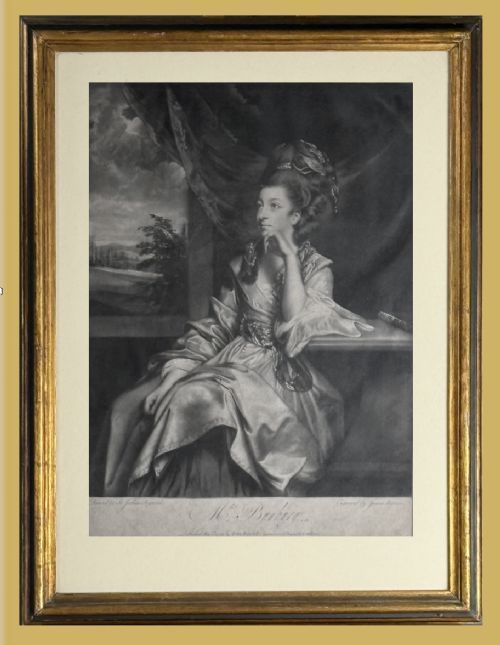
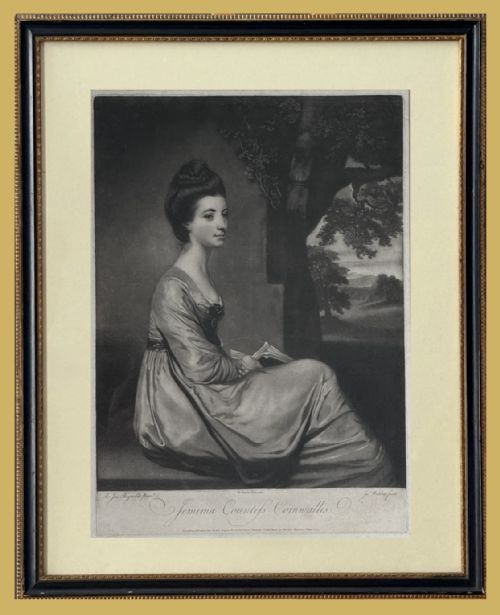
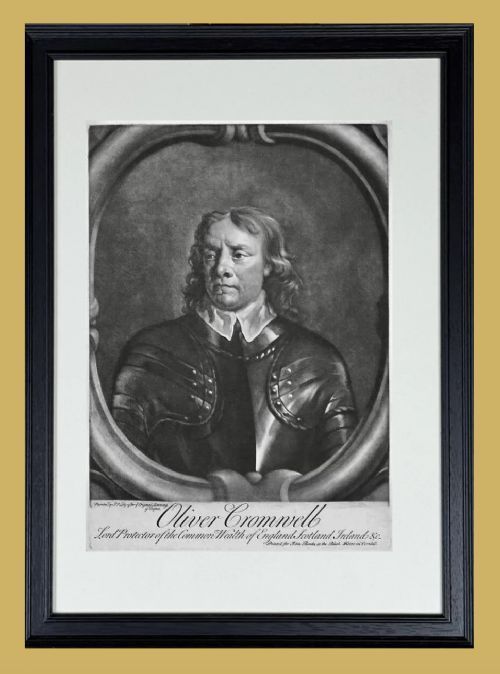
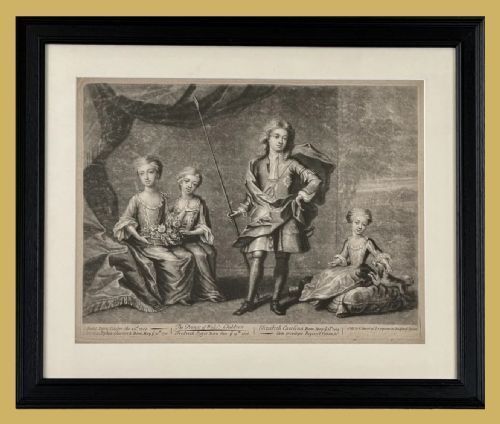
Framed Monochrome Art Print
A framed monochrome art print brings historic depth to a wall, offering rich tonal engravings and mezzotints housed behind glass in period timber.
Framed Monochrome Art Print
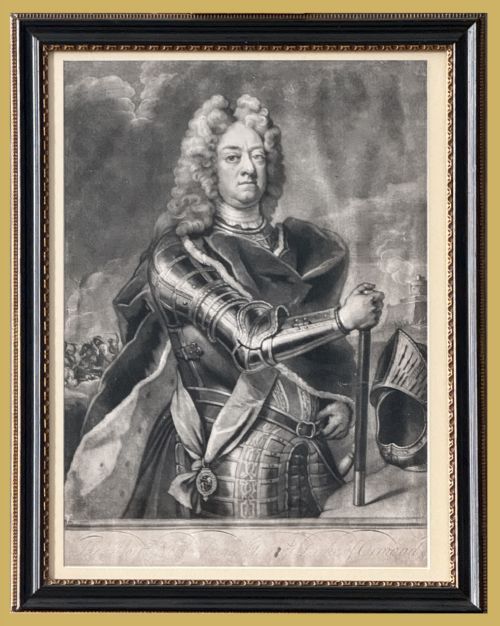
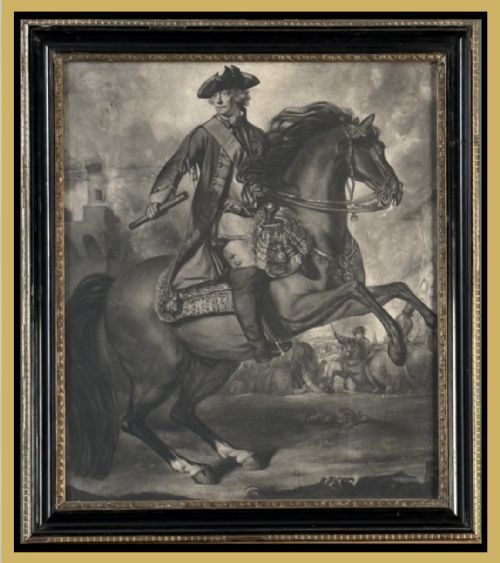
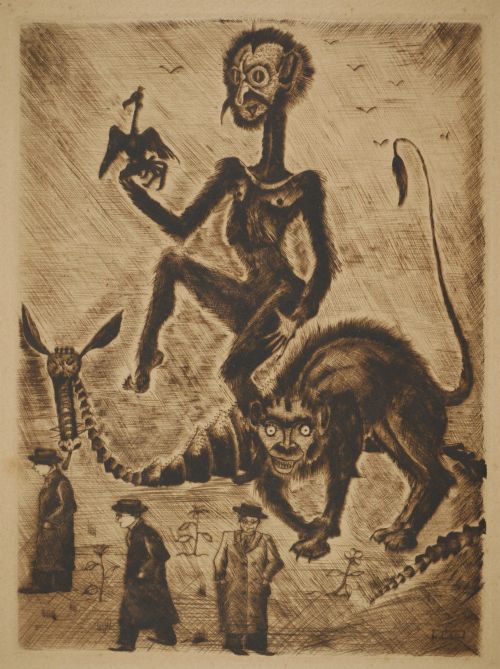
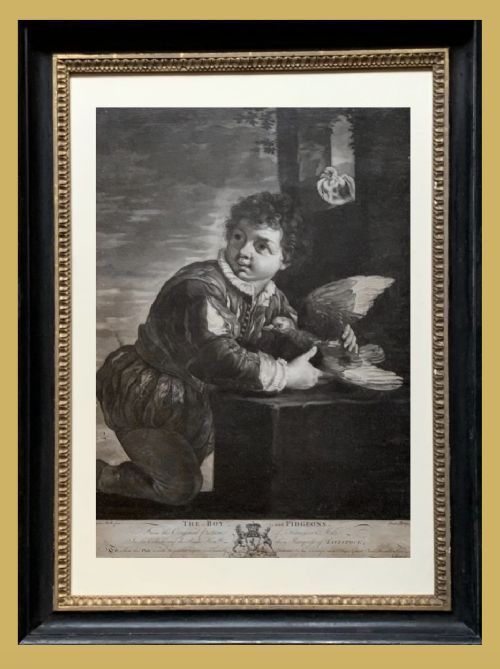
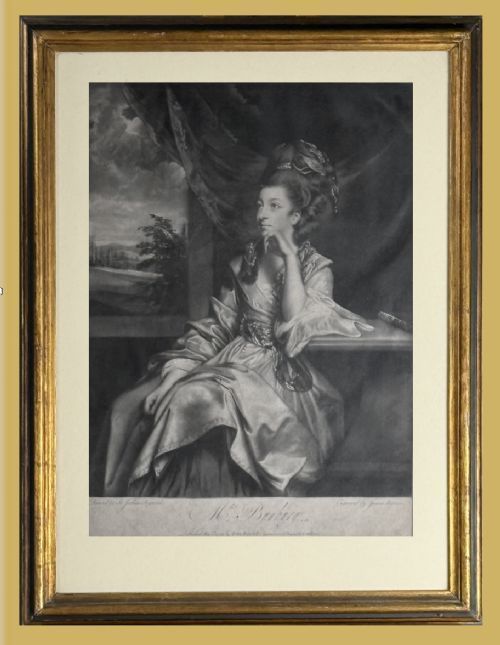
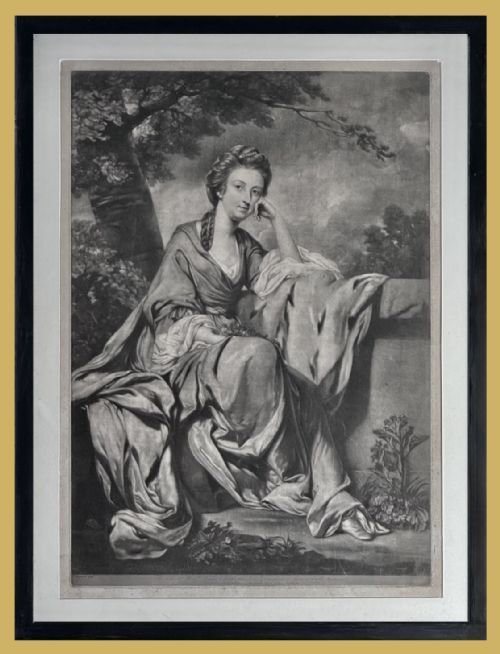
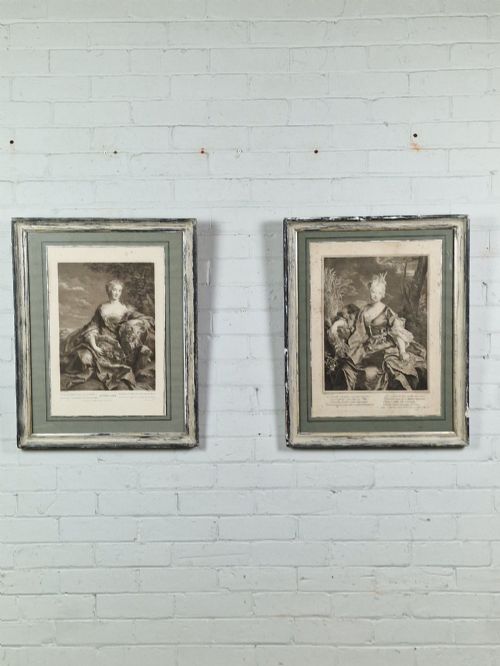
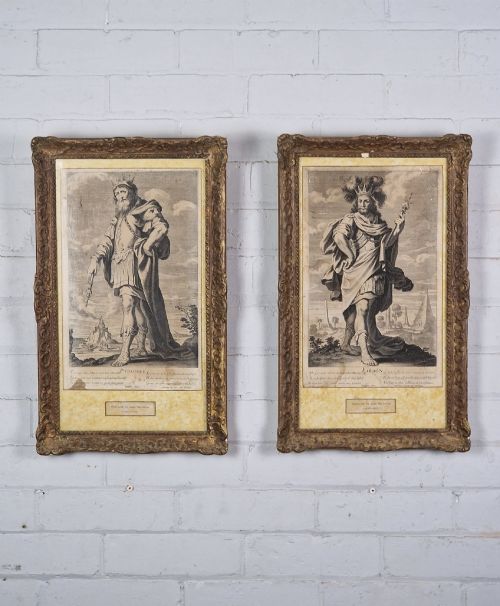
A framed monochrome art print spans centuries of graphic work, concentrating heavily on eighteenth-century British and continental portraiture alongside later etchings and architectural plates. The selection ranges from royal mezzotints and classical allegories to anatomical studies and animal drypoints.
The dominant formats on this page are eighteenth-century and seventeenth-century mezzotints created by notable engravers after major painters, though twentieth-century etchings and nineteenth-century engravings also appear. These works arrive enclosed in protective timber frames fitted with glass.
Buyers select these items to anchor a room with historic character, relying on single plates or matched pairs to introduce classical proportion and deep tonal contrast to an interior.
How they were made
The works rely upon ink transferred from copper plates onto paper through intaglio printing methods, encompassing mezzotint, engraving, etching and drypoint. Mezzotints achieve velvety tonal gradients by roughening the metal plate with a rocker before scraping highlights, whereas line engravings demand precise manual incisions.
Protective enclosures utilise wood such as oak and gilt timber, sometimes retaining original frames like Hogarth profiles. Glazing with glass secures the fragile paper sheet beneath against atmospheric moisture and surface dust.
Even a weeping angel and an eighteenth-century skeleton engraving need a sturdy oak frame to keep them in line.
What varies in quality
Quality rests upon the crispness of the ink impression and the depth achieved by the individual engraver translating a master painter's canvas. Early impressions from fresh copper plates retain sharp contrasts and delicate burr, while worn plates yield faded, muddy tones.
The integrity and period relevance of the framing elements also govern overall excellence. Original timber and gilt mouldings matched to the era of the print elevate the historical standing of the piece considerably.
John Simon·Edward Fisher·Kurt Lorein Victor Peiser·John Boydell·James Watson·Jean Mariette·John Smith·Thomas Murray·Joseph Sympson·W Dickinson·Andrew Bell·John Faber Snr·Hans Holbein The Younger·Charles D Agar·Purcell·Thomas Frye·Richard Purcell·James Heath·Biaggio Rebecca·Thomas Watson·Kurt Meyer Eberhardt·Herbert Dicksee·P Ruiz·John Faber Jr·Robert Williams
The Framed Monochrome Art Print Glossary
- Mezzotint
- An intaglio printmaking process where the copper plate is roughened evenly and smoothed selectively to produce rich tonal gradations rather than sharp lines. This technique gained immense popularity in Britain for translating oil paintings into monochrome prints.
- Engraving
- A method of cutting design lines directly into a metal plate using a sharp steel tool called a burin. The resulting prints exhibit clean, precise lines and enduring structural clarity.
- Etching
- A technique where acid bites lines into a metal plate through a protective wax ground. Artists draw freely through the wax to expose the metal before the acid bath creates the recesses for ink.
- Drypoint
- A printmaking process where an artist scratches lines directly into copper using a hard steel needle, raising a metal ridge called a burr. This burr catches ink during printing to create a soft, velvety line unique to the method.
- Gilt Wood
- Timber coated with a thin layer of gold leaf or metallic paint to provide a reflective surface. This finish frequently characterises decorative frames from the baroque and neoclassical periods.
Framed Monochrome Art Print: Frequently Asked Questions
How do I care for a framed monochrome print?
Keep the artwork away from direct sunlight to prevent the ink and paper from fading over time. Maintain a stable room temperature to protect both the fragile paper and the historic wooden frame.
Dust the glass gently with a dry microfibre cloth and avoid spraying any liquid cleaning products directly onto the frame or glazing.
What is the difference between an engraving and a mezzotint?
An engraving uses a sharp tool to cut lines directly into metal, resulting in crisp, defined outlines and structured shading. A mezzotint builds an entire tonal field from dark to light by roughening the plate surface first, creating soft and velvety shadows.
Mezzotints excel at capturing the rich textures of oil paintings, while engravings favour precision and linear detail.
Are these prints original period works?
The listings on this page comprise genuine period printmaking, largely spanning the seventeenth, eighteenth, and nineteenth centuries. Each plate was printed during the eras indicated rather than reproduced digitally in modern times.
Examining the paper stock, plate marks, and framing materials helps confirm the historic origins of individual pieces.
How can I tell if a frame is original to the print?
Original frames usually show consistent signs of age, wear, and construction techniques appropriate to the century of the print. Indicators include period joinery, historic backing boards, and matching patination on the timber or gilt surfaces.
Subsequent reframing is common with antique prints, making the combination of original mounting a notable bonus for collectors.