

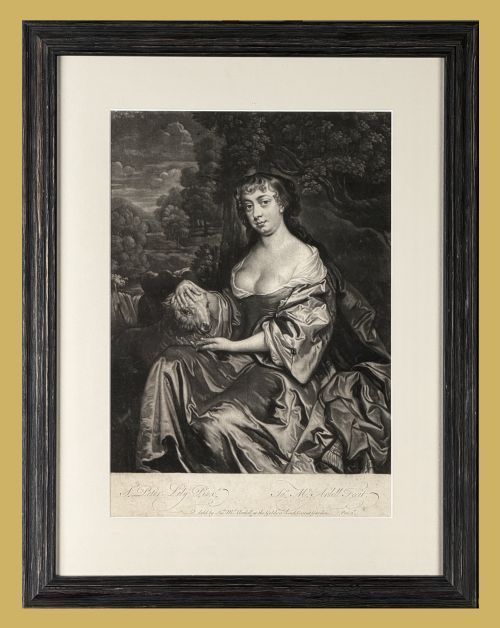
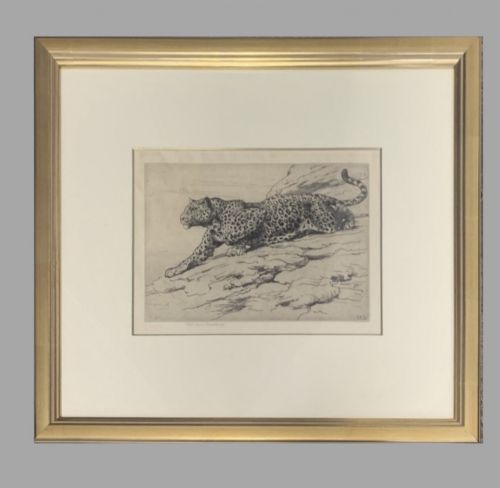
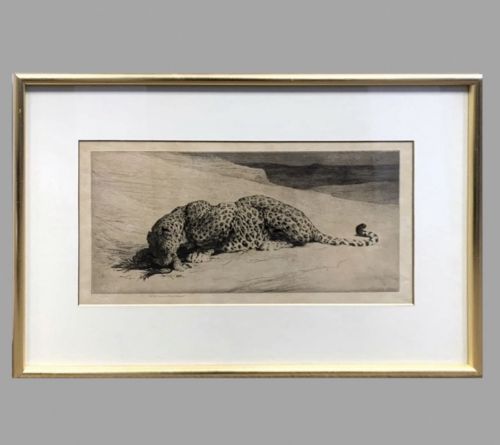
Vintage Monochrome Paper Print
A vintage monochrome paper print brings together ink, paper and the disciplined hand of the engraver, etcher or lithographer.
Vintage Monochrome Paper Print
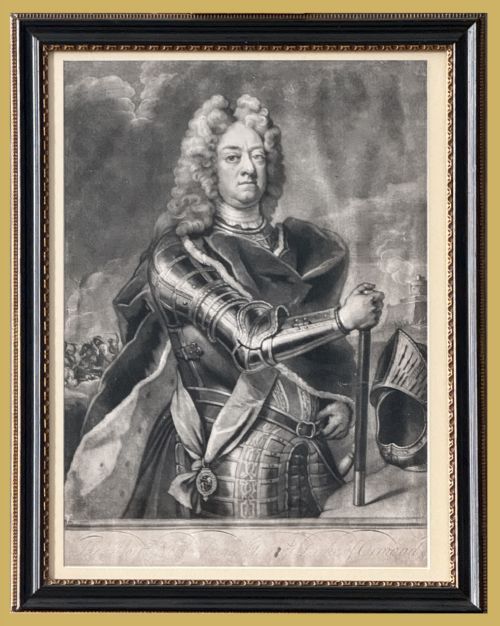
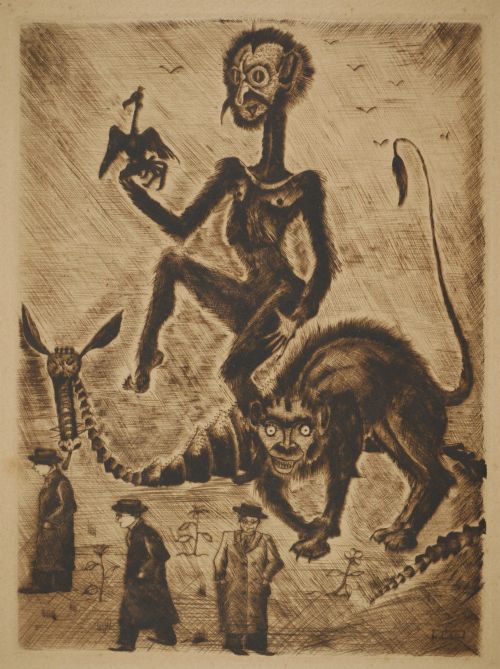
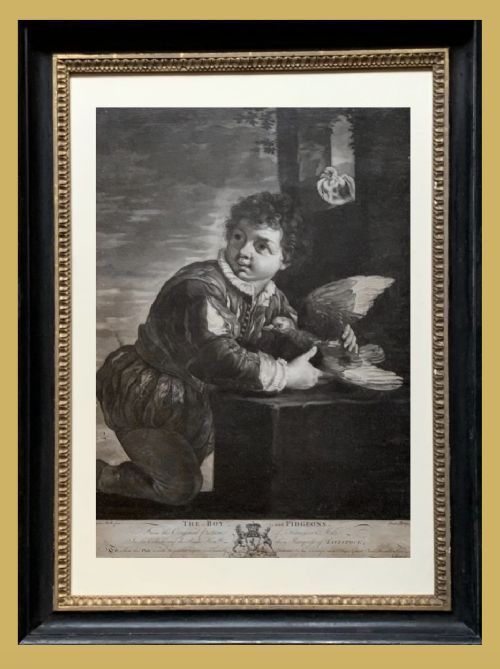
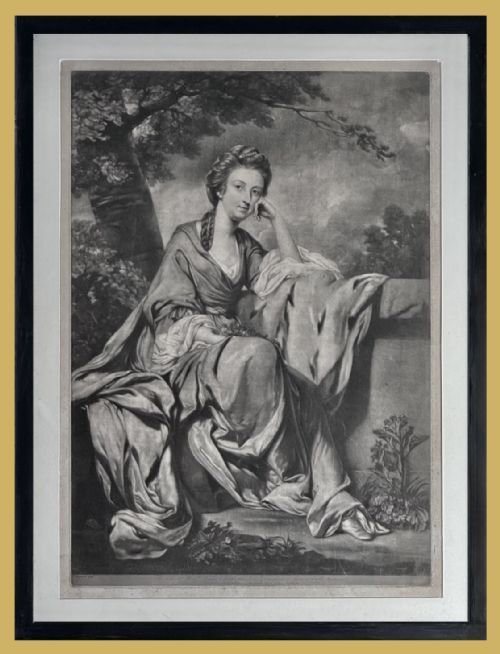
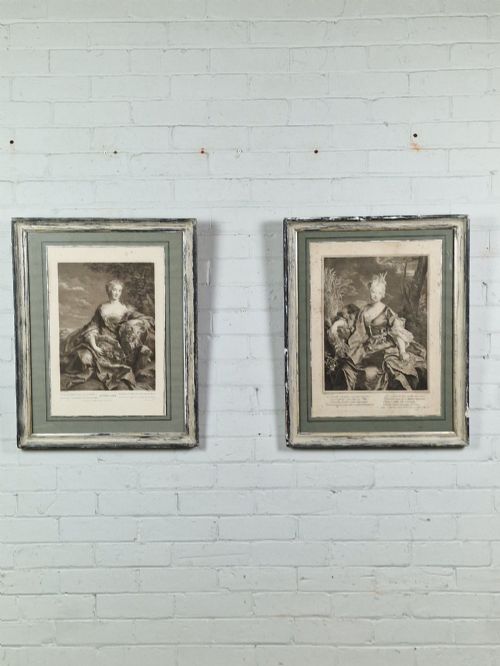
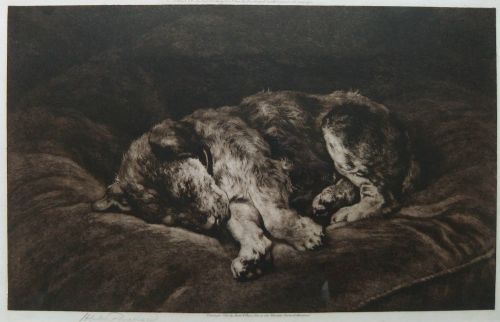
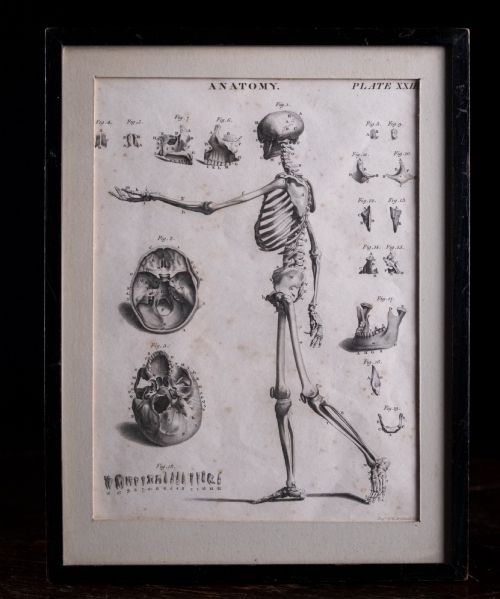
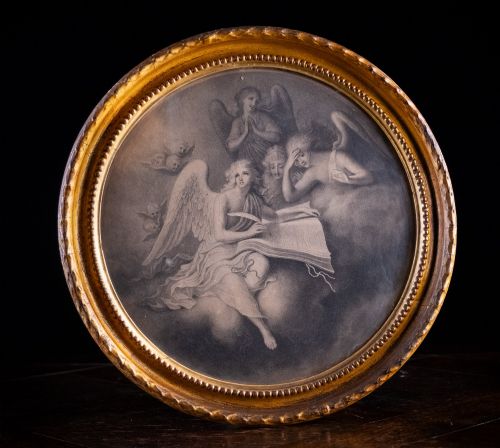
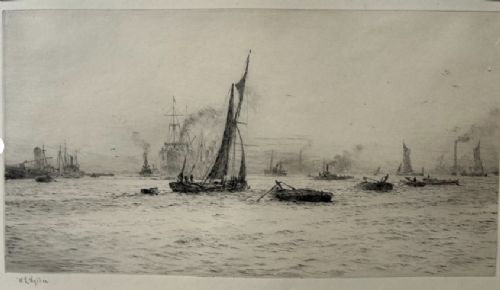
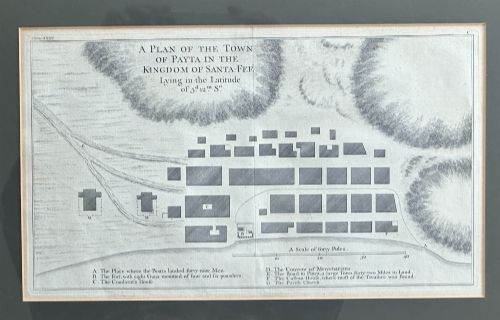
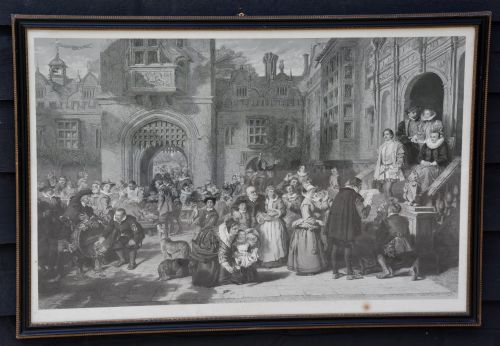
When searching for a vintage monochrome paper print, collectors encounter a diverse array of works on paper spanning several centuries. The material evidence on this page encompasses framed prints, etchings, engravings, lithographs, photographs and maps produced across periods from the seventeenth century through to the early twentieth century.
The selections span distinct stylistic movements including Baroque, Neoclassical, Georgian, Regency, Victorian, Edwardian and Art Deco. Buyers frequently meet portraiture, topographical views, animal studies, architectural subjects and narrative scenes rendered entirely in shades of black, white and grey.
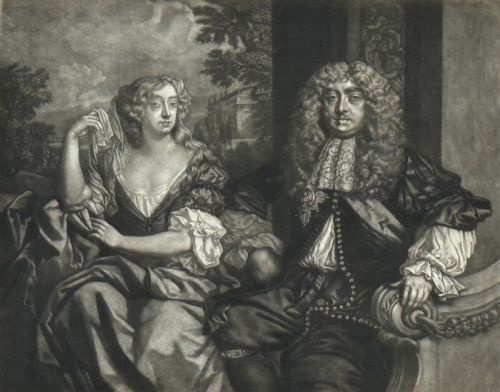
These works manifest as individual sheets or cohesive sets housed in traditional surrounds of glass, wood, gold leaf and giltwood. The range extends from eighteenth-century mezzotints after prominent painters to twentieth-century artist proofs and documentary posters.
How they were made
The creation of these works relies fundamentally upon paper and ink manipulated through various manual and mechanical printing techniques. Copper plates, steel plates and lithographic stones receive ink before transferral under pressure to produce the definitive monochrome image.
Artists and printmakers utilise graphite, etching needles and engraving tools to incise or draw designs prior to printing. Finished impressions often undergo mounting behind glass and containment within timber framing, sometimes enhanced with gold leaf or gilt wood.
Materials appearing across the inventory include paper, ink, wood, glass, gold leaf, gilt wood and graphite.
What varies in quality
The distinction between tiers of work rests upon the sharpness of the ink impression and the clarity of the lines transferred from the plate or stone. Early impressions pulled directly from a freshly worked copper plate exhibit crisp detail and rich tonal gradations that later strikes lose.
The physical condition of the paper stock and the presence of original artist signatures or period framing contribute significantly to the standing of a piece. Works bearing definitive attributions to skilled engravers and master painters elevate the historical merit of the print.
John Simon·Michael Dahl·Kurt Lorein Victor Peiser·John Boydell·Pier Francesco Mola·Edward Fisher·Sir Joshua Reynolds·John Smith·Andrew Bell·William Lionel Wyllie·Robert Williams·Sir Peter Lely·James MacArdell·Herbert Dicksee·J.C Burgess·William Day·Dame Laura Knight·Julian Mandel·John Hancock·Henry Arthur Roberts·E.L. Riepenhausen·Sir Thomas Lawrence·Sir William Nicholson·Claes Jansz Visscher·James Dobie
The Vintage Monochrome Paper Print Glossary
- Mezzotint
- A printmaking process of the intaglio family where the copper plate is roughened uniformly to produce rich dark tones and subtle gradations of light. This technique allows for remarkably smooth tonal transitions without reliance on traditional line work.
- Etching
- A method where metal plates are coated with an acid-resistant ground, drawn upon with a needle to expose the metal, and then submerged in acid to bite the lines. The resulting plate holds ink for transferral to paper.
- Lithograph
- A planographic printing process based on the mutual antipathy of oil and water, executed upon a flat limestone or metal plate. The artist draws with a greasy medium that accepts ink while the damp blank areas repel it.
- Drypoint
- An intaglio technique where the artist scratches directly into a metal plate using a hard steel point, raising a rough ridge of metal called a burr. This burr holds extra ink during printing to create a characteristic velvety line.
- Artist Proof
- An impression printed outside of a standard numbered edition, retained by the creator for personal review or approval. These prints often carry direct pencil signatures from the hand of the maker.
Vintage Monochrome Paper Print: Frequently Asked Questions
What is a monochrome paper print?
A monochrome paper print is a single-colour image produced on a paper support using media such as ink or graphite. These works include etchings, engravings, lithographs and photographs created through various historical printing methods.
They rely on tonal variations of black, white and grey rather than full colour palettes. The category encompasses everything from seventeenth-century portraits to twentieth-century documentary posters.
How do I care for antique prints?
Antique prints require protection from direct sunlight to prevent the fading of ink and the yellowing of paper. Maintaining stable humidity levels prevents moisture damage and the formation of mould or foxing spots.
Framing with acid-free backing materials preserves the integrity of the paper over time. Keeping pieces behind appropriate glass guards against atmospheric dust and physical handling.
How do I identify an etching?
An etching typically displays a distinct plate mark where the edge of the metal plate compressed the paper during the printing process. Under magnification, the ink lines appear slightly raised with soft, characteristic edges created by the acid bite.
Prints generated by this technique often show fine, intricate cross-hatching and subtle tonal variations unique to manual plate work. They contrast with flat, uniformly modern photographic reproductions.
What is the difference between an engraving and an etching?
An engraving is made by cutting lines directly into a metal plate using a sharp steel tool called a burin. This produces clean, precise, tapered lines straight from the physical force of the hand.
An etching uses acid to bite the lines into the metal through a protective ground layer. The resulting lines generally exhibit a more fluid, organic character compared to mechanical cuts.