




Twentieth Century Illustration
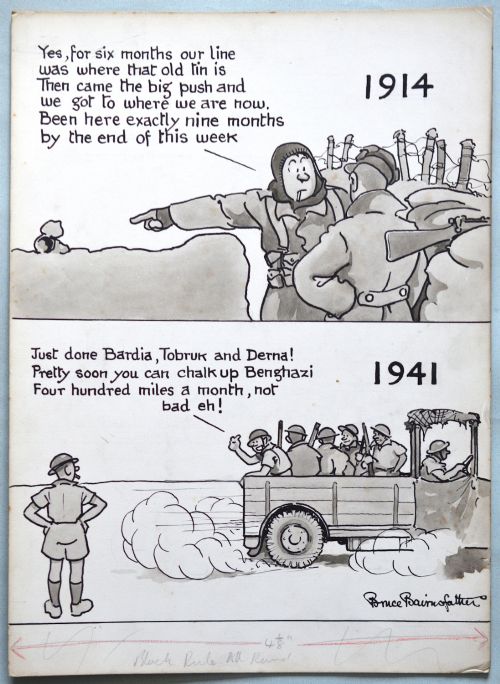
Twentieth century illustration captures original graphic art and prints from decades defined by shifting artistic styles.
Twentieth Century Illustration
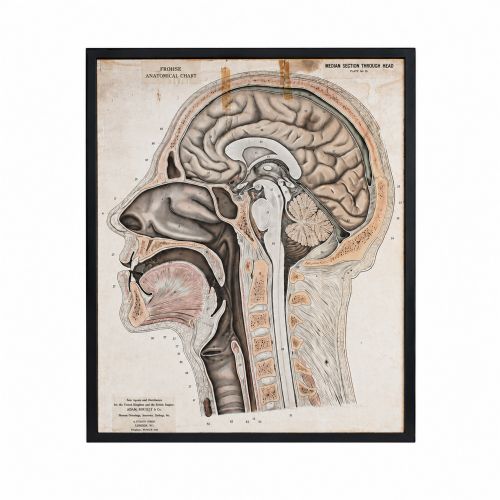
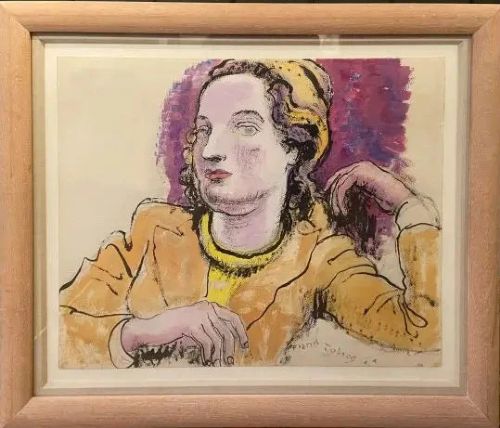
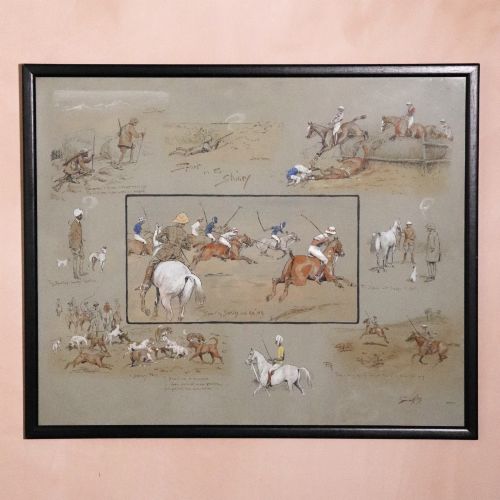
Twentieth century illustration spans decades from the Edwardian era through the mid-century modern period, capturing both published works and preparatory studies. Buyers looking for twentieth century illustration often encounter framed drawings, original paintings, and prints produced across various decades of the 1900s.
The works appearing here range from traditional British landscapes and portraits to whimsical character sketches and early twentieth century illustration pieces. Originating from distinct periods such as the 1910s, 1920s, 1930s, 1940s, 1950s, and 1960s, these creations reflect the changing visual culture of the past century.
What separates the finest examples
Quality in twentieth century illustration rests on the sureness of the hand, the preservation of the medium, and the direct connection to the artist's hand. Original drawings and watercolours display a distinct vitality that distinguishes them from later mechanical reproduction prints.
The clarity of the ink lines, the vibrancy of the watercolour pigments, and the overall condition of the paper or mount board dictate the visual strength of each piece.
Twentieth Century Illustration Retail Price Guide 2026
Typical asking prices for twentieth century illustration among the pieces listed under this phrase on Sellingantiques today, from the lower quarter to the upper quarter. They describe what is for sale here now, not the wider market.
Listings feature works created using paper, ink, watercolour, gouache, and wash across multiple decades from the 1910s to the 1960s.
Bruce Bairnsfather·Frank Dobson·Warwick Goble·Septimus Scott·Frank Wood·Dame Laura Knight·Fred Lawson·Paul-Louis Barruel·M.K Rhodes·Donald Watson
The Twentieth Century Illustration Glossary
- Gouache
- An opaque watercolour paint that produces a heavier, more solid layer of colour than traditional transparent watercolour. It was frequently used by illustrators to create flat areas of bright tone.
- Wash
- A technique where diluted ink or watercolour is brushed thinly across paper to create smooth background tones or shadows. It provides subtle depth in monochrome drawings.
- Mount board
- A stiff cardboard material used to frame and support works on paper. It protects the edges of fragile drawings and watercolours.
- Modern British
- An artistic designation covering British art movements active during the twentieth century. It encompasses varied styles from traditional landscape painting to early modernist abstraction.
Twentieth Century Illustration: Frequently Asked Questions
What is twentieth century illustration?
Twentieth century illustration encompasses original artwork, watercolours, ink drawings, and prints created throughout the 1900s. These pieces include everything from book illustrations to independent portraits and landscapes.
They reflect the diverse aesthetic movements that emerged across the decades, ranging from Edwardian sensibilities to mid-century modern art.
How should I display works on paper?
Works executed on paper, such as ink drawings and watercolours, require protection from direct sunlight to prevent fading. Framing them behind conservation-grade glass preserves the delicate pigments.
Keeping them away from high humidity ensures the paper and mount board remain stable over time.
How do I identify the period of a drawing?
Dating twentieth century illustration involves examining the paper type, framing materials, stylistic cues, and any artist signatures or dates recorded on the work. Comparison with documented pieces from specific decades provides a reliable guide.
Artists often updated their techniques in line with prevailing artistic movements of their active years.
Are these pieces original works?
The selection includes both unique original drawings in ink or watercolour and first edition prints published during the period. Each listing specifies the exact medium used by the artist.
Original drawings represent direct creations from the artist's hand, whereas prints are mechanical reproductions of published illustrations.