

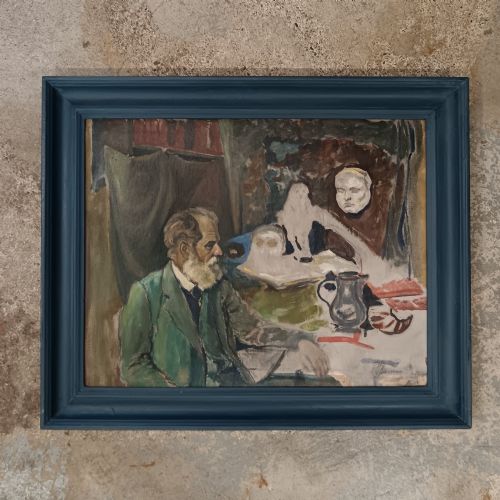
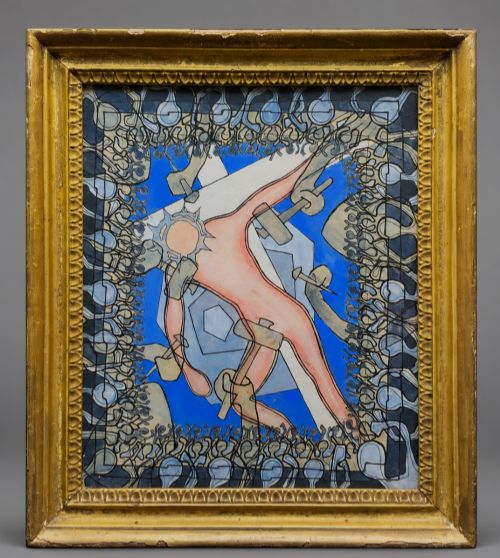
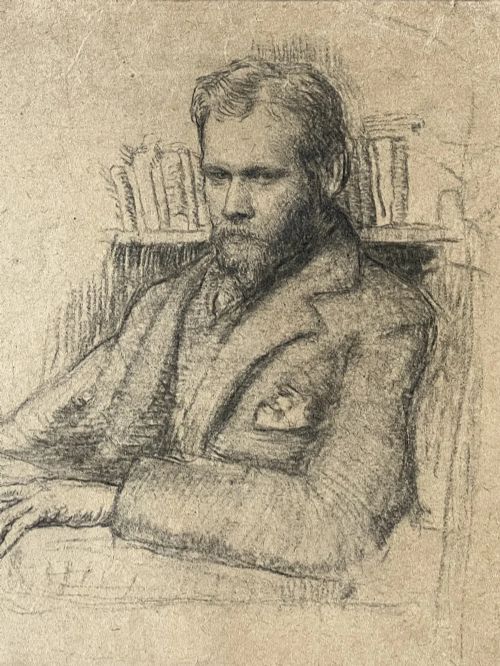
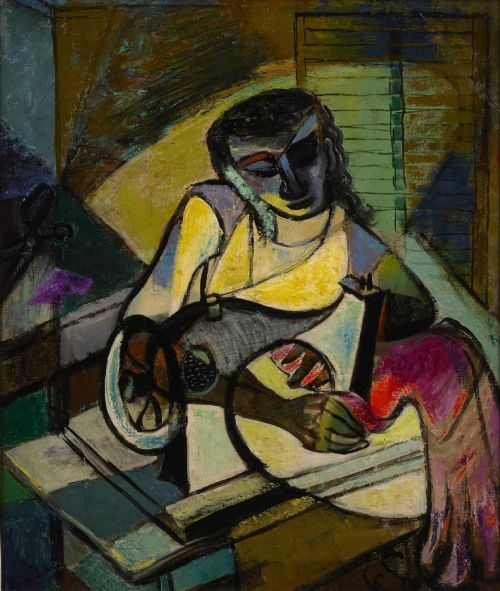


Framed Modernist Artwork
Framed modernist artwork captures the bold experimental spirit of twentieth-century visual culture through paintings, prints, and drawings.
Framed Modernist Artwork
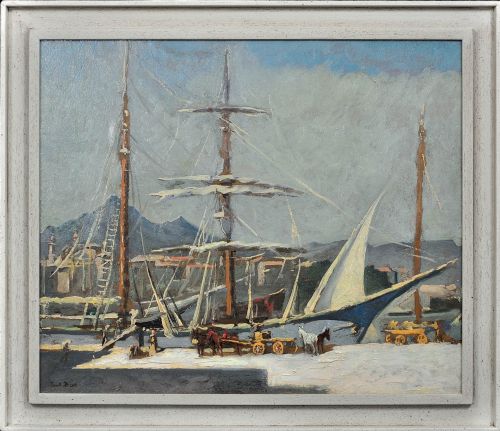
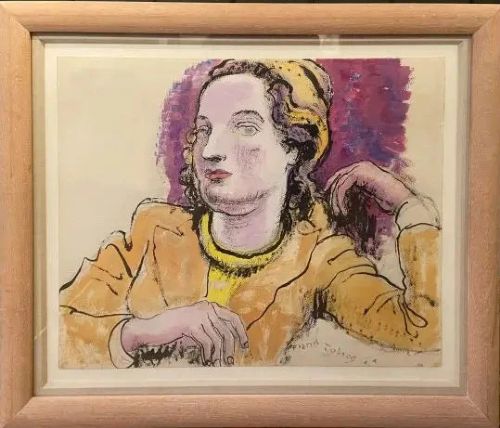
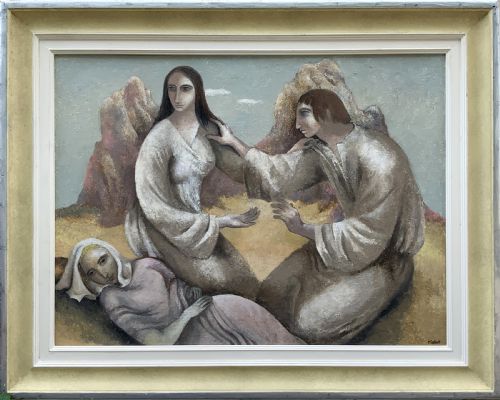
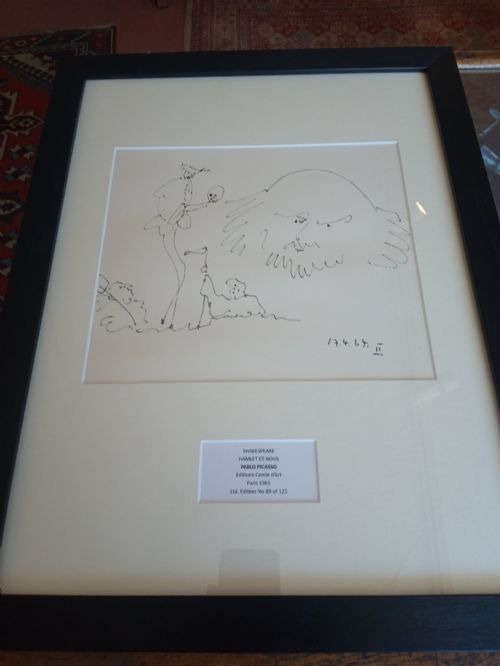
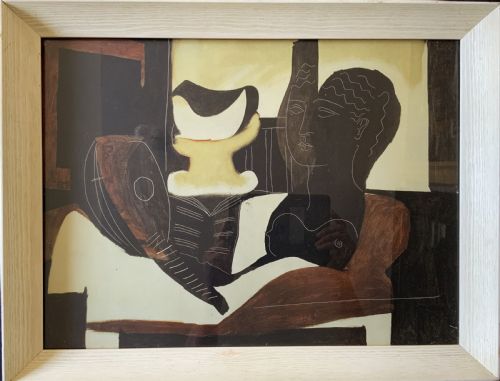
When you search for framed modernist artwork, you encounter a diverse array of paintings, drawings, and prints created during the twentieth century. These pieces encompass distinct styles such as Cubism, Art Deco, and Mid-Century Modernism, reflecting radical shifts in artistic expression. The selections on this page bridge early avant-garde experiments and post-war abstraction.
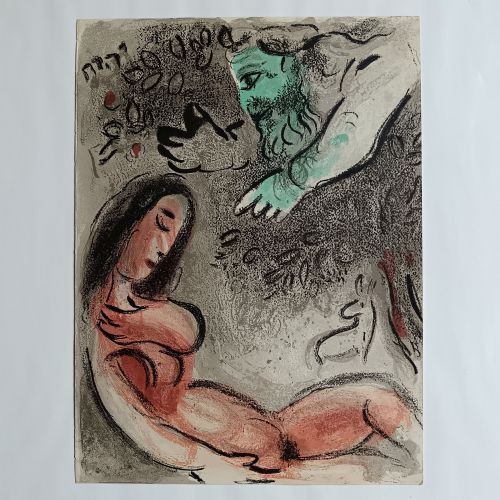
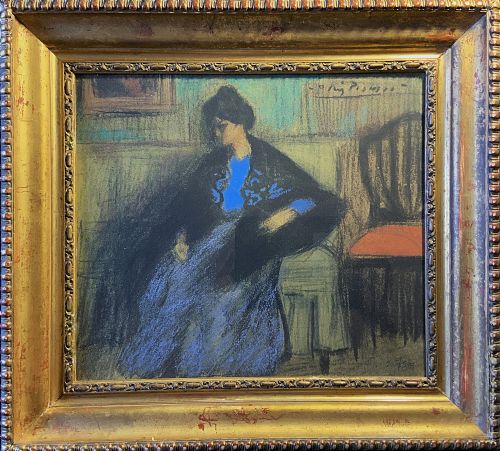
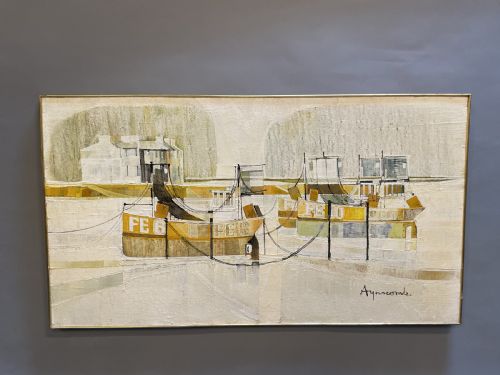
The most common pieces you will meet span from the 1920s through the 1960s, featuring oil paintings, watercolours, gouache, and lithographs. Subjects range from abstract landscapes and still lifes to intimate portraits and figure studies. Each work is presented in a frame that suits its period aesthetic.
Materials and construction methods
Artists utilise traditional supports such as canvas, wood boards, heavy paper, and card for their compositions. Oil paint, impasto, gouache, and pencil provide the primary mediums for applying pigment and creating texture. Works on paper often incorporate lithography or printmaking techniques alongside direct drawing.
The structural framing protects delicate paper works behind glass while securing canvas and board paintings within wooden moulding. Many items retain their original period framing, which complements the geometric or abstract qualities of the imagery.
Framed Modernist Artwork Retail Price Guide 2026
Typical asking prices for framed modernist artwork among the pieces listed under this phrase on Sellingantiques today, from the lower quarter to the upper quarter. They describe what is for sale here now, not the wider market.
Listings feature works spanning from the Edwardian era through the 1960s, executed in oil, watercolor, gouache, and lithography.
Distinctions in quality and execution
The strength of composition and surety of line separate exceptional modernist works from ordinary examples. Strong pieces demonstrate a confident handling of colour, form, and spatial geometry, whether in a strict cubist arrangement or a fluid abstract landscape.
Provenance and documentation also influence the standing of a piece. Works associated with known exhibitions, named makers, or specific artistic circles carry deeper historical weight than anonymous student exercises.
Augustus John·Marc Chagall·Paul Bret·Frank Dobson·Lena Gurr·Christine Nesbit·Pablo Picasso·Raymond Moritz·Elisabeth Frink·Denis Mitchell·Lucien Gibert·Anne Goldthwaite·Gabriel Dauchot·Demetrios Galanis·Edward Carter Preston·Derek Latimer Sayer·William McCance·Adrian Heath·Pinchus Krémègne·Antonio Ferri·Yetta Kane
The Framed Modernist Artwork Glossary
- Cubism
- An early twentieth-century avant-garde art movement that revolutionised European painting and sculpture by breaking subjects down into multifaceted geometric shapes. This approach rejected traditional single-point perspective.
- Gouache
- An opaque water-based paint that dries to a matte finish, frequently utilised on paper for modernist sketches and finished works. It allows for vibrant, flat areas of colour.
- Impasto
- A technique where paint is laid on an area of canvas in very thick layers, usually thick enough that the brush or painting-knife strokes are visible. This adds tangible physical texture to the surface.
- Lithography
- A planographic printing process based on the chemical repulsion of oil and water, commonly used to produce limited edition prints and illustrated books by modernist artists.
- Provenance
- The chronological history of the ownership of a work of art, establishing its authenticity and tracing its journey from the artist's studio to the current display.
Framed Modernist Artwork: Frequently Asked Questions
How do I care for framed modernist paintings?
Keep works out of direct sunlight to prevent fading on canvas and paper surfaces. Maintain stable room temperatures to avoid moisture damage to wood and paint.
Dust wooden frames gently with a dry cloth and avoid harsh chemical cleaners near the artwork or glass.
Are these works all original pieces?
The selection includes unique hand-painted oils, gouaches, and watercolours alongside limited edition prints and lithographs. Each listing specifies whether the item is a unique painting or a numbered print.
Original drawings and paintings bear the direct hand of the artist, while prints are produced in controlled editions.
How can I tell a 1920s piece from a 1960s piece?
Pieces from the 1920s often lean toward early avant-garde experiments, Art Deco sensibilities, and strict cubist geometry. Materials and colour palettes from this decade tend to reflect interwar aesthetic movements.
Works from the 1960s frequently embrace looser abstract expressionism, bolder colour fields, and mid-century modern graphic qualities.
How should I hang abstract wall art?
Hang paintings at eye level, ensuring the centre of the artwork sits roughly at standard standing height. Consider surrounding room colours and lighting to complement the palette of the painting.
Pair frames securely using appropriate wall fixings designed to support the weight of wood and glass combinations.