

Framed Military Portrait Art
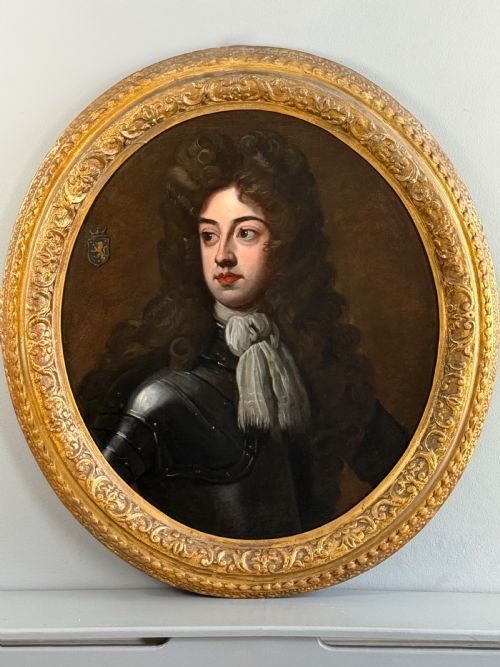
When seeking framed military portrait art, you encounter historical depictions of officers, soldiers, and naval figures rendered across several centuries.
Framed Military Portrait Art
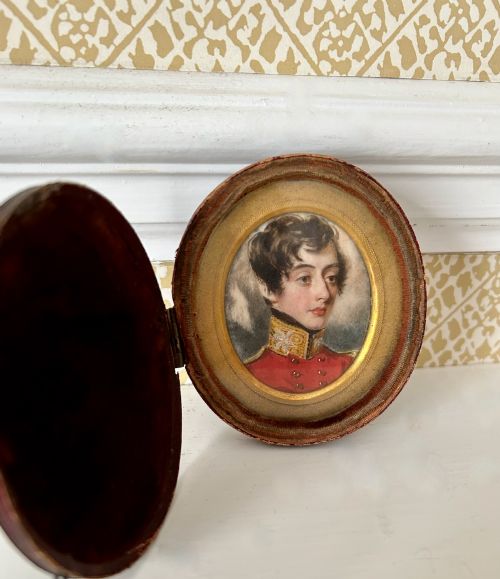
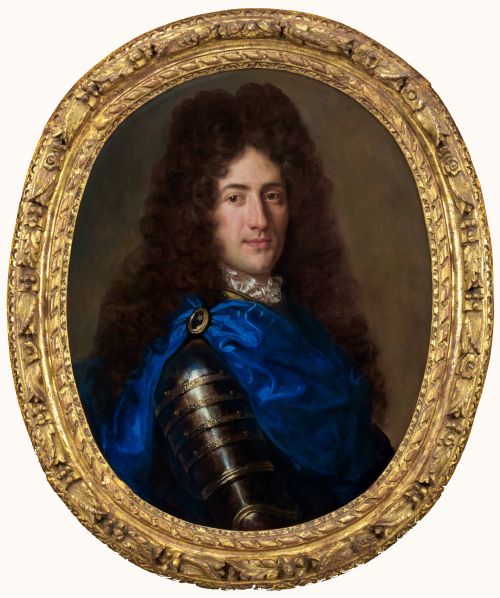
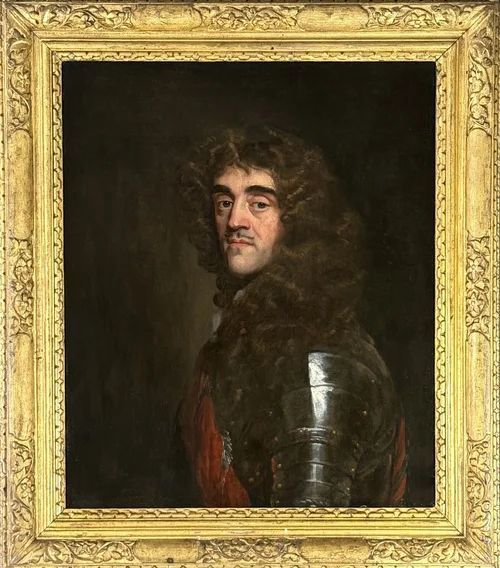
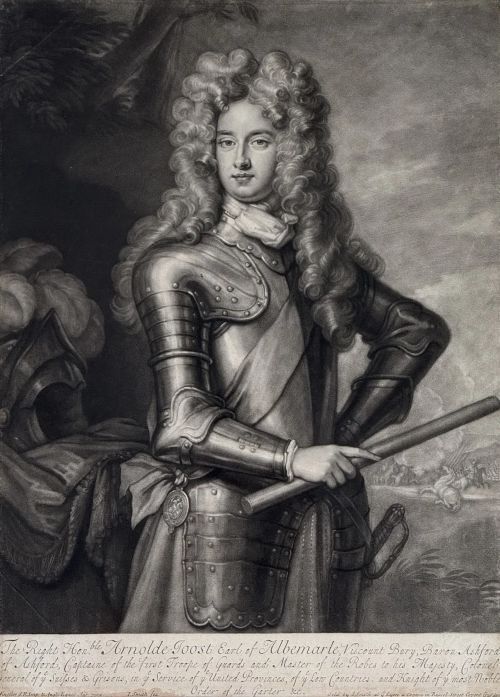
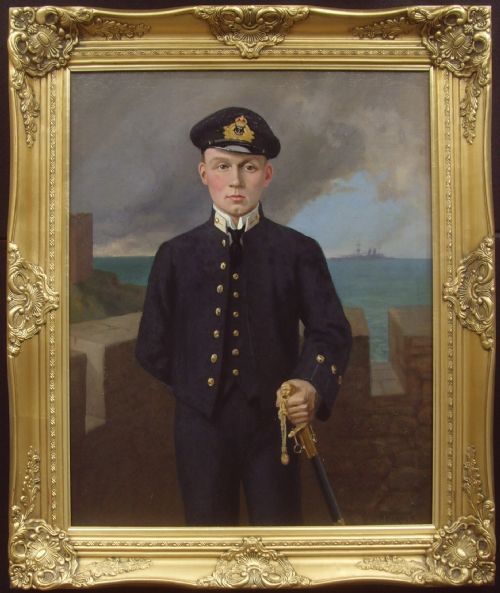
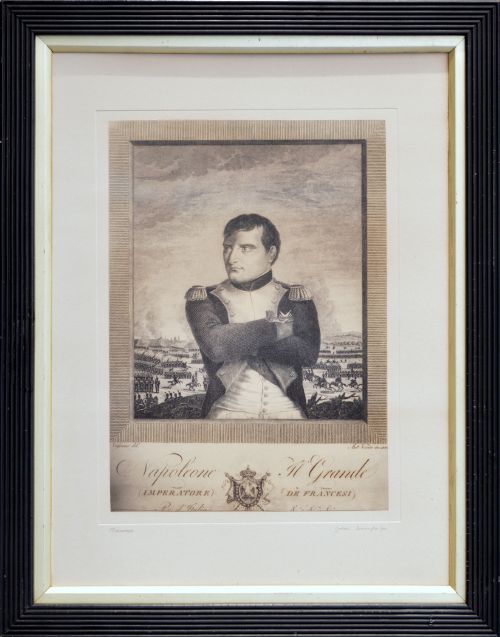
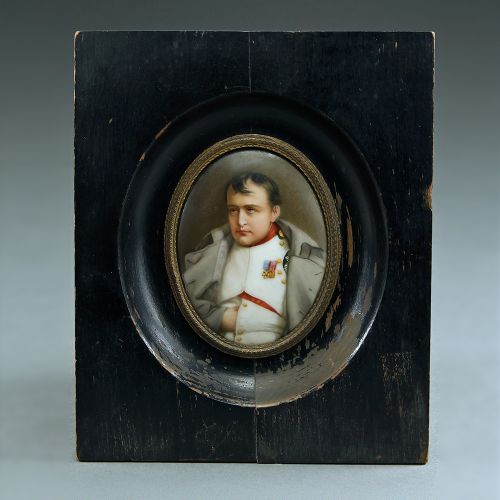
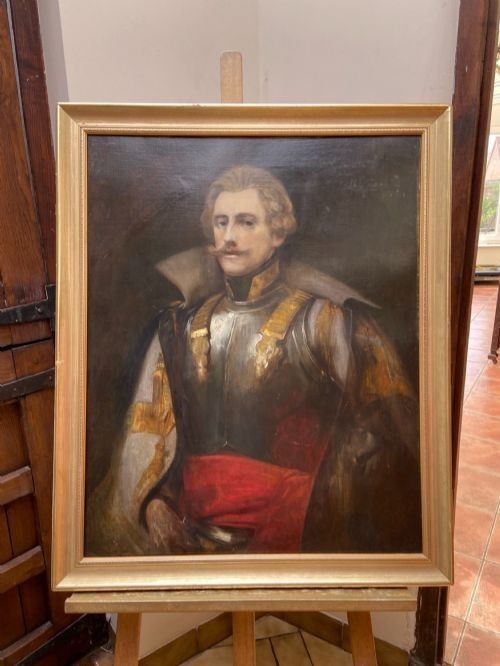
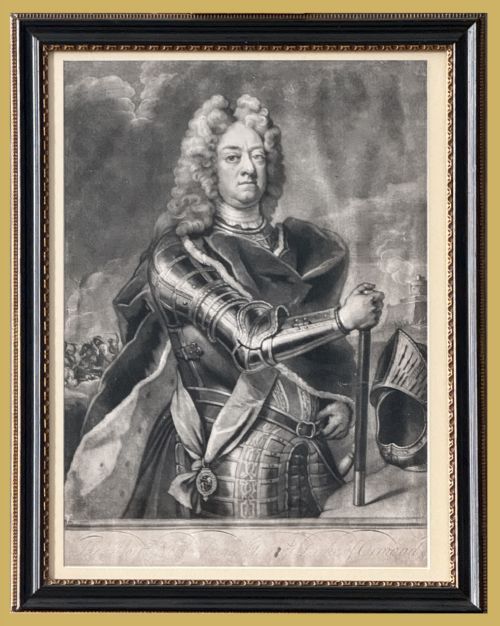
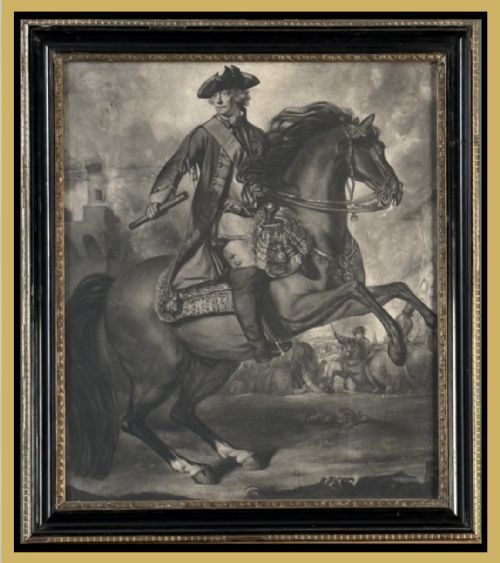
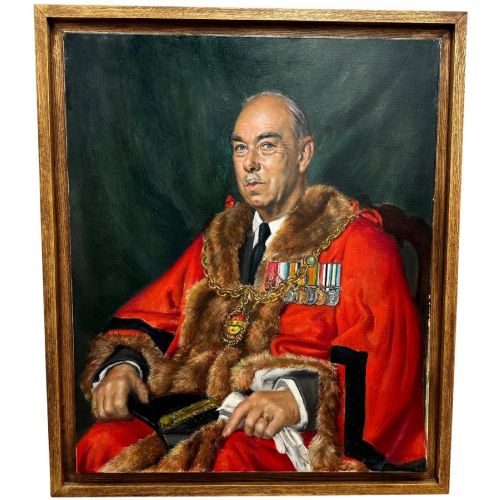
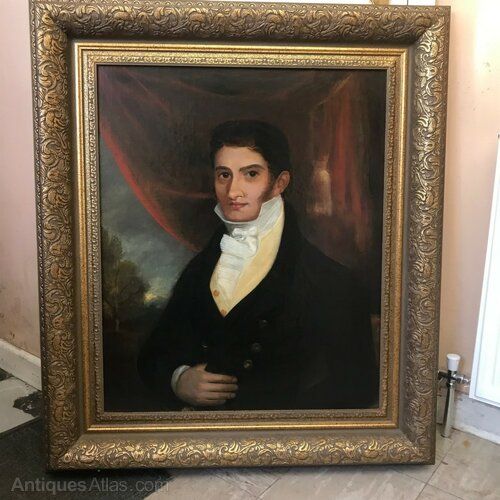
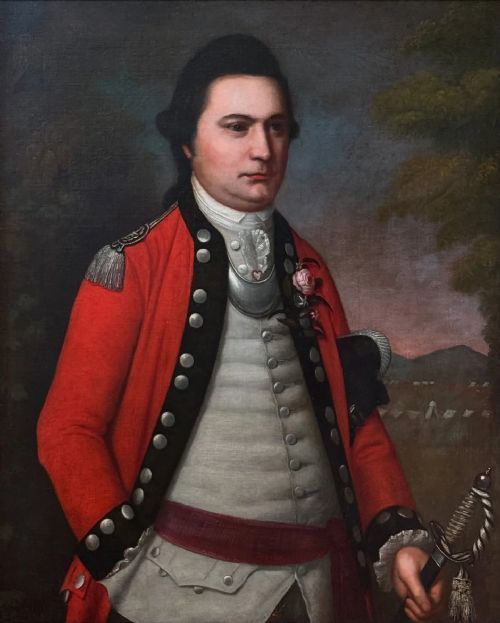
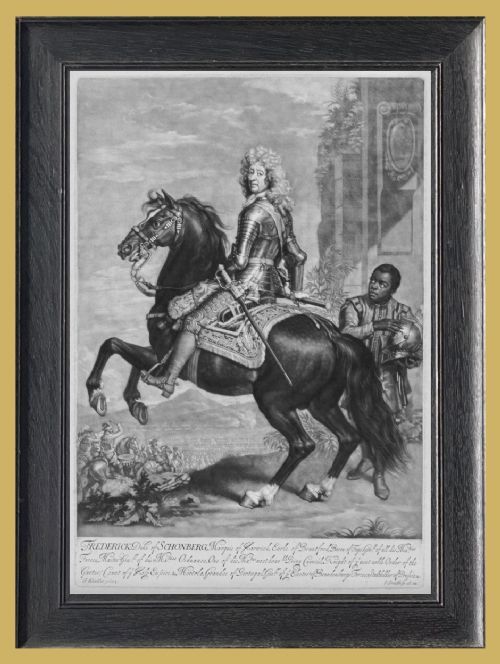
Framed military portrait art encompasses historical oil paintings, watercolours, mezzotints, and pastels depicting officers and regiments from the 17th century through to the mid-20th century.
The most common pieces on this page are 18th-century and 19th-century oil paintings on canvas, alongside printed mezzotints and later wartime pastel sketches.
Subjects range from high-ranking commanders in ceremonial uniform and armour to regimental officers and naval personnel, often preserved in period wood and giltwood frames.
Materials and Techniques
Traditional works utilise oil paint applied to stretched canvas or wooden panels, frequently complemented by heavy timber frames, sometimes with giltwood finishes.
Works on paper employ media such as watercolour, wash, gouache, and pastel, alongside printed techniques like mezzotint engraving on paper.
Specialised pieces include reverse glass paintings, where the image is painted directly onto the reverse side of the glass panel for display.
A sailor once drew an ironclad battleship in coloured chalks as a heartfelt tribute to his shipmates.
Evaluating the Pieces
Quality rests upon the skill of the draughtsmanship and the fidelity of the uniform details, distinguishing skilled academic portraiture from provincial or studio output.
The preservation of the original surface, whether canvas, paper, or glass, alongside the integrity and period suitability of the surrounding frame, dictates the standing of an individual work.
The Framed Military Portrait Art Glossary
- Mezzotint
- A printmaking process of the intaglio family where the plate is roughened to achieve deep tones and subtle gradations. This technique was frequently utilised for reproducing oil paintings of military commanders.
- Giltwood
- Timber that has been coated with a thin layer of gold leaf or gesso powder. It is commonly found on the ornate frames housing formal portraits.
- Reverse glass painting
- An artistic technique where the image is applied directly to the back of a glass sheet and viewed from the front. These require careful handling to prevent flaking of the pigments.
- Mei-tzu
- Not applicable here as the focus remains strictly on European military works.
- Armour
- Protective steel plates worn by officers in earlier centuries. Its depiction often indicates a 17th-century or early 18th-century commission.
Framed Military Portrait Art: Frequently Asked Questions
How do I identify the military rank?
Rank is typically discerned through uniform details such as lace, gorgets, epaulettes, and specific regimental colours or facings displayed by the sitter.
Contemporaneous inscriptions on the canvas, stretcher, or frame backing frequently record the name and title of the officer depicted.
Are these portraits original period works?
The selection includes original hand-painted oils, watercolours, and pastels executed by contemporary artists, alongside period-published mezzotint engravings.
Each listing specifies the primary medium and the historical period associated with the creation of the piece.
What framing is typically included?
Many pieces retain their period frames, which can range from simple moulded wood to elaborate giltwood designs appropriate to the era of the portrait.
Frame materials are documented in the descriptions to help buyers assess the overall presentation.
How should I care for a framed oil painting?
Oil paintings on canvas require stable environmental conditions away from direct sunlight and extreme humidity fluctuations to prevent cracking.
Dusting should be performed gently with a soft, dry brush, avoiding liquid cleaners on both the canvas and the historic frame.