

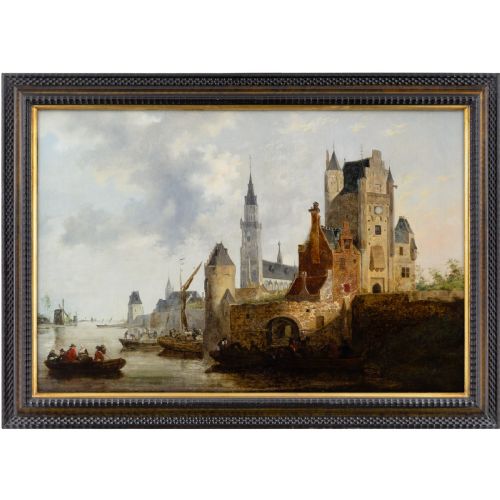
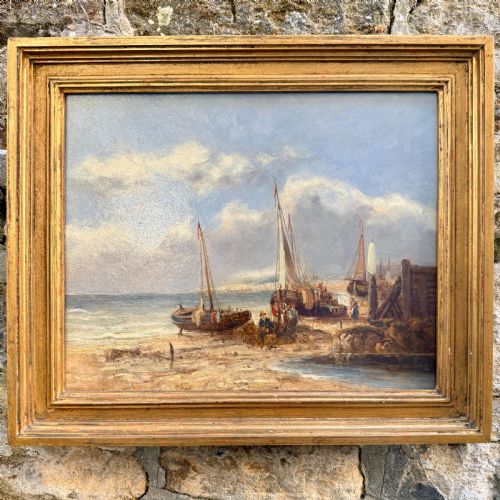
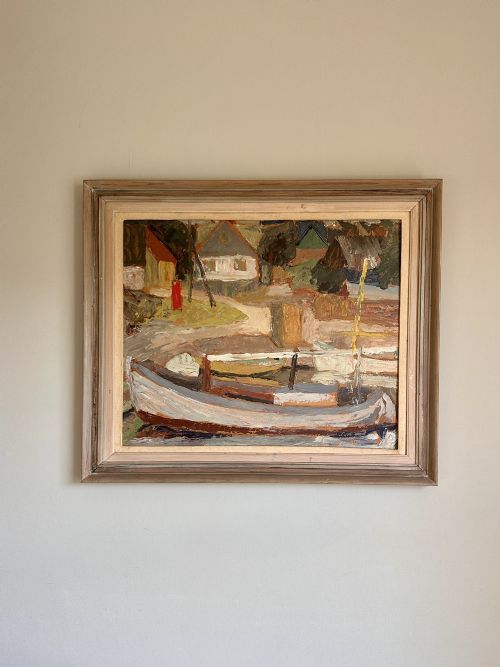
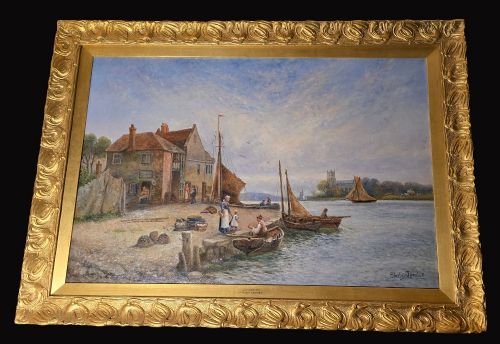
Framed Maritime Oil
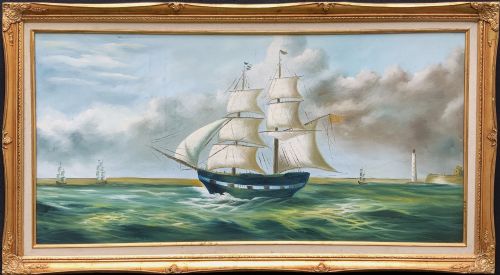
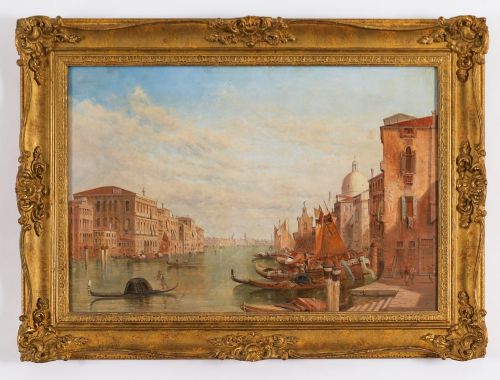
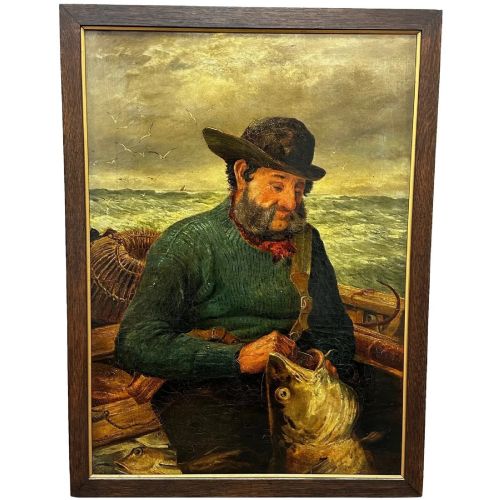
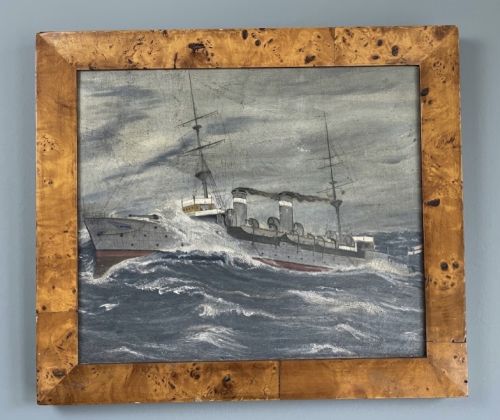
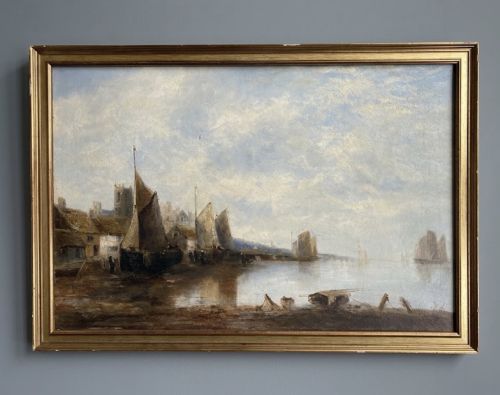
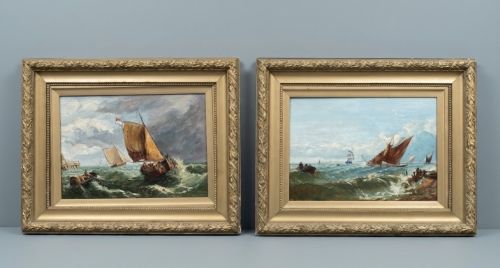
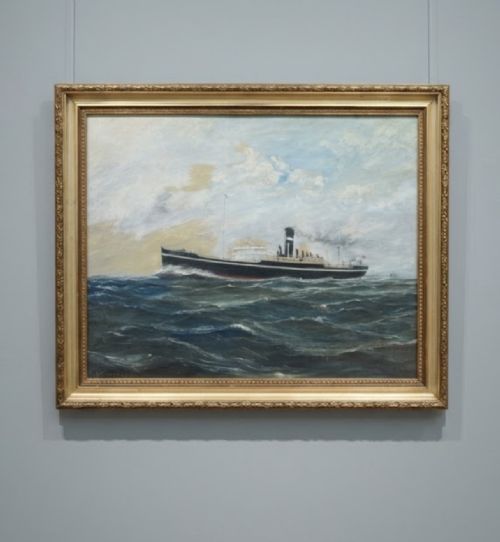
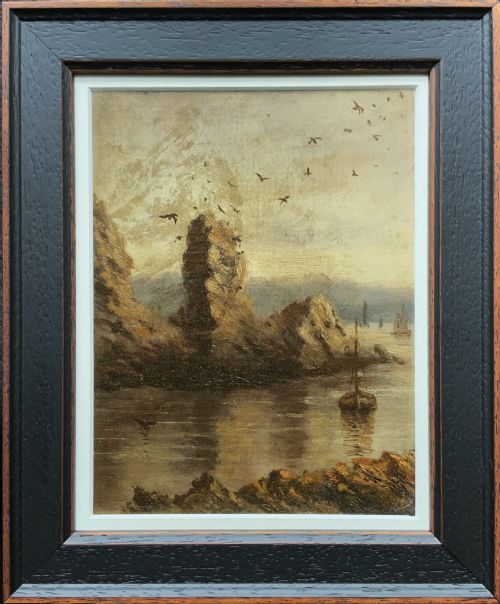
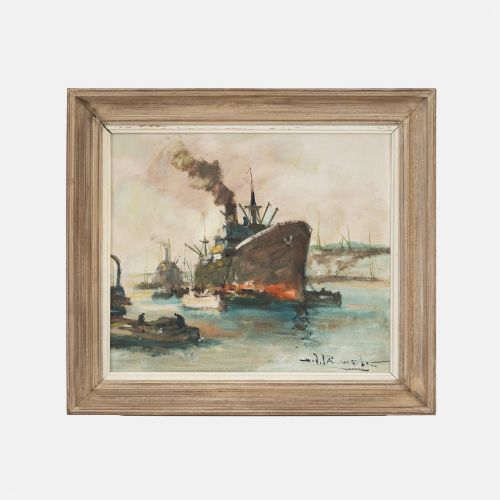
Framed maritime oil works capture vessels, harbours and open water on canvas or board, bringing historical shipping scenes and coastal views into a room.
Framed Maritime Oil
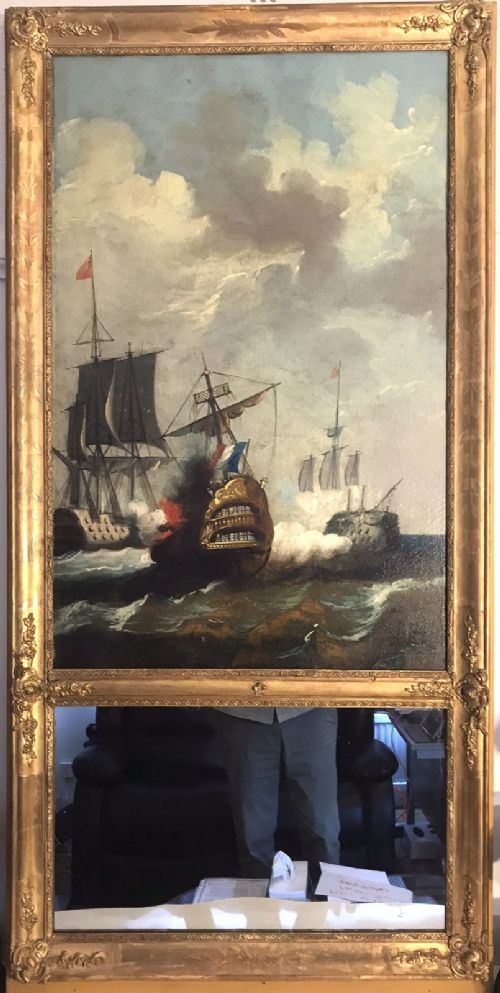
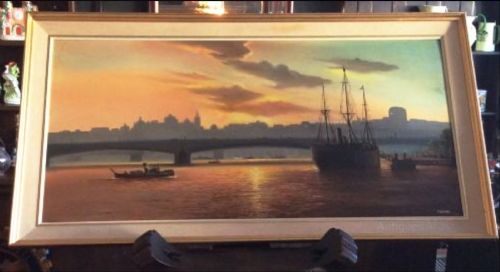
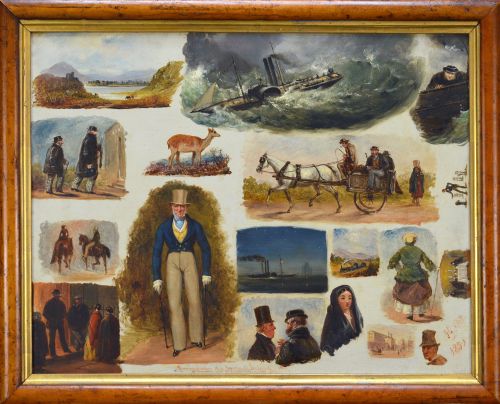
When you search for framed maritime oil, you encounter works depicting seascapes, coastal landscapes and shipping scenes from the eighteenth century through to the mid-twentieth century. The selection ranges from miniature compositions on panel to large canvases showing sailing vessels in rolling seas or calm harbour views.
Most examples you meet on this page date from the nineteenth century and the Edwardian era, alongside mid-century interpretations. These works capture naval history, commercial shipping and everyday maritime life through distinct regional schools and individual artistic visions.
How they were made
Artists painted primarily with oil paint on stretched canvas or wooden boards, building up layers to create texture and depth in sky and water. Canvases received grounds before application, allowing the medium to retain luminosity over decades.
The framing typically involves wood enhanced with gesso and gold leaf or gilt finishes, often complementing the period of the painting. Many frames retain their original gilding, showing the wear and tear appropriate to their age.
Framed Maritime Oil Retail Price Guide 2026
Typical asking prices for framed maritime oil among the pieces listed under this phrase on Sellingantiques today, from the lower quarter to the upper quarter. They describe what is for sale here now, not the wider market.
Listings feature works in oil on canvas, oil on board and panel, housed in original gilt wood and gesso frames from the eighteenth to twentieth centuries.
What varies in quality
Quality rests on the handling of light and atmosphere, particularly how the artist renders water, sky and the rigging of vessels. Finer works display confident brushwork and accurate perspective, whereas lesser pieces can feel stiff or overly formulaic in their composition.
The preservation of the paint layer and the integrity of the original support dictate the standing of a piece. Works with minimal restoration and stable canvas tension command greater attention from collectors.
Henri Joseph Pauwels·Charles Eschard·André Minaux·Achille Bron·William Calcott Knell·Stanley Leader·Peggy de Brett·William Ayerst Ingram·Sir David Murray·Samuel Harry Hancock·Nicolaas Martinus Wijdoogen·Johann Moritz Rugendas·James Hardy·Hans Harlander·Eugène-Louis Gillot·William McAlpine·Reginald Arthur Borstel·Lemuel Francis Abbott·B. Nash·Edward Mills·James Kay·Bernard Gribble·Peter Brannan·Francis Moltino·Paul Bret
The Framed Maritime Oil Glossary
- Oil on canvas
- A painting technique where oil-based pigments are applied to a woven fabric support stretched over a wooden frame. This combination allows for rich blending of marine hues.
- Gilt wood
- Timber treated with a thin layer of gold leaf or metallic powder, frequently used for traditional picture frames. It adds a reflective border that frames the maritime scene.
- Gesso
- A plaster-like mixture applied to wood or canvas as a base for painting or gilding. It provides a smooth surface for decorative mouldings on antique frames.
- Seascape
- A work of art depicting the sea, coastlines and marine vessels. These subjects form the core of maritime painting traditions.
Framed Maritime Oil: Frequently Asked Questions
What periods do these paintings cover?
The works span from the eighteenth century through the Victorian and Edwardian periods up to the mid-twentieth century. Each era brings distinct stylistic approaches to depicting ships and coastal environments.
Earlier pieces often focus on historical naval engagements and traditional sailing vessels, while later twentieth-century examples lean towards post-impressionist or modernist interpretations of harbours.
How should I hang a framed oil?
Mount these pieces on interior walls away from direct sunlight and fluctuating heat sources to protect the canvas and gilt frame. Ensure the wall fixings match the weight of the timber and gesso construction.
Display them at eye level in rooms with stable humidity to prevent cracking in the paint layers and warping in the wooden supports.
Are all these pieces British?
The selection includes works by British artists alongside continental European painters from Dutch, French, Belgian and Italian schools. Maritime trade and coastal views attracted artists across borders.
Signatures, framing styles and subject matter often point to the specific geographic origin and maritime tradition behind each composition.
What subjects appear most frequently?
Common subjects include sailing ships in stormy seas, merchant vessels in harbour, naval engagements and quiet coastal landscapes. Scenes often feature specific locations such as the Thames, Venice or Maltese ports.
Artists also recorded historical events like shipboard fires and rescue operations alongside everyday fishing boats returning to village quays.