




Framed Maritime Landscape
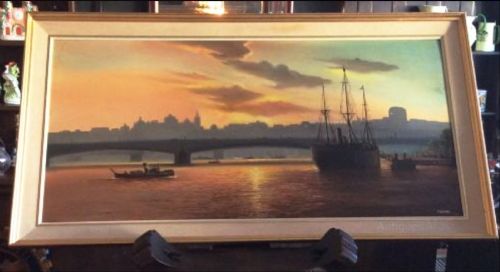
A framed maritime landscape brings the movement of coastal tides, working fishing boats and open water directly onto an interior wall.
Framed Maritime Landscape
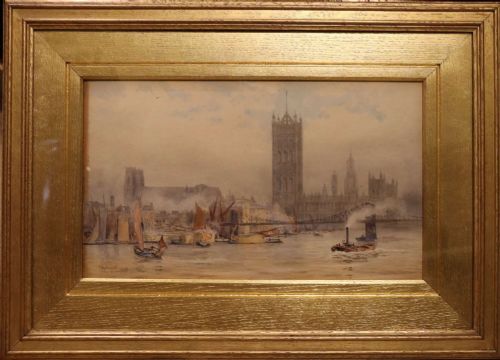
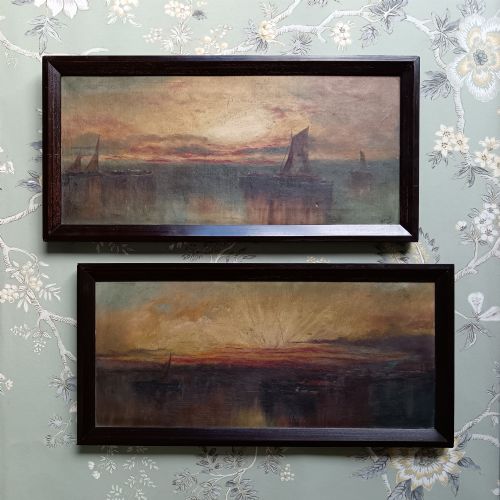
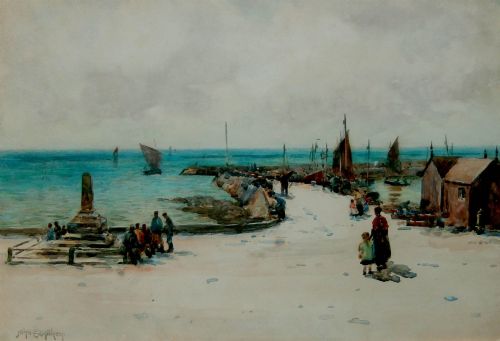
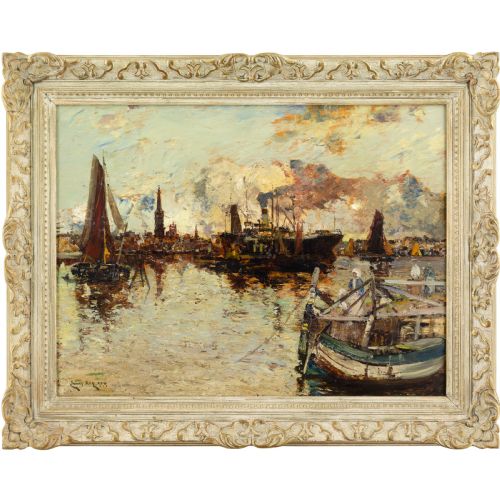
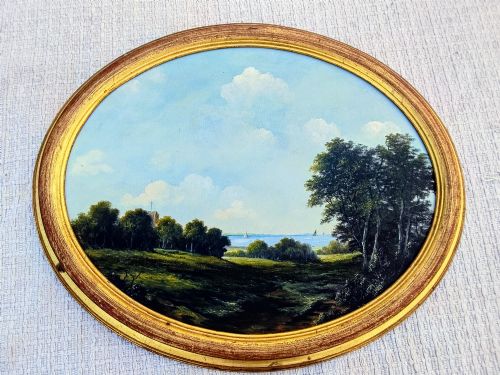
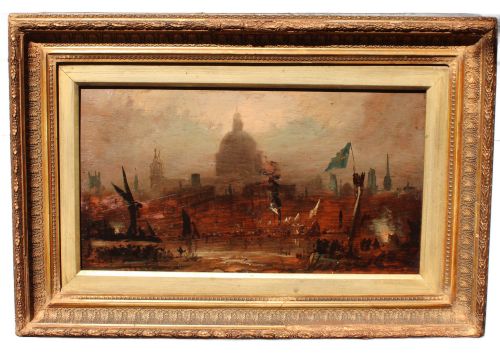
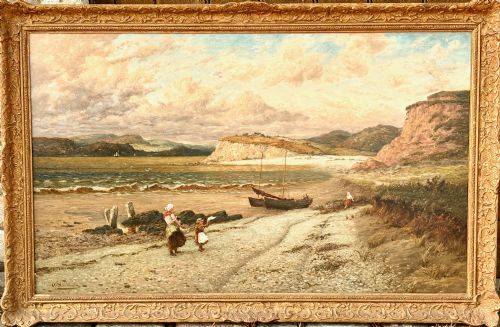
A framed maritime landscape captures coastal waters, bustling harbours, and open sea views through historic paintings created across the nineteenth and twentieth centuries. These works range from intimate watercolour sketches of seaside towns to large panoramic oil paintings depicting rivers, estuaries, and stormy seas.
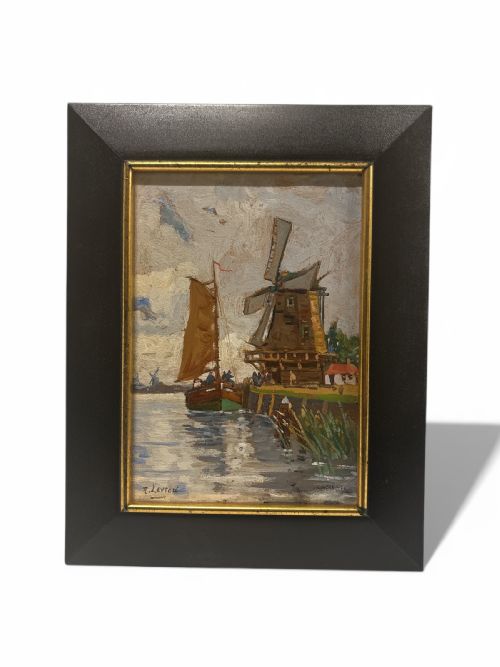
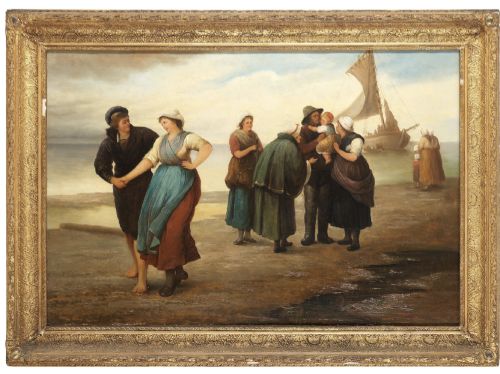
Buyers encounter subjects spanning British fishing ports, Venetian lagoons, Dutch canals, and dramatic coastal cliffs executed in styles from Victorian realism to British Impressionism and Post-Impressionism. The selection frequently includes framed oils on canvas, oils on board, and watercolours preserved within period wooden and gilt surrounds.
Materials and construction
Artists painted these coastal scenes using oil paint or watercolour applied to stretched canvas, wooden panels, or heavy paper. Oil pigments provided rich depth for turbulent water and heavy skies, while watercolours offered light translucency for coastal air and calm harbours.
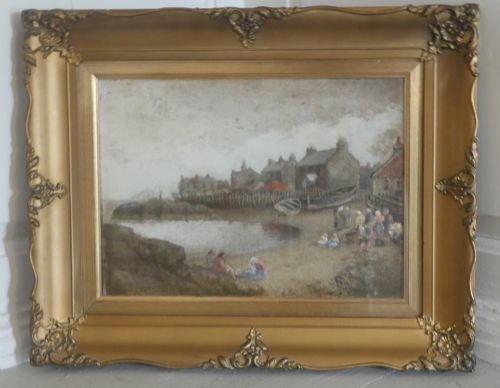
The finished paintings found their homes inside protective enclosures constructed from wood and gilt wood moulding. These frames varied from ornate Victorian plaster-gilded surrounds to simpler wooden borders characteristic of later twentieth-century works.
Several canvases capture artists squinting at Dutch gales, Venetian lagoons, and smugglers navigating muddy coastal paths.
Defining qualities
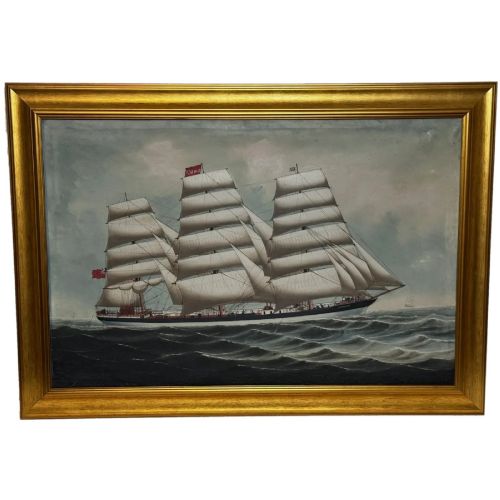
Quality rests upon the artist's ability to render light, water movement, and atmospheric conditions with conviction. Stronger pieces demonstrate confident brushwork and precise tonal control in the depiction of shifting clouds, reflections on the water, and the structural rigging of vessels.
The integrity of the physical components also distinguishes the work. Original frames matching the period of the painting, well-preserved canvas surfaces free from excessive restoration, and clear signatures or documented attributions elevate the standing of a piece.
James Orrock·Reginald Arthur Borstel·Francis Moltino·John Wilson Carmichael·Joseph Farquharson
The Framed Maritime Landscape Glossary
- Watercolour
- A painting method where fine pigment is suspended in a water-based, translucent solution applied to paper.
- Gilt wood
- Timber treated with a thin layer of gold leaf or metallic gilding, commonly utilised for decorative picture frames.
- Impressionism
- An art style focused on accurate depiction of light in its changing qualities, often displaying visible brush strokes.
- Estuary
- The tidal mouth of a large river, where the tide meets the stream, frequently serving as the subject for marine artists.
- Provenance
- The chronological history of the ownership of a work of art, establishing its authenticity and origin.
Framed Maritime Landscape: Frequently Asked Questions
What periods do these paintings cover?
The available works span from the early nineteenth century through the Edwardian era and into the mid-twentieth century. This timeline captures significant shifts in painting styles, from traditional Victorian marine art to modern British interpretations.
Collectors can trace how artistic approaches to coastal subjects evolved over two centuries of British and European painting.
How should I hang a framed maritime landscape?
These pieces require wall space with stable humidity away from direct sunlight to protect canvas and watercolour pigments. Choosing a room with balanced lighting allows the details of the water and sky to emerge clearly.
Ensure the wall fixings match the weight of the heavier wooden and gilt frames common to nineteenth-century art.
Are watercolours as durable as oils?
Watercolour paintings use paper supports and water-soluble pigments that respond sensitively to moisture and direct light. They require protective glass glazing and professional framing to maintain their condition over decades.
Oil paintings on canvas or board offer a more robust surface, though they still benefit from stable indoor environments.
How do I identify a Victorian marine painting?
Victorian maritime works often feature detailed rigging on sailing vessels, dramatic coastal weather, and traditional fishing boats at work. The framing typically consists of heavy moulded gilt wood reflecting nineteenth-century decorative preferences.
Signatures, artist records, and subject matter relating to British and European ports help confirm the era.