
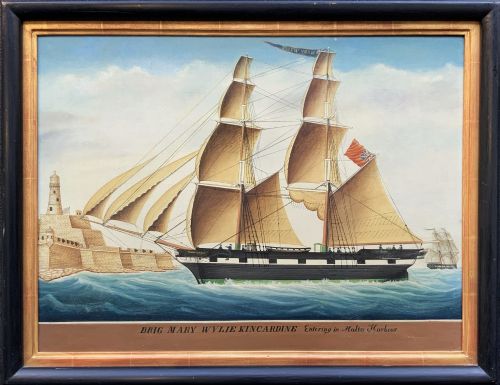
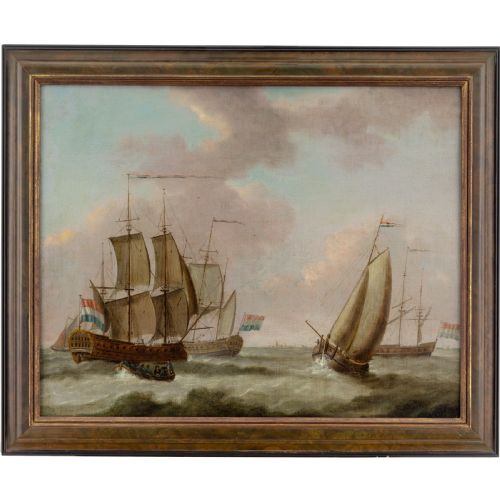
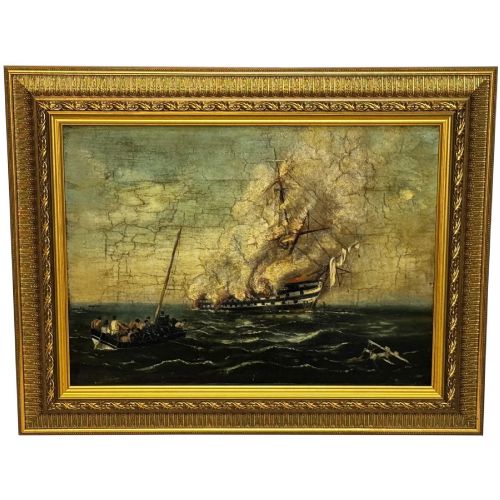
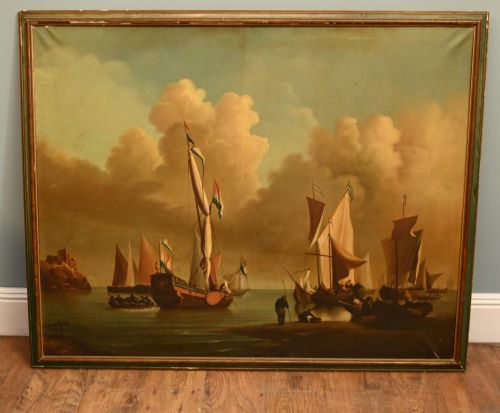


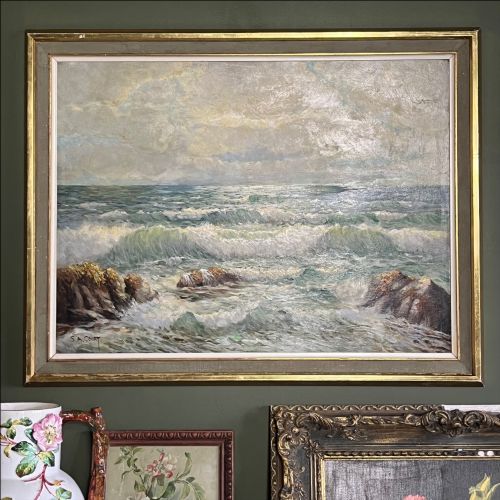
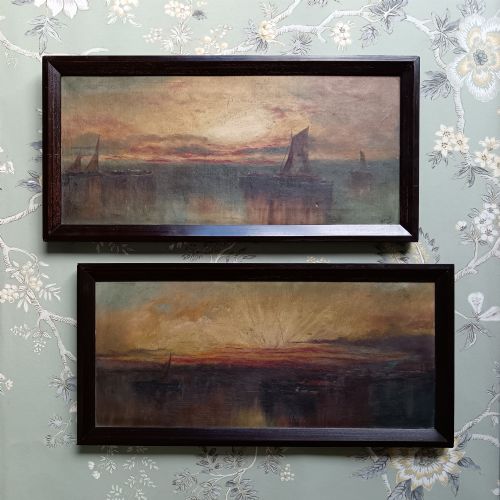
Framed Marine Oil Artwork
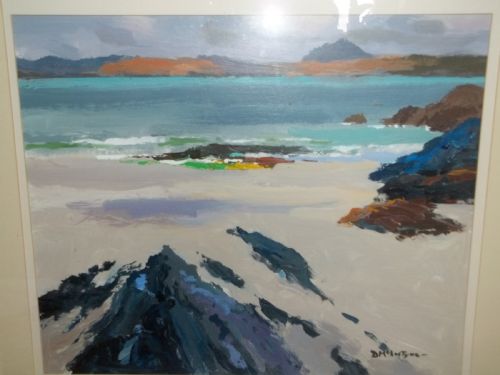
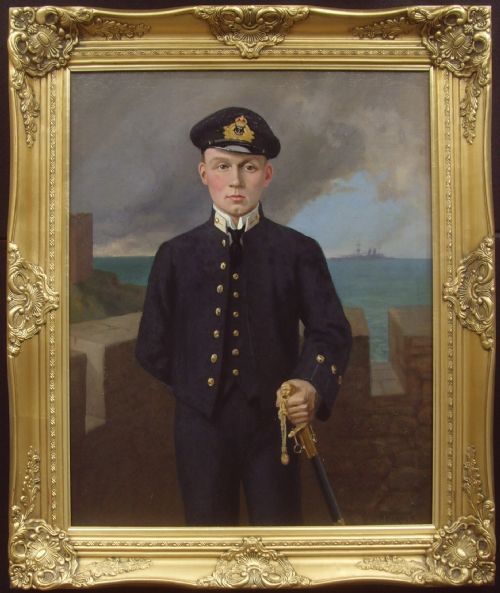
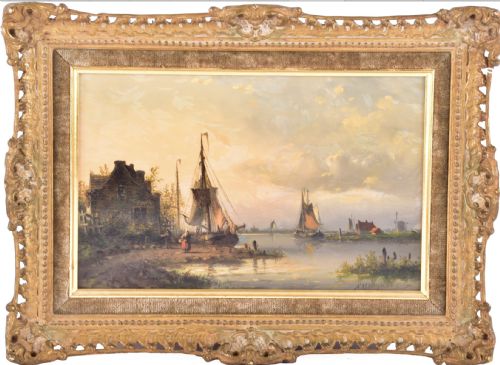
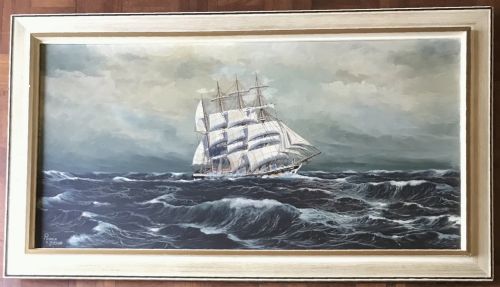
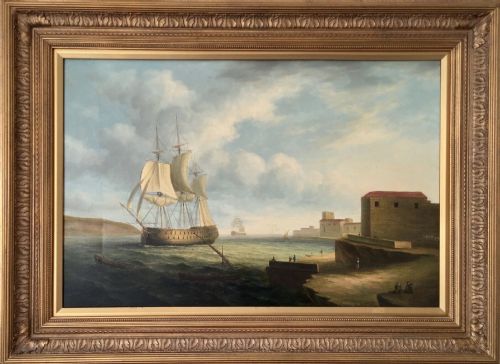
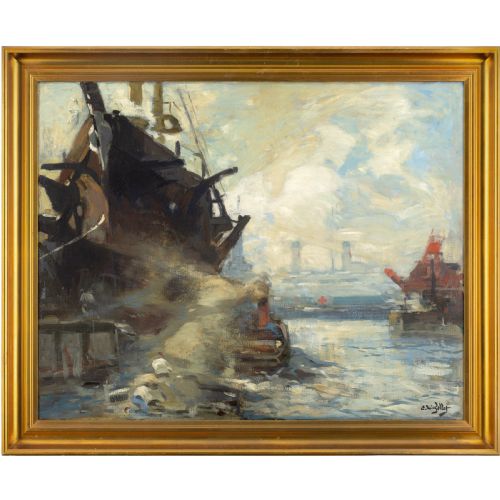
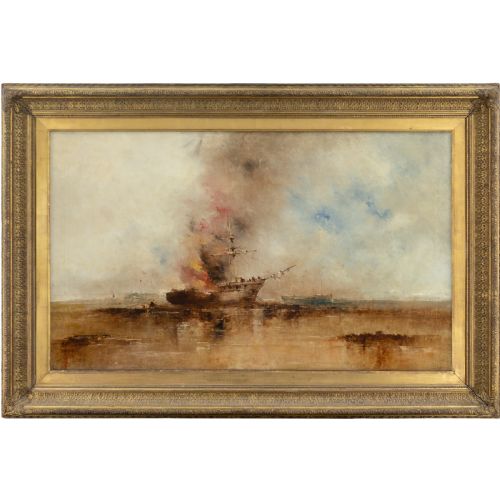
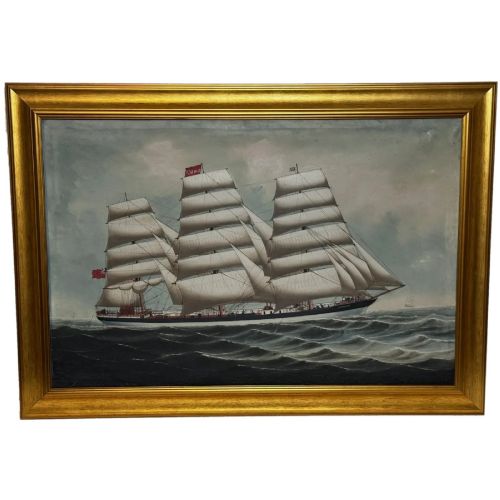
Framed marine oil artwork captures the movement of water, coastal light and historic shipping across canvas and panel.
Framed Marine Oil Artwork
Framed marine oil artwork encompasses painted depictions of seascapes, harbour scenes, naval vessels and coastal landscapes created in oil paint. These works record maritime activity from stormy gales to calm river views across the nineteenth and twentieth centuries.
Buyers encounter pieces spanning Victorian maritime studies to mid-century coastal scenes. The selection includes works on canvas, board and panel, housed primarily within period giltwood frames.
How they were made
Artists applied oil paint to stretched canvas, wooden panels or primed boards, utilising brushwork and palette knives to render the texture of water and sky. Many works were painted en plein air directly on the coast or completed within studios from preliminary sketches.
Finished paintings were secured within wooden frames finished with gilt, gold leaf or carved ornamentation to complement the maritime subject matter.
Listings feature works executed in oil on canvas and board across Victorian, Edwardian and mid-century periods.
What varies in quality
Quality depends upon the artist's ability to capture atmospheric light, wave movement and maritime architecture with convincing perspective. Finer examples display confident brushwork and accurate vessel rigging rather than rigid, formulaic rendering.
The character of the frame influences the overall integrity of the piece, with period giltwood mouldings enhancing the artwork compared to replacement mouldings.
Eugène-Louis Gillot·William McAlpine·Clifford Hanney·Reginald Arthur Borstel·B. Nash·Edward Mills·John Rose Miles·William Broome·Bernard Gribble·Bonaventura Peeters·Clive Browne·Peter Brannan·Paul Bret·Francis Moltino·Bernard Benedict Hemy·Thomas Creswick·Willem Bos·Charles Euphraisie Kuasseg·John Wilson Carmichael·Lai Fong·John Moore of Ipswich·Richard B. Spencer
The Framed Marine Oil Artwork Glossary
- Oil paint
- A slow-drying paint made by combining pigment particles with a drying oil, usually linseed oil. This medium allows artists to blend tones smoothly and build rich textures.
- Giltwood
- Wood that has been coated with gold leaf or gold paint. It provides a reflective, ornate border suited to nineteenth-century display.
- En plein air
- A French expression describing the act of painting outdoors. This technique captures natural, shifting light conditions directly from the landscape.
- Panel
- A flat piece of wood used as a rigid support for painting instead of stretched canvas. Panels offer a smooth, stable surface for detailed maritime scenes.
- Seascape
- A work of art depicting the sea, coastal views or maritime vessels in motion. These compositions focus heavily on the interaction between water, wind and sky.
Framed Marine Oil Artwork: Frequently Asked Questions
How do I date a marine oil painting?
Examining the vessel types, rigging styles and clothing of any figures provides initial chronological clues. Canvas types, stretcher construction and framing methods also help narrow down the period of production.
Signatures, artist registry records and stylistic movements like Victorian realism or post-impressionism further refine the dating of the work.
Where should I hang a framed marine oil artwork?
These works suit rooms with stable humidity away from direct sunlight, which can degrade oil pigments and gilt frames over time. Positioning them at eye level in well-lit spaces allows the details of the water and sky to be fully appreciated.
Pairing them with traditional or eclectic interiors lets the historic character of the canvas and frame stand out against plain or panelled walls.
How do canvas and panel paintings differ?
Canvas offers flexibility and a woven texture that absorbs paint differently depending on the priming technique used. Panels provide a completely rigid wooden support that resists the sagging sometimes seen in older canvases.
Both supports were widely used across maritime art, though panels often appeared in smaller cabinet-sized works intended for intimate display.
What is the difference between a seascape and a marine painting?
Seascapes generally focus on the natural environment, emphasising coastal views, open water, waves and atmospheric weather conditions. Marine paintings place greater emphasis on human activity at sea, featuring warships, merchant vessels, lighthouses and harbour operations.
Many historic works combine both elements by depicting shipping engaged in navigation against dramatic coastal landscapes.