



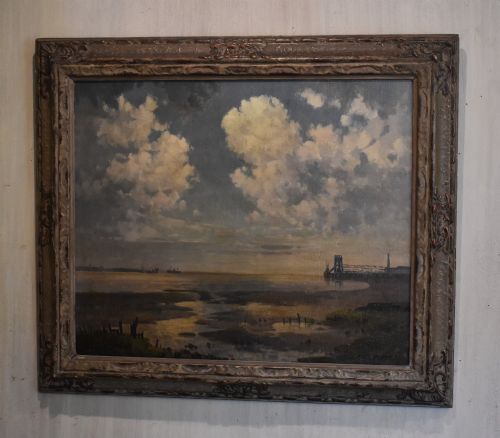
Framed Marine Canvas Painting
When you search for a framed marine canvas painting, you look at centuries of maritime history captured in oil.
Framed Marine Canvas Painting
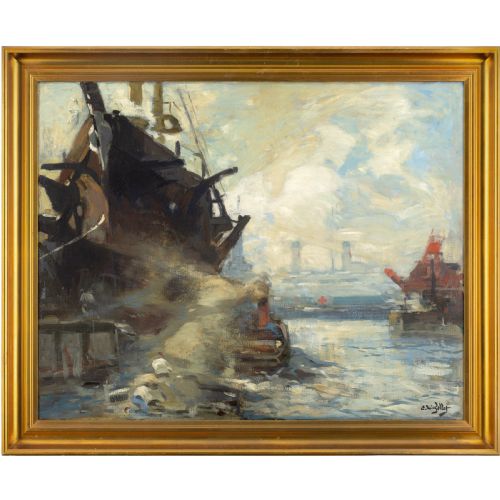
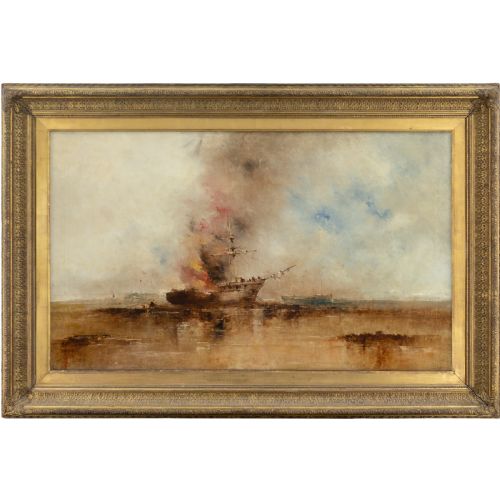
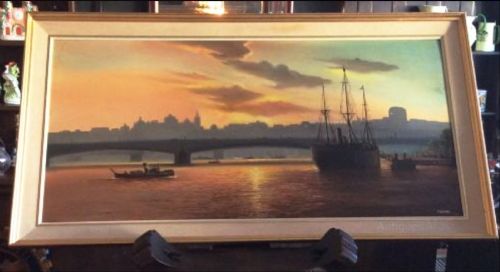
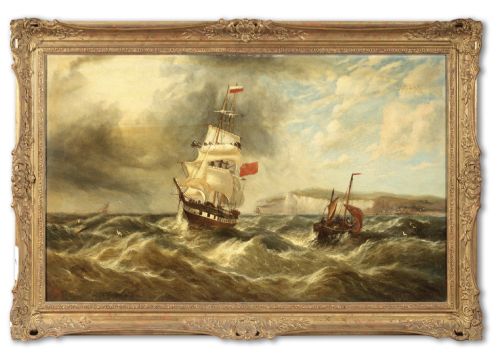
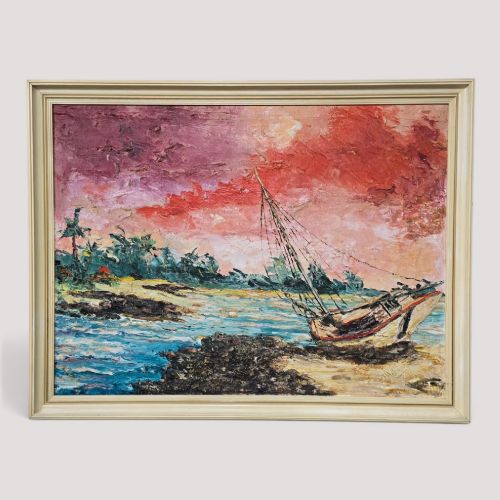
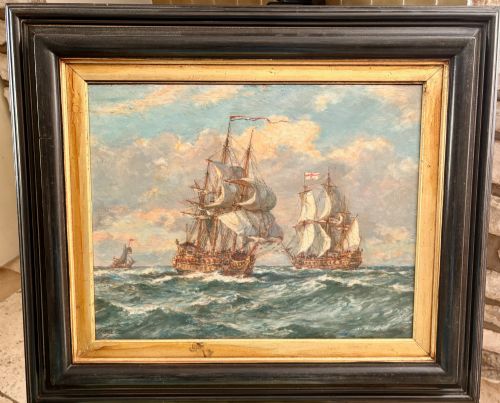
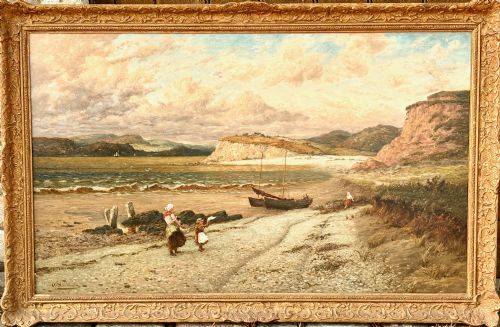
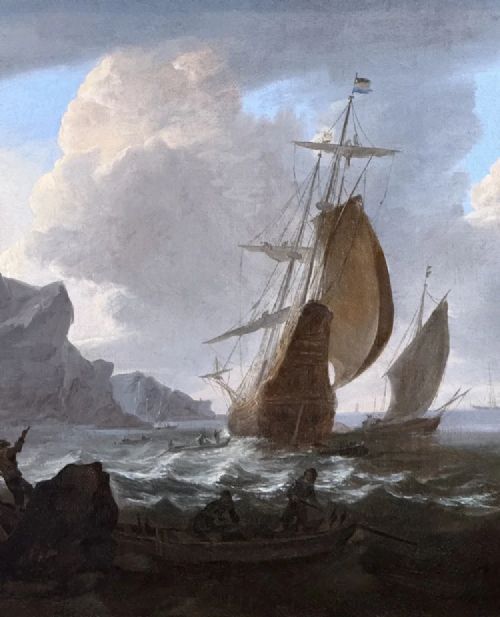
A framed marine canvas painting depicts maritime scenes, coastal views, and historic shipping across the nineteenth and twentieth centuries. These works range from stormy open seas to calm harbour townscapes along the Thames or international ports.
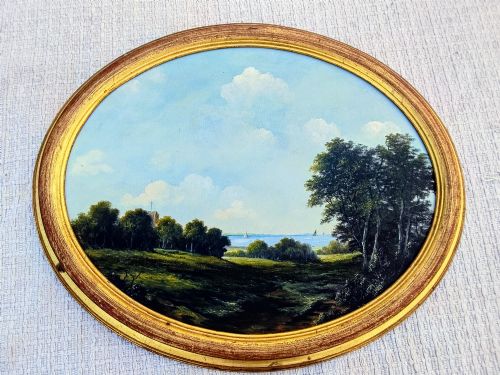
Victorian and Edwardian pieces dominate the selections, alongside mid-century interpretations of coastal life. Artists render these subjects on stretched canvas, set within period wooden and gilt frames.
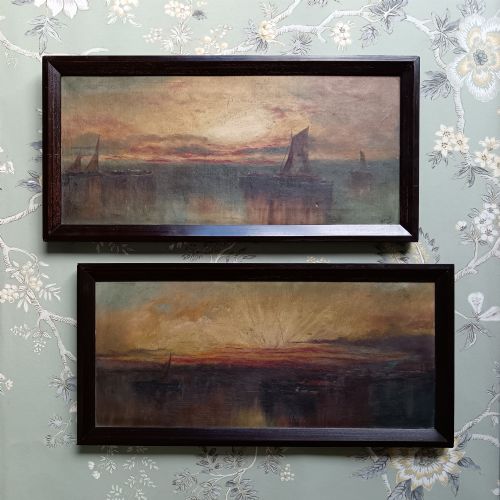
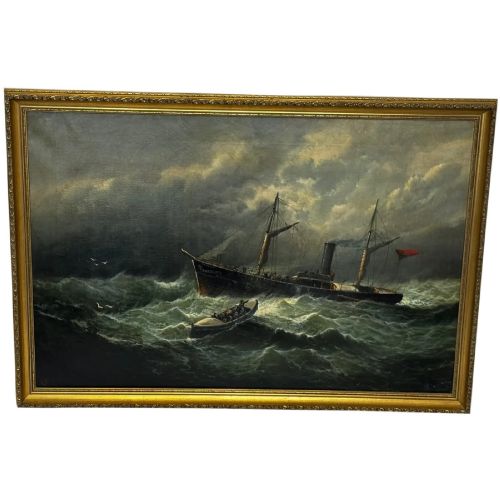
The subjects capture specific vessels, naval engagements, rescue operations, and everyday fishing boats. Each canvas preserves a distinct moment in maritime heritage through oil paint.
Materials and Technique
Artists painted primarily with oil on stretched canvas, building texture and depth through layered brushwork. This medium allowed painters to capture the movement of waves, the play of light on water, and atmospheric skies.
Canvases sit within wooden frames, frequently finished with giltwood, gold leaf, or simple painted wood moulding. These frames provide structural support while complementing the maritime subject matter.
Several canvases capture historic maritime rescues, putting stormy seas and brave coastal crews directly onto the living room wall.
What Varies in Quality
Quality rests in the artist's handling of light, atmospheric perspective, and the anatomical accuracy of vessels and rigging. Superior canvases demonstrate a confident understanding of water movement and maritime architecture.
The condition of the canvas and the originality of the frame influence the overall integrity of the piece. Well-preserved works retain vibrant pigments and stable paint layers without extensive restoration.
Clifford Hanney·Eugène-Louis Gillot·William McAlpine·Reginald Arthur Borstel·B. Nash·John Rose Miles·William Broome·Bernard Gribble·Bonaventura Peeters·Clive Browne·Peter Brannan·Paul Bret·Francis Moltino·Bernard Benedict Hemy·Thomas Creswick·Willem Bos·Charles Euphraisie Kuasseg·John Wilson Carmichael·Lai Fong·Nicholas Condy·Richard B. Spencer·William Henry Williamson·John Holland·Walter Goodin·Abraham Hulk I
The Framed Marine Canvas Painting Glossary
- Canvas
- A heavy woven fabric used as a surface for oil painting. It is stretched tightly over a wooden frame before painting begins.
- Giltwood
- Wood carved and coated with a thin layer of gold leaf or metallic gilt powder. This finish is typical of period frames.
- Seascape
- A work of art depicting the sea, coastal views, and ships in motion. These scenes form the core of maritime painting.
- Barque
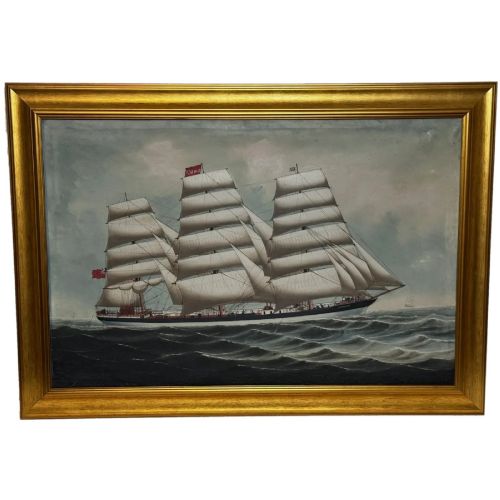
- A sailing vessel with three or more masts. This specific ship type appears frequently in nineteenth-century maritime art.
Framed Marine Canvas Painting: Frequently Asked Questions
What periods do these paintings cover?
The selections span from the seventeenth century through the Victorian and Edwardian eras into the mid-twentieth century. Nineteenth-century works form a large portion of the available selections.
Later pieces extend into the nineteen-fifties and sixties, showing shifting artistic styles in marine art over time.
How were these paintings originally framed?
Makers housed these canvases in wooden frames, often embellished with giltwood or gold leaf. These period surrounds enhance the maritime scenes.
Many surviving frames remain original to the canvas, showing traditional joinery and surface wear appropriate to their age.
What subjects appear in marine paintings?
Artists painted three-masted schooners, naval warships, merchant vessels, and local fishing boats. Coastal landscapes and harbour townscapes also feature prominently.
Scenes range from calm coastal views to dramatic shipwrecks and vessels navigating rough seas in gale conditions.
How do I identify the artist?
Signatures, monograms, or inscriptions on the canvas or frame often identify the painter. Researching historical exhibition records helps attribute unsigned works.
Attributions also rely on documented brush styles, subject matter, and recorded provenance in historical archives.