





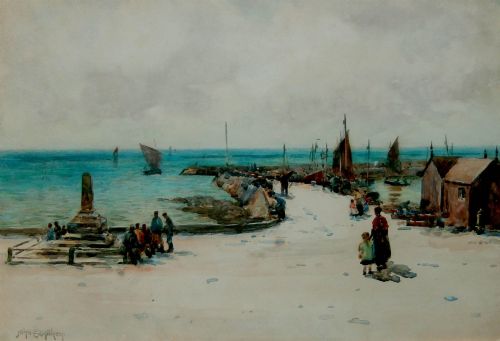
Framed Marine Artwork
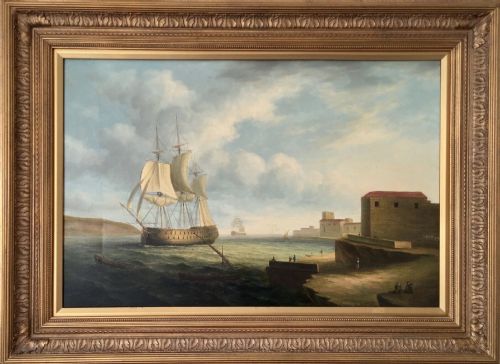
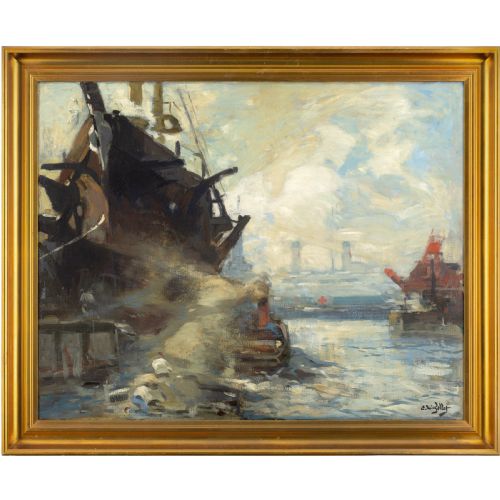
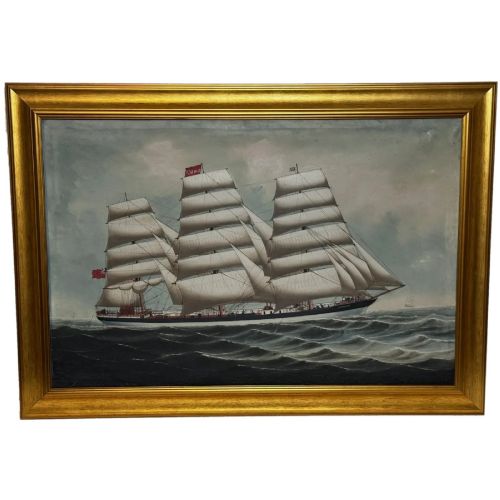
When you search for framed marine artwork, you are looking at oil paintings and watercolours depicting coastal scenes, naval engagements, and harbour views.

Framed Marine Artwork
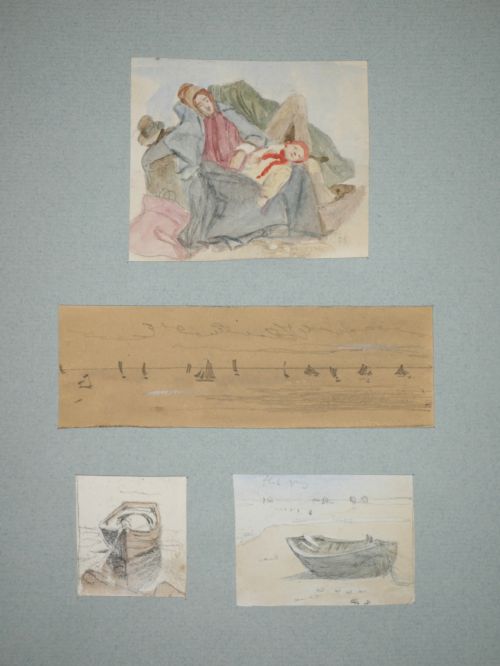
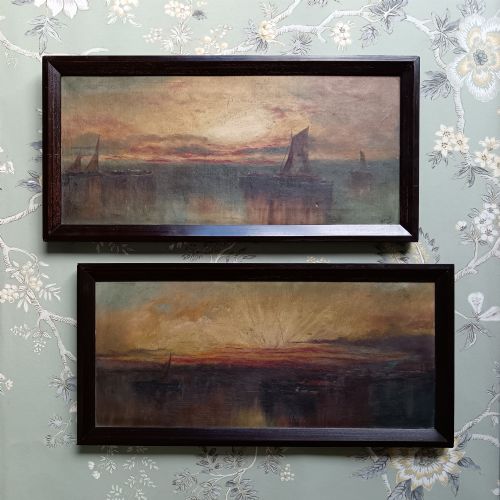
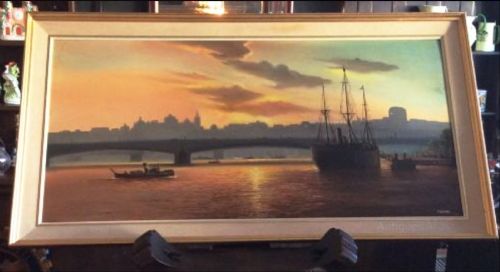
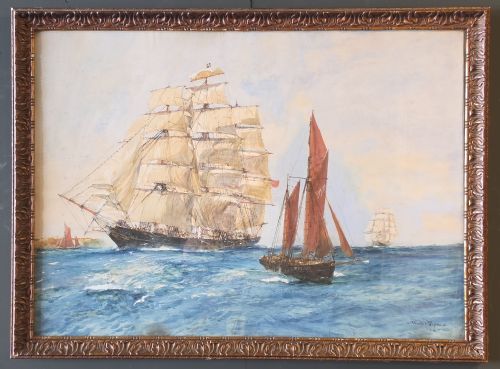
Framed marine artwork encompasses paintings on canvas, board, and paper that record ships, coastal communities, and open water from the nineteenth century onward. Buyers exploring this category encounter Victorian maritime scenes, Edwardian coastal watercolours, and mid-century oil paintings.
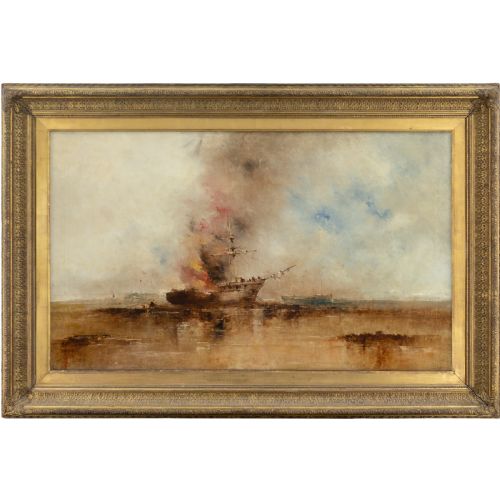
The subjects range from commercial vessels and warships to quiet fishing boats moored in British and European harbours. Many works capture specific historical events, naval actions, and dramatic gales at sea.
Watercolours and oil paintings dominate the selection, usually presented within period wooden and gilt frames. These pieces reflect changing artistic approaches to light and water across different decades.
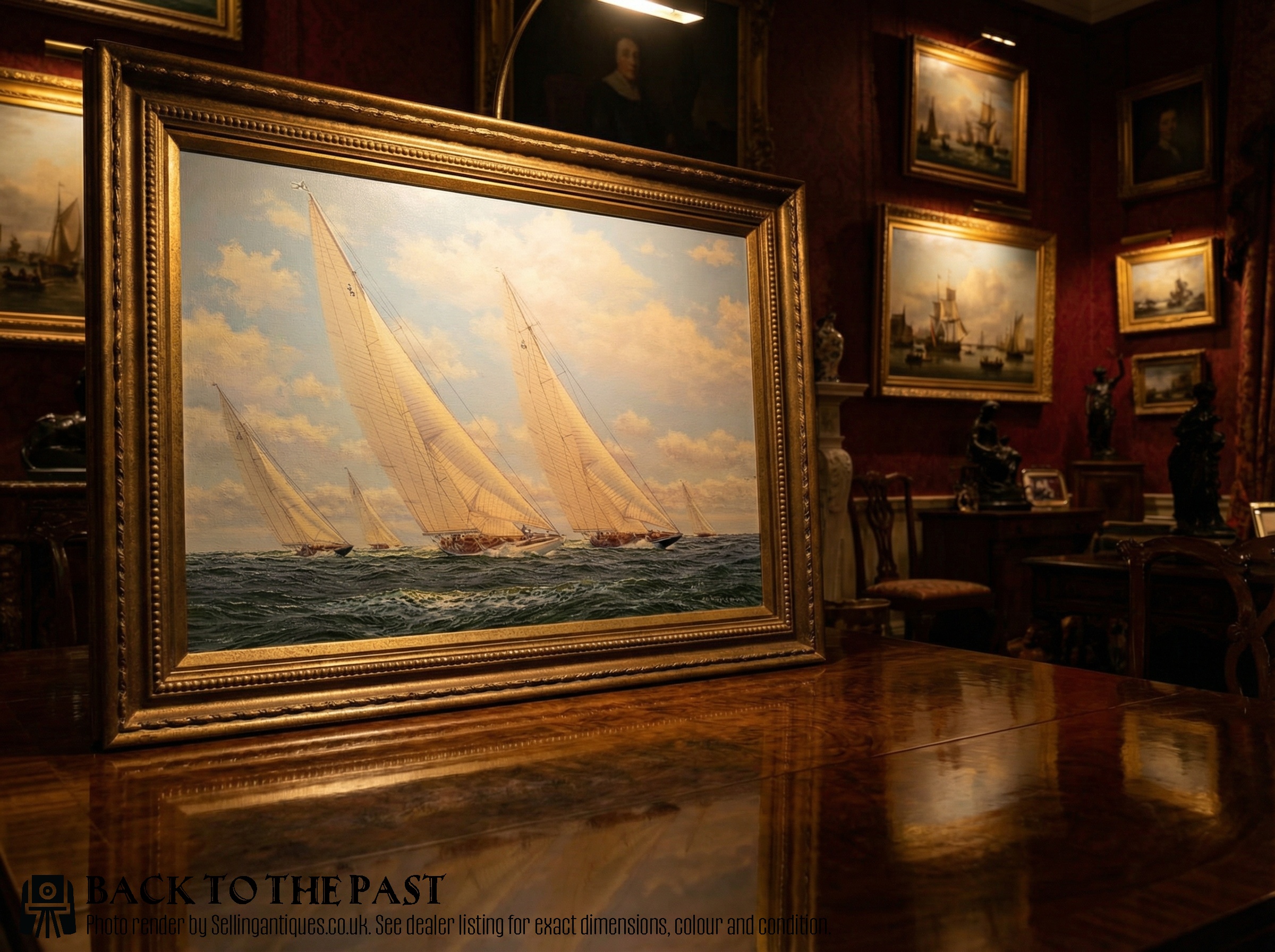
Materials and technique
Artists painted these scenes using oil paint on canvas or wooden panel, and watercolours on paper, capturing the translucent qualities of water and the heavy skies of coastal weather. En plein air methods allowed painters to work directly on the coast, recording natural light and movement.
Frames utilise wood and gilt mouldings, often protecting the works behind glass in the case of watercolours and works on paper. These framing choices reflect the period aesthetic of the painting within.
Framed Marine Artwork Retail Price Guide 2026
Typical asking prices for framed marine artwork among the pieces listed under this phrase on Sellingantiques today, from the lower quarter to the upper quarter. They describe what is for sale here now, not the wider market.
Listings include oil paintings, watercolours, and gouache works spanning the nineteenth and twentieth centuries.
Judging quality
Quality in these paintings rests upon the artist's handling of light, atmosphere, and maritime architecture. Stronger works demonstrate a precise understanding of vessel rigging, hull construction, and water movement under varying weather conditions.
The relationship between the artwork and its frame also matters. Period frames that complement the palette and era of the painting elevate the piece, whereas mismatched modern framing alters the historic presentation.
James Hardy·James Orrock·Clifford Hanney·Eugène-Louis Gillot·William McAlpine·Reginald Arthur Borstel·Sidney A. Court·B. Nash·Edward Mills·Charles Edward Dixon·John E. Aitken·Eric Tufnell·William Banks Fortescue·John Rose Miles·Frank Watson Wood·William Broome·Bernard Gribble·Bonaventura Peeters·Frank William Scarbrough·F. Corpuz·Clive Browne·Peter Brannan·Paul Bret·Francis Moltino·Bernard Benedict Hemy
The Framed Marine Artwork Glossary
- Gouache
- An opaque water-based paint that provides solid areas of colour and sharp highlights. Artists utilised it to render the bright foam of breaking waves and ship details.
- En plein air
- The practice of painting outdoors to capture direct natural light and atmospheric conditions. This technique helps marine artists record changing weather on the water.
- Seascape
- A work of art depicting the sea, coastlines, or ships in open water. It forms the primary subject of marine painting.
- Panel
- A flat wooden support used instead of canvas for oil paintings. Panels offer a rigid surface that withstands the application of heavy paint layers.
Framed Marine Artwork: Frequently Asked Questions
What periods do these marine paintings cover?
The selection spans from the seventeenth century through the Victorian and Edwardian eras into the mid-twentieth century. Most pieces date from the nineteenth and early twentieth centuries.
Works reflect the artistic styles of their respective decades, ranging from traditional maritime documentation to early twentieth-century impressionism.
Are these works painted on canvas or paper?
Artists used multiple supports, including oil on canvas, oil on wooden panel, and watercolours on paper. Each medium creates a different surface texture and visual finish.
Watercolours on paper typically require glass framing for protection, while oil paintings on canvas remain exposed.
How should I hang marine artwork at home?
Consider the lighting in your room to avoid direct sunlight hitting the canvas or paper surface. Wall placement should also account for the weight and scale of the period frame.
Pairing these artworks with traditional or neutral interior spaces allows the maritime subject matter to stand out.
What subjects appear most frequently in these scenes?
Common subjects include commercial merchant vessels, naval warships, rescue boats, and quiet harbour views. Artists frequently depicted British and European ports, fishing fleets, and ships weathering storms.
Specific historical events and naval engagements also form a significant portion of the painted subjects.