
Framed Male Portrait Canvas
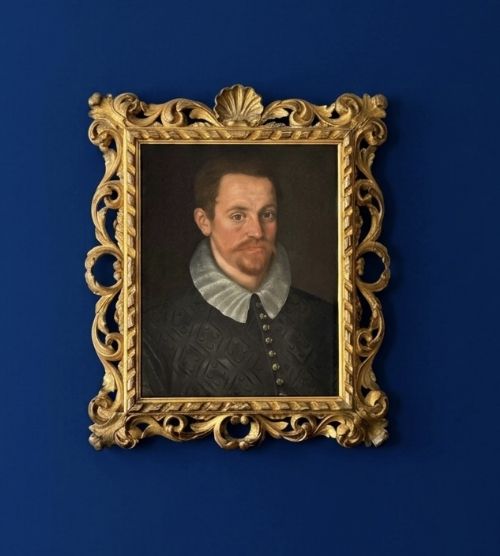
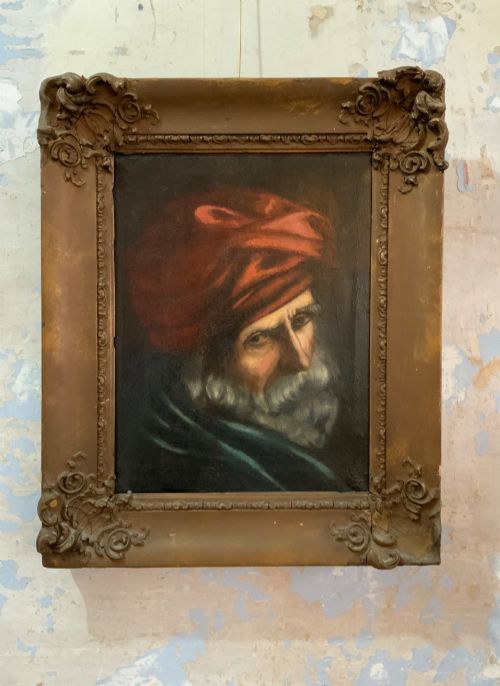
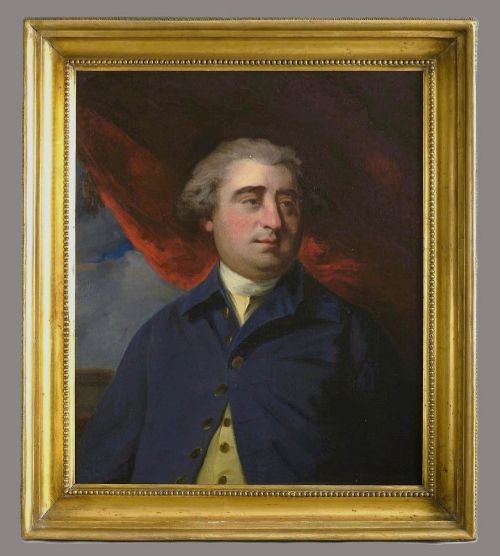
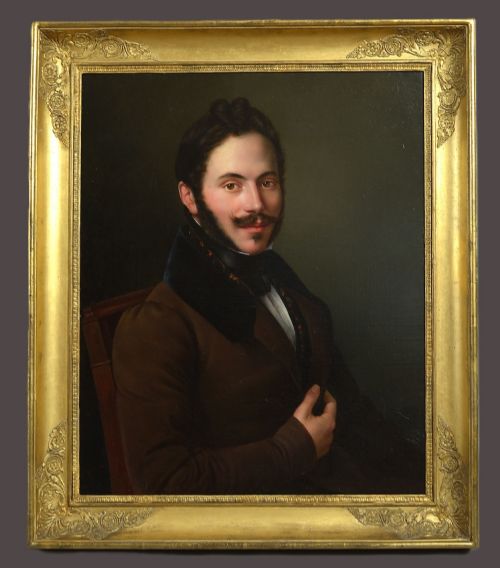
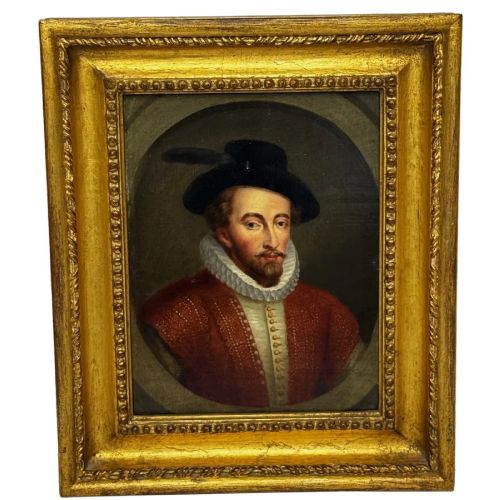
A framed male portrait canvas brings centuries of character into a room through oil paint and giltwood.
Framed Male Portrait Canvas
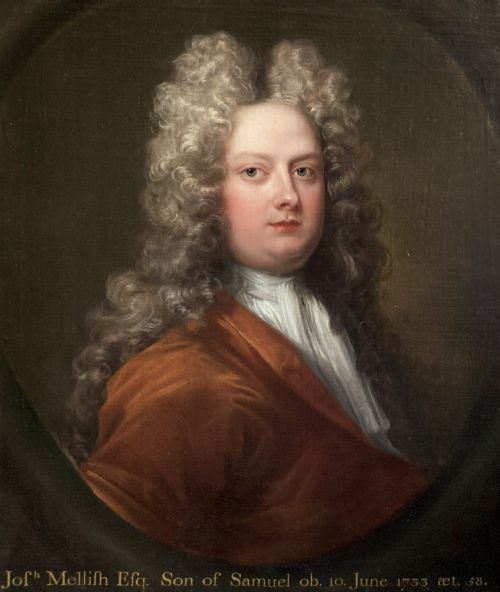
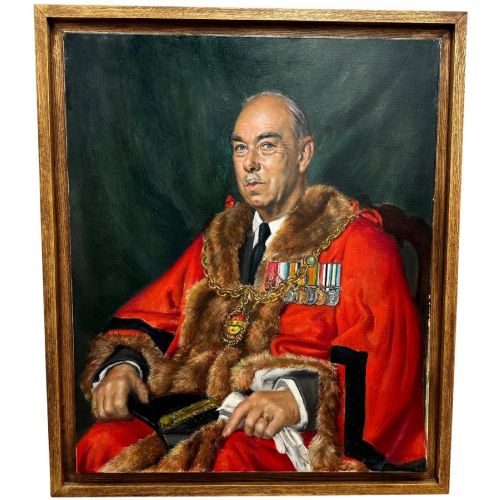
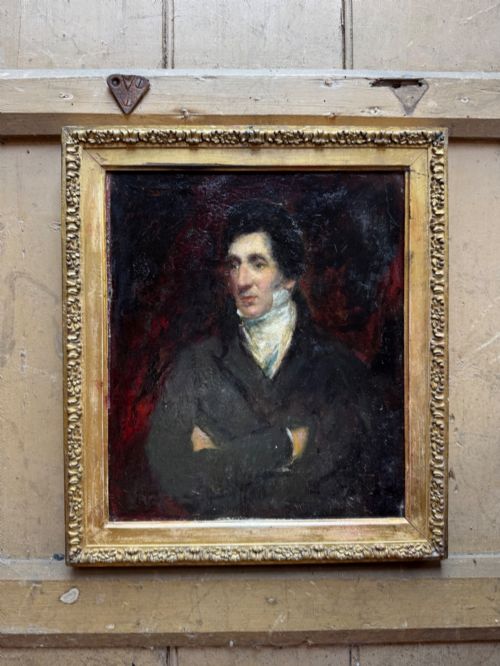
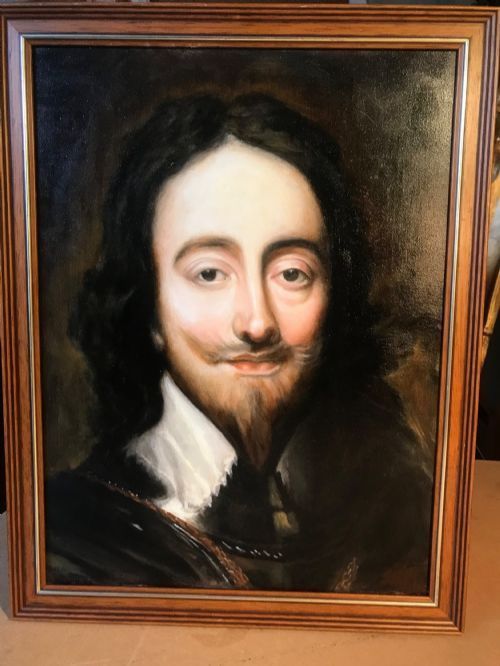
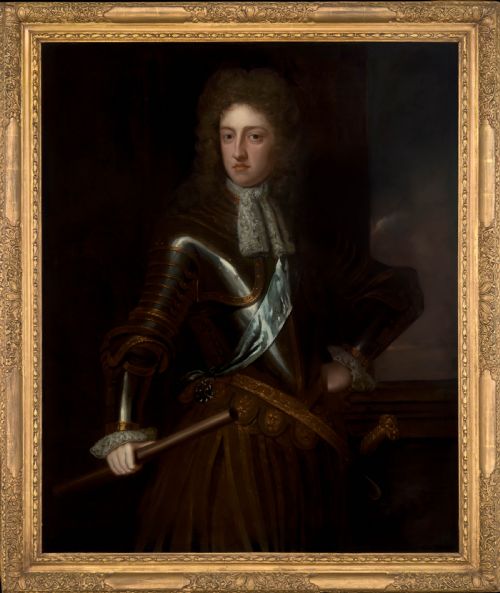
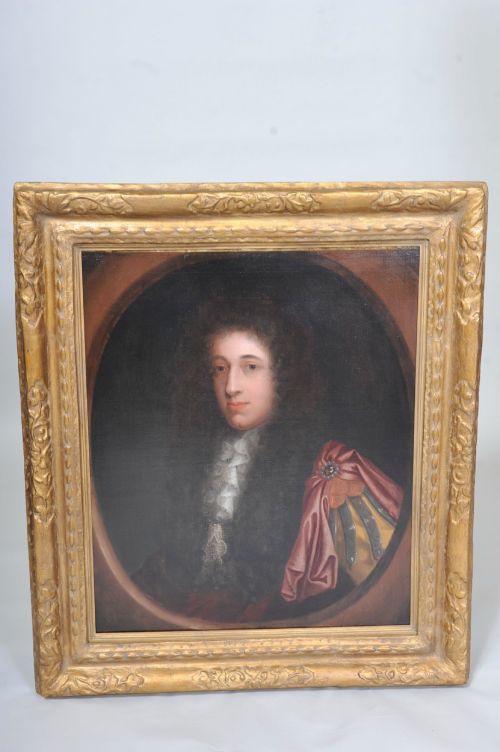
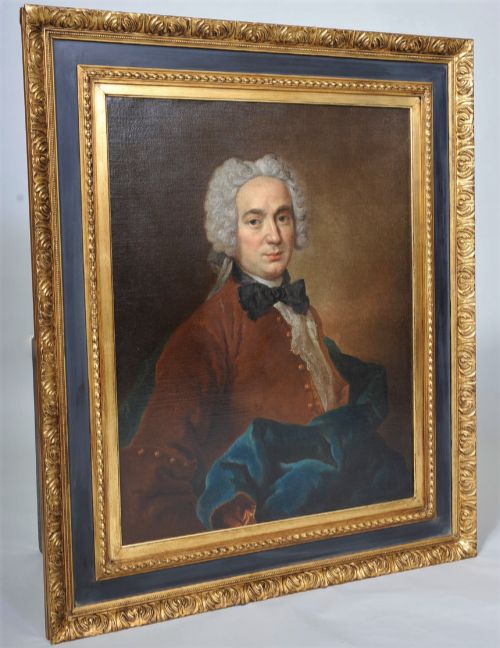
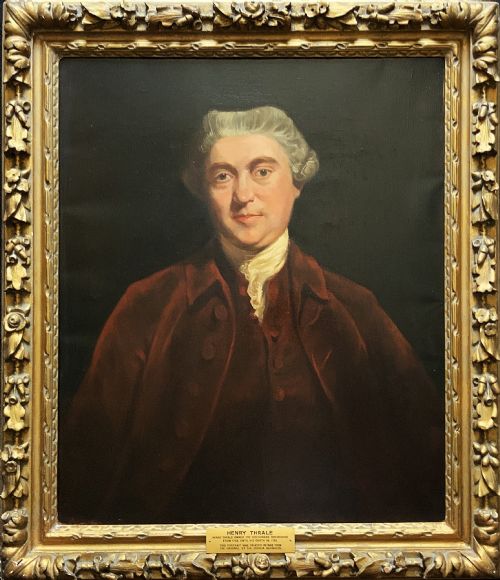
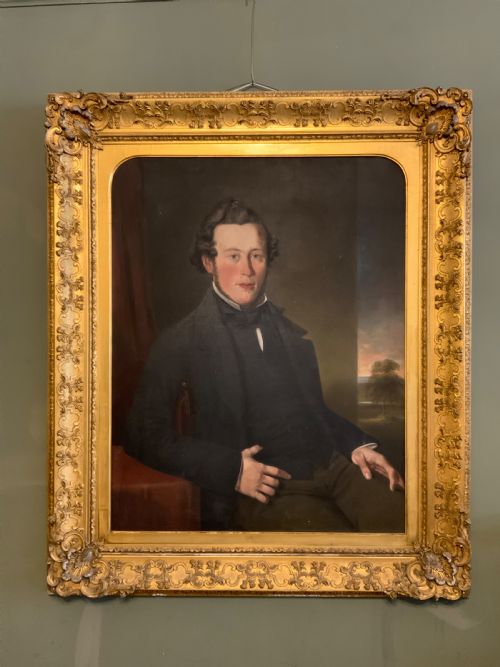
A framed male portrait canvas presents historical figures, gentlemen, officers, and scholars rendered in oils. These works span the seventeenth, eighteenth, and nineteenth centuries, alongside mid-century interpretations.
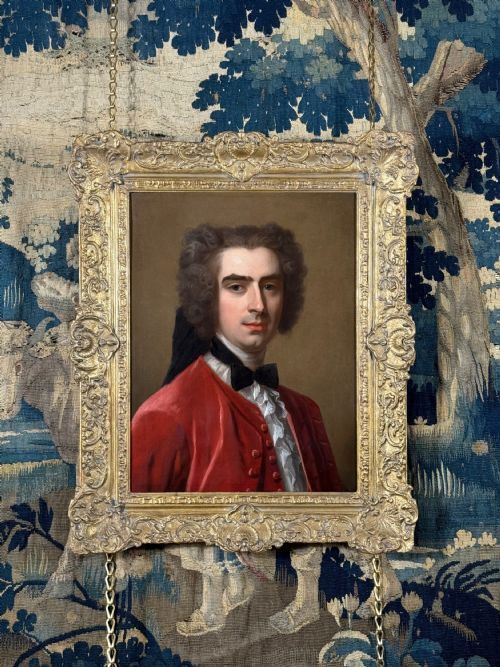
The most common examples on this page are seventeenth and eighteenth-century British and European oil paintings on canvas, often housed in period giltwood frames. Subjects range from named aristocrats and military figures to anonymous gentlemen.
Makers include known studio hands, continental schools, and named portraitists working in baroque, rococo, and realist styles.
Materials and technique
These works rely on oil paint applied to woven canvas supports, stretched over wooden frames and secured within decorative surrounds of carved wood and gold leaf.
Techniques range from the layered glazes of seventeenth-century old masters to the broader brushwork of nineteenth-century realism and mid-century studies.
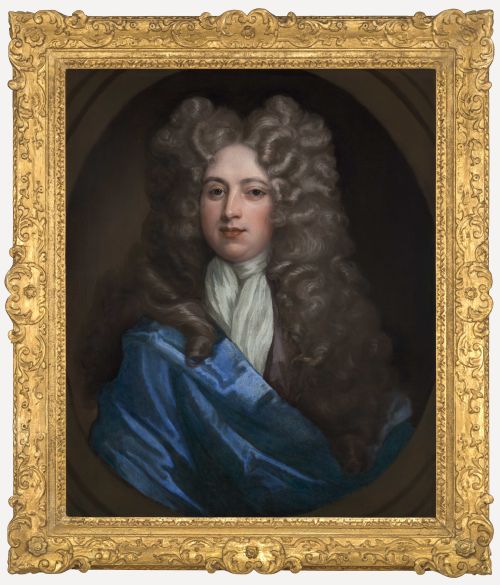
Several gentlemen wear impressive periwigs that outsize their shoulders.
Quality and execution
Quality rests in the handling of facial anatomy, the rendering of fabrics like periwigs and velvet coats, and the preservation of the original canvas surface.
Superior pieces demonstrate confident draughtsmanship in the hands and eyes, while simpler works show more formulaic studio production.
Charles Jervas·Jean-Baptiste Van Loo·Sir Godfrey Kneller·Thomas Murray·Sir Joshua Reynolds·Edouard Pingret·John Closterman·Sir Peter Lely·Francis Hayman·Harold Knight
The Framed Male Portrait Canvas Glossary
- Oil on canvas
- Pigments bound in a drying oil medium, typically linseed, applied to a woven fabric support. This combination allowed artists to achieve rich depth of tone and subtle tonal gradations.
- Giltwood
- Timber, often gessoed and carved, coated with thin sheets of gold leaf. It provides the traditional reflective border for historical paintings.
- Periwig
- A voluminous artificial hair wig popular among gentlemen during the seventeenth and eighteenth centuries. Its depiction helps date portraiture securely.
- Old Master
- A term for a European artist of high skill working before about eighteen hundred. These paintings often show deep chiaroscuro and formal posture.
Framed Male Portrait Canvas: Frequently Asked Questions
How do I date a portrait canvas?
Dating relies on costume details such as periwigs, cravats, and military uniforms, alongside the stretching methods and canvas preparation.
Secondary clues include the framing style and any inscriptions or signatures recorded on the reverse.
What is a studio or follower attribution?
A studio attribution indicates a work produced under the supervision or within the workshop of a master painter. Follower works show the distinct influence of a major artist without direct connection.
Both categories reflect the working practices of historical portrait workshops.
Are these paintings cleaned or restored?
Many historical canvases undergo conservation to stabilise paint layers and remove accumulated surface grime from previous centuries. Documentation often accompanies works that have received professional attention.
Original unrestored surfaces remain visible alongside cleaned examples.
How should I hang a heavy framed canvas?
Giltwood frames and stretched canvases require secure wall anchors fixed directly into structural studs or masonry. Weight distribution demands robust picture wire or mirror brackets suited to the scale of the piece.
Stable indoor environments away from direct sunlight protect the oil medium over time.