




Framed Lake District Art
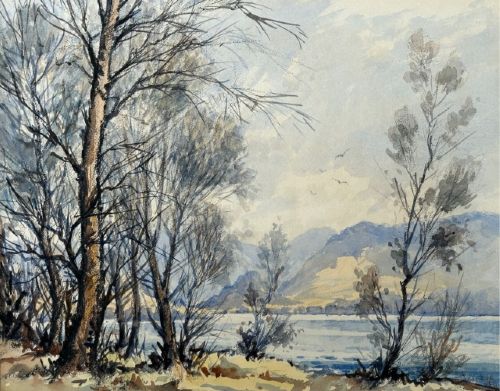
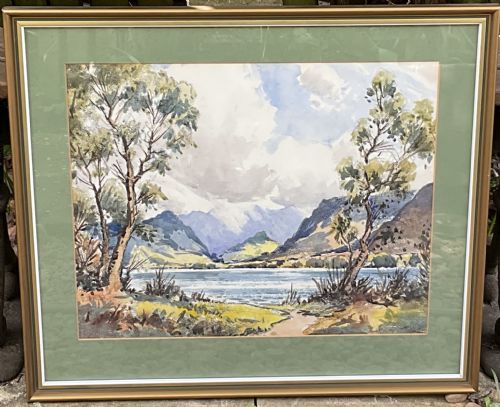
Framed lake district art captures rugged northern topography through oil and watercolour, bringing historic Cumbrian scenery directly to your interior walls.
Framed Lake District Art
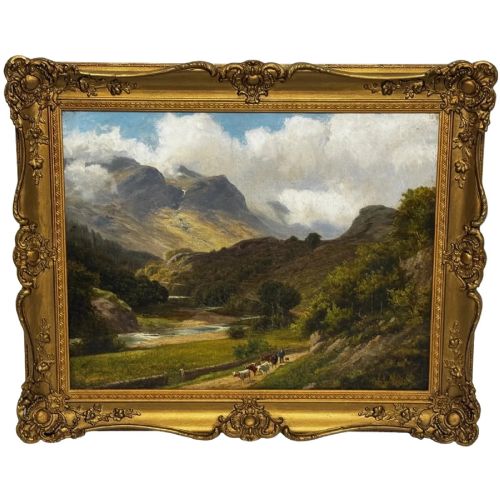
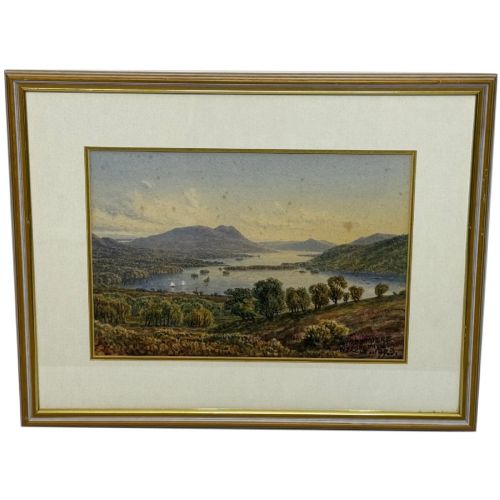
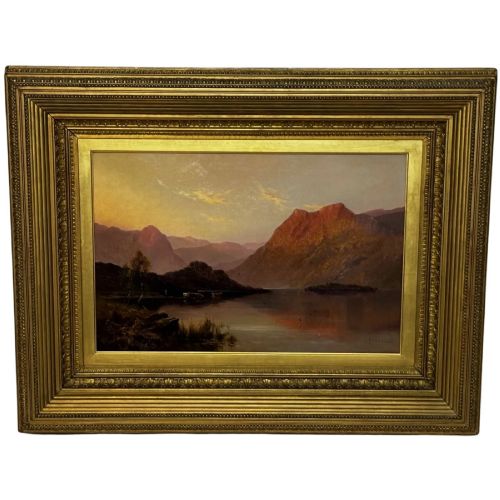
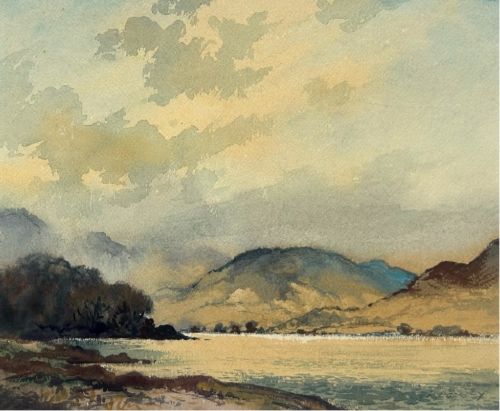
Framed lake district art comprises topographical oils, watercolours, sketches and maps depicting recognizable Cumbrian topography, fells, lakes and valleys across several centuries of British visual culture.
The selections available lean heavily towards mid-twentieth-century watercolours and late-nineteenth-century oil paintings, reflecting the enduring appeal of landscape painting in the region.
Works range from intimate pen-and-ink drawings to substantial framed oil paintings on canvas, capturing specific locations such as Windermere, Coniston Water and Borrowdale.
Materials and methods
Artists utilised watercolour on paper or oil paint on canvas, often applying pigments with brushes or impasto techniques to capture atmospheric light and texture.
Pieces incorporate wooden frames, occasionally embellished with gesso mouldings, alongside protective glass layers for works on paper and maps.
Several artists clearly braved Cumbrian downpours to capture sudden sunshine and shadows across the estuary.
Assessing quality
Quality rests upon the handling of light, atmospheric depth and topographical accuracy by the artist, distinguishing skilled observation from mechanical reproduction.
The integration of the frame with the artwork contributes significantly to the integrity of the piece, alongside the preservation of the underlying paper or canvas.
Alfred Fontville de Breanski·Robert Leslie Howey·Helen Layfield Bradley·Edward Horace Thompson·Joseph Farrington·Claude Muncaster·Sidney Richard Percy·Cornelius Pearson
The Framed Lake District Art Glossary
- Topographical
- Representing specific physical locations accurately in art. Such works serve as both visual records and regional studies.
- Gesso
- A plaster mixture applied to wood frames as a base for moulding or gilding. It provides a smooth surface for decorative details.
- Watercolour
- Pigments suspended in a water-based solution, typically painted on paper. This medium relies on the white of the paper to create luminosity.
Framed Lake District Art: Frequently Asked Questions
How do I date these paintings?
Dating relies on stylistic evidence, artist signatures, framing methods and materials such as canvas types or paper watermarks. Documentation on the reverse often provides additional provenance.
Changes in artistic movements from Victorian realism to mid-century impressionism further help narrow down the period of creation.
What subjects are most common?
Depictions focus on Cumbrian landmarks, including notable lakes, fells, rivers and local vernacular buildings. Windermere and Borrowdale appear frequently across different centuries.
Artists also recorded rural activities, livestock and seasonal changes specific to the northern landscape.
Should watercolours be kept out of sunlight?
Paper and watercolour pigments remain sensitive to ultraviolet light, which can cause fading over time. Hanging them away from direct sunlight preserves the original tones.
Using conservation-grade glass offers an extra layer of protection against light damage.
Are original frames important?
Original or period-appropriate frames complement the aesthetic and historical context of the artwork. They show how the piece was presented during its era.
Matching frames should harmonize with the age and style of the painting without overpowering the composition.