




Brown Ochre Watercolour Art
These brown ochre watercolour art pieces capture natural landscapes and rustic scenes through earth-toned washes and delicate paper works.
Brown Ochre Watercolour Art
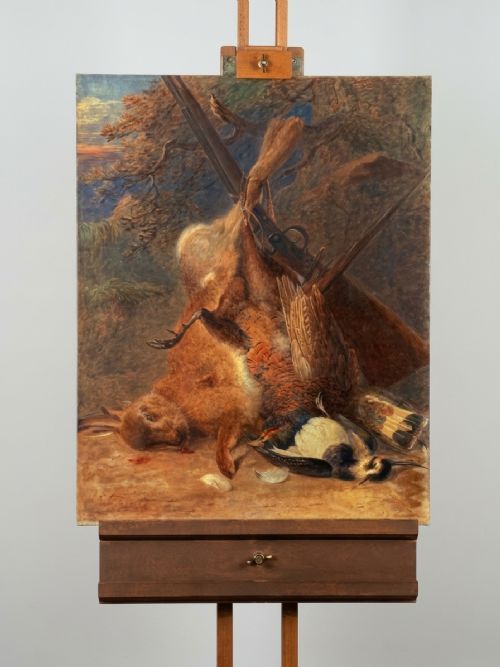
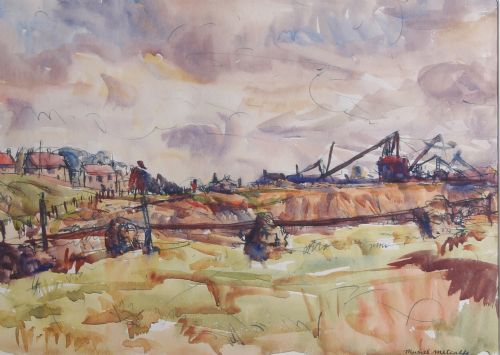
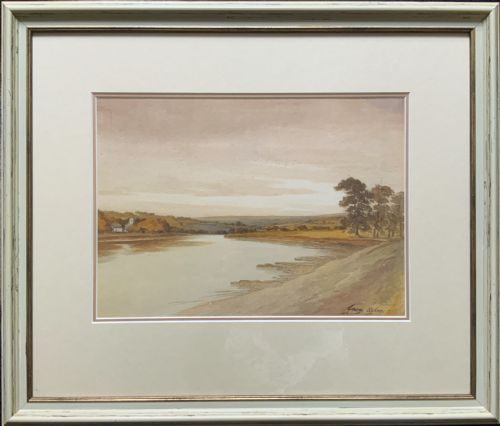
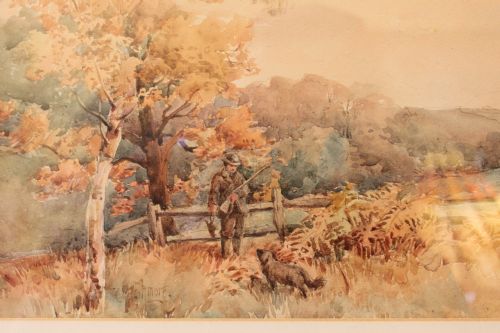
Brown ochre watercolour art brings together landscape paintings, architectural studies, and still life compositions created across multiple decades. Buyers searching this phrase encounter works ranging from nineteenth century views to twentieth century British school pieces.
The selections on this page highlight regional English art, Victorian studies, and modern British watercolours. Paper surfaces carry the subtle pigments of these historic works, framed under glass for protection.
How they were made
Artists applied watercolour pigment and bodycolour onto paper supports, frequently combining ink and graphite for initial outlines and fine details. These liquid mediums required swift, deliberate brushwork to capture atmospheric effects and natural light.
Many works incorporate earth pigments alongside traditional watercolours to achieve rich brown ochre tones. Finished paintings found preservation behind glass within wooden frames.
Fred Lawson managed to capture cathedral stone and humble stack yards with the exact same box of damp nineteenth-century enthusiasm.
What varies in quality
The success of a piece depends on the surety of the initial graphite or ink drawing beneath the pigment. Stronger works display confident brush handling that defines form without heavy reworking.
Paper condition and pigment preservation also influence the visual impact of each composition. Superior examples retain their tonal depth and atmospheric clarity across the entire sheet.
George Sydney Shepherd·Muriel Metcalfe·James Tower·George Graham·Frederick Mayor·William Henry Hunt·George Hamilton Constantine·George Sykes·Fred Lawson·Tom Dudley·Charles Ashmore
The Brown Ochre Watercolour Art Glossary
- Watercolour
- A paint consisting of a pigment suspended in a water-soluble vehicle. It is typically applied to paper to create translucent washes of colour.
- Bodycolour
- Watercolour paint made opaque by the addition of a white pigment such as chalk. This technique allows for heavier highlights and solid passages of tone.
- Graphite
- A form of crystalline carbon used for preliminary sketching beneath watercolour washes. Artists rely on it for precise architectural and landscape outlines.
- British Impressionism
- A painting style influenced by French movements that gained traction in Britain. It emphasises natural light and loose brushwork.
Brown Ochre Watercolour Art: Frequently Asked Questions
What is brown ochre watercolour art?
These works are original paintings on paper created using water-soluble pigments dominated by earthy brown tones. They depict landscapes, architecture, and still life scenes from various British schools.
The selection spans from nineteenth century Victorian pieces through to nineteen-forties modern British examples, capturing historic views and rural locations.
How should I display these watercolours?
Watercolours require protection from direct sunlight to prevent the pigment and paper from fading over time. Hanging them in subdued room lighting ensures long-term preservation.
Keeping them behind glass within a secure wooden frame shields the delicate paper surface from atmospheric moisture and dust.
How do I identify the period of a piece?
Dating relies on the stylistic markers of the specific school, the framing materials, and the handwriting of signatures or titles on the paper. Victorian pieces often show meticulous detail, whereas later twentieth century works lean towards looser interpretations.
Examining the paper type and any visible studio stamps or inscriptions also helps place the work within its historical context.
What materials are used in these works?
The primary components are watercolour pigment and paper, frequently augmented with bodycolour for opaque highlights. Ink and graphite are standard for initial composition lines.
Protective glass and wooden frames complete the construction of these framed artworks, keeping the delicate paper stable.