


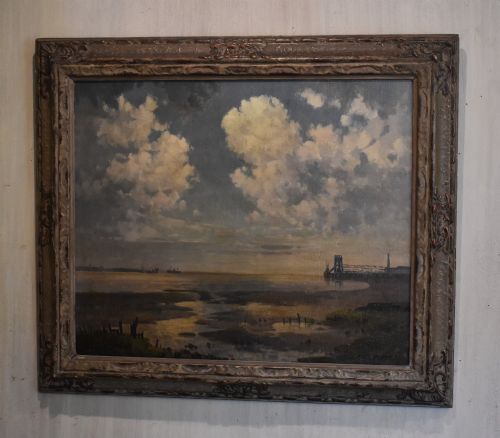
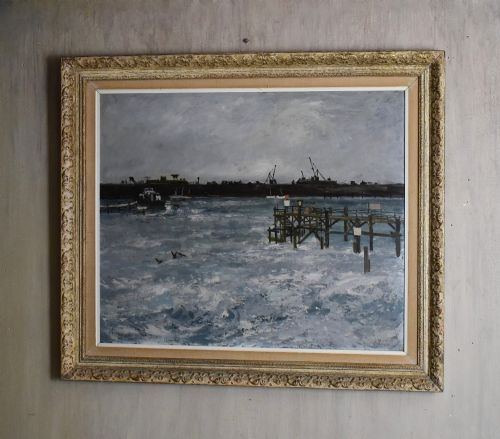
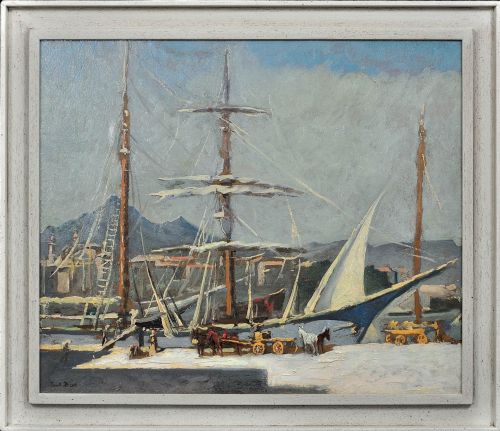
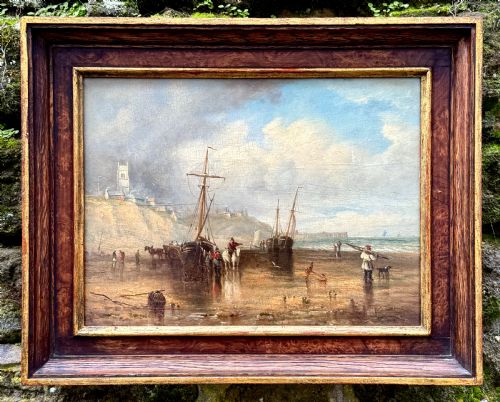
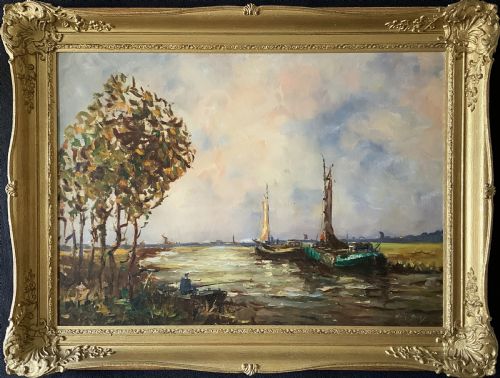
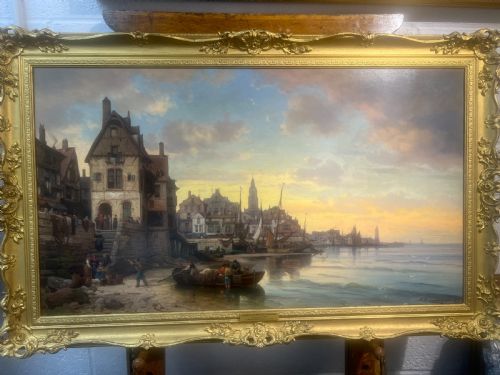
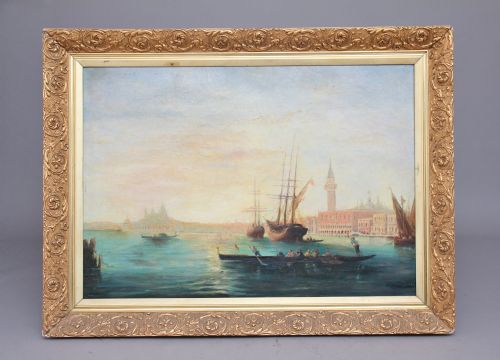
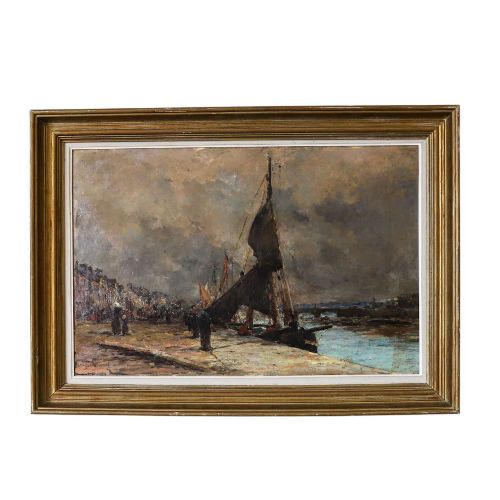
Framed Harbour Landscape Painting
A framed harbour landscape painting captures the maritime activity, coastal architecture, and shifting light of ports from the nineteenth century onward.
Framed Harbour Landscape Painting
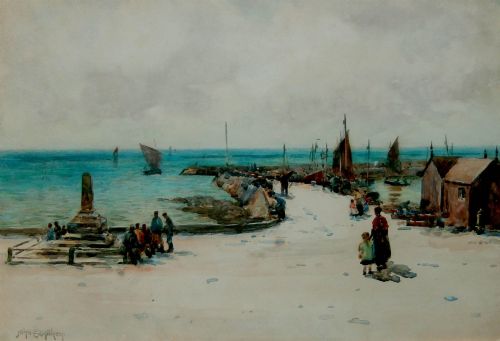
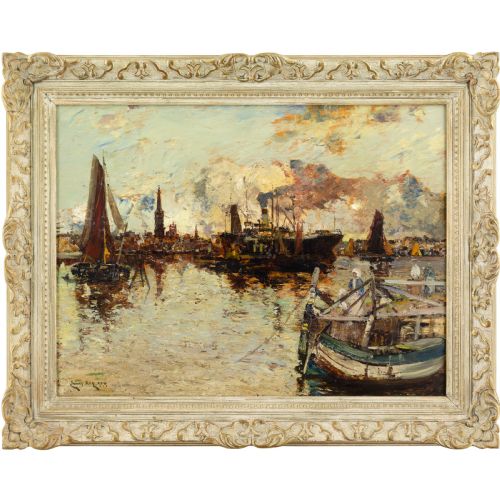
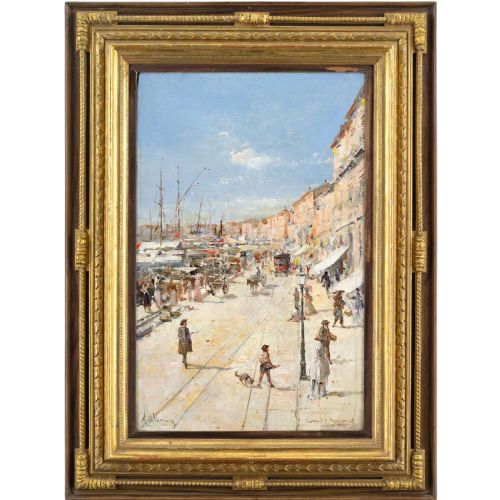
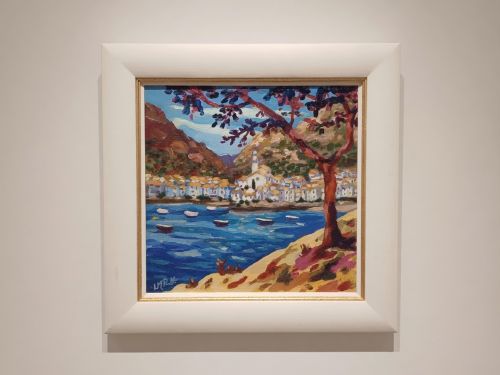
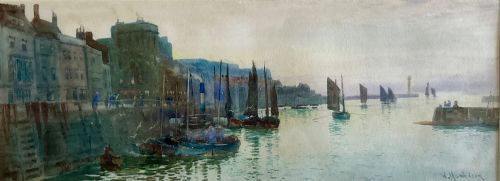
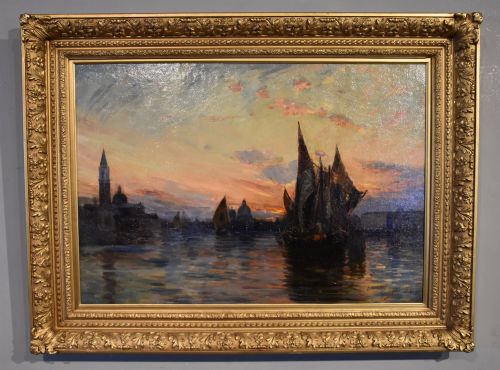
A framed harbour landscape painting portrays coastal views, maritime docks, and estuarine waters captured across various eras. These works range from traditional nineteenth-century watercolours of English fishing ports to mid-century continental oil paintings.
The selections here encompass both detailed topographical records and more expressive interpretations of shipping, quaysides, and tidal movements. Common subjects include Cornish harbours, Venetian lagoons, and bustling northern European anchorages.
Buyers encounter works executed in mediums from delicate paper studies to substantial canvases housed in period frames. The artistic approaches span British Impressionism, Victorian realism, and mid-century modern idioms.
Materials and Techniques
Artists typically utilised oil paint on stretched canvas or board, alongside watercolour applied to paper supports. These materials allowed painters to render the reflective surfaces of water and the atmospheric effects of coastal weather.
Oils provided rich textures, sometimes built up in thick impasto, while watercolours offered translucent washes suited to capturing light and sky. Canvases and watercolours are frequently preserved within timber frames, many finished with gilt or moulded details.
Some maritime canvases still retain stray grains of sand embedded in the impasto from coastal breezes.
Markers of Distinction
Quality rests upon the artist's handling of light, atmospheric perspective, and spatial composition within the maritime setting. Superior examples demonstrate a confident command of medium, whether capturing the complex rigging of vessels or the reflective expanse of tidal mudflats.
The integrity of the physical work, including the preservation of the pigment and the harmony of the framing, influences the overall standing of the piece. Works by recognised regional or international painters command greater interest through their established provenance and stylistic execution.
Edward Mills·John E Aitken·William Banks Fortescue·James Kay·Augusto Alberici·Clive Browne·Peter Brannan·Paul Bret·Thomas Creswick·Willem Bos·Charles Euphraisie Kuasseg·William Matthison·Frank Kelsey·Walter Goodin·F A Roylance·Alfred George Morgan·Paul Jean Anderbouhr·Charles William Wyllie·William Edward Webb·Edward Matthew Elliott·Gyrth Russell·Jean Baptiste Olive·Raymond Picque·James Fry·William Lee Hankey
The Framed Harbour Landscape Painting Glossary
- Impasto
- Paint applied thickly to a canvas, standing out in relief from the surface. This technique adds tactile depth and catches light across water or sky elements.
- Provenance
- The documented history or ownership lineage of an artwork. A clear record helps verify the authenticity and background of a framed painting.
- Topographical
- Representing specific real-world locations with a degree of accuracy. Many coastal works serve as historical records of nineteenth and twentieth-century ports.
- Watercolour
- Pigments suspended in a water-based, translucent solution applied to paper. It requires swift, precise brushwork due to its fluid nature.
Framed Harbour Landscape Painting: Frequently Asked Questions
How do I date a harbour painting?
Dating relies on stylistic evidence, artist signatures, framing methods, and the types of vessels depicted in the scene. Maritime architecture and clothing styles within the canvas also offer reliable clues to the period.
Examination of the reverse canvas, stretcher frames, and paper stamps can further narrow down the decade of creation.
Where should I hang a coastal painting?
These works suit spaces with stable environmental conditions, away from direct sunlight and excessive moisture fluctuations. Positioning them on interior walls helps protect both the canvas or paper and the surrounding frame.
Matching the scale of the frame to the wall space ensures the artwork remains a balanced focal point in the room.
What is the difference between oil and watercolour works?
Oils are painted on canvas or board with opaque pigments that allow for rich layering and textured brushwork. Watercolours use translucent pigments on paper, typically displayed under glass for protection.
Both mediums offer distinct visual qualities, with oils providing heavier substance and watercolours presenting lighter, luminous effects.
How do I identify regional British harbour scenes?
Regional identification depends on distinctive architectural landmarks, cliff formations, and local shipping types recorded by the artist. Specific ports like St Ives, Whitby, or Scarborough often feature characteristic slipways, piers, and stone cottages.
Inscribed titles on the reverse or contemporary exhibition labels frequently confirm the exact coastal location.