
Nineteenth Century Oil Artwork
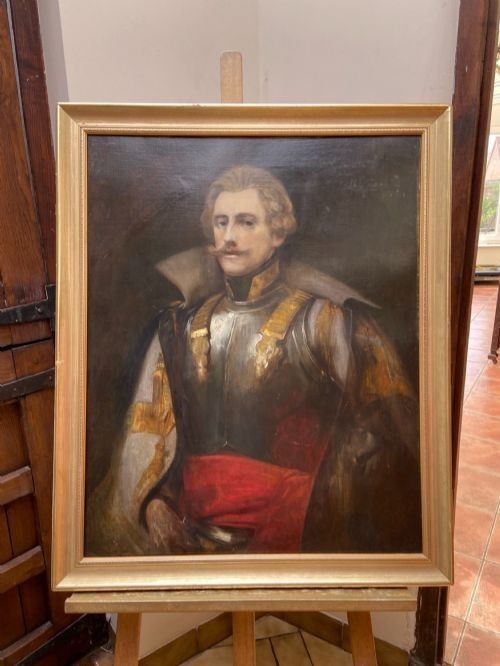
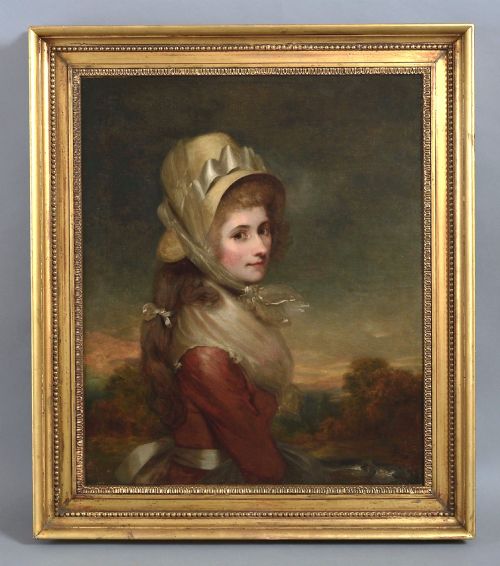
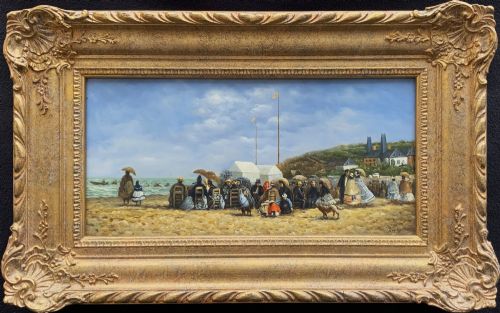
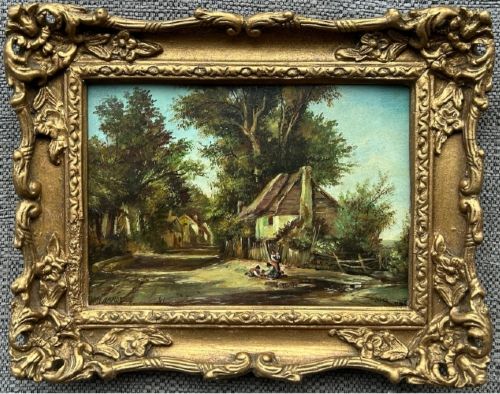
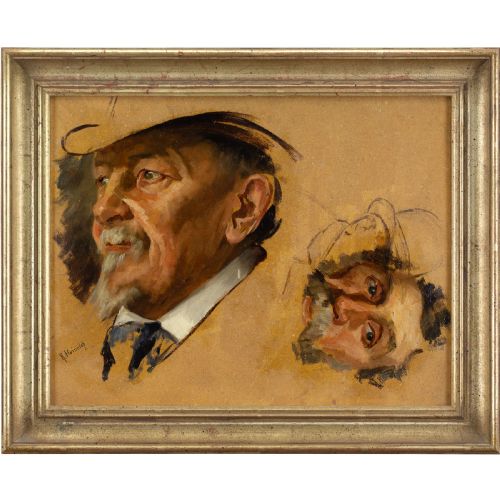
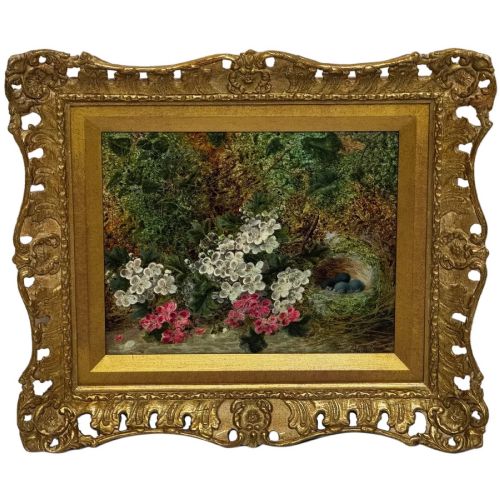
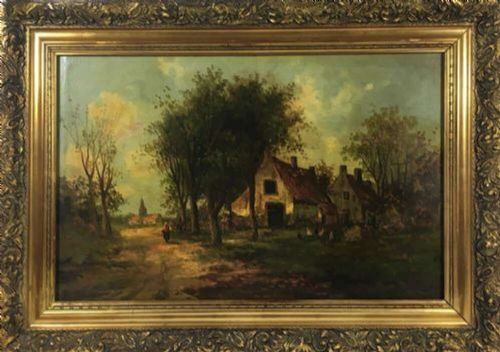
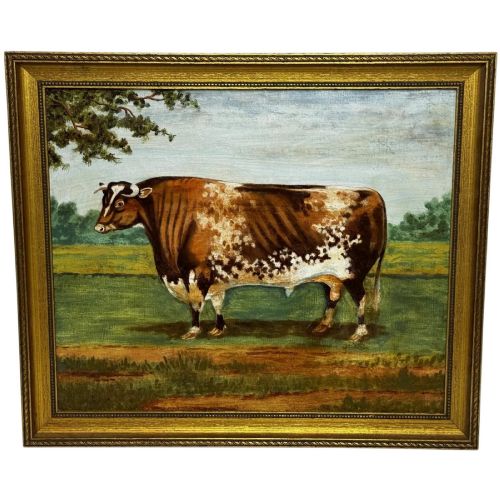
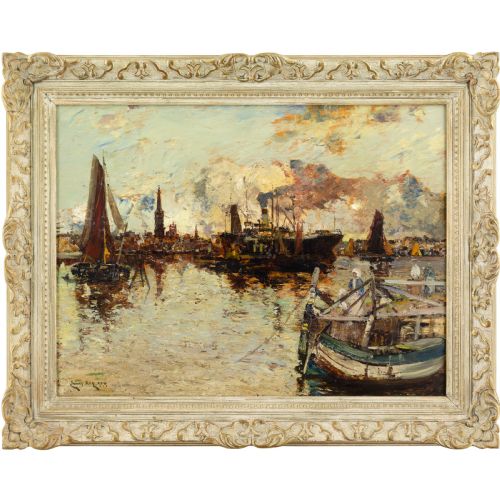
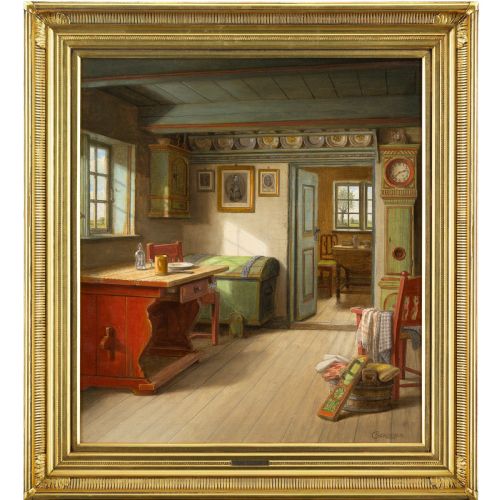
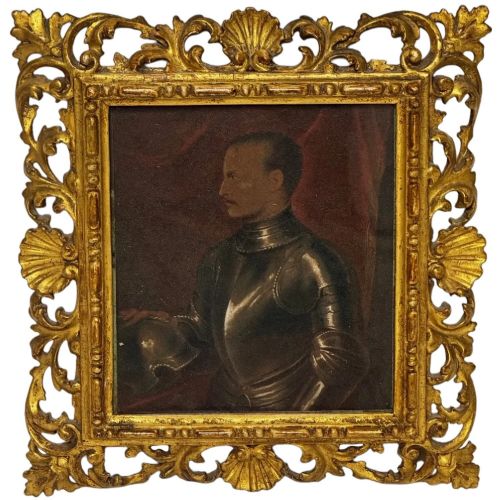
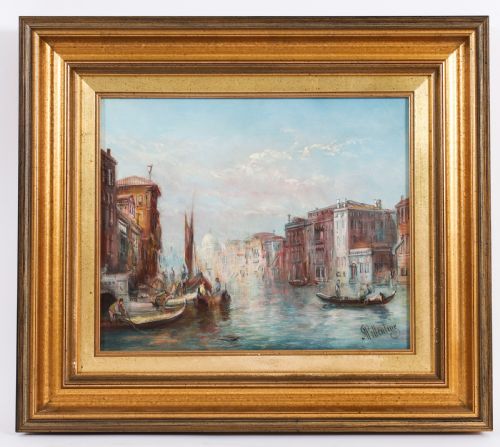
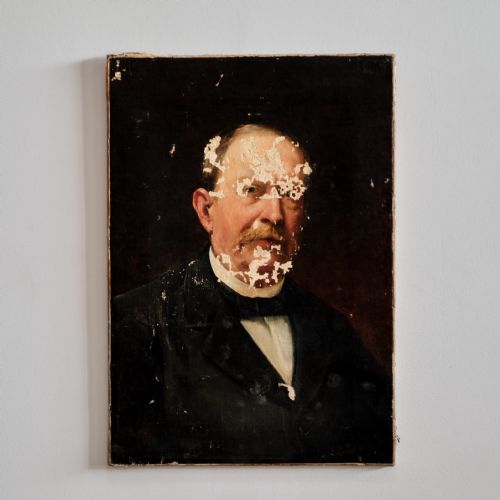
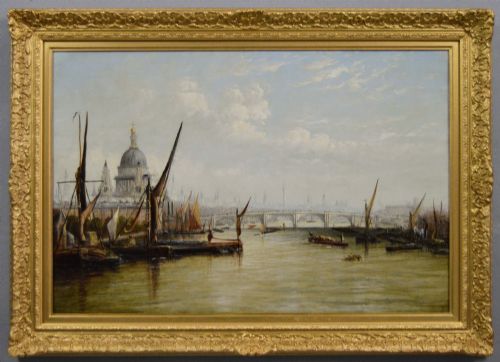
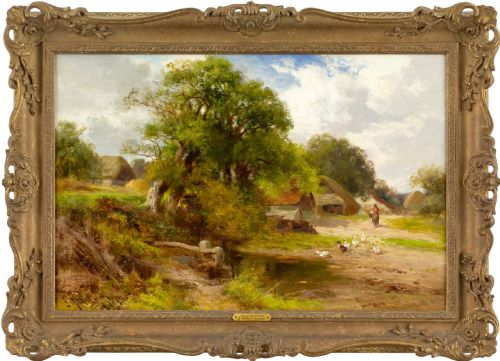
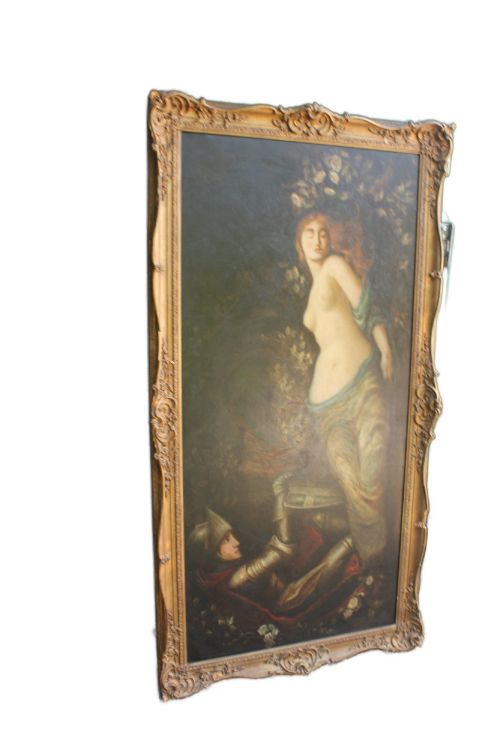
Nineteenth century oil artwork brings home the rich textures and varied brushwork of portraiture, landscape and genre scenes.
Nineteenth Century Oil Artwork
A nineteenth century oil artwork captures everything from quiet British landscapes and coastal views to detailed portraits and historical genre scenes. Collectors seeking nineteenth century oil artwork often encounter pieces created across the Victorian era, spanning specific decades from the mid-nineteenth century up to the early twentieth century.
The selection here encompasses canvases, wood panels and zinc supports framed in giltwood and gesso. French, British and Italian schools appear frequently, reflecting diverse regional training and subjects ranging from maritime battles to rural farmyards.
Materials and methods
Artists built these works using oil paint applied to prepared canvas, wood panels or zinc supports. The foundational layers received pigments mixed with drying oils, allowing slow blending and rich impasto.
Frames of giltwood and gesso complement the paintings, often decorated with gold leaf. These traditional mountings protect the edges of the canvas or panel while providing a classic period presentation.
Regional British and European schools are represented, including Barbizon, Academic Realism, and Post-Impressionism.
Assessing quality
The skill of the brushwork and the precision of the composition dictate the standing of each piece. Finer works display confident handling of light, shadow and human or animal anatomy, particularly within portraiture and narrative scenes.
The condition of the original paint layer and the supporting canvas or panel influences desirability. Intricate period frames executed in giltwood and gesso also contribute to the overall integrity of the piece.
Sir Martin Archer Shee·William Howard Hardy·Oliver Clare·Alfred Pollentine·Francis Moltino·Johann Friedrich Voltz·Bernard Benedict Hemy·Johann Hamza·André Charles Voillemot·Jean-Baptiste Olive·John Arthur Lomax
The Nineteenth Century Oil Artwork Glossary
- Oil on Canvas
- Pigments suspended in a drying oil medium applied to a stretched woven fabric support. This combination allowed artists to create deep tonal gradations and durable surfaces.
- Impasto
- Paint laid thickly on an area of the surface so that it stands out from it. This technique adds tactile relief and visible brush texture to elements like clothing or waves.
- Giltwood
- Wood carved and covered with a thin layer of gold leaf or metallic powder. It forms the decorative structure of traditional picture frames.
- Gesso
- A paint mixture consisting of a neutral binder mixed with chalk, gypsum, or pigment. It served as a smooth preparation layer for wooden panels and frame mouldings.
- Genre Painting
- Pictorial representation of scenes from everyday life. These works depict ordinary people engaged in common activities, often with narrative or moral undertones.
Nineteenth Century Oil Artwork: Frequently Asked Questions
How do I care for an antique oil painting?
Keep the artwork away from direct sunlight and steady temperature fluctuations to prevent cracking in the paint and canvas. Dust the surface gently with a soft, dry brush and avoid using liquid cleaners.
Ensure the room maintains moderate humidity levels to protect both the wooden stretcher bars and the canvas. Professional conservation checks help preserve the stability of older gesso frames.
What subjects are common in these paintings?
Artists of this era frequently painted portraits of individuals and animals, alongside pastoral landscapes and coastal views. Narrative genre scenes depicting historical moments or everyday domestic life also appear regularly.
Religious themes and still life arrangements featuring fruit or nests represent other prominent categories from the period.
How are periods identified?
Signatures, dates inscribed on the reverse, and stylistic markers point to specific decades of creation. Costume details in portraits and architectural elements in townscapes provide further clues for dating.
Framing styles and canvas stamps utilised by period art suppliers help narrow down the timeframe of production.
Where were these artworks produced?
The pieces originate from various European art centres, with strong representation from British, French and Italian schools. Regional academies and local artistic movements shaped the distinct palettes and techniques visible across the works.
Travelling artists and international exhibitions also encouraged the exchange of academic styles throughout the nineteenth century.