

19th Century Pastoral Painting
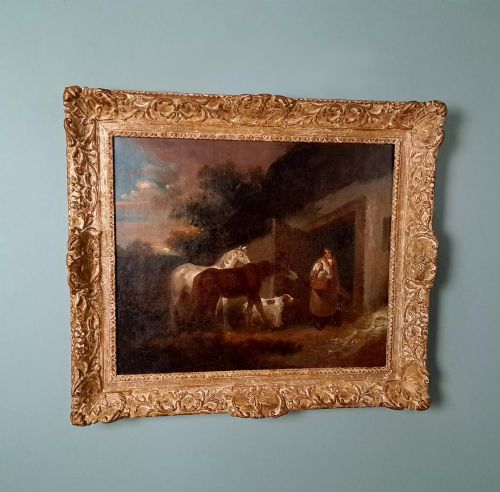
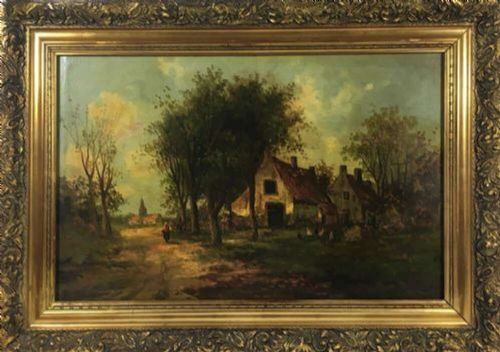
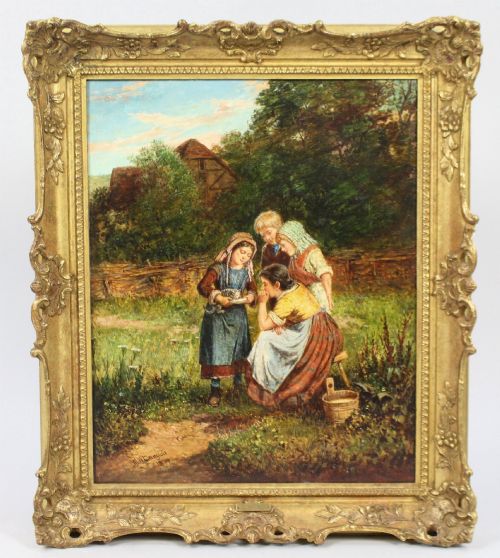
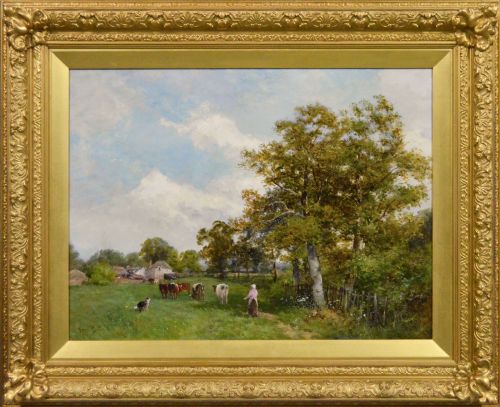
When a buyer searches for 19th century pastoral painting, they seek framed landscape artworks depicting rural life, shepherds, and livestock.
19th Century Pastoral Painting
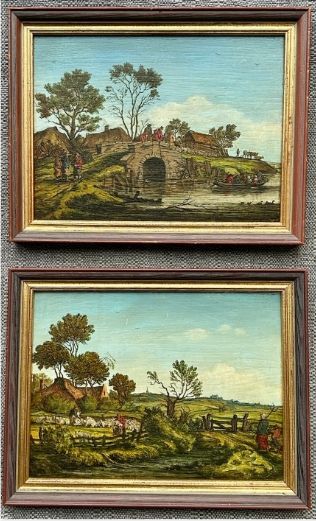
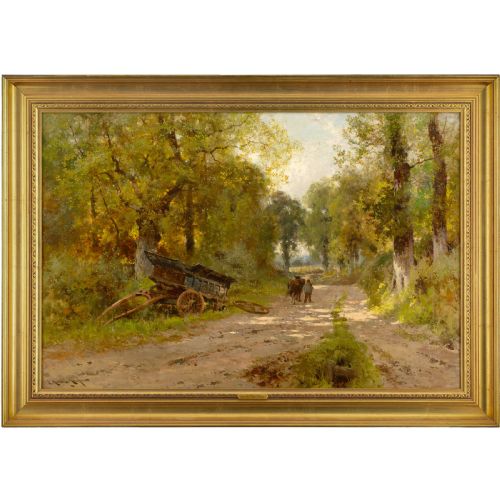
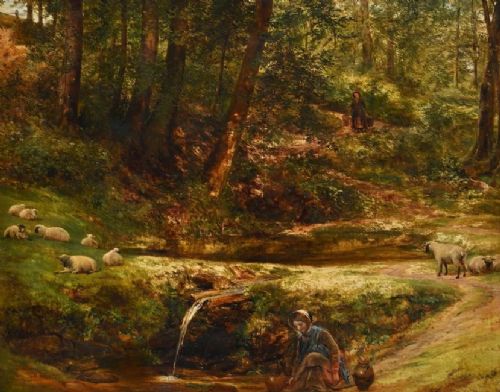
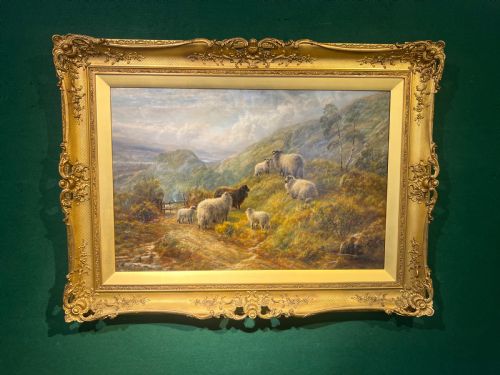
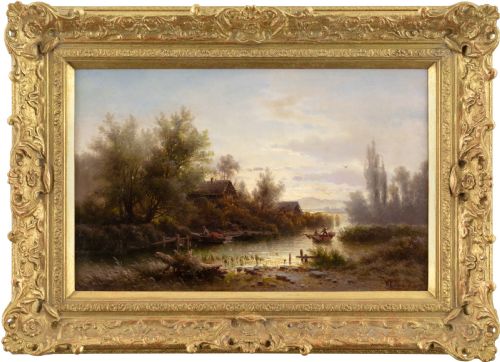
A 19th century pastoral painting portrays countryside vistas, agricultural scenes, and domestic animals set within rural landscapes. The selections on this page encompass framed artworks, wall art, and watercolours produced across the Victorian era. Canvas and wooden boards serve as the primary supports for these rural depictions.
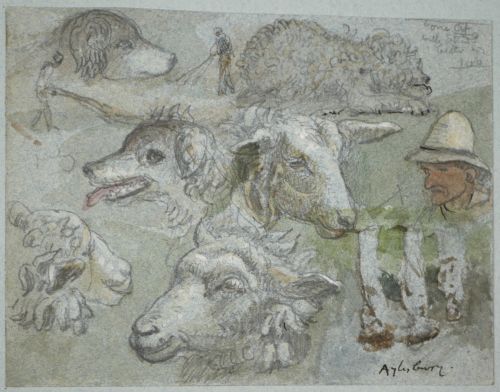
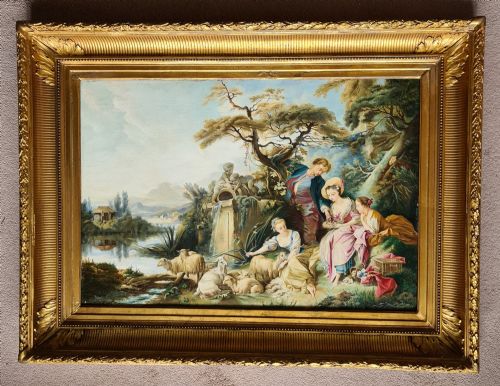
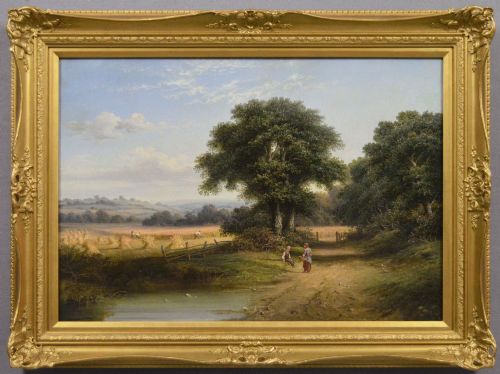
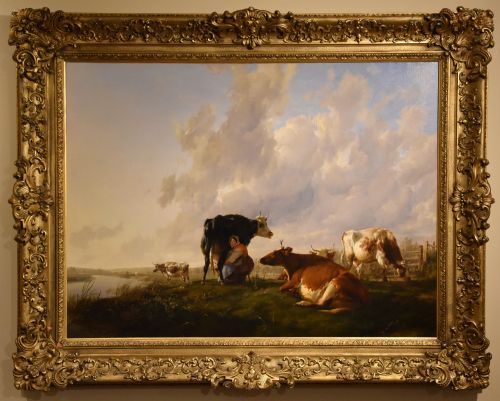
Most examples depict figures near harvest fields, shepherds with flocks, and cattle by rivers. Artists working in the English School and the Barbizon tradition produced many of these scenes. Buyers encounter both oil paintings and watercolours reflecting various regional European landscapes.
How They Were Made
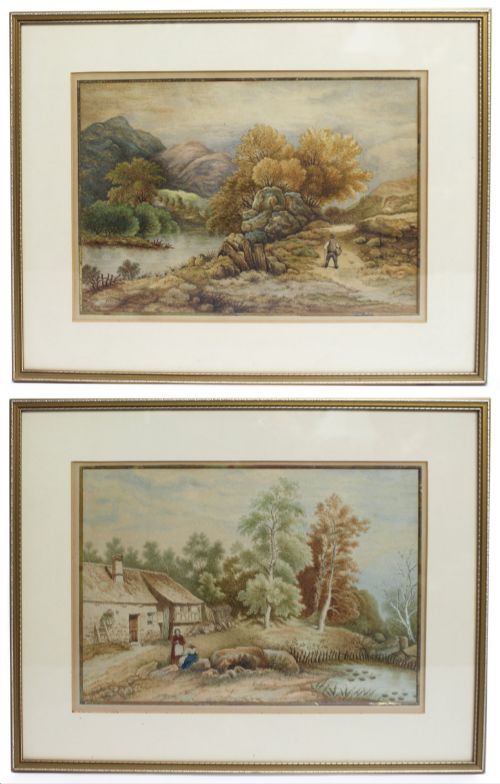
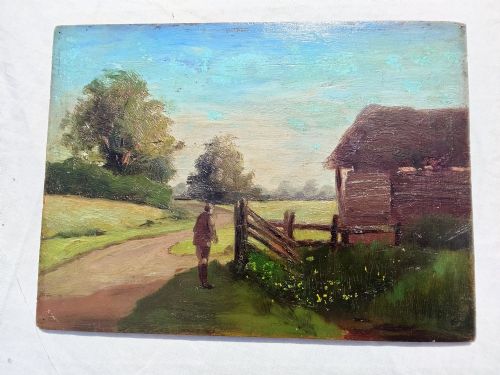
Makers applied oil paint to stretched canvas, wooden panels, or wooden boards. Watercolours on paper also form a substantial part of these creations, often housed beneath glass in giltwood frames.
Framing utilised gesso and carved wood to complement the painted imagery. Artisans worked within studios and outdoors to capture natural light and rural subjects.
Listings feature oil on canvas, wood panels, paper, and milk glass as supports for these rural compositions.
What Varies in Quality
The sophistication of brushwork and the naturalism of animal and human figures distinguish the works. Detailed rendering of light and atmospheric mood elevates individual examples above standard decorative pieces.
Eugène Verboeckhoven·Thomas Sidney Cooper·Richard Redgrave·Henry Schouten·John Emms
The 19th Century Pastoral Painting Glossary
- Oil on Canvas
- Pigment suspended in drying oil applied to a woven fabric support stretched across a wooden frame. This medium allowed artists to build rich textures and deep colour tones.
- Giltwood
- Wood carved and coated with gold leaf or a gold-coloured metallic finish. This material frequently appears on decorative antique frames.
- Watercolour
- A paint consisting of colour pigments suspended in a water-soluble vehicle, typically applied to paper. It yields translucent washes of colour.
- Barbizon School
- A mid-nineteenth-century French art movement focused on realistic landscape painting en plein air. Practitioners emphasised atmospheric effects and rural realism.
- Wood Panel
- A flat wooden board utilised as a rigid painting support before canvas became standard. Artists often prepared these surfaces with gesso.
19th Century Pastoral Painting: Frequently Asked Questions
What subjects appear in these pastoral paintings?
These works depict rural scenes including shepherds with sheep, cattle near rivers, and figures in harvest fields. Artists recorded daily agricultural life across various European landscapes.
Compositions frequently feature domestic animals, farmhouses, and tranquil countryside settings under differing daylight conditions.
How do oil paintings differ from watercolours here?
Oil paintings utilise pigment bound with oil on canvas, wooden boards, or panels, offering rich texture and depth. Watercolours employ water-soluble pigments on paper, creating translucent effects.
Both mediums were framed for display, though watercolours typically require protection beneath glass.
Which artistic schools produced these landscapes?
The pieces originate from the English School, French Empire, and Dutch traditions, alongside the Barbizon School influence. Regional British and European aesthetics shaped the distinct approaches to rural scenery.
Artists across these movements captured both idealised and realistic interpretations of the countryside.
How should these framed artworks be displayed?
Display these framed pieces on interior walls away from direct sunlight and excessive moisture to protect the paint or paper. Giltwood frames complement the traditional aesthetic of the artwork.
Maintaining stable room temperatures helps preserve both the wooden supports and the canvas integrity.