




Antique Livestock Canvas Art
Antique livestock canvas art brings the quiet drama of nineteenth-century pastoral life straight onto your wall.
Antique Livestock Canvas Art
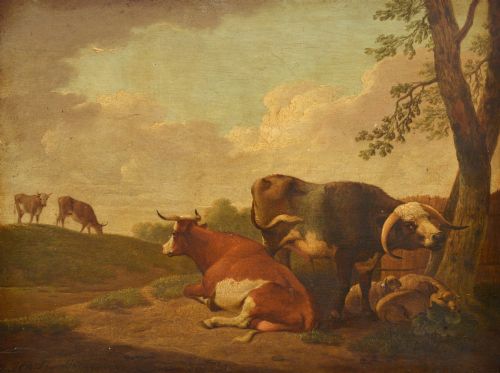
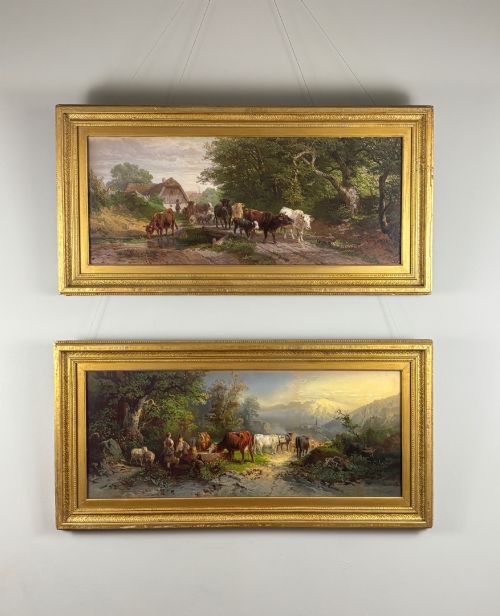
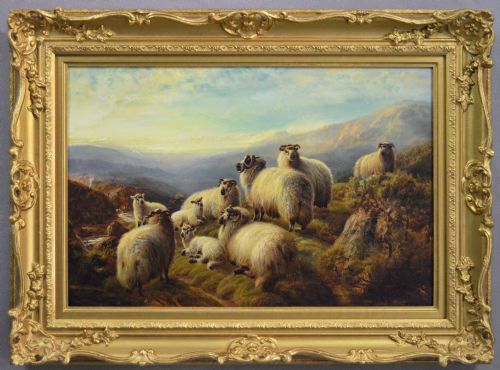
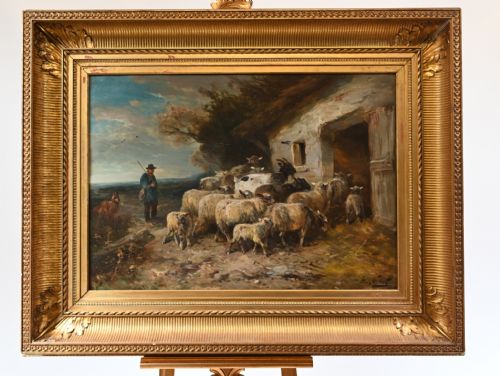
When you search for antique livestock canvas art, you are looking at oil paintings on canvas depicting cattle, sheep, and farmyard scenes produced primarily during the eighteenth and nineteenth centuries. The versions you are most likely to meet on this page range from Victorian pastoral landscapes to detailed animal portraits created by British and European artists.
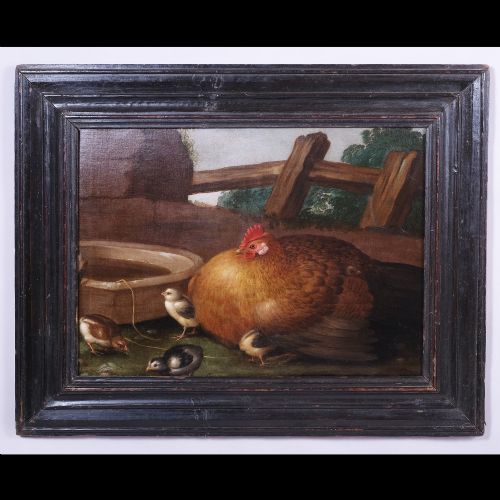
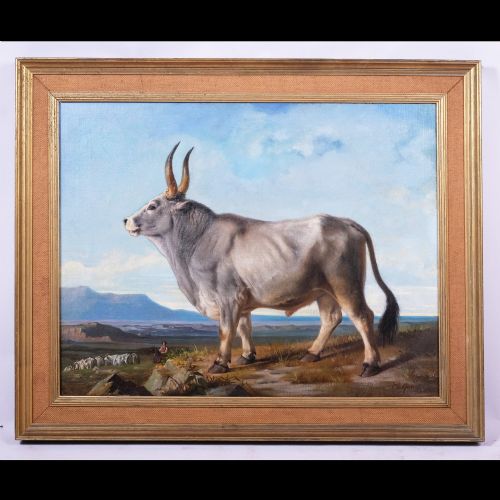
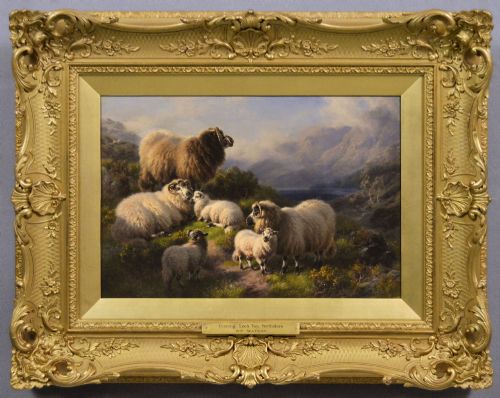
The subjects span from prize-winning shorthorn bulls and Highland cattle in snowy landscapes to quiet flocks of sheep resting by rivers and farmyard scenes with poultry. These works capture an era when agricultural wealth and rural realism inspired significant artistic attention across Britain and the continent.
Materials and construction
These works are painted in oil paint directly onto stretched canvas, often housed within original wood, gesso, and giltwood frames embellished with gold leaf. The physical structure relies on traditional woven canvas stretched over wooden frames, layered with ground preparation and rich oil pigments.
Artists built depth through successive layers of oil glaze and opaque pigment to render the texture of wool, hides, and rural landscapes with striking fidelity. Many of these canvases remain secured within their period frames, which utilise moulded gesso ornamentation finished in gold leaf.
Several canvases capture cows staring directly out at the viewer with mild, bewildered expressions.
Distinctions in quality
The primary distinction across these paintings lies in the anatomical precision of the animals and the handling of light within the surrounding landscape. Master painters captured the distinct muscle structure of a prizewinning shorthorn bull or the soft fleece of sheep with meticulous observation, whereas lesser works display stiffness in form and formulaic backgrounds.
Framing and signature provenance also elevate certain pieces, with signed works by recognised nineteenth-century animaliers commanding greater attention than unsigned or follower pieces. The harmony between the rendered livestock and the atmospheric depth of the rural backdrop ultimately separates standard decorative canvases from exceptional fine art.
Eugène Verboeckhoven·Thomas Sidney Cooper·William Watson Jnr·Heinrich Harder·Claude Cardon·Edgar Hunt
The Antique Livestock Canvas Art Glossary
- Canvas
- A heavy woven fabric, typically linen or cotton, stretched tightly over a wooden frame to serve as the foundation for oil paintings.
- Giltwood
- Wood that has been coated with a thin layer of gold leaf or gold paint, frequently used for nineteenth-century picture frames.
- Gesso
- A traditional paint mixture consisting of a neutral binder mixed with chalk, gypsum, or pigment, applied to wooden frames before gilding.
- Pastoral
- A genre of art that idealises rural life, featuring shepherds, farm animals, and idyllic countryside settings.
- Animalier
- An artist who specialises in the realistic portrayal of animals, particularly prominent during the Victorian era.
Antique Livestock Canvas Art: Frequently Asked Questions
How do I date an oil painting on canvas?
Dating relies on examining the canvas weave, the stretcher frame construction, the composition style, and any artist signatures or dates inscribed on the reverse. Victorian and eighteenth-century works each exhibit distinct framing techniques and pigment characteristics.
Studying the clothing of any figures or the agricultural breeds depicted also helps narrow the active period of the artist.
Where should I hang a large livestock oil painting?
These works suit prominent wall spaces in living rooms, dining rooms, or libraries where their rich pastoral tones can anchor the room. Avoid hanging them in direct sunlight or damp areas to protect the oil paint and canvas.
Pairing a traditional giltwood frame with neutral wall colours allows the earthy tones of the landscape and livestock to stand out clearly.
How do I care for antique canvas art?
Keep the canvas away from extreme temperature fluctuations and high humidity to prevent the organic materials from warping or cracking. Dust the surface and the giltwood frame gently with a dry, soft brush without applying pressure.
Professional cleaning of aged varnish should be left to conservators to avoid disturbing the original oil layers.