



Framed Glass Panel
These framed glass panel examples bring light and colour into a room, spanning painted scenes, leaded windows, and mirrors.
Framed Glass Panel
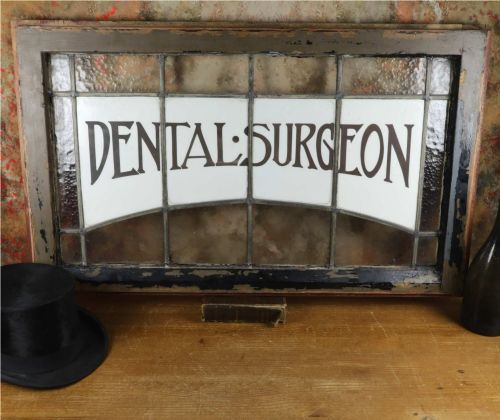
A framed glass panel search reveals a diverse mix of architectural salvage, decorative wall mirrors, and detailed stained glass windows. These items range from Victorian church windows and pub panes to Edwardian dentist practice signs and 1930s illuminated glass wall decorations.
Buyers frequently encounter pieces incorporating painted countryside scenes, hand-painted knights, silk embroidery under glass, and eglomisé panels within wooden or gilt frames. The selection spans periods from the nineteenth century through the 1930s, featuring stylistic influences such as Gothic Revival, Art Nouveau, and Art Deco.
Materials and Construction
Makers constructed these pieces using combinations of glass, timber, lead, and mirror glass, often finished with gesso, paint, or giltwood. Leaded glass windows utilise strips of lead to hold individual painted or coloured glass sections together securely.
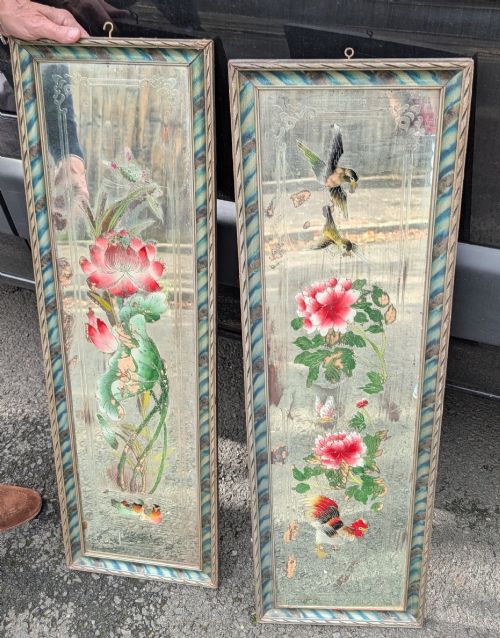
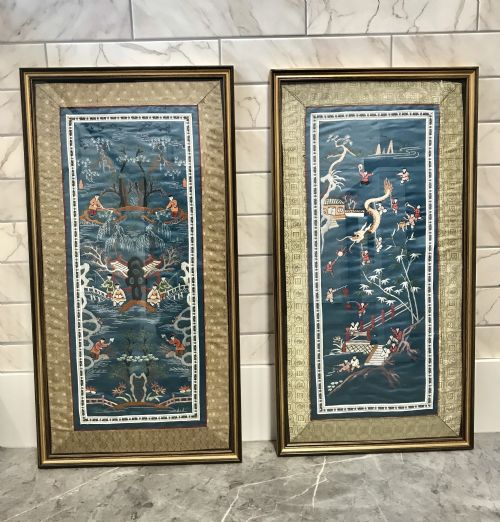
Mirrors and decorative panels frequently incorporate carved wooden frames, eglomisé decoration, and reverse painting on glass. Artisans also employed silk embroidery, tempera painting, and mother-of-pearl inlay to decorate panel surfaces before enclosing them in wood or gilt framing.
Listings feature items from the Victorian, Edwardian, and Art Deco periods, utilising glass, lead, timber, and giltwood.
Evaluating Quality
Quality in these pieces depends upon the intricacy of the hand-painted details, the preservation of the original glass or mirror plate, and the skill evident in the framing work. Finer examples display meticulous brushwork on glass, well-preserved lead cames, and authentic period gilding or carved wood details.
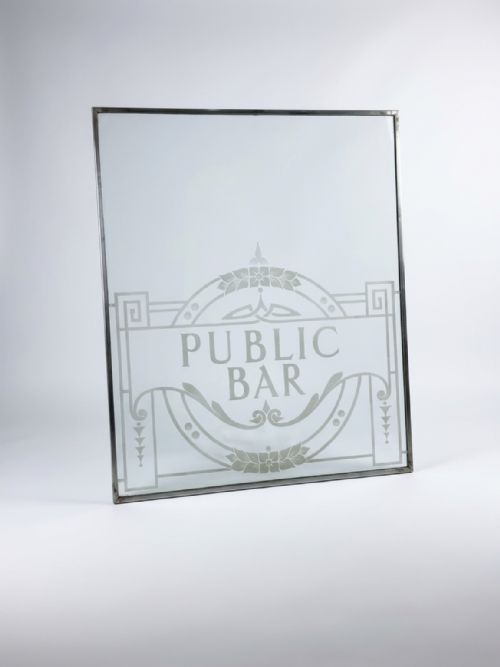
The sophistication of the design, whether an etched pub window, a reverse-painted floral motif, or a structural architectural element, dictates the standing of the piece. Superior craftsmanship shows in the harmonious integration of the panel with its frame, whether giltwood, oak, or ebonised timber.
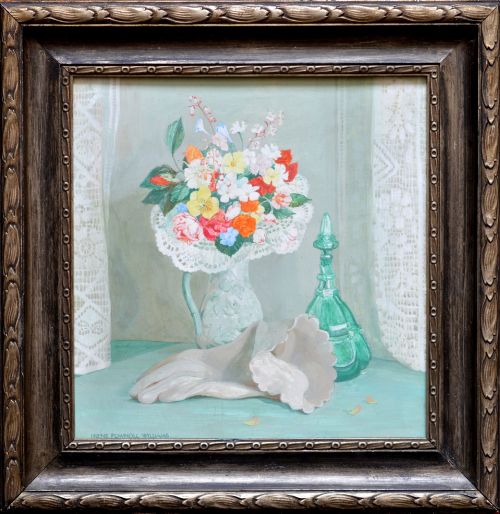
Irene Christobelle Pownoll Williams
The Framed Glass Panel Glossary
- Eglomisé
- A process of applying a design and gilding with gold leaf onto the rear face of glass to produce a mirror-like finish. This technique creates a distinctive reflective artwork panel.
- Trumeau
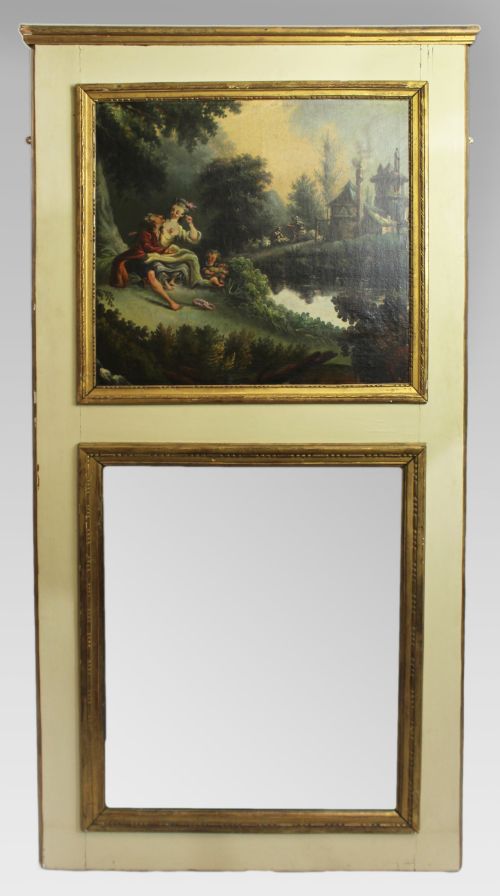
- A decorative wall mirror featuring an artwork panel, such as an oil painting or reverse glass painting, positioned above the mirror glass. These French-inspired pieces often incorporate giltwood frames.
- Lead Came
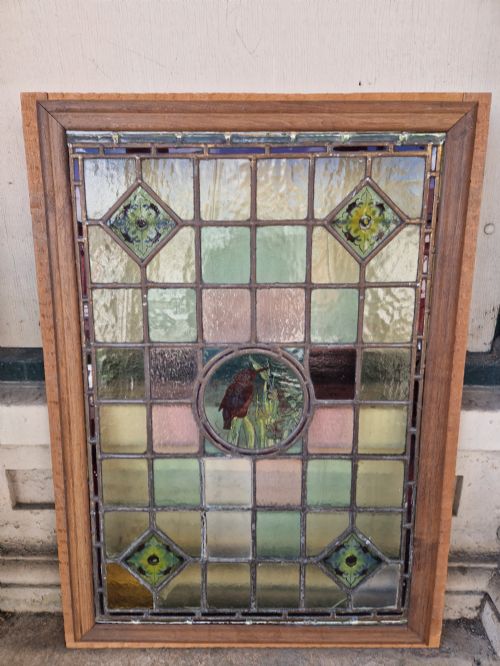
- A thin rod of lead with a grooved profile used to hold together pieces of stained or painted glass in windows. These strips form the structural grid of the panel.
- Overmantel Mirror
- A large mirror designed specifically to hang on the wall above a fireplace mantel. These often feature extensive framing styles from the Victorian or Regency periods.
- Pier Mirror
- A tall, narrow mirror traditionally hung on the pier or wall space between two windows. They frequently incorporate lower decorative glass panels or eglomisé work.
Framed Glass Panel: Frequently Asked Questions
What is a framed glass panel?
A framed glass panel is a decorative or architectural item featuring glass set within a border of wood, metal, or gilt. These pieces include painted windows, mirrors, and advertising signs.
They serve as wall art or architectural salvage, bringing historic craftsmanship and reflected light into modern interiors.
How do I hang a heavy glass panel?
Heavy glass panels and framed mirrors require sturdy wall fixings anchored directly into wall studs or masonry. Professional mirror hangers utilise brackets rated for the specific weight of the timber and glass.
Ensuring the hanging wire or D-rings on the frame match the total weight prevents structural strain.
Where were stained glass panels used?
Stained glass panels originated primarily in ecclesiastical settings, domestic homes, and public buildings like pubs and offices. They acted as windows or decorative room dividers.
Victorian and Edwardian properties frequently utilised them in hallways and transoms to provide privacy while admitting natural light.
How do I clean antique glass?
Antique glass and painted panels require gentle cleaning with a soft, dry microfibre cloth to remove dust. Moisture can damage old paint, silvering, or silk components behind the glass.
Harsh chemical cleaners should be avoided entirely to preserve fragile hand-painted surfaces and historic leadwork.