


Painted Leaded Glass
When you search for painted leaded glass, you uncover panels and windows combining hand-painted imagery with traditional leaded came work.
Painted Leaded Glass
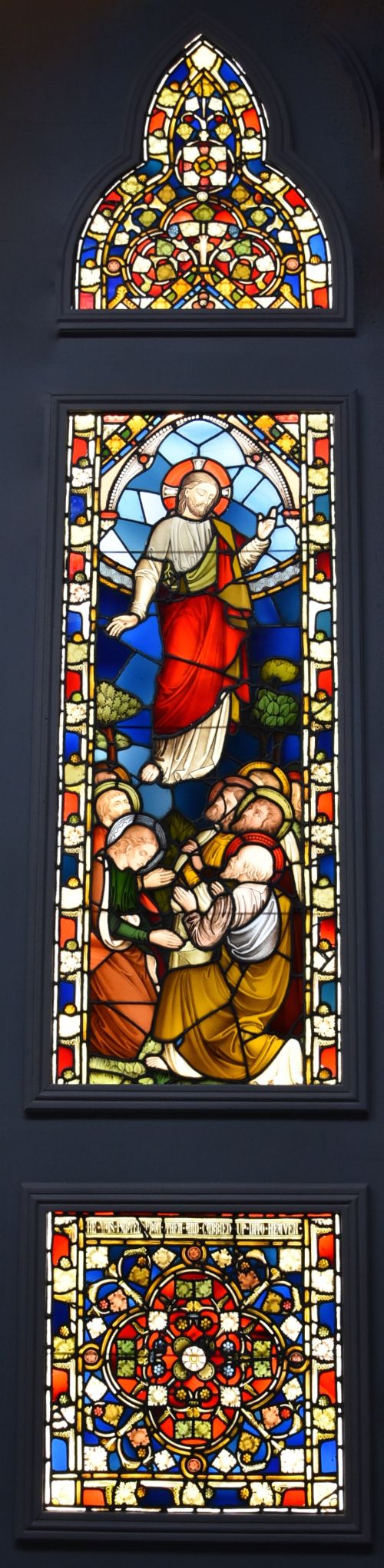
Painted leaded glass primarily encompasses architectural windows, panels, and fire screens originating from the nineteenth and early twentieth centuries. These pieces span Victorian, Edwardian, Gothic Revival, and Arts and Crafts periods, reflecting domestic, ecclesiastical, and commercial settings.
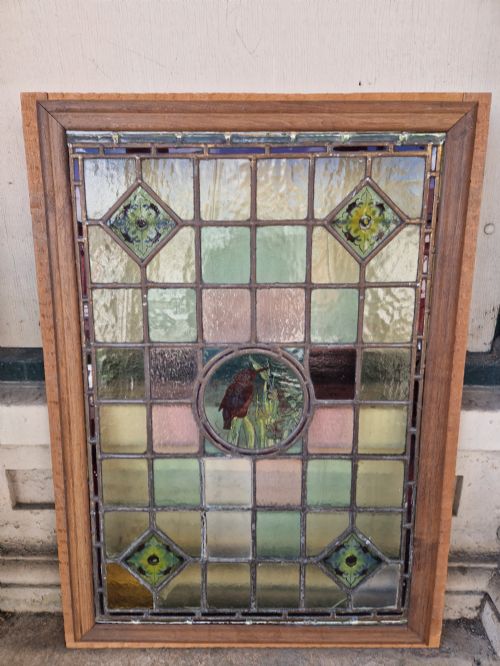
The most common form on this page is the individual window panel, often featuring pictorial hand-painted scenes held together by lead cames. Collectors frequently encounter designs depicting birds, rural landscapes, floral motifs, and historical figures.
Items range from small single-panel inserts to large church windows and architectural salvage, sometimes framed in timber, brass, or pine.
How they were made
Craftsmen built these windows by cutting sheets of glass to shape, applying enamel paint to the surface for details like feathers, foliage, and faces, and firing the glass to fuse the pigment. The individual pieces were then assembled using flexible lead cames soldered at the joints to form a rigid panel.
Makers integrated clear bullseyes, amber glass inserts, and textured stained glass within the lead matrix to enhance light diffusion and colour depth. Wooden frames, timber surrounds, and brass elements provided structural support for heavier panels and fire screens.
Listings feature periods from the nineteenth century through the 1920s, incorporating materials such as lead, stained glass, pine, timber, and brass.
What varies in quality
Quality in painted leaded glass rests on the finesse of the brushwork and the complexity of the composition. Finer panels display detailed shading, expressive animal or human figures, and harmonious integration of coloured and bullseye glass rather than simple, repetitive outlines.
The integrity of the lead cames and the stability of the surrounding timber or brass framework also determine the overall standard. Superior pieces maintain crisp paintwork that has survived firing and age without excessive flaking or dulling.
The Painted Leaded Glass Glossary
- Came
- A grooved strip of lead used to hold together pieces of glass in a window. These came lines form the geometric or supportive grid of the panel.
- Bullseye
- A circular patch of glass with a central bump formed during the glassblowing process. They appear frequently as clear or amber accents in window panels.
- Stained glass
- Glass that has been coloured during its manufacture by the addition of metallic oxides. It differs from painted glass, though both techniques are combined in these windows.
- Architectural salvage
- Building materials rescued from structures slated for demolition. This includes the church windows and shop panels found in these listings.
- Fire screen
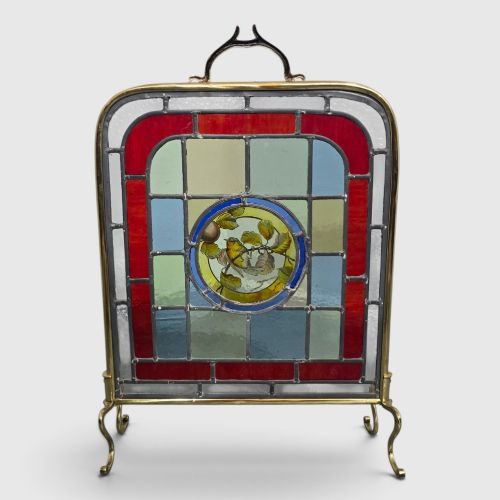
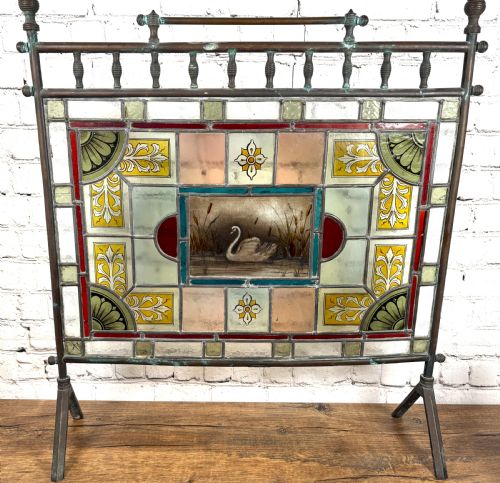
- A decorative screen placed in front of a fireplace when not in use. Some examples utilise painted and leaded glass panels within brass frames.
Painted Leaded Glass: Frequently Asked Questions
Where were these windows originally placed?
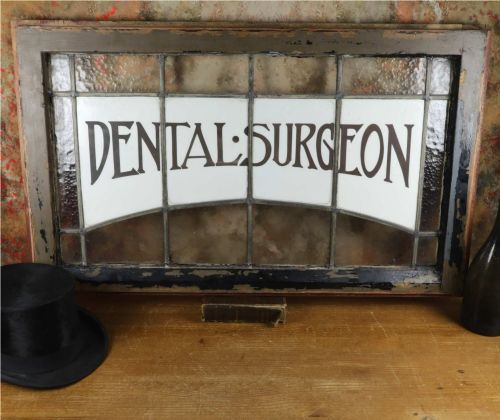
Many of these windows came from churches, Victorian residences, Edwardian practice rooms, and commercial shops. They served as exterior windows, interior transoms, or decorative display pieces.
Over time, many were salvaged during architectural remodeling to be preserved as standalone decorative panels or fitted into interior spaces.
How do I hang a leaded glass panel?
Leaded glass panels require proper weight distribution to prevent the soft lead cames from bending over time. They are best supported along their entire bottom edge within a wooden rebate rather than hung by a single chain.
Secure mounting within a window frame or against an illuminated wall box ensures the glass remains stable and receives adequate light.
How do I distinguish Victorian from Edwardian panels?
Victorian panels often lean towards heavier Gothic Revival influences, deep religious themes, or formal classical scenes. They frequently employ rich, dark stained glass alongside detailed hand-painted figures.
Edwardian pieces tend to introduce lighter motifs, including floral swags, specific bird studies, and country farmhouse scenes, often paired with amber bullseyes.