



Nautical Painted Glass
Nautical painted glass brings maritime history into your home through framed scenes and decorated vessels.
Nautical Painted Glass
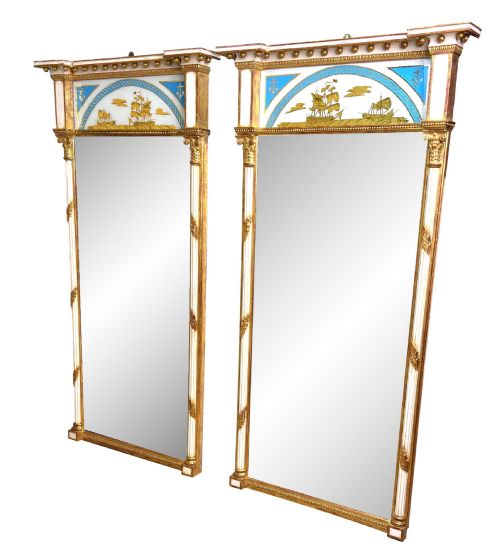
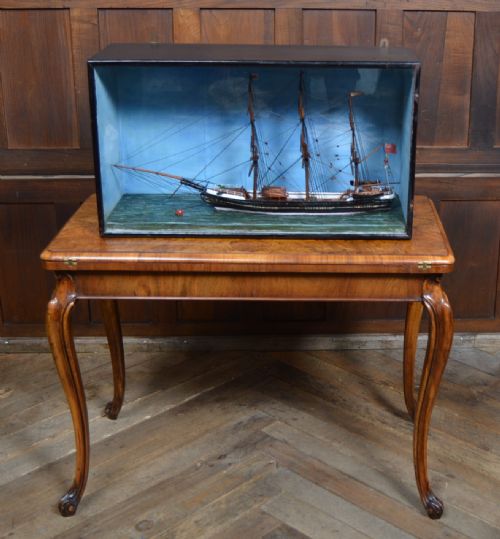
When you search for nautical painted glass, you encounter maritime folk art, decorative objects and paintings that capture ships at sea. These pieces range from Georgian mirrors with shipping panels to Victorian dioramas and framed watercolours.
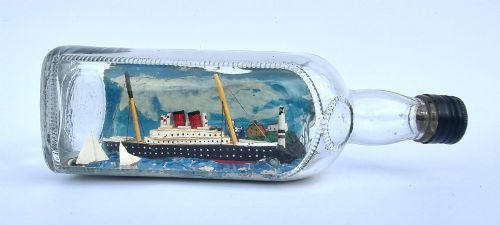
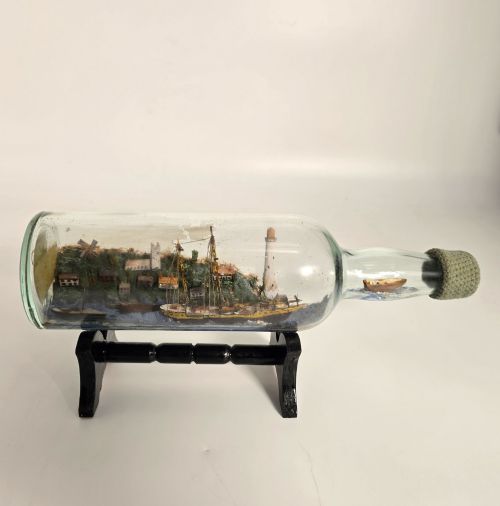
You are most likely to meet Victorian and early twentieth-century examples on this page, including cased model ships and painted glass panels. The selection spans folk art interpretations and detailed maritime portraits created across the nineteenth and twentieth centuries.
How they were made
Makers utilised glass, wood, paint and plaster to construct these maritime scenes, frequently enclosing them within shadow box dioramas or glass-fronted frames. Putty and paper often helped secure and detail the miniature vessels and background elements within their protective cases.
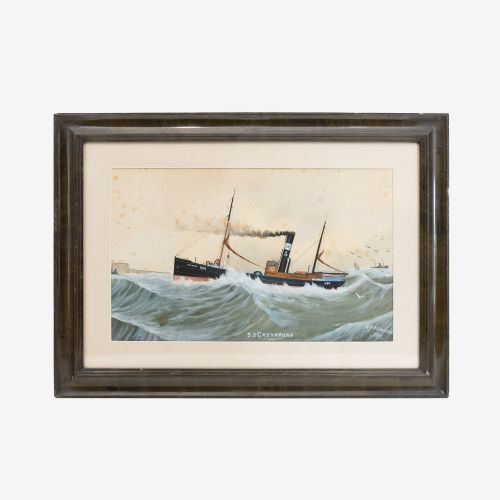
Artists applied watercolour and gouache to depict specific vessels such as steam ships and sailing ketches with careful attention to rigging and hulls. Craftsmen then assembled the wooden frames and glass enclosures to preserve the delicate painted and modelled components.
Nautical Painted Glass Retail Price Guide 2026
Typical asking prices for nautical painted glass among the pieces listed under this phrase on Sellingantiques today, from the lower quarter to the upper quarter. They describe what is for sale here now, not the wider market.
Early makers occasionally used everyday putty to anchor miniature ocean waves around their handmade wooden hulls.
What varies in quality
The degree of fine detail in the painted rigging and the crispness of the glass presentation define the upper tier of these works. Superior examples demonstrate precise brushwork and stable construction within their wooden cases.
Simpler folk art pieces display a charming economy of line, whereas accomplished portraits and complex dioramas show a high level of technical execution. The integration of painted glass elements with physical models requires careful handiwork that separates standard items from finer specimens.
Alexander Harwood
The Nautical Painted Glass Glossary
- Diorama
- A three-dimensional scene enclosed in a glass-fronted case, often featuring model ships set against a painted background. These displays protected delicate maritime models from dust and damage.
- Gouache
- An opaque water-based paint used by artists to achieve solid areas of colour in maritime portraits. It provides a denser finish than standard watercolour.
- Folk art
- Creative work produced by self-taught or traditional craftsmen rather than academy-trained artists. In maritime pieces, this style emphasises directness and local materials over formal academic rules.
- Cased model
- A scale model of a ship housed within a protective wooden and glass enclosure. This method kept rigging intact and preserved the model over generations.
Nautical Painted Glass: Frequently Asked Questions
What is nautical painted glass?
These pieces consist of painted maritime scenes, mirrors with shipping panels and glass-enclosed dioramas depicting sailing vessels and steam ships.
Craftsmen and artists created them using glass, wood, paint and paper to preserve maritime subjects in domestic settings.
How were these pieces used?
Owners displayed these framed works and cased dioramas on walls or tabletops to celebrate naval achievements and personal connections to the sea.
They served as decorative art in homes and offices, bringing maritime narratives indoors.
How do I live with these pieces?
Keep these framed items and glass cases away from direct sunlight to protect the watercolours and painted surfaces from fading. Position them where stable indoor temperatures prevent moisture buildup inside the sealed wooden enclosures.
How do I tell periods apart?
Georgian and Victorian examples often feature hand-painted glass panels in mirrors and heavy wooden frames with traditional mouldings. Later pieces from the twentieth century frequently incorporate steam ships and simpler folk art framing techniques.
Examining the materials, such as the type of glass and framing construction, helps identify the era of manufacture.